Welcome to Lishui Tengyu Pet Food Co., Ltd.
[email protected]

 English
 Español
 Deutsch


Industry News

Industry News
Duck-Wrapped Collagen Twisted Sticks Carry Slightly Less Fat
Two twisted chew sticks built on the same composite rawhide core can still differ in one measurable way depending on which meat wraps the outside, and that difference shows up clearly on a nutritional specification sheet rather than anywhere on the packaging design. Duck-wrapped collagen twisted sticks typically carry a lower crude fat figure than their chicken-wrapped counterpart built on the same core, a detail buyers formulating nutritional positioning should factor into how they market the two variants. Buyers who assume both meat-wrapped versions share identical nutritional panels may find their marketing claims don't hold up once duck-wrapped collagen twisted sticks and the chicken version are tested side by side.
Comparing Fat Content Across Meat Wrap Options
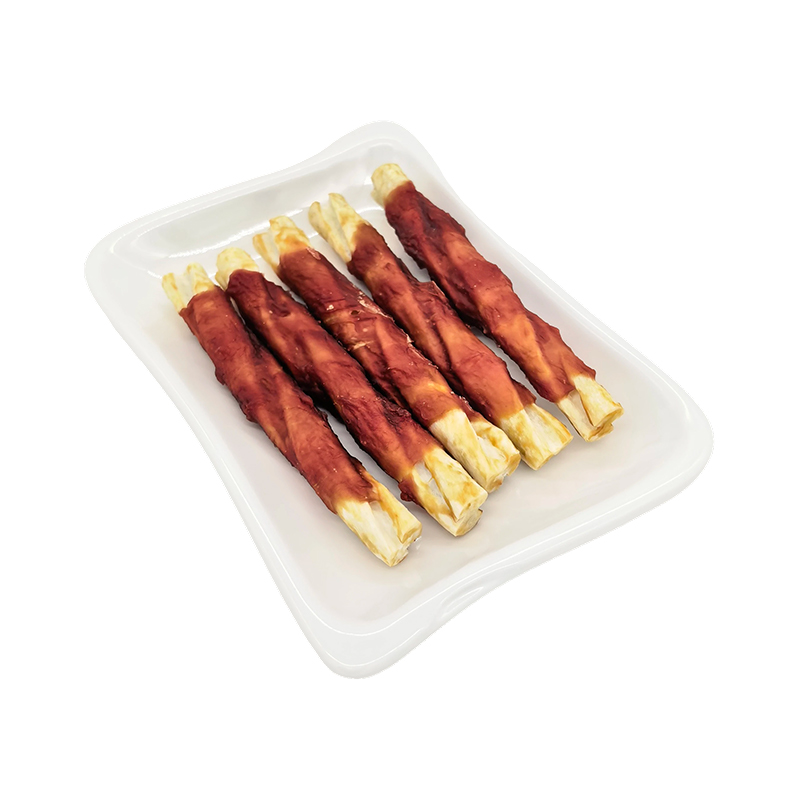
A duck-wrapped collagen twisted sticks product commonly shows a crude fat maximum around 3.5 percent, compared to a chicken-wrapped version on the same base running closer to 4.5 percent, a gap driven by the fat content differences between duck and chicken meat used in the outer wrap. This distinction matters for buyers positioning products toward pet owners managing a dog's weight or fat intake, since the wrap choice alone shifts the finished product's nutritional profile even when the core formulation stays identical. Buyers should confirm these figures directly from lab testing on the specific batch rather than assuming fat content stays constant across production runs, since raw material variation in the meat supply can shift the final figure slightly.
What Stays Consistent Between the Duck and Chicken Versions
While fat content differs, the composite rawhide core at the center of duck-wrapped collagen twisted sticks remains structurally identical to the chicken-wrapped version, meaning chewing duration, texture, and dental function stay consistent regardless of which meat wrap a buyer selects. Crude protein, fiber, moisture, and ash figures also typically track closely between the two variants, since these values are driven primarily by the shared core rather than by the outer meat layer. Buyers should treat the meat wrap choice as primarily a flavor and fat-content decision rather than one that changes the product's core functional performance.
Palatability Differences Buyers Should Anticipate
Duck and chicken produce distinctly different flavor profiles, and duck-wrapped collagen twisted sticks often appeal to dogs with existing chicken sensitivities or to pet owners specifically seeking ingredient variety across a household with multiple pets. Buyers building a product line around both variants should treat this as a genuine market segmentation opportunity rather than simply offering flavor variety for its own sake, since some end customers actively seek non-chicken options for dietary rotation or known sensitivities in their pets. Positioning duck-wrapped collagen twisted sticks specifically toward this segment, rather than marketing it as a generic flavor alternative, can help buyers reach pet owners who might otherwise overlook the product entirely.
Duck-Wrapped vs. Chicken-Wrapped Nutritional Comparison
|
Specification |
Duck-Wrapped Version |
Chicken-Wrapped Version |
|
Crude protein (min) |
Around 35% |
Around 35% |
|
Crude fat (max) |
Around 3.5% |
Around 4.5% |
|
Crude fiber (max) |
Around 1% |
Around 1% |
|
Moisture (max) |
Around 14% |
Around 14% |
|
Core material |
Composite rawhide |
Composite rawhide |
Why Consistent Sizing Simplifies Multi-Flavor Sourcing
Produced at the same 5-inch size as its chicken-wrapped counterpart, duck-wrapped collagen twisted sticks let buyers offer flavor variety without adjusting packaging dimensions, shipping cartons, or retail shelf placement between variants. This consistency reduces the operational complexity of running multiple flavor SKUs simultaneously, since buyers can standardize packaging design and only vary the product description and nutritional panel between versions rather than redesigning packaging for each flavor.
Sourcing Considerations for Buyers Running Both Variants
Buyers stocking both duck-wrapped collagen twisted sticks and the chicken-wrapped equivalent should confirm with their supplier whether both variants run on the same production line and schedule, since shared tooling can mean shorter combined lead times but also means a single line disruption affects both product lines simultaneously. Requesting separate batch documentation for each variant, rather than combined records, also makes it easier to trace a quality issue back to a specific meat wrap supplier if one ever arises during ongoing production.
NEXT:Inside Chicken-Wrapped Collagen Twisted Sticks Is a Rawhide Core
-
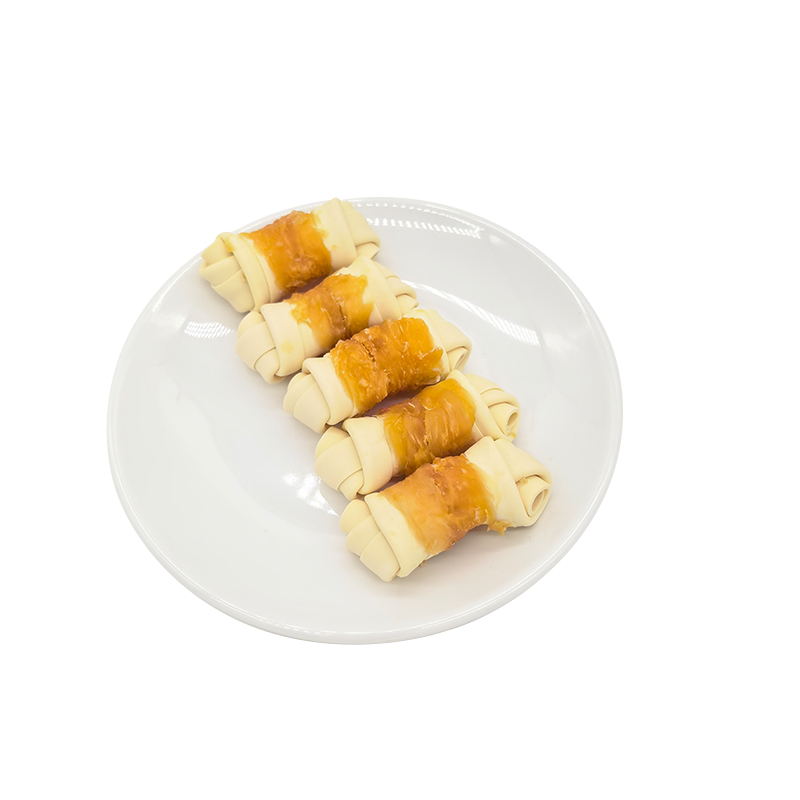
Meat Wrapped Dog Treats
Our KN001 2.5-3-inch chicken coated starch bone chewable tablets are designed specifically for dogs,...View More -
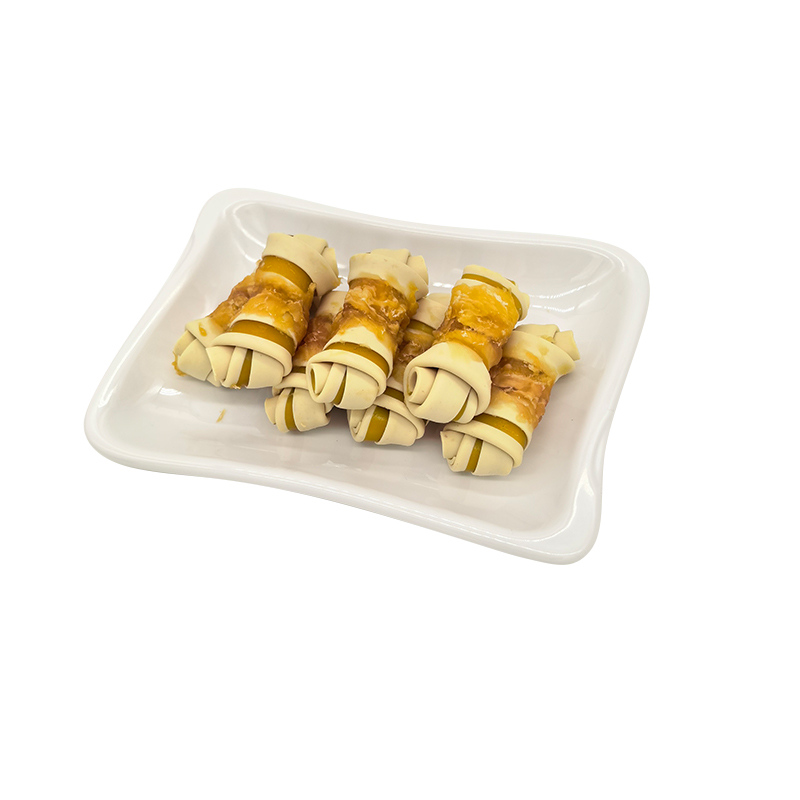
Meat Wrapped Dog Treats
The KN003 organic protein dog chew treats are crafted with a wholesome blend of corn starch, sweet p...View More -
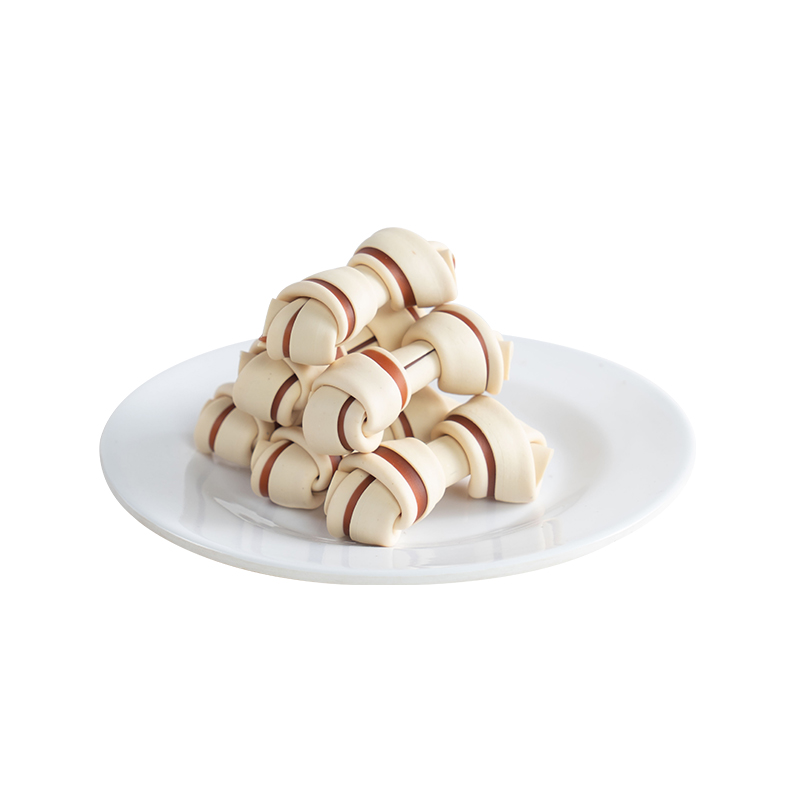
Knotted Bone Series
The KN004 Chewing Gum Grinding Teeth Cleaning Teeth Dog Snacks is a starch-based chew treat specific...View More -
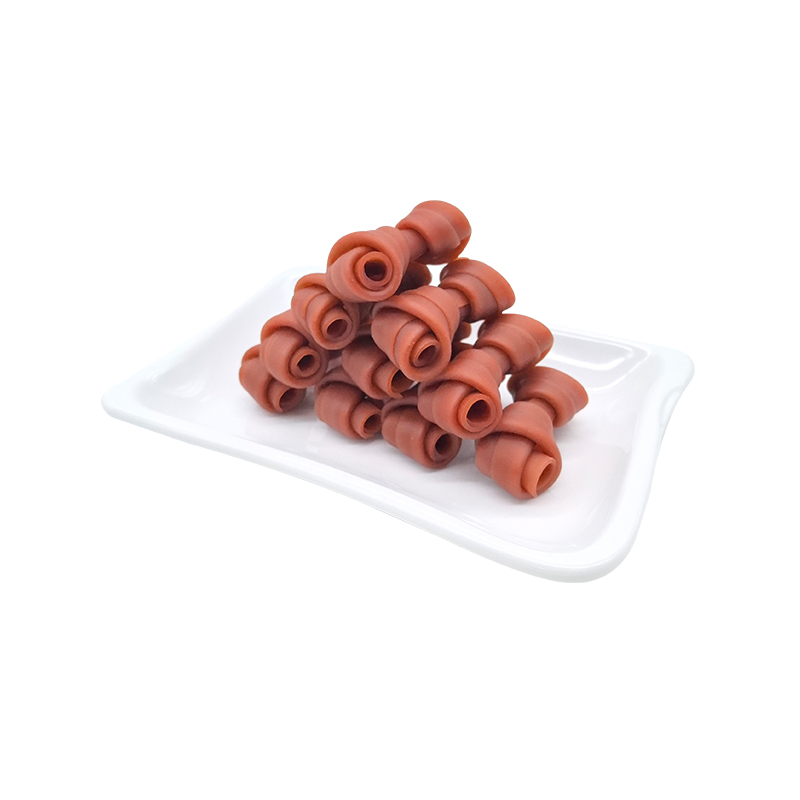
Knotted Bone Series
KN005 Dog single Color Bone Chew Snacks Safe and Healthy Pet Food is a healthy pet food made primari...View More -
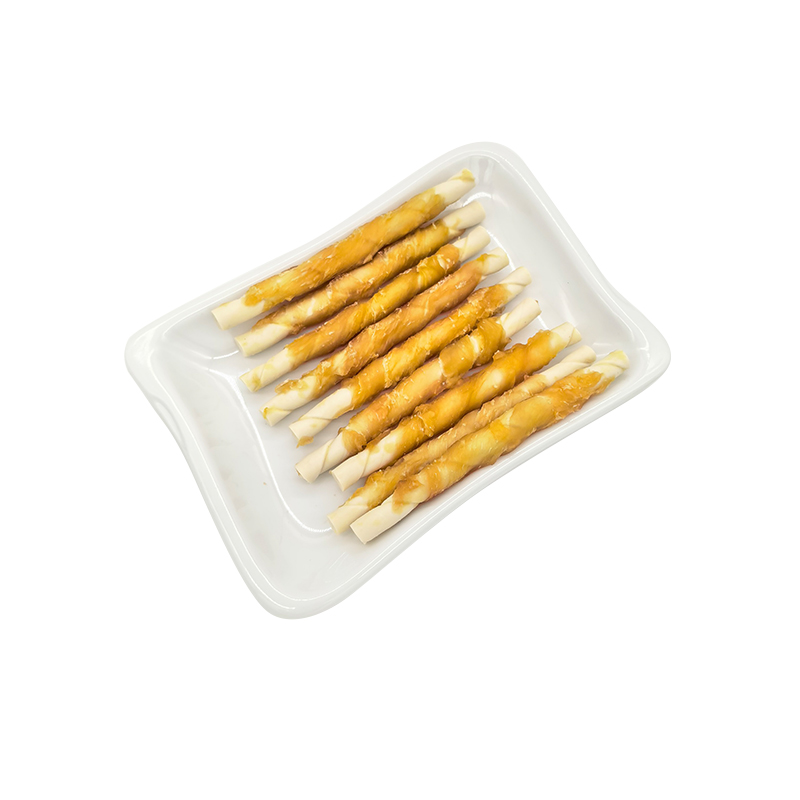
Meat Wrapped Dog Treats
ST001 Milk Flavored 12cm Nutritious Meat-Wrapped Pet Chicken Rolls Stick combine premium chicken wit...View More -
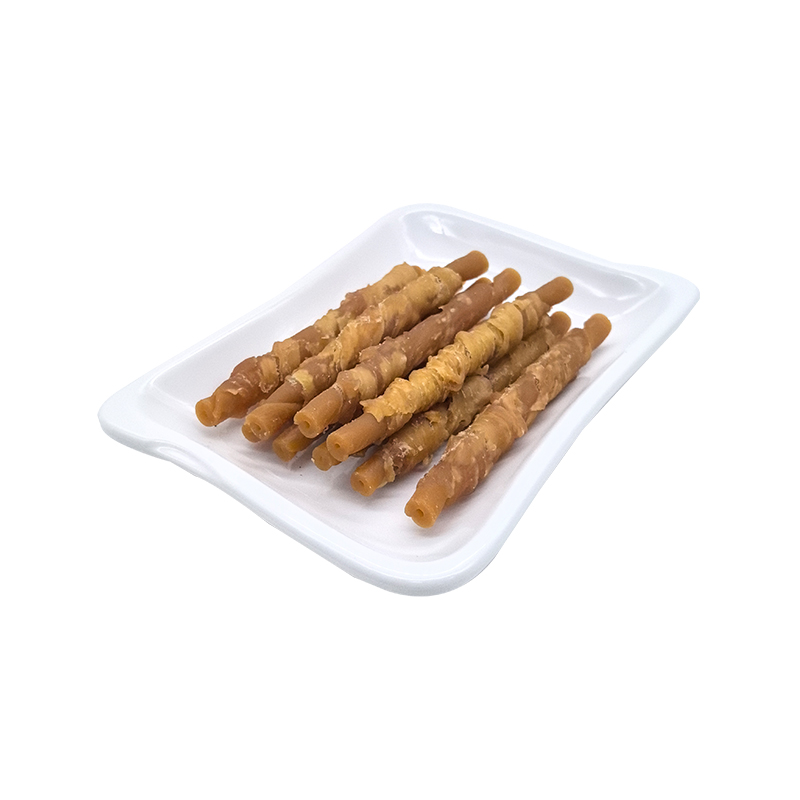
Meat Wrapped Dog Treats
ST002 Chicken Flavor Organic Dog Dental Chew Stick is a healthy and tasty snack designed for dogs’ d...View More


TIME TO FEED YOUR PETS
-
Quick Links
-

The company integrates production and R&D functions, and its core business focuses on the R&D and production of pet snacks and pet chews.
-
Contact Us
Phone/WhatsApp:
+86 18067755187
+86-18657866096 E-mail:
[email protected]
[email protected] Add: No. 358-1, Longqing Road, Nanmingshan Street, Liandu District, Lishui, Zhejiang, China
