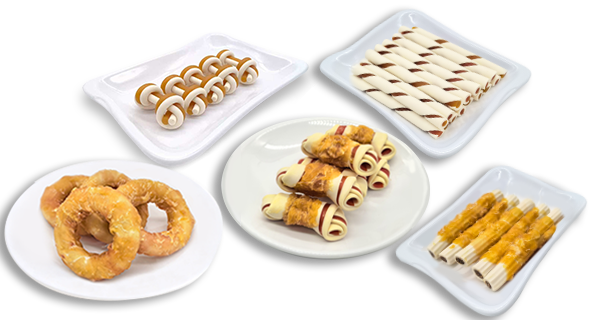
Lishui Tengyu Pet Food Co., Ltd. Lishui Tengyu Pet Food Co., Ltd. Lishui Tengyu Pet Food Co., Ltd.

Founded in 2005

Lishui Tengyu
Pet Food Co., Ltd.

Founded in 2005 and located near Lishui Airport, the company specializes in pet food.

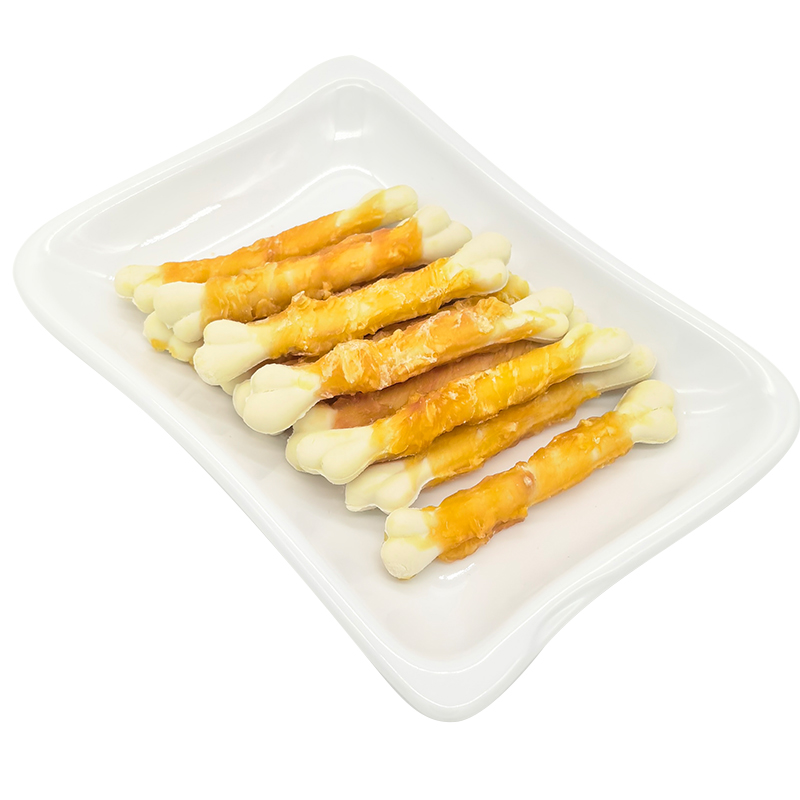
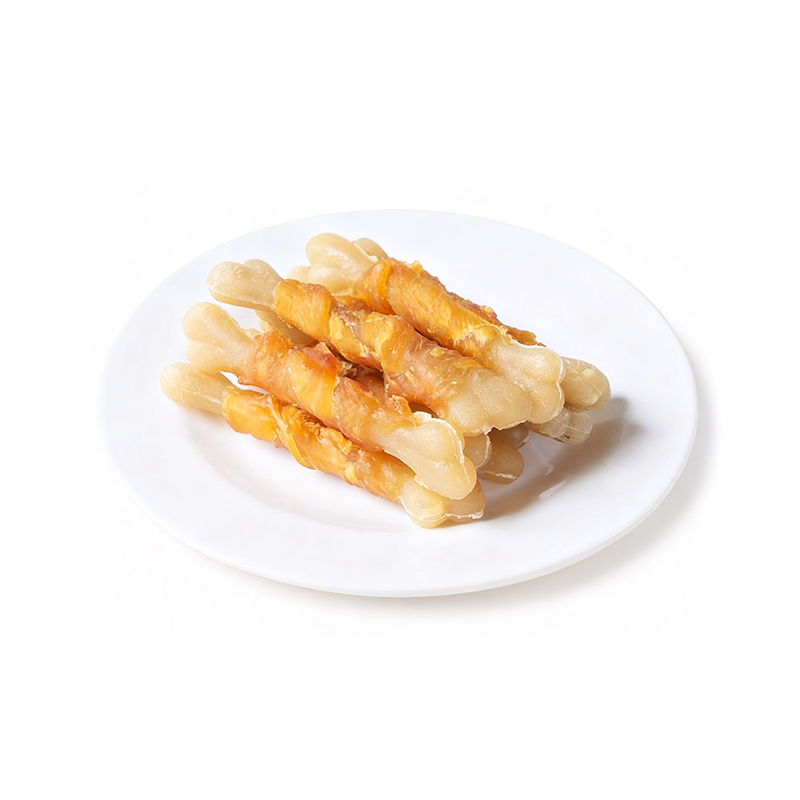
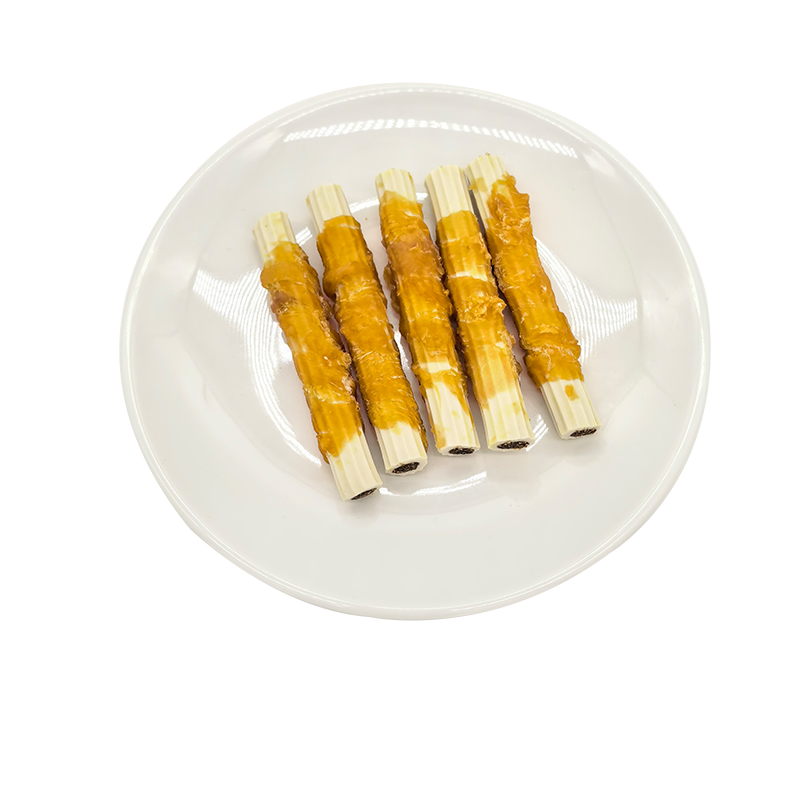
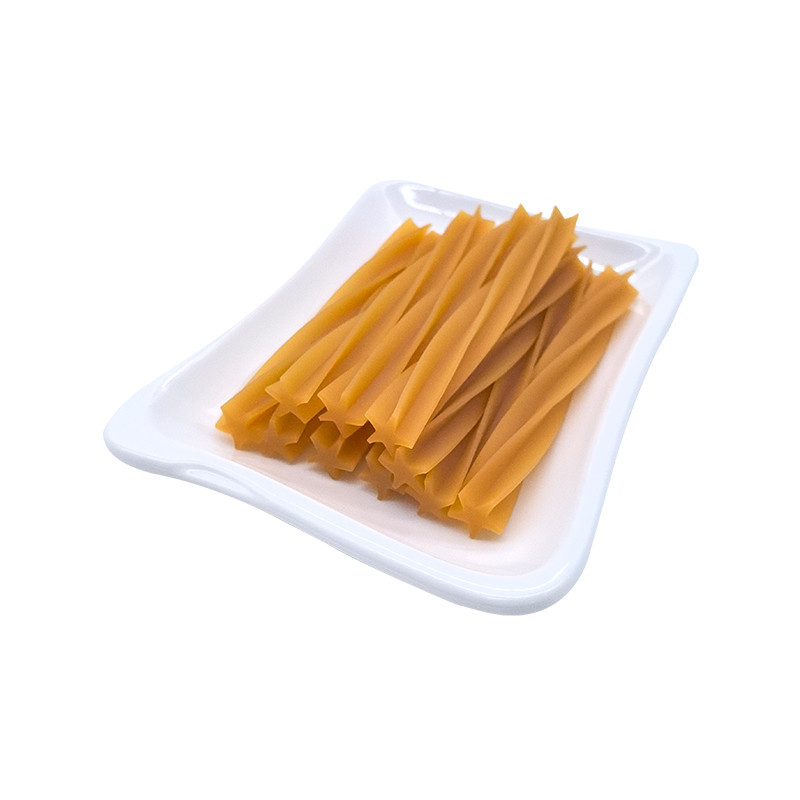
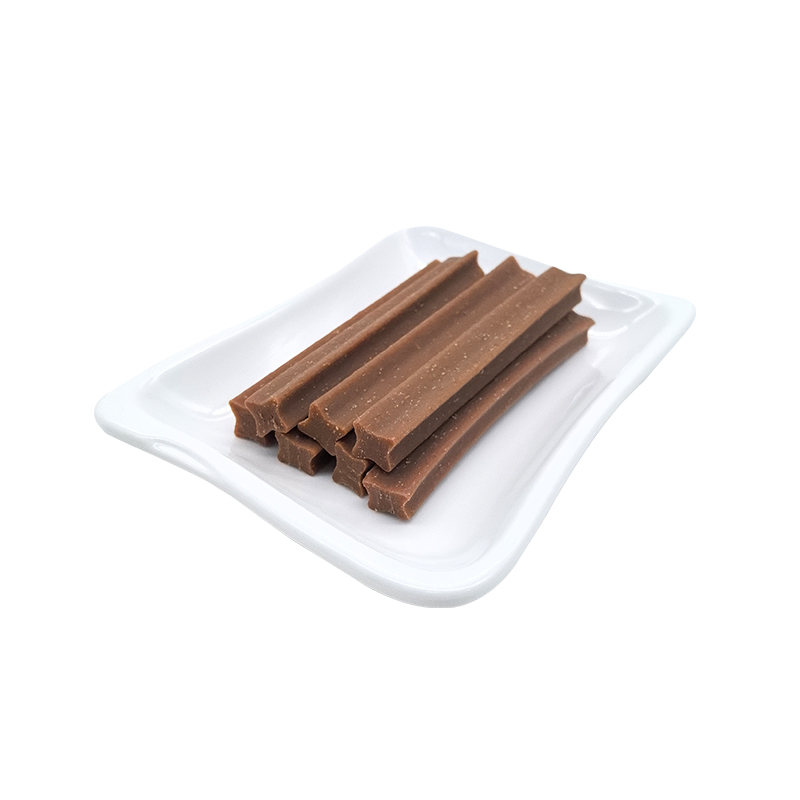
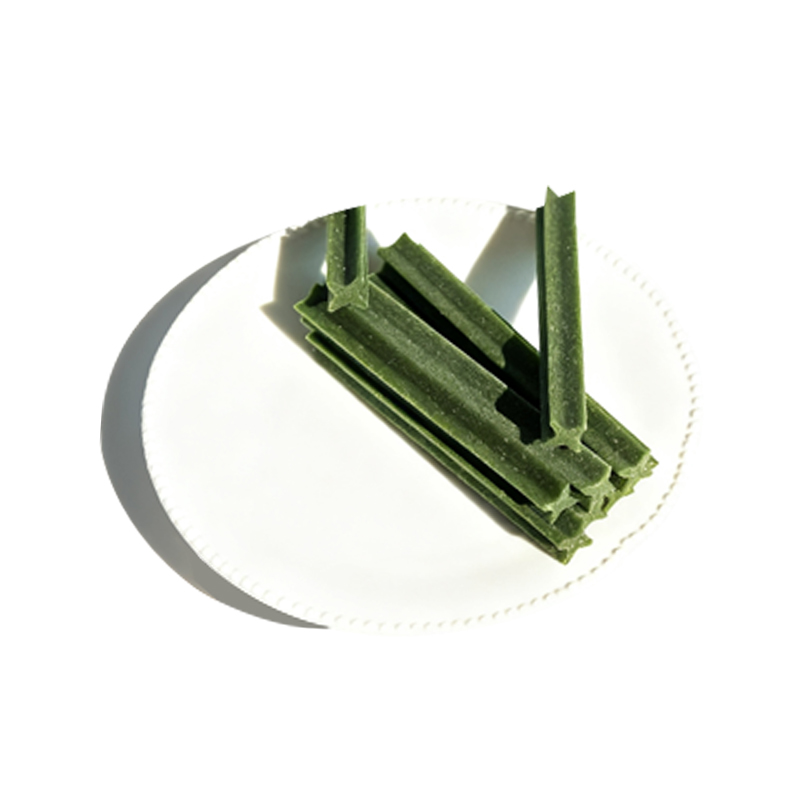
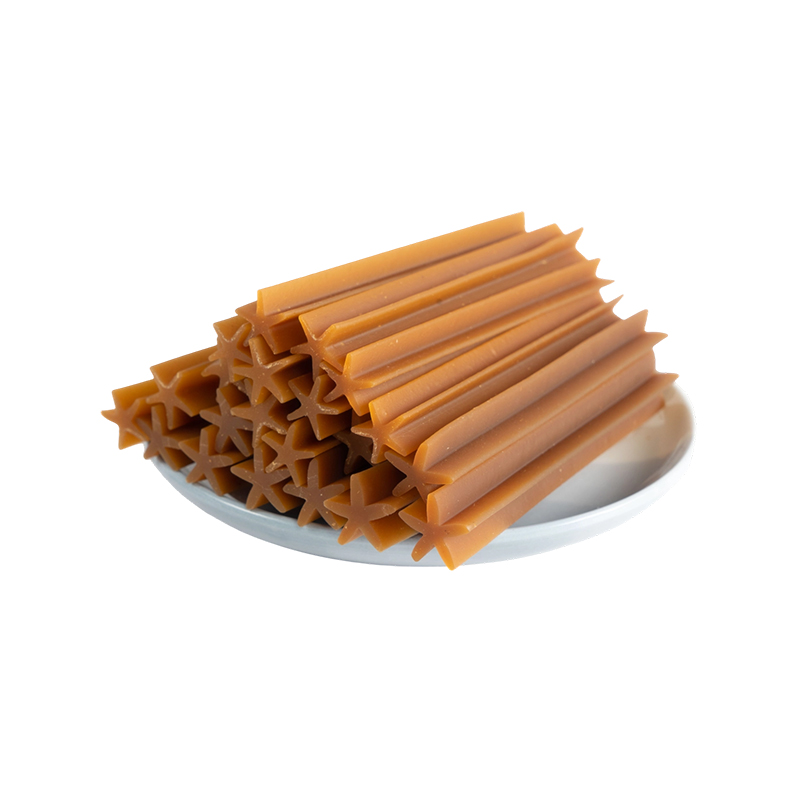
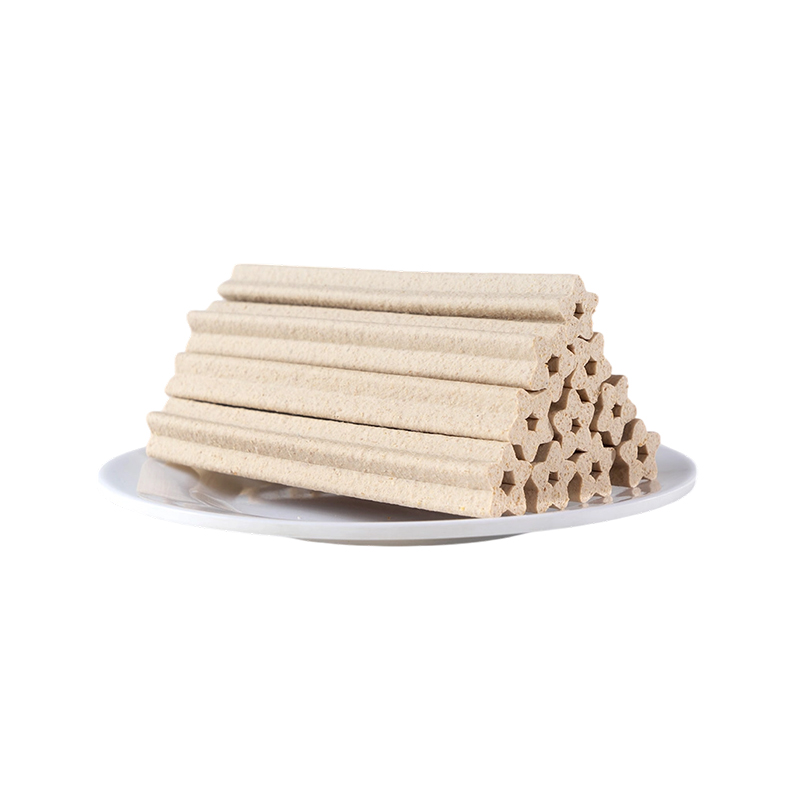
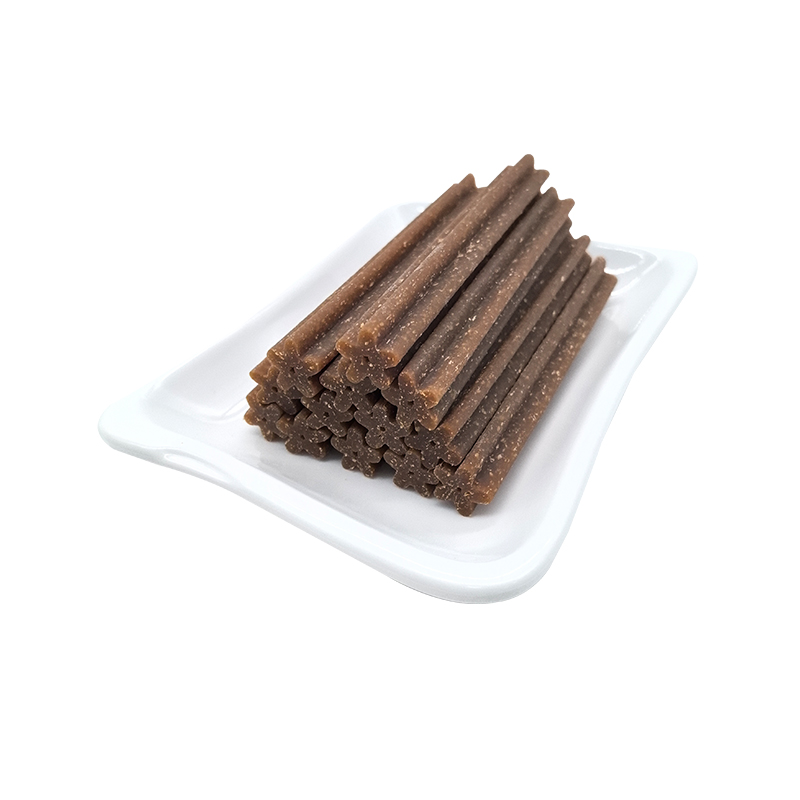
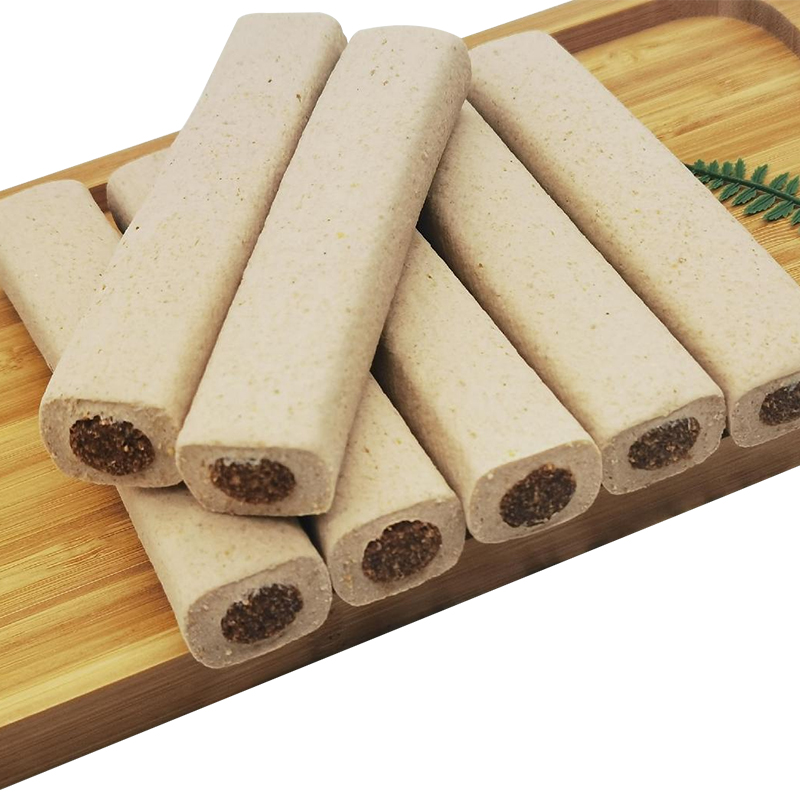
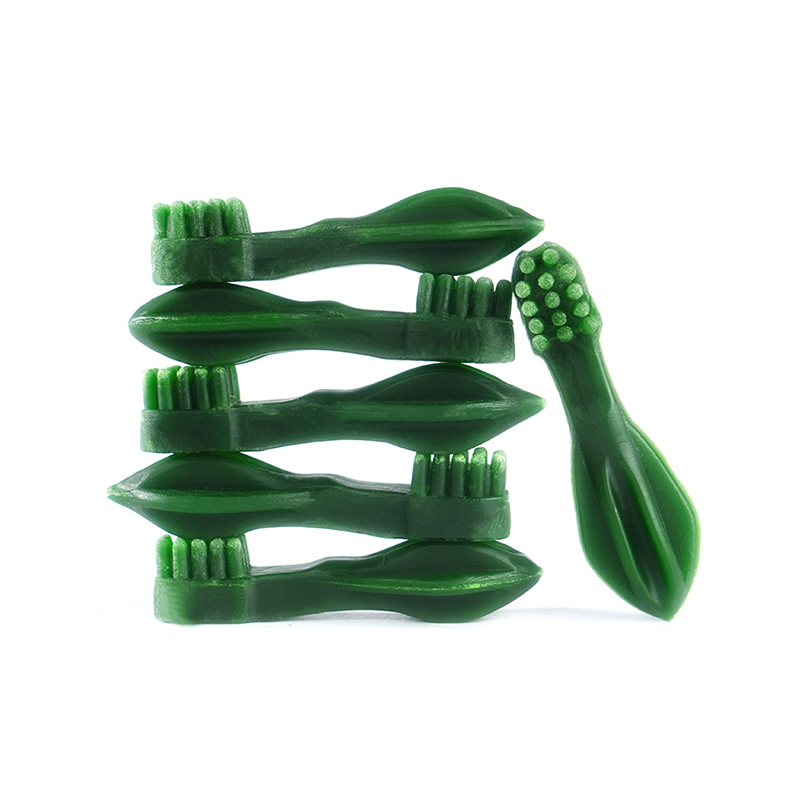
Combining production and R&D, the company's core business focuses on the development and production of pet treats and chews

. Through rigorous quality control and in-depth research into pet nutritional needs, the company provides safe, high-quality pet food to the market, earning a strong reputation within the industry over the years.
View More
  • 0

    Industry Experience

  • 0+

    Service Dealers

  • 0+

    Offline Stores

  • 0+

    Product Patents

Natural care

Provide better food for pets

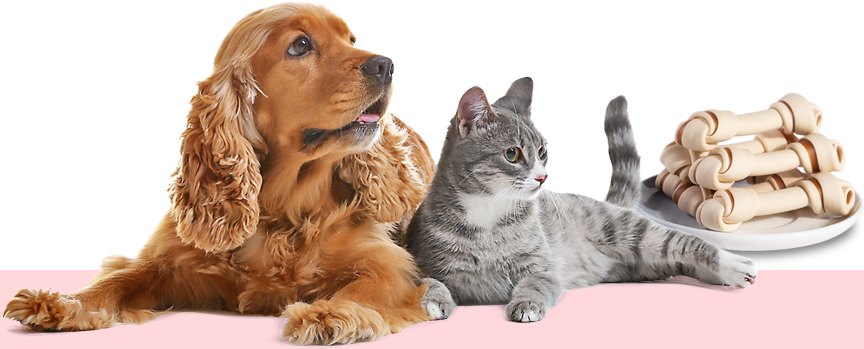
The core advantages of pet chews are "natural and edible ingredients, chewable taste that does not hurt teeth, and added nutrients"; pet snacks are characterized by "no preservatives, no artificial colors, and rich taste."

View More

Lishui Tengyu Pet Food Co., Ltd. Lishui Tengyu Pet Food Co., Ltd.

FREQUENTLY ASKED QUESTIONS
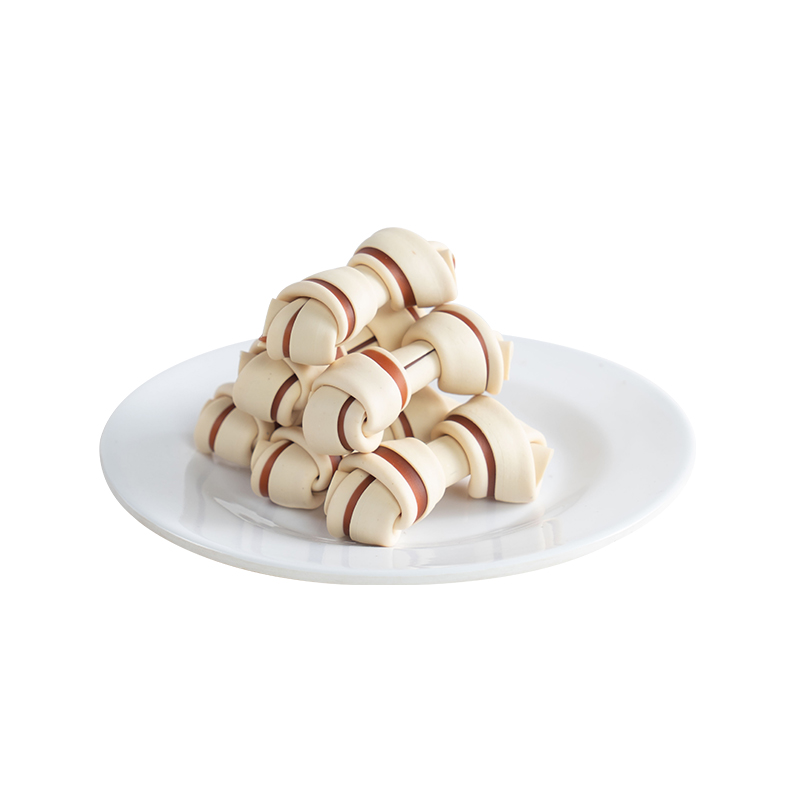
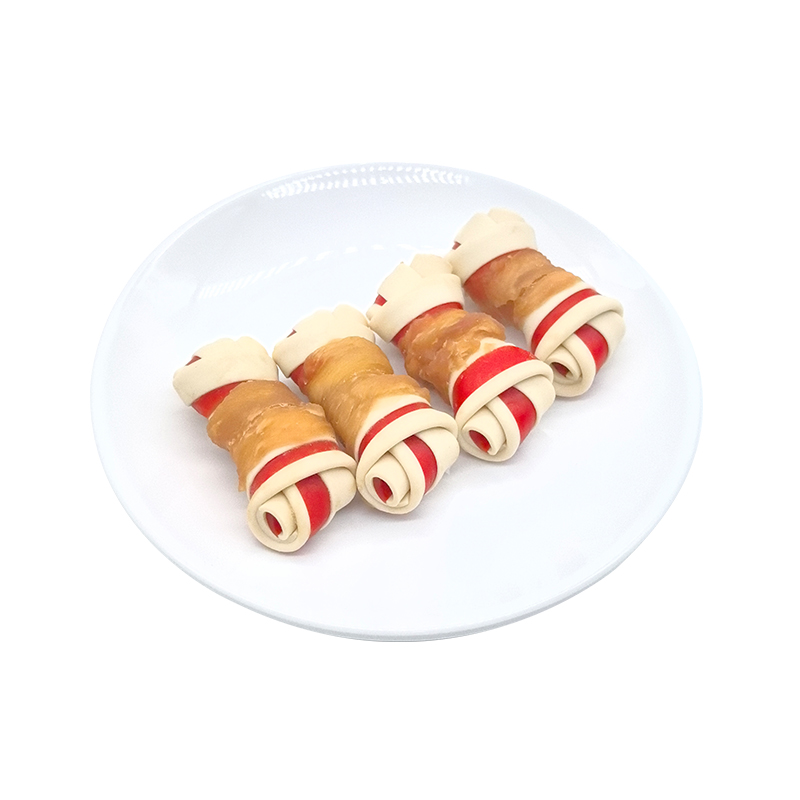
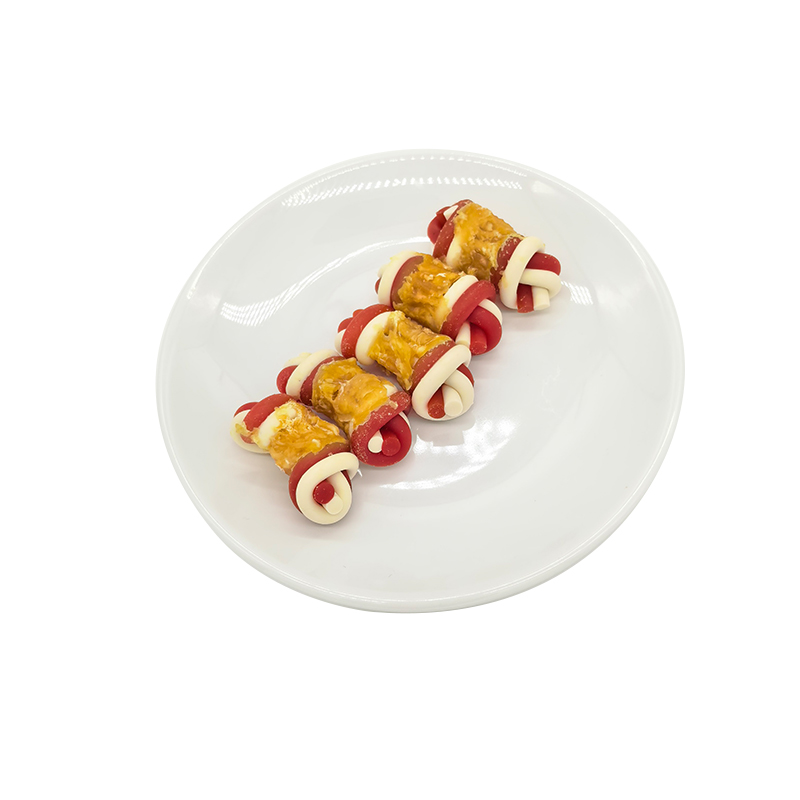
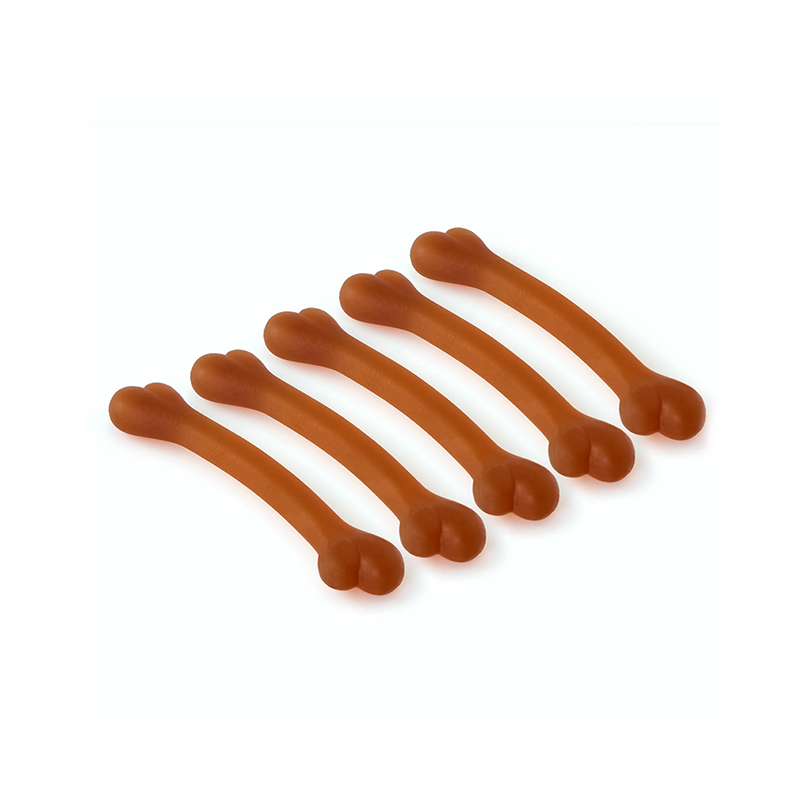
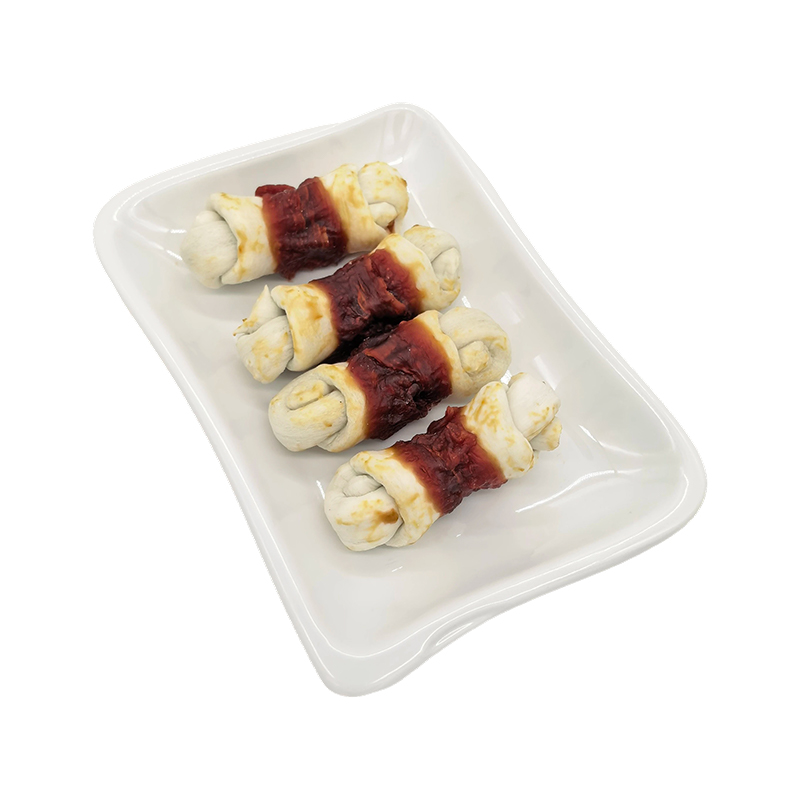
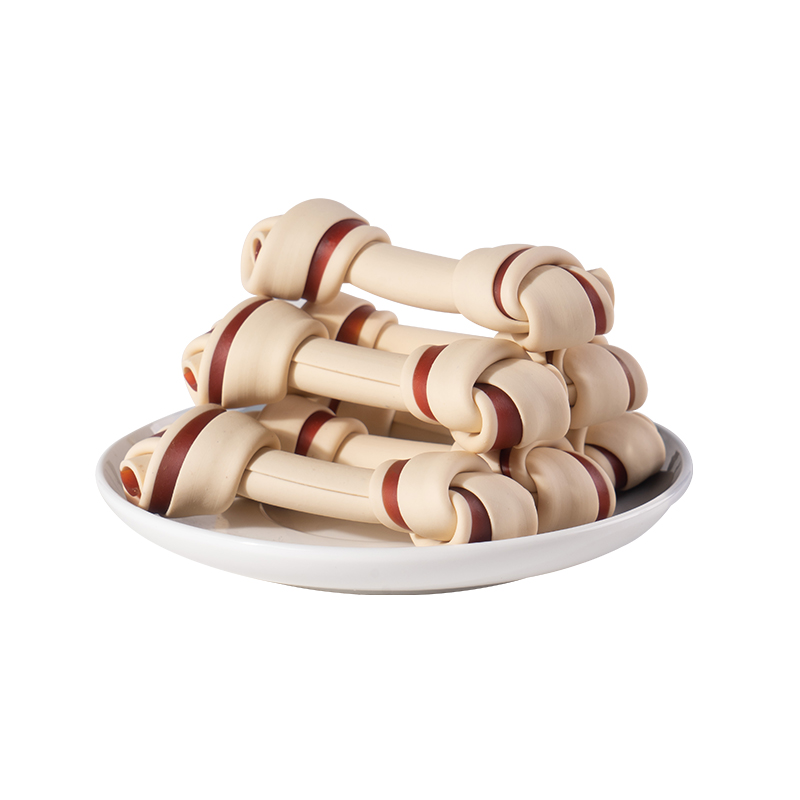
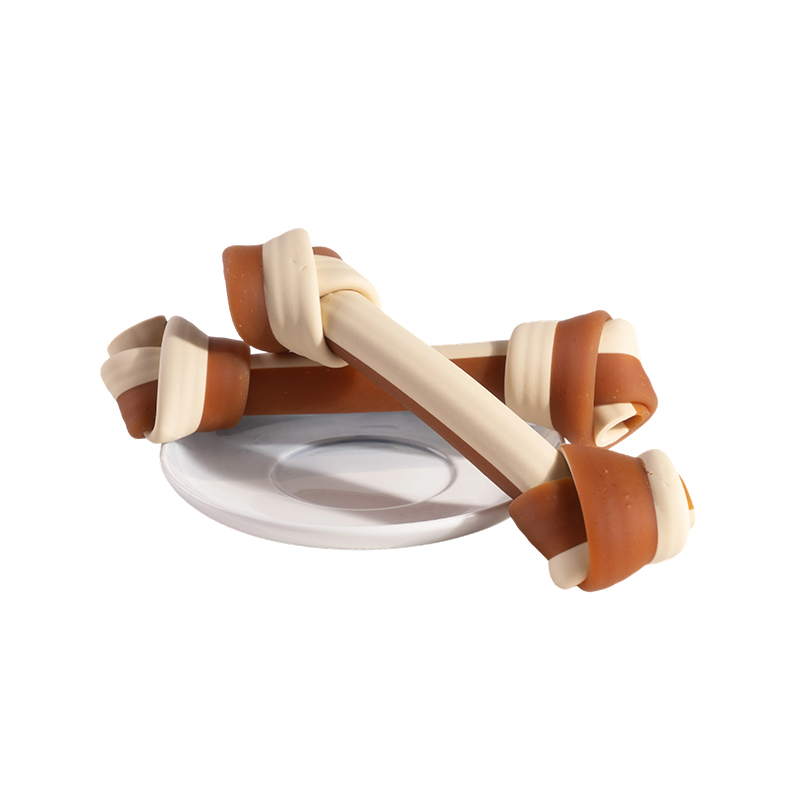
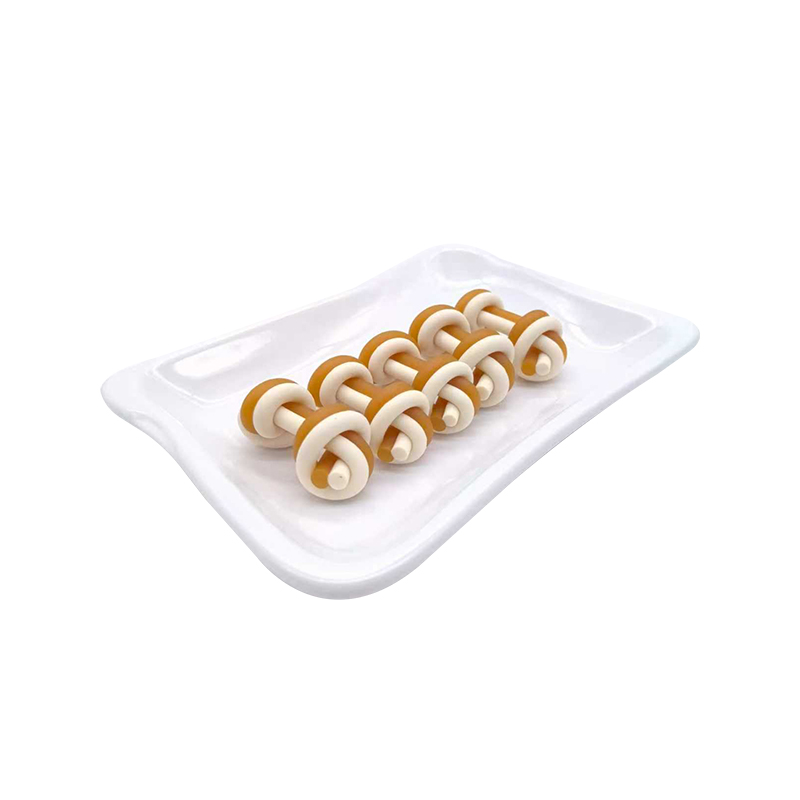
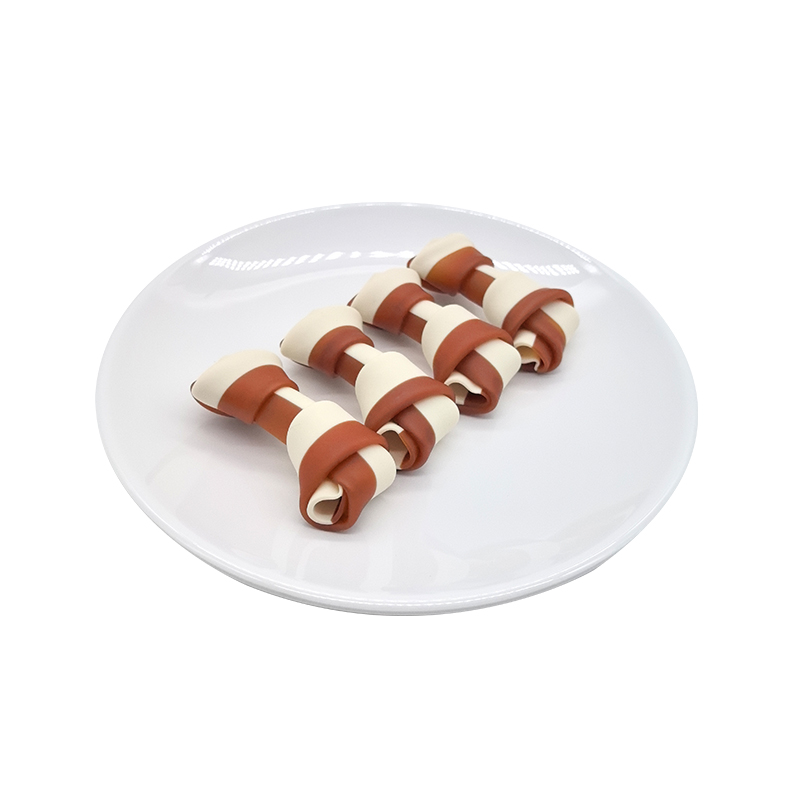
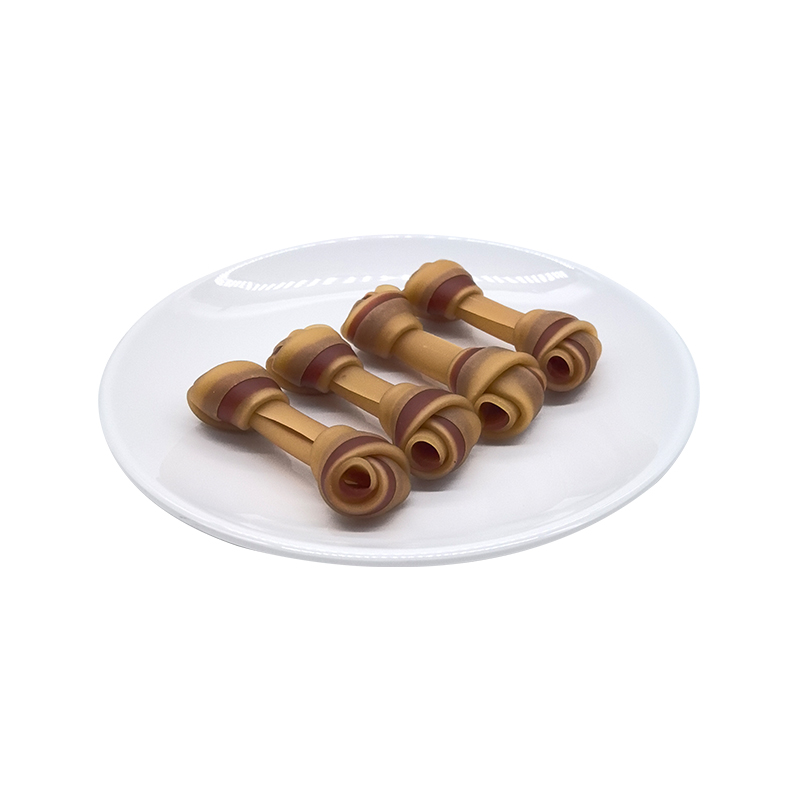
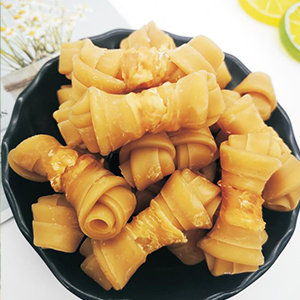
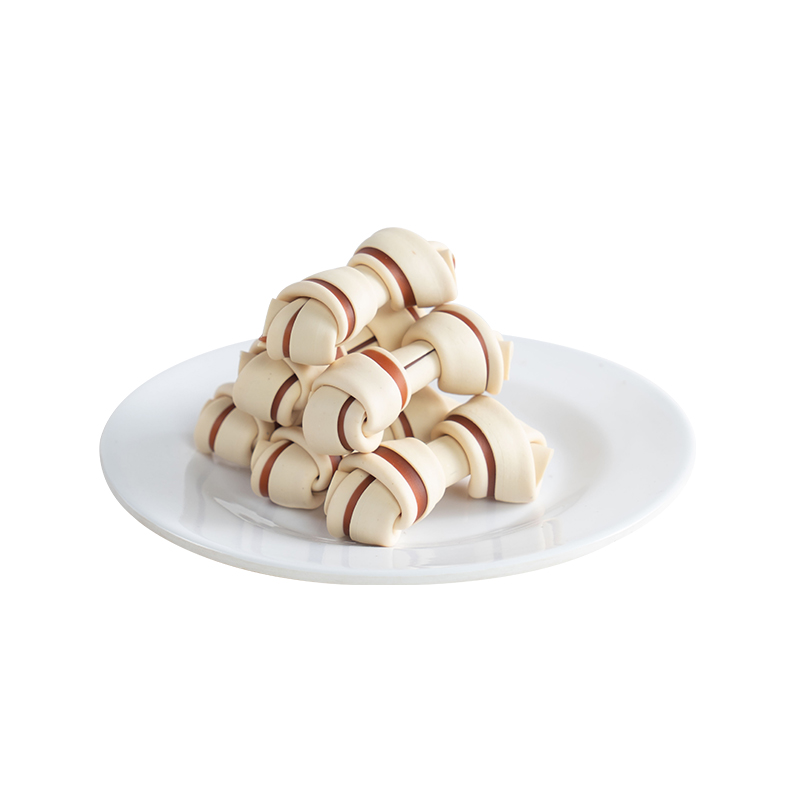
Dog Teeth Cleaning Double Knotted Bone Treats 3-3.5
  • Are you a factory or a trading company?

    Lishui Tengyu Pet Food Co., Ltd.
    We are a pet treat manufacturer with over 20 years of experience in this field.
  • How can I get a sample?

    Lishui Tengyu Pet Food Co., Ltd.
    We are honored to provide you with free samples. Shipping costs are at your own expense.
  • What customization services do you offer?

    Lishui Tengyu Pet Food Co., Ltd.
    We support custom packaging and logos. Product weight can also be customized if required.
  • What is the minimum order quantity?

    Lishui Tengyu Pet Food Co., Ltd.
    Single-color knotted bones and sticks are available with a minimum order of 50 kg per flavor. Double-color knotted bones, meat wraps, and filled chew sticks are also available with a minimum order of 100 kg per flavor.
  • How long does production take?

    Lishui Tengyu Pet Food Co., Ltd.
    Production is usually arranged after receiving your advance payment. It usually takes 30 business days. For more complex customizations, it may take 35-45 days.
  • What are your payment methods?

    Lishui Tengyu Pet Food Co., Ltd.
    By Bank transfer. 30% deposit is required, and the remaining 70% needs to be paid before shipment.
Lishui Tengyu Pet Food Co., Ltd.

READ OUR LATEST BLOGS

View All Blogs
  • The main nutrients of pet food
    Sep 26, 2025

    The main nutrients of pet food

    The main nutrients in pet food include the following: ProteinProtein in pet food primarily comes from animal-based ingredients (such as chicken, beef, and fish), providing amino acids necessary for muscle growth and cell repair. For example, high-quality cat food typically contains 22%-26% protein, while dog food often contains higher levels. CarbohydratesGrains such as corn and wheat are the primary source of carbohydrates, providing energy and helping to maintain the food's shape. Some cat foods also include sweet potatoes or potatoes to increase dietary fiber and promote intestinal health. FatAnimal fat (such as chicken fat) and fish oil are the primary sources of fat, providing energy and maintaining skin health. The crude fat content in dog food is typically 4%-12%. Omega-3 fatty acids in cat food are particularly important for vision and heart health. Minerals and VitaminsMinerals such as calcium (1.0%) and phosphorus (0.85%) are crucial for bone development. Vitamins like A and D are involved in vision, immunity, and calcium metabolism. Dogs and cats require special attention to the calcium-to-phosphorus ratio, and young pets should also be supplemented with vitamin D3 for improved absorption. ‌ Fiber and WaterCrude fiber (2.8%-6.3%) aids digestion, while water content varies depending on the type of food (approximately 10% for dry food and 70%-80% for wet food). ‌

    Read More
  • What is the function of pet chews?
    Sep 26, 2025

    What is the function of pet chews?

    Pet chews are primarily used to clean teeth, relieve teething discomfort, satisfy chewing instincts, and serve as training rewards. Cleaning TeethThe chewing action reduces plaque and tartar buildup, preventing bad breath and periodontal disease. Relieves Teething DiscomfortUsing chews during teething in puppies can alleviate gum itching and pain, helping them transition smoothly through the teething process. Satisfying Chewing InstinctsSupports chewing needs during periods of lack of exercise or anxiety, helping to burn off excess energy. Training AidsCan be used as training rewards to reinforce behavior and enhance training effectiveness.

    Read More
  • Advantages of Tengyu's dental chew series products
    Sep 26, 2025

    Advantages of Tengyu's dental chew series products

    Dental chews for pets serve as an effective oral care solution, with key advantages spanning ingredient safety, functional performance, and adaptability. Their core strength lies in balancing safety and functionality, leveraging natural, easily digestible ingredients to minimize health risks while providing the appropriate hardness, texture, and palatability to support teeth cleaning, dental protection, and fresh breath. These chews are especially suitable for pet owners who prioritize food safety and gentle oral care.1. Made from natural, safe ingredients that are easily digestible, reducing health risks.2. Gentle on teeth, suitable for pets of all ages.3. Enhanced teeth-cleaning effect while maintaining fresh breath.4. Highly palatable, encouraging pets’ active participation in oral care.5. Environmentally friendly and biodegradable, aligning with green market demands.

    Read More
  • Natural Knotted Bone Dog Chews: A Growing Trend in Healthy Pet Care
    Nov 21, 2025

    Natural Knotted Bone Dog Chews: A Growing Trend in Healthy Pet Care

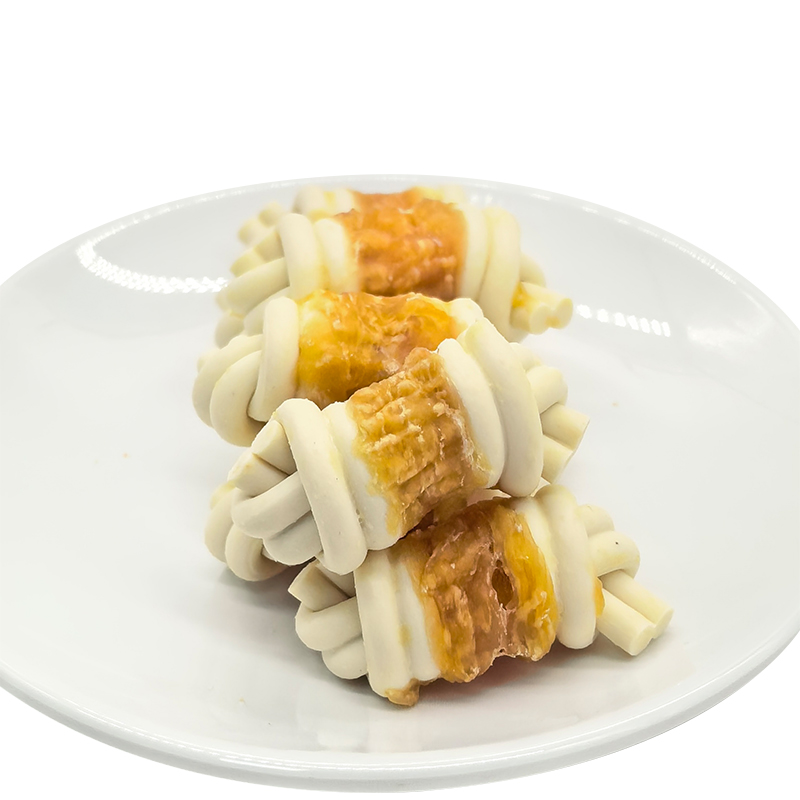
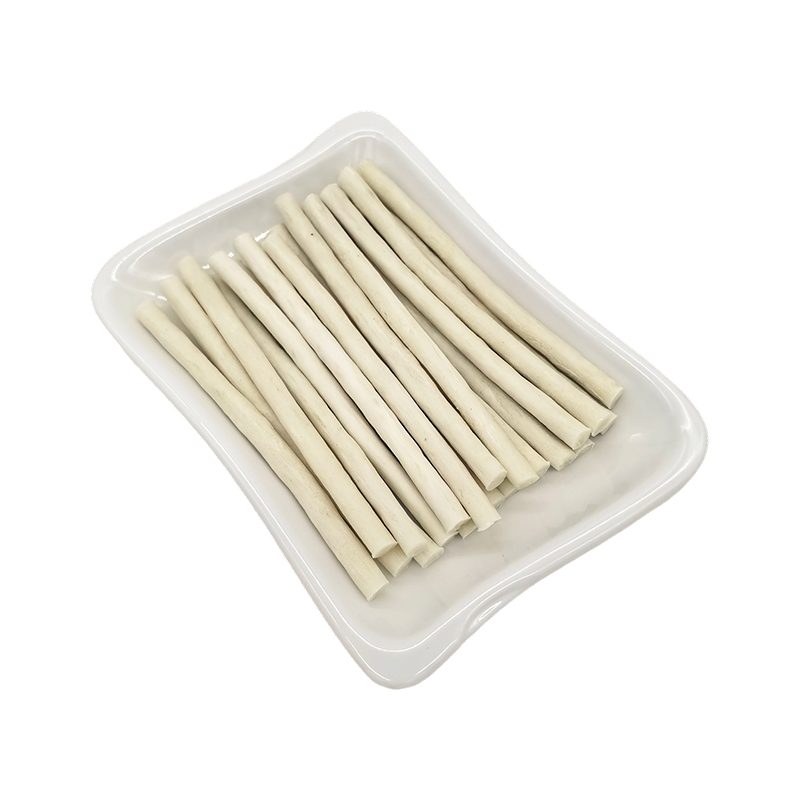
    Pet owners have shown increasing interest in natural and functional treats that support a dog’s overall health. Among these options, Natural Knotted Bone Dog Chews have emerged as a popular choice. These chews combine long-lasting entertainment, dental benefits, and natural ingredients, making them an appealing addition to a dog’s daily routine. What Are Natural Knotted Bone Dog Chews? Natural knotted bone dog chews are crafted from minimally processed ingredients and designed in a distinctive knotted shape. The knot not only adds visual interest but also provides a textured surface that encourages prolonged chewing. Key Features: Natural ingredients: Often sourced from beef, chicken, or vegetable-based materials Durable design: The knotted structure withstands chewing without breaking easily Dental support: Texture helps reduce plaque and tartar Variety of sizes: Suitable for small, medium, and large breeds Unlike conventional treats, these chews prioritize natural nutrition and functional benefits, appealing to owners who value quality and safety. Benefits of Natural Knotted Bone Chews The knotted design and natural composition of these chews offer multiple advantages: Dental Health: Regular chewing helps scrape plaque and promote gum strength Jaw Exercise: Chewing builds and maintains jaw muscles Stress Relief: Dogs naturally chew to relieve anxiety or boredom Long-lasting Engagement: The knot design keeps dogs focused for extended periods Digestive Support: Many natural chews include fiber or other gentle ingredients to aid digestion Overall, these chews support both physical and mental wellness in dogs, making them more than just a snack. Types of Natural Knotted Bone Chews Natural knotted bone chews vary depending on their ingredients and intended purpose. Common types include: Type Material Good For Features Rawhide Knotted Bone Natural rawhide Moderate chewers Gentle on teeth, digestible, widely available Beef or Chicken Knotted Bone Dehydrated meat Active chewers High protein, long-lasting, natural flavor Plant-Based Knotted Bone Vegetable protein, sweet potato Sensitive dogs or dietary restrictions Digestible, lower fat, nutritional alternative Organic Knotted Bone Certified organic ingredients Health-conscious owners  Minimally processed, natural nutrients Selecting the right type depends on a dog’s size, chewing strength, and dietary needs. How Knotted Chews Support Dental Health Chewing naturally promotes oral hygiene by providing mechanical cleaning. Natural knotted bone chews help in the following ways: Plaque and Tartar Reduction: The textured surface scrapes buildup during chewing Gum Stimulation: Chewing encourages healthy blood flow and strengthens gums Breath Maintenance: Certain natural herbs or ingredients help reduce odor These benefits make knotted bone chews a complementary addition to regular brushing or veterinary dental care. Nutritional Benefits of Natural Knotted Bone Chews Natural knotted bones can contribute to a balanced diet while providing functional benefits: Nutrient Typical Range Benefits Protein 20–35% Supports muscle development and energy Fat 2–10% Provides sustainable energy Fiber 2–5% Supports digestion and gut health Minerals Calcium, phosphorus Supports strong teeth and bones Choosing chews with balanced nutrition ensures dogs receive both enjoyment and health benefits. Choosing the Right Knotted Bone for Your Dog Several factors should guide the selection of a knotted bone: 1. Size Small dogs: Small knots to prevent choking Medium dogs: Medium-sized knots for balanced chewing Large dogs: Large, durable knotted bones for strong jaws 2. Material Rawhide: Gentle for moderate chewers Dehydrated meat: High protein for active dogs Plant-based or organic: Ideal for dietary sensitivities 3. Chewing Strength Gentle chewers: Softer knotted bones Aggressive chewers: Durable options resistant to breakage 4. Health Considerations Check ingredients for potential allergies Avoid artificial additives or preservatives Supervise initial chewing sessions to ensure safety How to Introduce Knotted Bone Chews Gradually introducing natural knotted bone chews helps prevent digestive issues and encourages safe chewing habits: Start with a small piece to assess interest and tolerance Monitor the dog during the one session Increase duration and frequency gradually Ensure access to fresh water This careful approach ensures that dogs enjoy the chew safely while reaping dental and mental benefits. Training and Reward Benefits Knotted bone chews are also effective tools for training and positive reinforcement. Their appealing texture and natural flavor can: Motivate dogs during learning sessions Encourage calm chewing and focus Provide rewards without relying on calorie-dense soft treats Using these chews strategically supports both behavioral training and healthy snacking. Safety Tips for Knotted Bone Chews Even natural chews require mindful use: Supervise Chewing: Prevent choking or ingestion of large pieces Match Size to Dog: Large knots for big dogs, small knots for puppies Monitor Wear: Discard bones that splinter or wear down excessively Check Ingredients: Ensure no artificial chemicals or harmful additives Following these guidelines helps maintain a safe and enjoyable chewing experience. Common Questions About Natural Knotted Bone Chews Q1: Are knotted bones safe for puppies? Yes, but choose smaller, softer options suitable for developing teeth. Q2: How often should dogs have knotted bone chews? Moderation is key. Depending on size and chewing habits, a few times per week or daily small sessions are sufficient. Q3: Can knotted bones replace meals? No, they are supplements, not substitutes. Knotted bones provide chewing, dental, and nutritional benefits but should complement a balanced diet. Storing and Maintaining Knotted Bone Chews Proper storage preserves freshness and safety: Store in a cool, dry place to avoid moisture buildup Keep away from direct sunlight to prevent deterioration Check chews regularly for signs of excessive wear Discard any chews with cracks, splinters, or mold Good storage practices ensure chews remain safe and enjoyable for dogs. Benefits Summary Table Benefit How Knotted Bones Help Dental Health Mechanical cleaning and gum stimulation Jaw Strength Chewing strengthens muscles Stress Relief Reduces boredom and anxiety Long-lasting Engagement Maintains focus and prevents destructive behavior Nutritional Support Protein, fiber, and minerals for overall wellness Conclusion Natural Knotted Bone Dog Chews have become an important part of modern pet care, combining nutrition, dental support, and engaging chewing experiences. From promoting healthy teeth and gums to providing mental stimulation, these chews offer multiple advantages, making them a versatile and natural choice for daily dog care.

    Read More
  • Meat-Based Dog Treats: Delicious and Nutritious Chews for Dogs
    Nov 21, 2025

    Meat-Based Dog Treats: Delicious and Nutritious Chews for Dogs

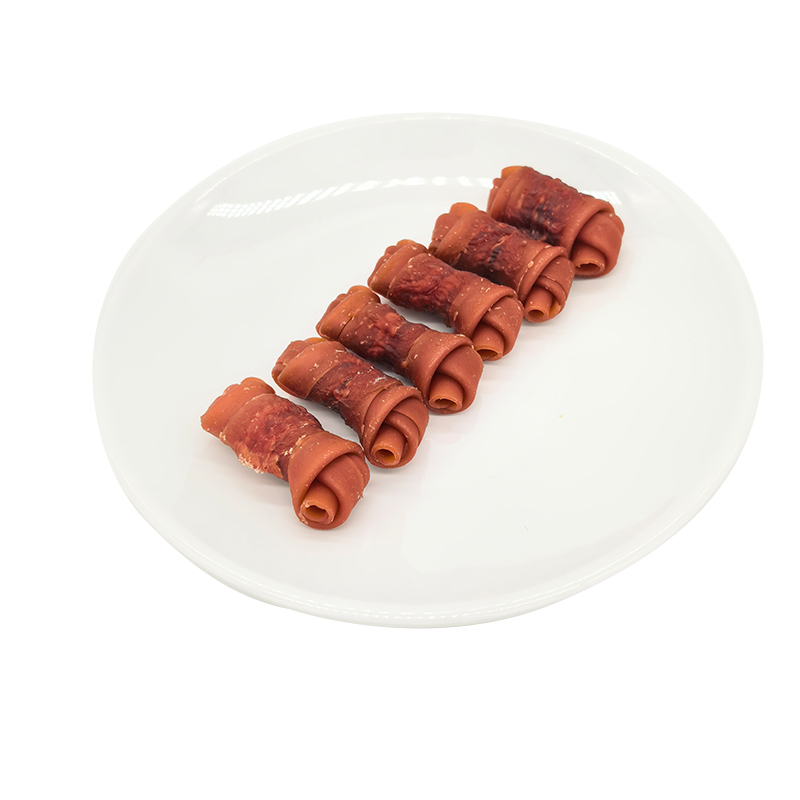
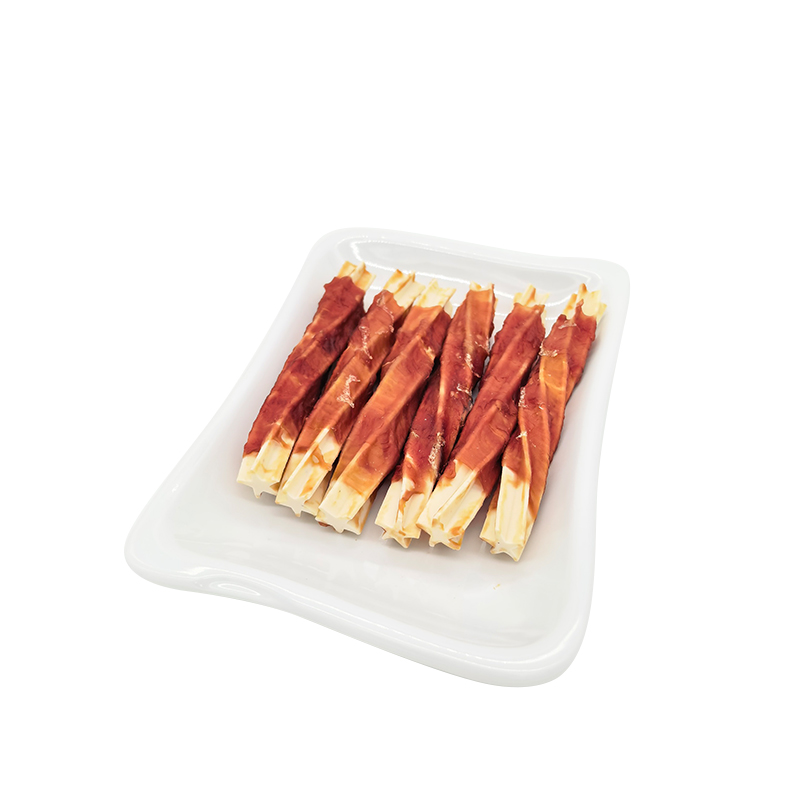
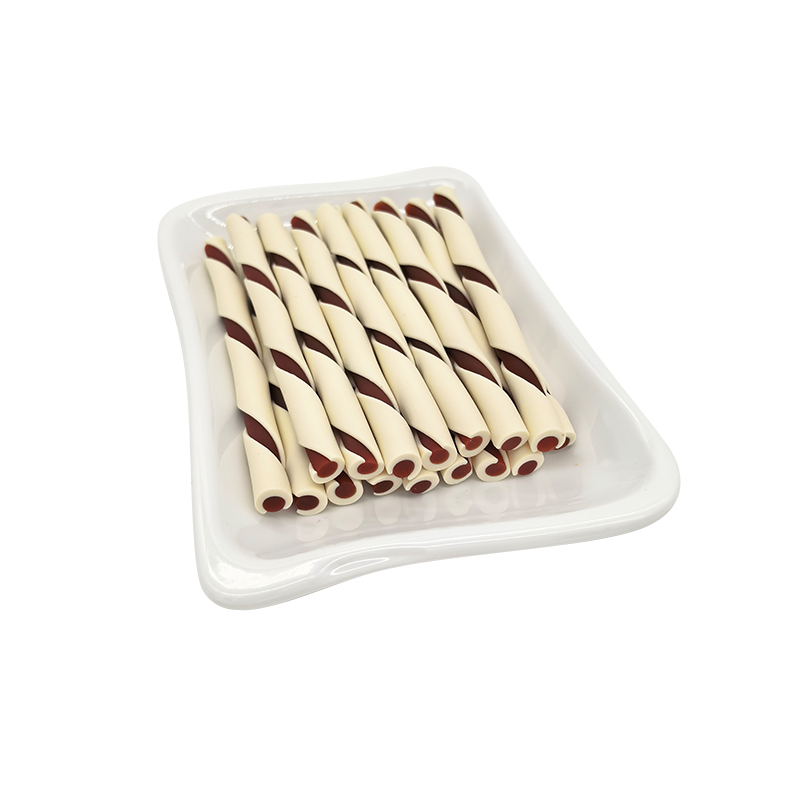
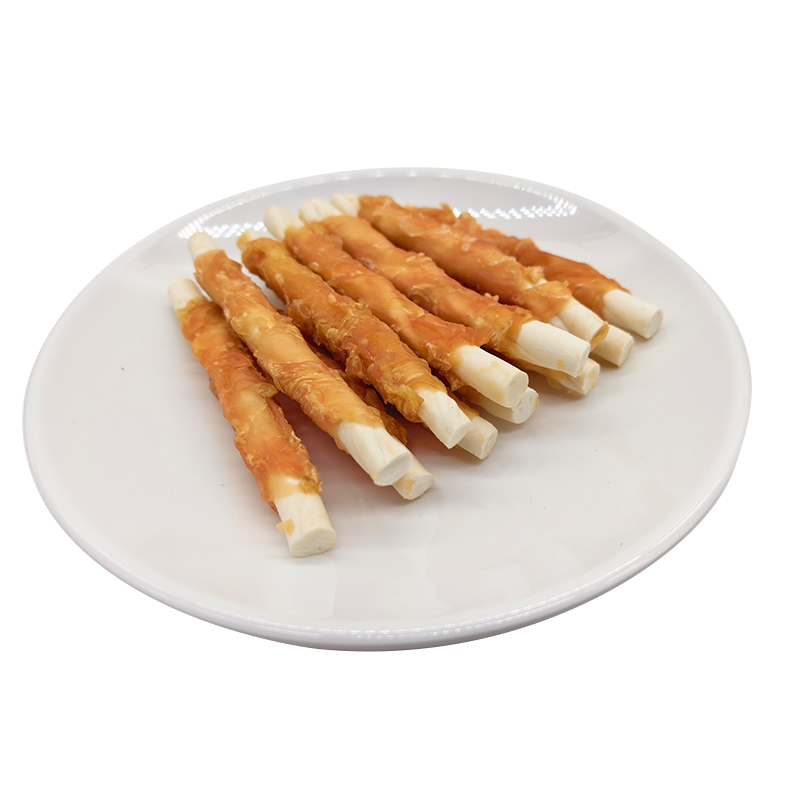
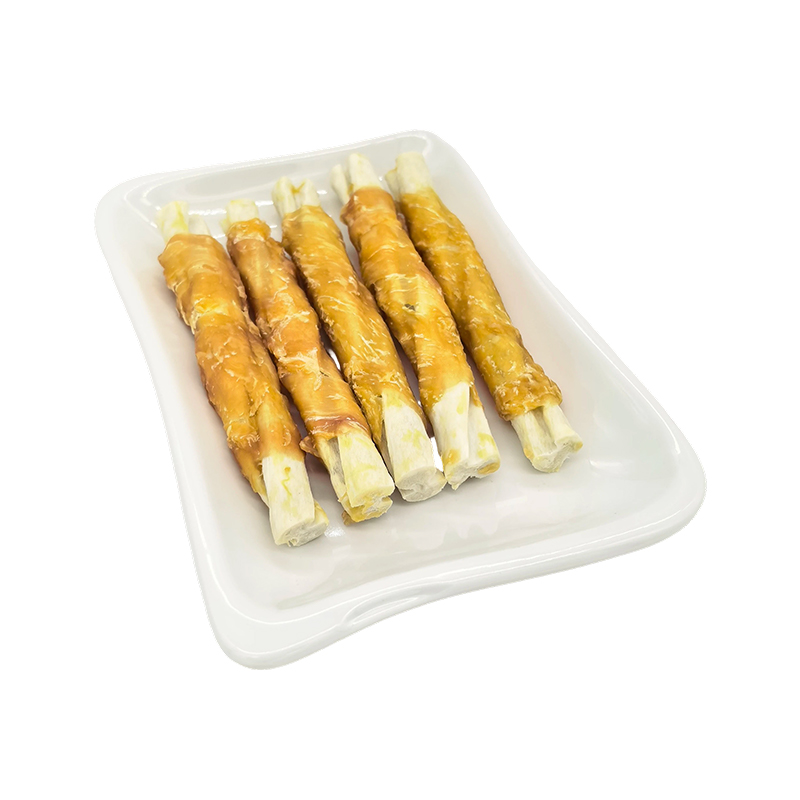
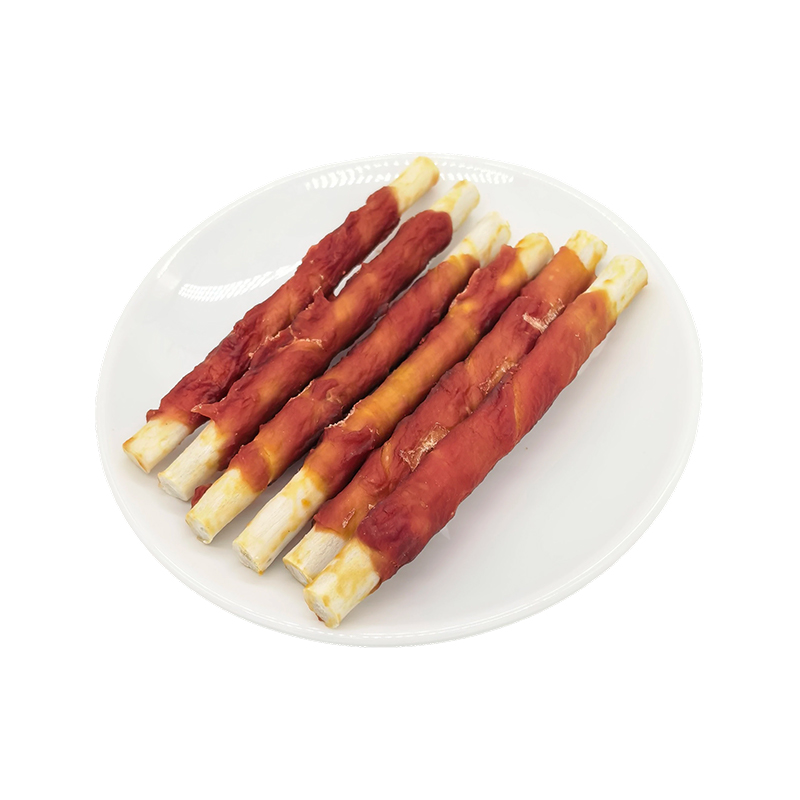
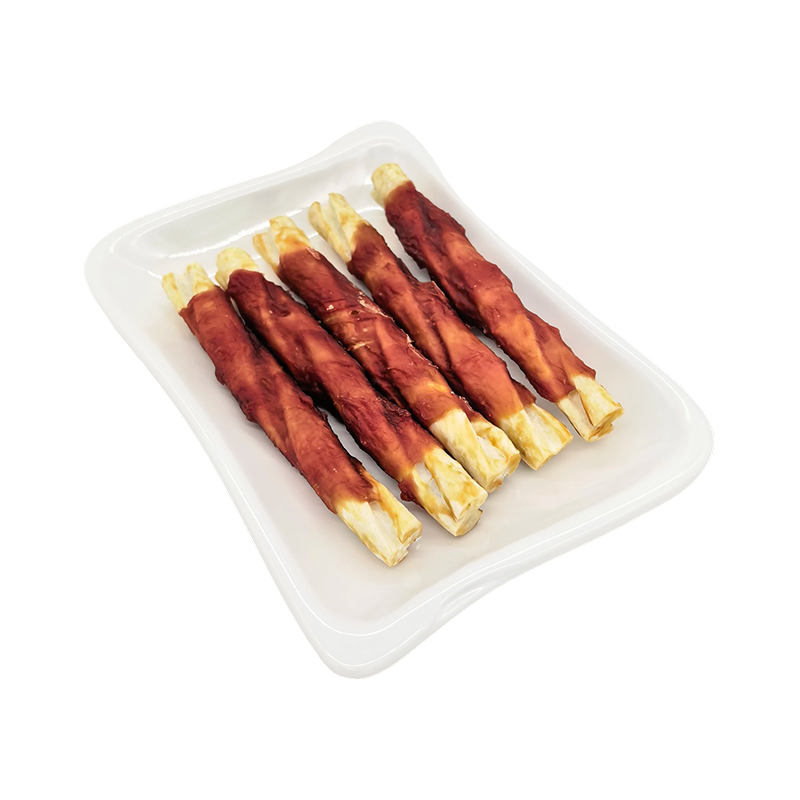
    Meat-based dog treats are becoming increasingly popular among dog owners who want to provide snacks that are both tasty and nutritionally beneficial. Products such as Meat Roll Dog Treats, Dog Treats With Meat Wrap, and Chewy Meat Twist offer a variety of flavors and textures, making them ideal for training, rewarding, or simply keeping dogs engaged. These treats are designed to provide protein, support dental health, and satisfy natural chewing instincts. What Are Meat-Based Dog Treats? Meat-based dog treats are snacks that feature meat as the main ingredient, often combined with other natural elements for flavor, texture, and nutritional value. Key Features: High protein content: Supports muscle development and energy Variety of textures: From chewy twists to rolled or wrapped designs Long-lasting chews: Keep dogs occupied for extended periods Nutritionally balanced: Often fortified with vitamins and minerals These treats provide an engaging chewing experience while offering additional health benefits compared to standard biscuits. Benefits of Meat Roll and Wrapped Dog Treats The combination of flavor, texture, and nutrition makes meat roll treats a good option for dogs: Dental Health: Chewing helps reduce plaque and tartar Protein Boost: Supports lean muscle and overall wellness Boredom Relief: Long-lasting chews prevent destructive behavior Training Aid: Strong flavor and appealing texture encourage learning and positive reinforcement Digestive Support: Some treats include fiber or easily digestible ingredients Incorporating meat-based treats into a dog’s routine can complement their regular diet and promote overall health. Types of Meat-Based Treats Meat Roll Dog Treats These treats are usually cylindrical rolls with meat as the core ingredient. They are soft enough for easy chewing but firm enough to provide a satisfying texture. Dog Treats With Meat Wrap These treats feature a combination of ingredients, often a vegetable or grain core wrapped in a layer of meat, creating both flavor and texture contrast. Chewy Meat Twist Chewy twists are typically spiral-shaped treats with a flexible, chewy consistency. The twisted design engages dogs longer and helps strengthen jaws. Type Texture Main Ingredients Good For Notes Meat Roll Dog Treats Firm but chewable Chicken, beef, or turkey Small to medium dogs Great for daily snacking Dog Treats With Meat Wrap Soft center, meaty exterior Meat wrapped around grain or vegetable All sizes Provides flavor and textural contrast Chewy Meat Twist Flexible and chewy Beef, chicken, or mixed meat Medium to large dogs Long-lasting chew for engagement Nutritional Benefits Meat-based treats provide essential nutrients, particularly protein, which is critical for maintaining muscle and energy. Typical composition: Nutrient Range Benefit Protein 25–40% Supports muscle growth and repair Fat 3–12% Provides sustainable energy Fiber 1–5% Promotes digestive health Moisture 8–15% Maintains chewability and freshness Proper selection ensures that treats complement a balanced diet without exceeding caloric needs. How Meat-Based Chews Support Dental Health Chewing meat-based treats naturally stimulates teeth and gums: Mechanical cleaning: The act of chewing helps remove plaque Gum stimulation: Promotes circulation and gum health Breath support: Some treats include natural flavorings like parsley or mint While they do not replace brushing, these treats are a helpful supplement for maintaining oral health. Choosing the Right Treat for Your Dog Size Small dogs: Mini rolls or thin twists to prevent choking Medium dogs: Standard rolls or wrapped treats Large dogs: Large twists for prolonged chewing Chewing Style Gentle chewers: Softer meat rolls Aggressive chewers: Chewy twists or firm wrapped treats Dietary Considerations Sensitive dogs: Single protein options or easily digestible ingredients Balanced diet: Ensure treats are within 10% of daily caloric intake Introducing Meat-Based Treats To ensure a safe and enjoyable experience: Start with small portions Observe chewing behavior and tolerance Gradually increase size or frequency Provide fresh water during and after chewing This method helps prevent digestive upset and promotes safe chewing habits. Training and Reward Applications Meat-based treats are highly motivating due to their flavor: Rewarding positive behaviors Encouraging focus during training sessions Offering a calming, engaging chew during downtime These treats can be used strategically to reinforce learning and encourage good behavior. Storage and Shelf Life Proper storage maintains freshness and safety: Keep in a cool, dry place Avoid direct sunlight Check for spoilage or texture changes before giving Seal packaging to prevent moisture exposure Well-stored treats last longer and remain safe for dogs to enjoy. Common Questions About Meat-Based Treats Q1: Are these treats safe for puppies? Yes, with appropriate size and softer textures suitable for developing teeth. Q2: Can dogs with allergies eat meat-based treats? Single-protein or plant-based alternatives are available for dogs with sensitivities. Q3: How often should meat-based treats be given? Moderate portions daily or a few times per week are usually sufficient. Portion control is important to maintain caloric balance. Benefits Summary Table Benefit How Meat-Based Treats Help Dental Support Chewing reduces plaque and stimulates gums Protein Boost Supports muscles and energy Long-Lasting Engagement Keeps dogs occupied and reduces boredom Training Aid Encourages positive reinforcement Digestive Support Fiber and digestible ingredients improve gut health 12. Conclusion Meat Roll Dog Treats, Dog Treats With Meat Wrap, and Chewy Meat Twist provide dogs with satisfying, engaging, and nutritionally supportive snacks. These treats are more than flavorful snacks—they are functional tools that promote overall wellness and contribute to a dog’s daily care routine. For owners seeking safe and effective ways to reward and engage their pets, meat-based treats remain a versatile and valuable choice.

    Read More
  • Durable Dog Chewing Treats: Long-Lasting and Healthy Snacks for Dogs
    Nov 21, 2025

    Durable Dog Chewing Treats: Long-Lasting and Healthy Snacks for Dogs

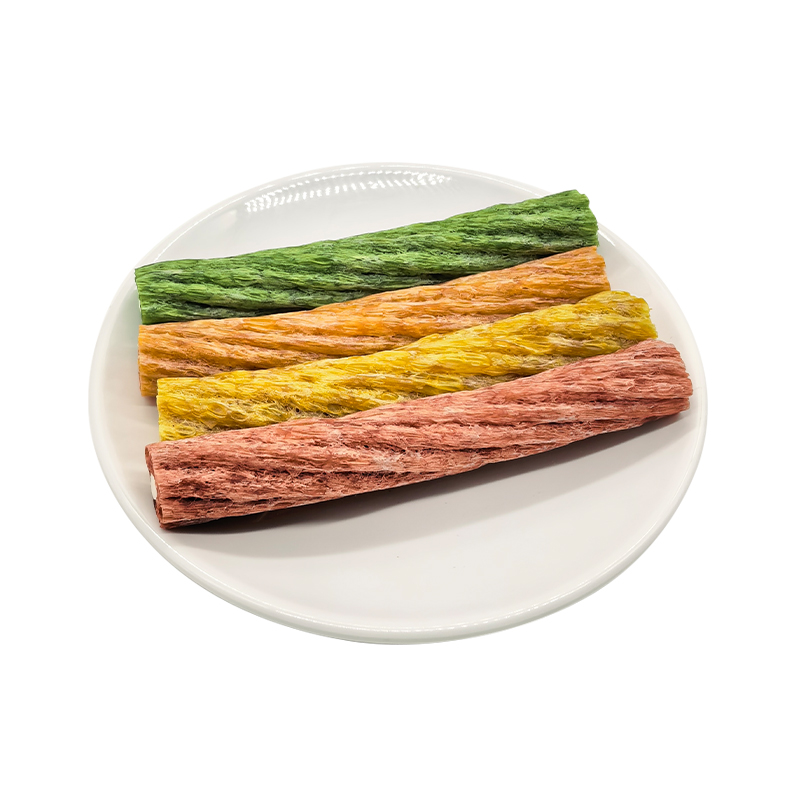
    Providing dogs with treats that are both enjoyable and functional has become an essential part of modern pet care. Durable Dog Chewing Treats are designed to withstand prolonged chewing while supporting dental health, providing nutrition, and engaging dogs mentally. These treats have gained popularity among pet owners who value both safety and long-lasting entertainment. What Are Durable Dog Chewing Treats? Durable dog chewing treats are specially designed snacks that resist quick breakage and maintain their shape during prolonged chewing sessions. They are typically made from natural, safe ingredients, sometimes combined with reinforced textures or shapes that encourage chewing without splintering. Key Features: Long-lasting design: Maintains shape even during extended chewing Dental support: Textured surfaces help reduce plaque and tartar Nutritional value: Often high in protein, fiber, or fortified with essential nutrients Variety of sizes: Suitable for small, medium, and large dogs These treats are ideal for dogs that enjoy chewing or require mental stimulation while providing functional benefits. Benefits of Durable Chewing Treats Durable chewing treats offer a combination of health, entertainment, and training benefits: Dental Health: Chewing action helps scrape plaque and stimulate gums Jaw Strength: Engaging in prolonged chewing exercises jaw muscles Mental Stimulation: Keeps dogs focused and reduces boredom-related behaviors Stress Relief: Chewing can help calm dogs and reduce anxiety Nutritional Support: Many durable treats contain protein, fiber, or other essential nutrients Regular use of durable treats can complement a dog’s diet and daily activity routine. Types of Durable Dog Chewing Treats Durable dog treats come in various types depending on material, texture, and design. Type Material Texture Good For Notes Rawhide Chews Natural rawhide Firm Moderate chewers Digestible, gentle on teeth Nylon or Synthetic Chews Durable nylon Hard Aggressive chewers Long-lasting, ideal for heavy chewers Natural Meat-Based Chews Dehydrated meat Chewy Small to medium dogs High protein, flavorful Knotted or Twisted Chews Rawhide or plant-based Textured All sizes Promotes dental cleaning and engagement Organic or Plant-Based Durable Treats Organic grains, vegetables Firm-chewy Sensitive dogs Minimally processed, natural ingredients Selecting the right type depends on chewing strength, size, and dietary requirements. How Durable Chews Support Dental Health Chewing naturally supports oral hygiene. Durable dog treats help in several ways: Plaque and Tartar Reduction: The firm and textured surface scrapes teeth Gum Stimulation: Chewing increases blood flow to gums and maintains oral tissue health Breath Maintenance: Some treats include natural flavorings such as parsley for fresher breath While these treats are not a replacement for brushing, they can support a regular dental routine. Nutritional Considerations Durable dog treats can provide additional nutrients, particularly protein, which supports muscle health. Typical nutritional composition: Nutrient Range Benefit Protein 20–35% Supports muscle growth and maintenance Fat 2–10% Provides sustainable energy Fiber 2–5% Supports digestion and gut health Minerals Calcium, phosphorus Supports strong teeth and bones Moderate use ensures these treats complement a balanced diet without exceeding daily calorie intake. Choosing the Right Durable Treat for Your Dog Size Small dogs: Small or mini chews to prevent choking Medium dogs: Standard chews for regular chewing Large dogs: Large, reinforced chews for heavy chewers Chewing Strength Gentle chewers: Softer durable treats Aggressive chewers: Harder or nylon-based chews Dietary Needs Sensitive dogs: Hypoallergenic or plant-based options Balanced diet: Ensure treats remain below 10% of daily calories Proper selection ensures safety, enjoyment, and functional benefits. Introducing Durable Chews Safely Gradual introduction helps dogs adjust to new textures and reduces the risk of digestive issues: Offer a small portion initially Monitor chewing behavior and tolerance Provide fresh water during and after chewing Gradually increase duration as the dog becomes accustomed This method promotes safe and effective use of durable treats. Training and Behavioral Benefits Durable chewing treats are effective tools for training and behavioral management: Rewarding positive behaviors with a long-lasting chew Encouraging focus and calmness during stressful situations Providing mental stimulation when dogs are alone By strategically using durable chews, owners can reinforce good behavior while keeping dogs engaged. Safety Tips for Durable Chews Even durable treats require supervision and mindful selection: Supervise chewing: Especially for one-time chews or aggressive chewers Match size to dog: Small dogs need appropriately sized chews to avoid choking Check wear and tear: Discard chews that splinter or break Monitor ingestion: Ensure pieces are not swallowed whole Following these tips ensures dogs benefit safely from durable treats. Common Questions About Durable Dog Chewing Treats Q1: Are durable treats safe for puppies? Yes, if soft or appropriately sized for developing teeth. Q2: How often should dogs have durable chews? Moderate portions daily or several times per week are typically sufficient. Q3: Can durable treats replace meals? No, they are supplemental. They provide dental, behavioral, and nutritional benefits but should complement a balanced diet. Storage and Maintenance Proper storage preserves freshness and safety: Store in a cool, dry place Avoid direct sunlight or moisture Seal packaging to maintain texture Discard any chews that show signs of damage or mold Proper storage ensures treats remain safe and enjoyable. Benefits Summary Table Benefit How Durable Chews Help Dental Health Mechanical cleaning of teeth and gums Jaw Strength Exercises jaw muscles through chewing Mental Stimulation Keeps dogs engaged and reduces boredom Stress Relief Provides calming activity Nutritional Support Protein, fiber, and minerals for overall health Conclusion Durable Dog Chewing Treats provide dogs with long-lasting, engaging, and nutritionally supportive snacking options. These treats are more than simple rewards—they are functional tools that contribute to a dog’s daily care and overall well-being.

    Read More
  • Dry Jerky Treats and Jerky Chew Strips: Nutritious and Engaging Snacks for Dogs
    Nov 21, 2025

    Dry Jerky Treats and Jerky Chew Strips: Nutritious and Engaging Snacks for Dogs

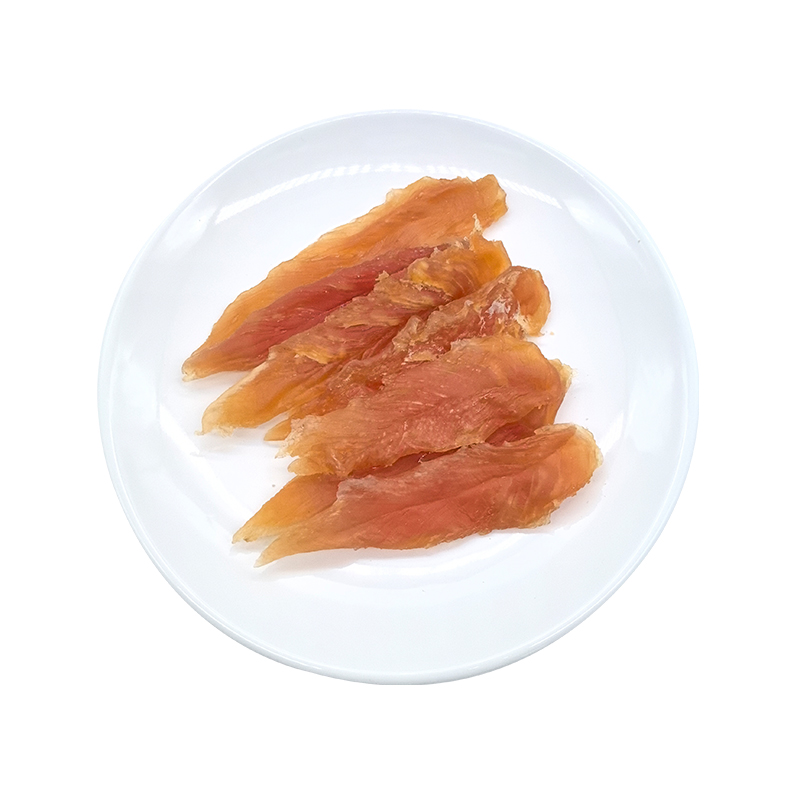
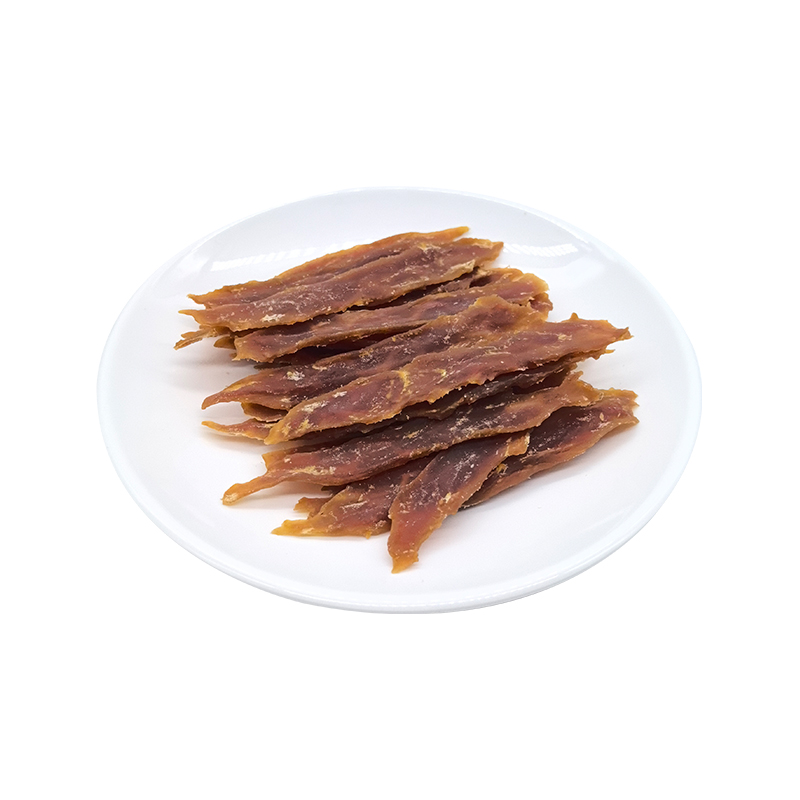
    Dry jerky treats and jerky chew strips have become a popular choice among dog owners seeking snacks that combine taste, nutrition, and long-lasting engagement. Designed to provide a satisfying chewing experience, these treats can support dental health, deliver high protein, and keep dogs mentally stimulated. What Are Dry Jerky Treats and Jerky Chew Strips? Dry jerky treats are dehydrated or baked strips of meat, while jerky chew strips are typically thinner, flexible, and designed for prolonged chewing. Both types prioritize natural flavors and long-lasting texture. Key Features: High protein content: Supports muscle growth and energy Chewy texture: Encourages prolonged chewing for mental engagement Low moisture: Reduces spoilage and enhances shelf life Variety of flavors: Chicken, beef, turkey, and other protein sources These treats are suitable for a wide range of dogs, from puppies to adults, and can be used as training rewards, dental aids, or occasional snacks. Benefits of Dry Jerky Treats and Chew Strips Dry jerky treats and jerky chew strips provide multiple health and behavioral benefits: Dental Support: Chewing helps reduce plaque and tartar Protein Boost: Supplies essential amino acids for muscle maintenance Boredom Reduction: Engages dogs and reduces destructive behaviors Training Motivation: Highly flavorful, making them ideal rewards Digestive Support: Some options contain added fiber or are easy to digest These benefits make jerky treats more than a simple snack—they are functional tools that contribute to overall wellness. Types of Dry Jerky Treats and Chew Strips There are several types of jerky-based treats depending on protein source, texture, and processing method: Type Protein Source Texture Ideal For Notes Dry Jerky Strips Chicken, beef, turkey Firm and chewy Small to medium dogs Long-lasting snack, suitable for daily rewards Jerky Chew Strips Flexible meat strips Chewy and twistable Medium to large dogs Provides prolonged engagement and jaw exercise Fish Jerky Salmon, cod, whitefish Chewy Dogs needing Omega-3 support Supports coat and skin health Plant-Based Jerky Soy, lentil, pea protein Chewy Dogs with sensitivities Balanced protein alternative for dietary restrictions Mixed Protein Jerky Beef, chicken, turkey blends Chewy All sizes Variety of flavors, highly appealing Choosing the right type depends on your dog’s size, chewing habits, and dietary needs. Nutritional Benefits Jerky treats are high in protein and can provide other nutrients depending on ingredients. Typical nutritional composition: Nutrient Range Benefit Protein 25–40% Maintains muscle mass and supports energy Fat 2–12% Provides long-lasting energy Fiber 1–5% Supports healthy digestion Moisture 6–12% Ensures chewability and shelf stability Minerals Calcium, phosphorus Supports dental and bone health Moderation is key to ensure treats complement a balanced diet without exceeding calorie requirements. How Dry Jerky Treats and Chew Strips Support Dental Health Chewing jerky strips provides natural oral care benefits: Plaque Removal: The firm texture scrapes plaque from teeth Gum Stimulation: Encourages healthy blood flow and strengthens gums Breath Improvement: Some treats include natural flavorings that help maintain fresh breath While these treats should not replace regular brushing or professional dental care, they are a helpful supplement for maintaining oral health. Choosing the Right Jerky Treat Size Small dogs: Small strips to prevent choking Medium dogs: Standard jerky strips for moderate chewing Large dogs: Longer, thicker strips for prolonged chewing Protein Source Common options: Chicken, beef, turkey Sensitive dogs: Plant-based or single-protein jerky Chewing Style Gentle chewers: Softer strips or thinner jerky Aggressive chewers: Thicker, firmer strips for long-lasting engagement Dietary Considerations Hypoallergenic options for dogs with food sensitivities Monitor daily calorie intake to prevent overfeeding Introducing Jerky Treats Safely To ensure dogs adjust well and avoid digestive issues: Start with a small piece to observe tolerance Supervise chewing sessions initially Provide fresh water during and after chewing Gradually increase treat size or duration over time This approach promotes safe and enjoyable chewing experiences. Training and Behavioral Benefits Jerky treats are highly motivating for training purposes: Reward positive behavior effectively Encourage focus during learning sessions Reduce anxiety or stress through prolonged chewing Provide mental stimulation when dogs are alone These functional benefits make jerky treats versatile and valuable for both owners and dogs. Safety Tips Even though jerky treats are generally safe: Supervise chewing: Especially for puppies and aggressive chewers Check treat size: Avoid giving strips that are too large Inspect for wear: Discard broken or splintered pieces Store properly: Keep in a cool, dry place away from direct sunlight Following these precautions ensures safe use and enjoyment. Common Questions About Jerky Treats Q1: Are jerky treats suitable for puppies? Yes, select softer, smaller strips appropriate for developing teeth. Q2: How often should dogs have jerky treats? Moderate portions a few times per week or daily small pieces are recommended. Q3: Can jerky treats replace meals? No, they are supplements that provide protein, dental support, and mental stimulation. Storage and Maintenance Proper storage ensures treats remain fresh and safe: Keep in a cool, dry area Seal packaging to prevent moisture and contamination Check for any mold or spoilage before serving Avoid prolonged exposure to heat or sunlight Good storage practices maintain flavor, texture, and nutritional quality. Benefits Summary Table Benefit How Jerky Treats Help Dental Support Chewing reduces plaque and stimulates gums Protein Boost Supports muscle growth and overall energy Long-Lasting Engagement Keeps dogs focused and reduces boredom Training Aid Motivates positive behavior Digestive Support Fiber and easily digestible ingredients Conclusion Dry Jerky Treats and Jerky Chew Strips are versatile, high-protein snacks that provide long-lasting chewing engagement, support dental health, and enhance mental stimulation. They serve as more than just flavorful rewards—they are functional additions that contribute to overall wellness, training, and satisfaction. With mindful use and proper storage, jerky treats remain a convenient, enjoyable, and health-supportive option for dogs of all ages and sizes.

    Read More
  • Knotted Dog Chews: Are They Safe? A Guide for Concerned Pet Parents
    Dec 04, 2025

    Knotted Dog Chews: Are They Safe? A Guide for Concerned Pet Parents

    For many dog owners, the sight of their pet contentedly working on a chew toy is a moment of peace. However, a common question lingers in the back of their minds: are these toys truly safe? Knotted dog chews, popular for their durability and dental benefits, often sit at the center of this concern. This guide addresses the safety considerations surrounding these products, providing a balanced view to help pet owners make informed decisions. Understanding the Design and Purpose Knotted chews are typically crafted from durable synthetic materials or dense fabrics, twisted and knotted into robust shapes. Their primary design goals are to satisfy a dog's natural chewing instinct, promote dental health through mechanical scraping action on the teeth, and provide a long-lasting activity. Recognizing this intent is the starting point for evaluating their role in your dog's life. Evaluating Potential Concerns No chew toy is without considerations, and knotted varieties are no exception. The main points for awareness involve physical risks. Pieces or strands can potentially be chewed off, posing a choking hazard or a risk of internal blockage if swallowed, particularly with more determined chewers or with toys that have become excessively worn. Additionally, very hard materials may not be suitable for dogs with certain dental conditions or those who chew with considerable force. There is also a possibility that some dogs with sensitive stomachs may experience digestive upset if they ingest small fibers or particles. Practical Tips for Safe Use To minimize risks, select chews that match your dog’s size, age, and chewing style. Supervision is recommended while the dog is chewing, particularly for puppies or dogs prone to swallowing large chunks. Rawhide-free or natural alternatives may be a safer choice for some dogs, reducing the risk of digestive upset. Regularly inspecting the chew for small or loose pieces is also important to prevent accidents. Recognizing When to Retire a Chew A key component of safety is knowing when a chew has reached the end of its serviceable life. Do not wait for it to fall apart completely. Signs that a knotted dog chew needs replacing include: deep grooves that have been chewed into the material, any pieces that have become detached, a noticeable change in texture or firmness, or if the core of the chew becomes exposed. Regularly rotating chews can also help maintain your dog's interest and distribute wear more evenly. Making an Informed Choice for Your Dog The decision to offer a knotted chew comes down to understanding your individual pet. Consider their size, age, dental health, and chewing behavior. It can be helpful to introduce any new chew gradually during a calm, supervised session. For dogs new to this type of toy, shorter sessions allow you to gauge their reaction and the toy's durability. Combining chew time with other forms of enrichment, like food puzzles or training games, creates a balanced routine that meets various needs. By prioritizing selection, supervision, and routine inspection, pet owners can navigate the use of these popular chews with greater confidence, turning a moment of potential worry into one of safe and satisfying engagement for their canine companion. Knotted dog chews can provide enrichment, entertainment, and dental stimulation for dogs when used responsibly. Understanding the different materials, monitoring your dog during use, and selecting the appropriate size and type can help reduce risks. Pet owners who follow these precautions can enjoy the benefits of knotted chews while keeping their dogs safe and healthy.

    Read More

The latest