Welcome to Lishui Tengyu Pet Food Co., Ltd.
[email protected]

 English
 Español
 Deutsch


Industry News

Industry News
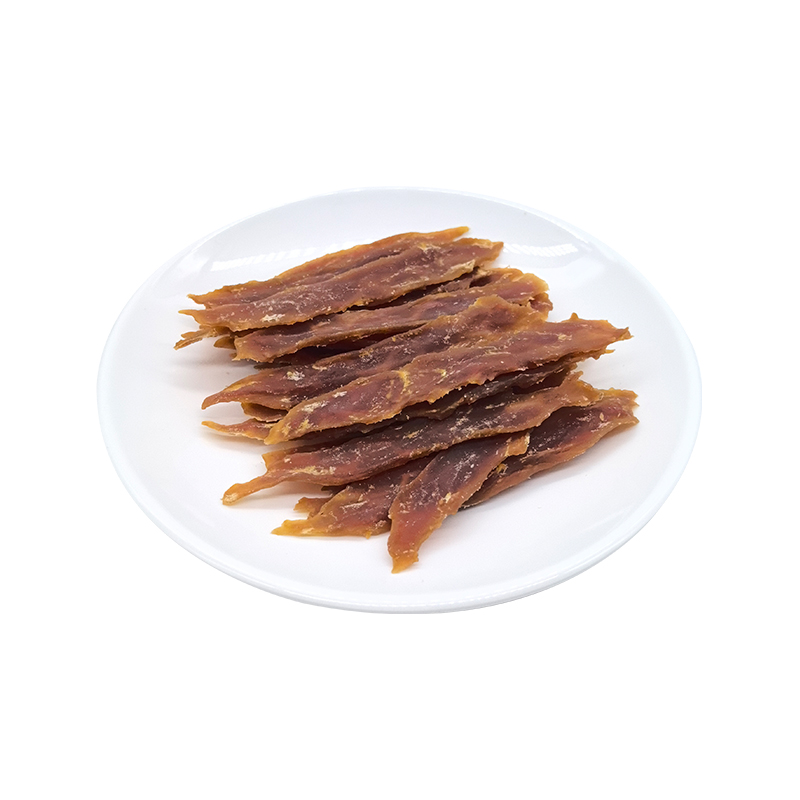
Puppy Jerky Treats: Spotting Safe Ingredients and Red Flags
Puppy Jerky Treats have become a common snack choice among dog owners, offering both flavor and convenience. While these treats are appealing to puppies, not all jerky products are equally safe. Understanding how to identify safe ingredients and recognize potential red flags is essential for ensuring a puppy’s health. By learning to read labels effectively and evaluate ingredients, owners can make informed decisions that support both nutrition and safety. Puppies are particularly sensitive to additives and fillers, which makes vigilance critical when introducing any new treats into their diet.
Recognizing Safe Ingredients
1. Green-Flag Ingredients: What to Look For
Clear, recognizable ingredients typically indicate a thoughtful formulation. A high-quality protein source, such as "deboned chicken" or "duck breast," should be listed first. Natural preservatives like mixed tocopherols (a form of vitamin E) or rosemary extract are used to maintain freshness without synthetic chemicals. A short, simple list where every item is easy to understand is often a positive sign, suggesting the treat is made with a focus on whole-food components rather than a multitude of additives.
2. Red-Flag Ingredients: Signals for Caution
Certain terms on a label can suggest a lower level of quality or potential concerns. Vague meat sources, like "meat by-products" or "animal digest," lack the transparency of named proteins. Several artificial additives have drawn scrutiny from pet health advocates; these can include chemical preservatives such as BHA and BHT, as well as artificial colors. Excessive fillers like corn syrup or added salts, which are unnecessary for a puppy's diet, can also be indicators that the treat is not formulated with optimal nutrition in mind.
3. Yellow-Flag Ingredients: Context is Key
Some ingredients require further consideration based on the overall product. A term like "natural flavors" is permissible but offers little specificity; reputable brands often specify the source. Certain gums or binders, such as guar gum or carrageenan, may be used in small amounts to create texture. While not inherently harmful in moderation, their presence suggests a more processed product, and some owners prefer to avoid them.
Red Flags in Jerky Treats
Certain components in jerky treats may indicate potential risks. Fillers, byproducts, or meat meals can be harder for puppies to digest and often offer limited nutritional value. Excessive salt, spices, or artificial additives can lead to gastrointestinal discomfort, skin irritation, or other health issues. Puppies are particularly sensitive to these ingredients because their digestive systems are still developing. Treats from unknown or unverified sources may not meet safety standards, and the absence of transparent ingredient lists should be considered a warning. Awareness of these red flags helps owners avoid products that could harm their puppies.
How to Read Labels Effectively
Reading ingredient labels carefully is essential for selecting safe treats. Ingredients should be listed in descending order by weight, with the main protein clearly stated. Terms like “meat meal” or “byproduct” may indicate a lower-quality source of protein, which could affect digestibility and nutrition. By comparing multiple products, owners can identify treats that are transparent, nutritious, and safe. Understanding ingredient terminology empowers owners to make informed decisions that benefit the puppy’s health and development.
Practical Tips for Safe Feeding
Introduce new jerky treats gradually, offering small portions initially to observe any reactions. Monitor puppies for digestive issues, skin changes, or allergic symptoms. Adjust feeding frequency and portion size based on tolerance and activity level. Ensure treats complement a balanced diet, and provide fresh water alongside snacks. By pairing proper feeding practices with careful product selection, owners can maintain both safety and enjoyment when offering jerky treats.
Spotting safe ingredients and recognizing red flags are crucial steps in feeding Puppy Jerky Treats responsibly. Careful label reading, attention to ingredient quality, and gradual introduction allow puppies to enjoy snacks without compromising health. By prioritizing transparency and natural components, owners can support growth, reinforce training, and provide treats that are both enjoyable and safe.
NEXT:Puppy Jerky Treats: Balancing Taste, Nutrition, and Safety
-
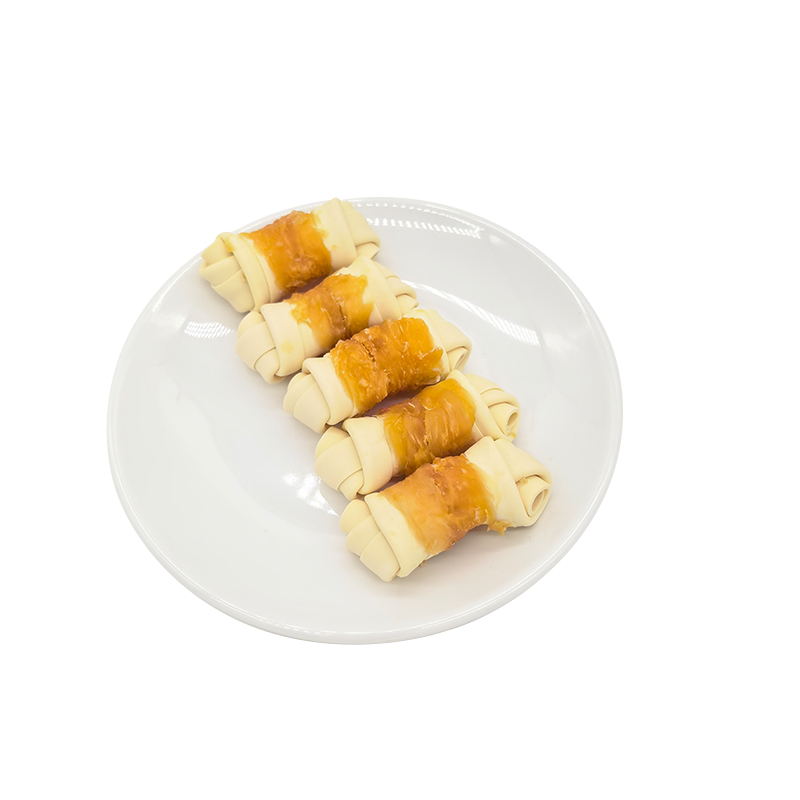
Meat Wrapped Dog Treats
Our KN001 2.5-3-inch chicken coated starch bone chewable tablets are designed specifically for dogs,...View More -
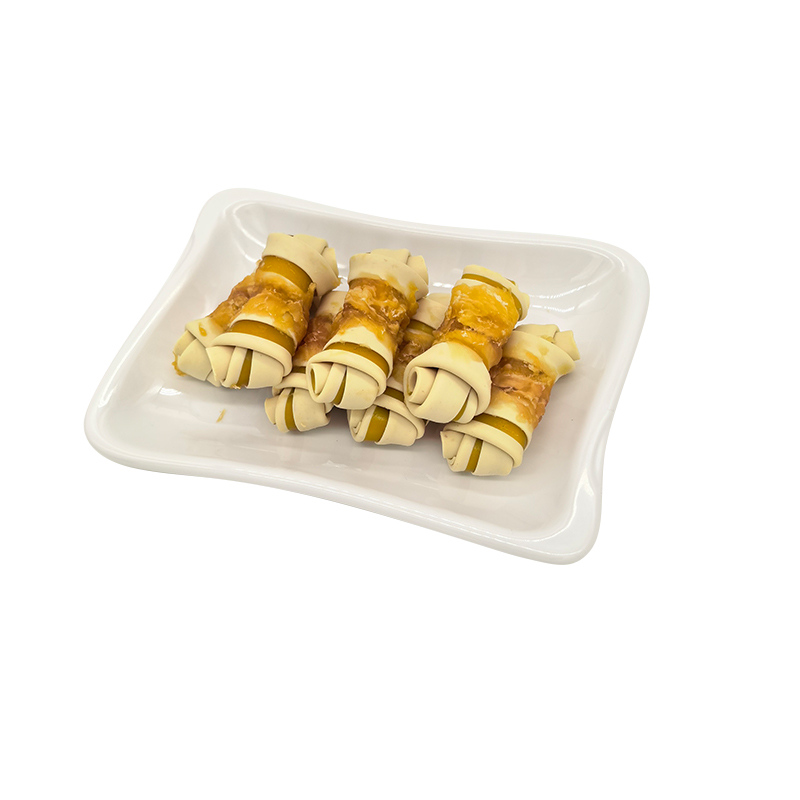
Meat Wrapped Dog Treats
The KN003 organic protein dog chew treats are crafted with a wholesome blend of corn starch, sweet p...View More -
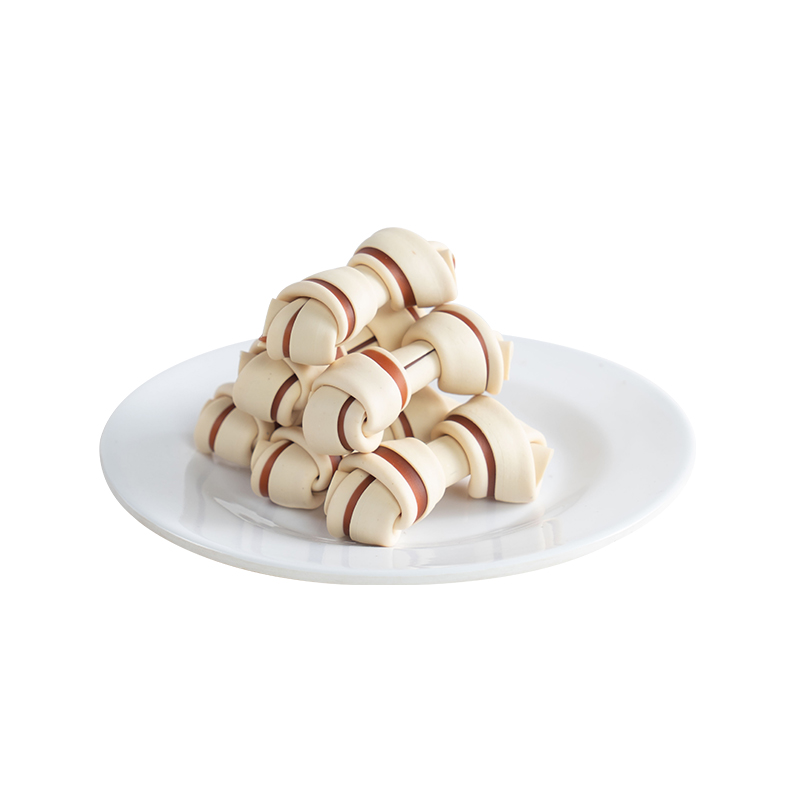
Knotted Bone Series
The KN004 Chewing Gum Grinding Teeth Cleaning Teeth Dog Snacks is a starch-based chew treat specific...View More -
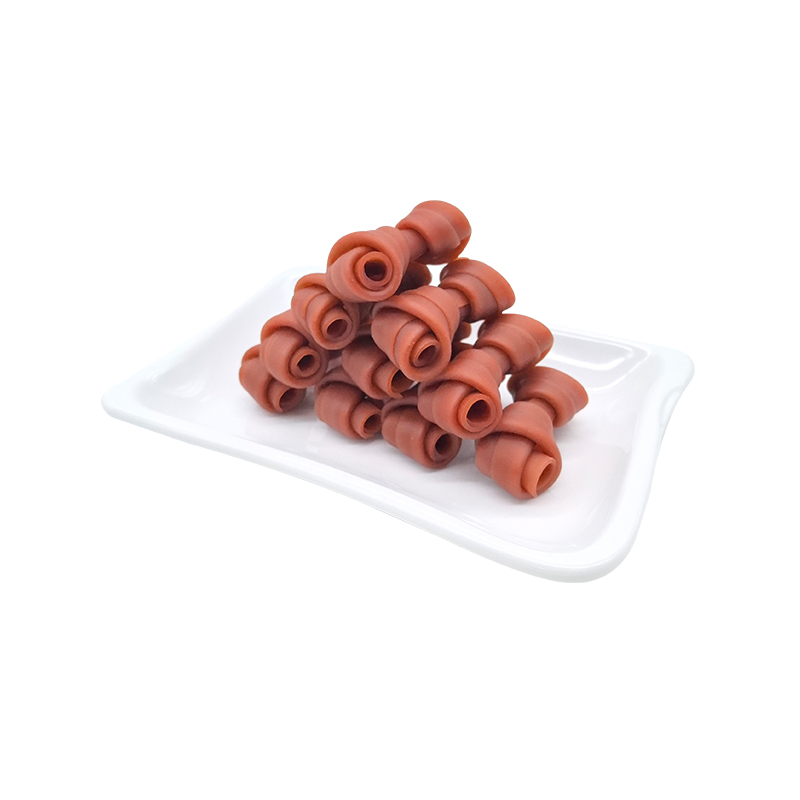
Knotted Bone Series
KN005 Dog single Color Bone Chew Snacks Safe and Healthy Pet Food is a healthy pet food made primari...View More -
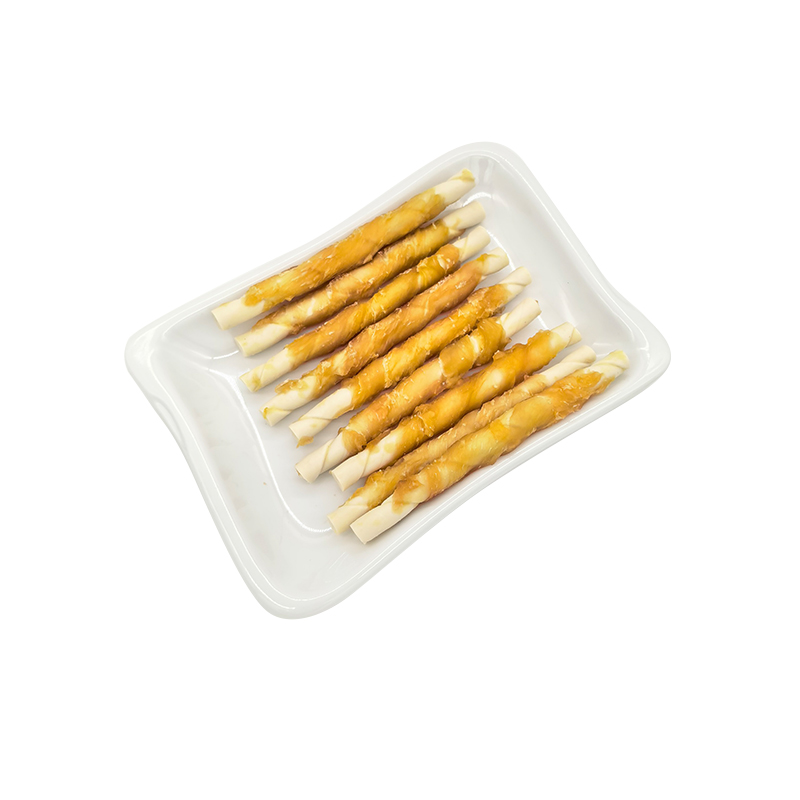
Meat Wrapped Dog Treats
ST001 Milk Flavored 12cm Nutritious Meat-Wrapped Pet Chicken Rolls Stick combine premium chicken wit...View More -
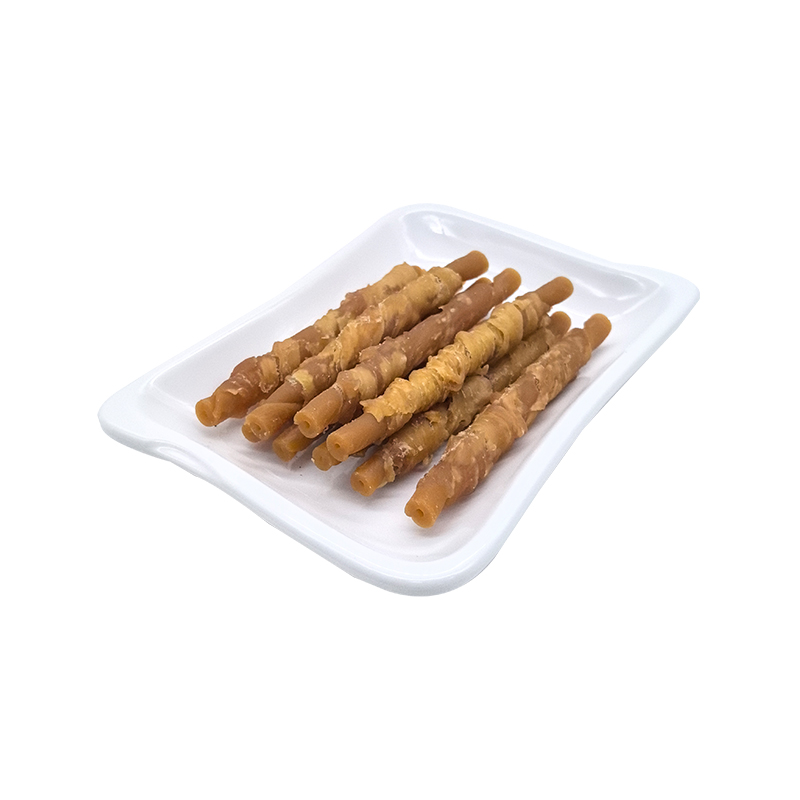
Meat Wrapped Dog Treats
ST002 Chicken Flavor Organic Dog Dental Chew Stick is a healthy and tasty snack designed for dogs’ d...View More

TIME TO FEED YOUR PETS
-
Quick Links
-

The company integrates production and R&D functions, and its core business focuses on the R&D and production of pet snacks and pet chews.
-
Contact Us
Phone/WhatsApp:
+86 18067755187
+86-18657866096 E-mail:
[email protected]
[email protected] Add: No. 358-1, Longqing Road, Nanmingshan Street, Liandu District, Lishui, Zhejiang, China
