Welcome to Lishui Tengyu Pet Food Co., Ltd.
[email protected]

 English
 Español
 Deutsch


Industry News

Industry News
Why Do Dogs Like Knotted Dog Chews?
Many dog owners have experienced the same situation.
A dog receives several toys, a rubber ball, and a chewing product at the same time. Instead of moving randomly between them, the dog often returns to the same item again and again. In many households, that item happens to be a piece of knotted dog chews.
At primary glance, the preference seems surprising. After all, dogs do not understand product descriptions or packaging designs. They simply interact with objects in ways that feel natural to them.
This raises an interesting question. Why do so many dogs appear attracted to knotted dog chews compared with some other chewing products?
The answer may have less to do with marketing and more to do with how dogs naturally explore the world around them.
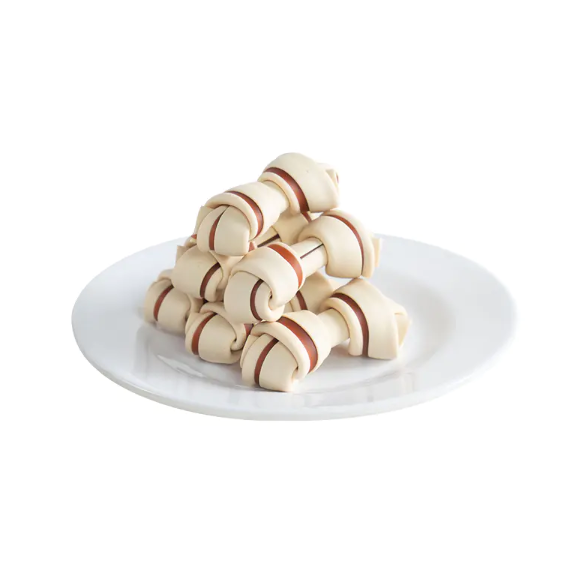
Dogs use their mouths differently from humans
People rely heavily on vision and touch when examining objects.
Dogs are different.
A puppy often investigates a new environment by sniffing, carrying, licking, or chewing. These behaviors begin early and continue throughout life.
Because chewing is such a normal activity, many dogs look for objects that provide a satisfying chewing experience. This is one reason knotted dog chews remain common in homes with both young and adult dogs.
The activity itself is often part of the appeal.
Shape may influence interest
The design of knotted dog chews is not always accidental.
The knotted ends create multiple edges, corners, and gripping points. From a dog's perspective, that can make the chew easier to hold while chewing.
A smooth object may slide around more easily.
A knotted shape often gives the dog something to anchor with its paws.
Owners sometimes notice that their dogs spend longer periods interacting with products that are easier to grip and reposition during chewing sessions.
Chewing can help occupy time
Not every dog spends the day running outdoors.
Many companion dogs experience periods of downtime while owners are working, cleaning, or handling daily responsibilities.
During these quieter moments, dogs frequently look for activities of their own.
Common examples include:
carrying objects around the house
exploring new scents
chewing familiar items
rearranging bedding
investigating toys
For some dogs, knotted dog chews become one of those regular activities that help fill portions of the day.
Puppies and adult dogs may chew for different reasons
People sometimes associate chewing only with teething puppies.
In reality, adult dogs chew as well.
Young dogs often chew because they are exploring the world and experiencing developmental changes. Mature dogs may chew simply because it remains an enjoyable behavior.
This helps explain why knotted dog chews can be found in households with dogs of different ages.
The behavior does not automatically disappear once a dog reaches adulthood.
Texture plays a role too
If you observe several dogs interacting with different products, one pattern often appears.
Dogs frequently spend more time with items that provide noticeable texture.
The knots, folds, and layered structure found in many knotted dog chews create a different experience from a perfectly smooth surface.
Individual preferences vary, of course.
Some dogs lose interest quickly. Others return repeatedly to the same chew over several days.
That variation is part of normal canine behavior.
Not every dog likes the same thing
One mistake new owners sometimes make is assuming all dogs will react identically.
Anyone who has spent time around dogs knows that personalities differ.
A product ignored by one dog may become a favorite item for another.
This applies to knotted dog chews as much as any other chew product.
Factors such as age, breed, chewing habits, and individual preference can all influence how a dog responds.
For that reason, experienced owners often observe the dog rather than relying entirely on general assumptions.
Why the design has remained popular
Pet products change constantly. New materials, new shapes, and new concepts appear every year.
Yet knotted dog chews continue to appear in pet stores, veterinary clinics, and online marketplaces.
Part of the reason may be their simplicity.
The design is familiar. Dogs can grip it easily. Owners understand its purpose. Manufacturers continue producing variations because demand remains steady.
While no single chew product appeals to every dog, the long-standing popularity of knotted dog chews suggests that the design aligns well with natural chewing behavior.
For many dogs, the attraction is not complicated. A chew that is easy to hold, interesting to explore, and satisfying to work on often earns attention without much encouragement from the owner.
NEXT:Dental Sticks Good For Dogs for Fresh Breath and Clean Teeth
-
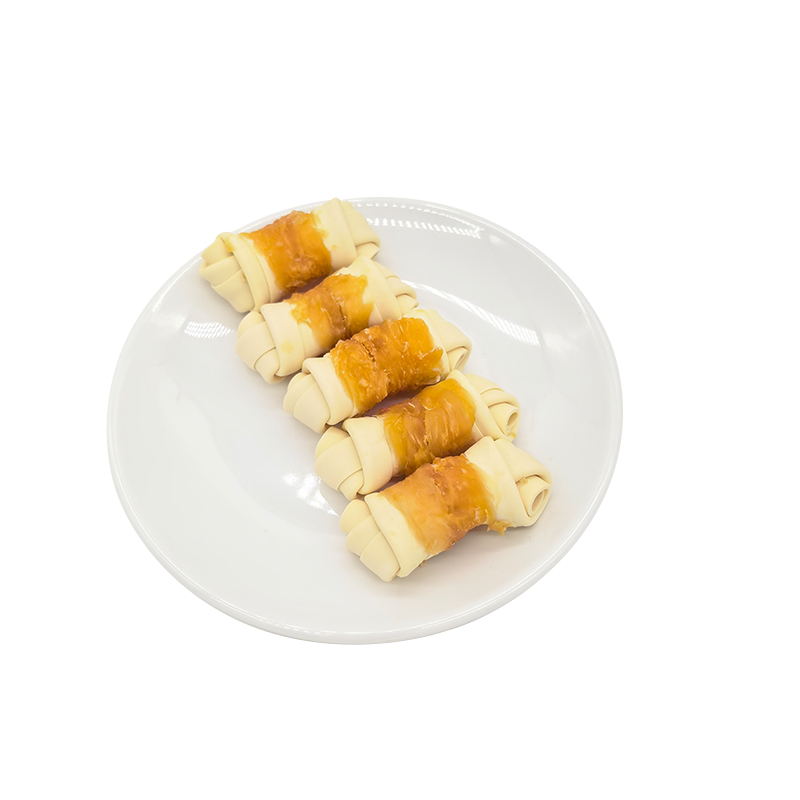
Meat Wrapped Dog Treats
Our KN001 2.5-3-inch chicken coated starch bone chewable tablets are designed specifically for dogs,...View More -
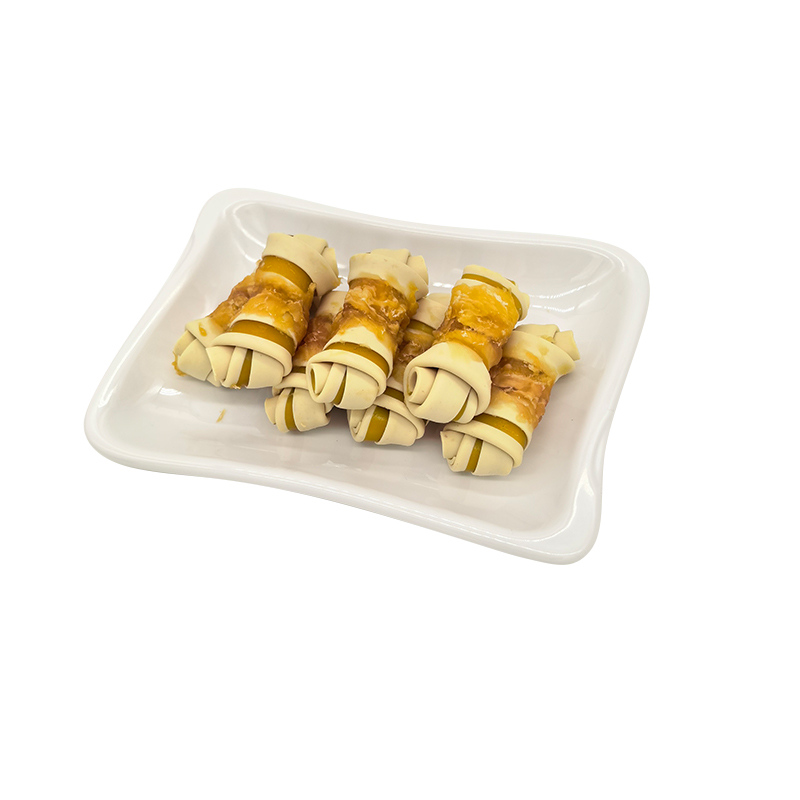
Meat Wrapped Dog Treats
The KN003 organic protein dog chew treats are crafted with a wholesome blend of corn starch, sweet p...View More -
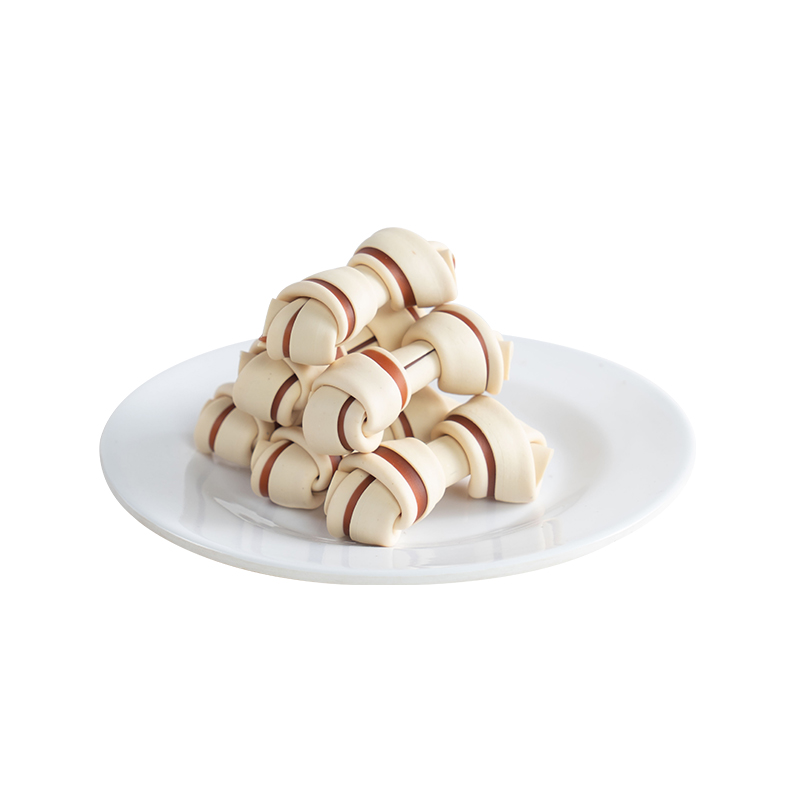
Knotted Bone Series
The KN004 Chewing Gum Grinding Teeth Cleaning Teeth Dog Snacks is a starch-based chew treat specific...View More -
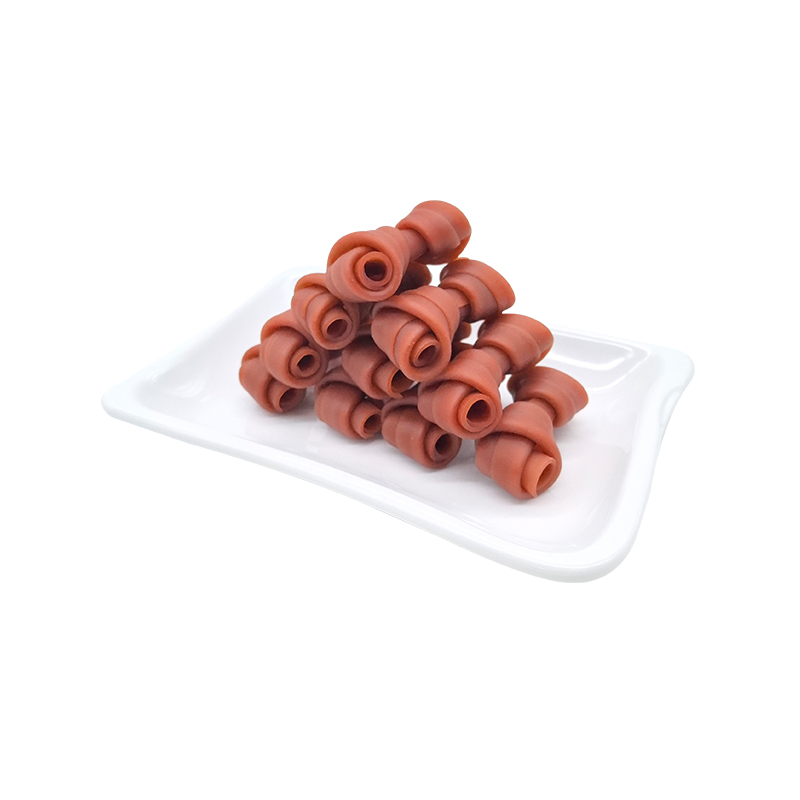
Knotted Bone Series
KN005 Dog single Color Bone Chew Snacks Safe and Healthy Pet Food is a healthy pet food made primari...View More -
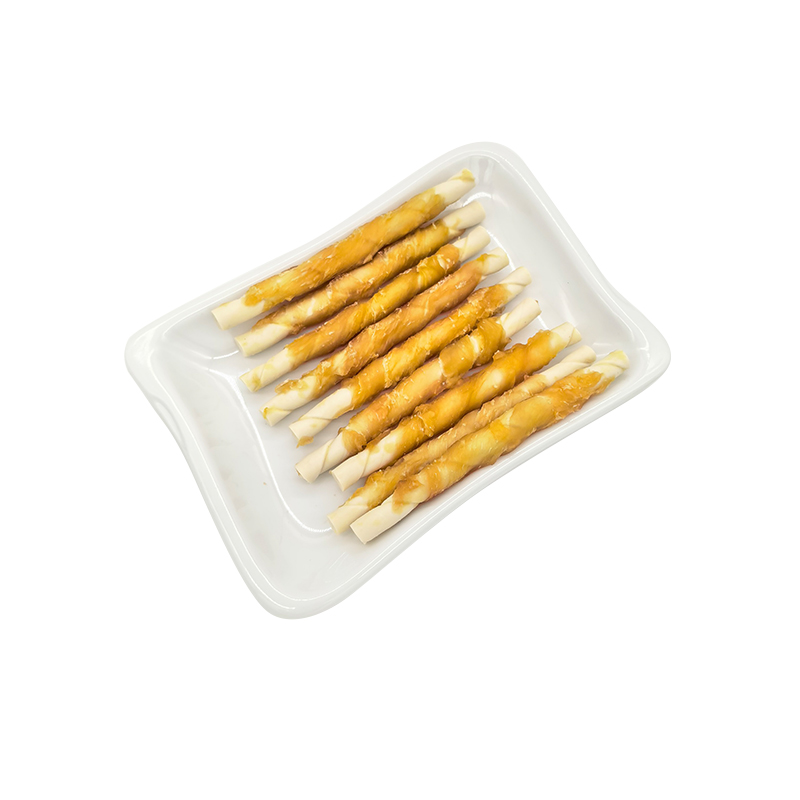
Meat Wrapped Dog Treats
ST001 Milk Flavored 12cm Nutritious Meat-Wrapped Pet Chicken Rolls Stick combine premium chicken wit...View More -
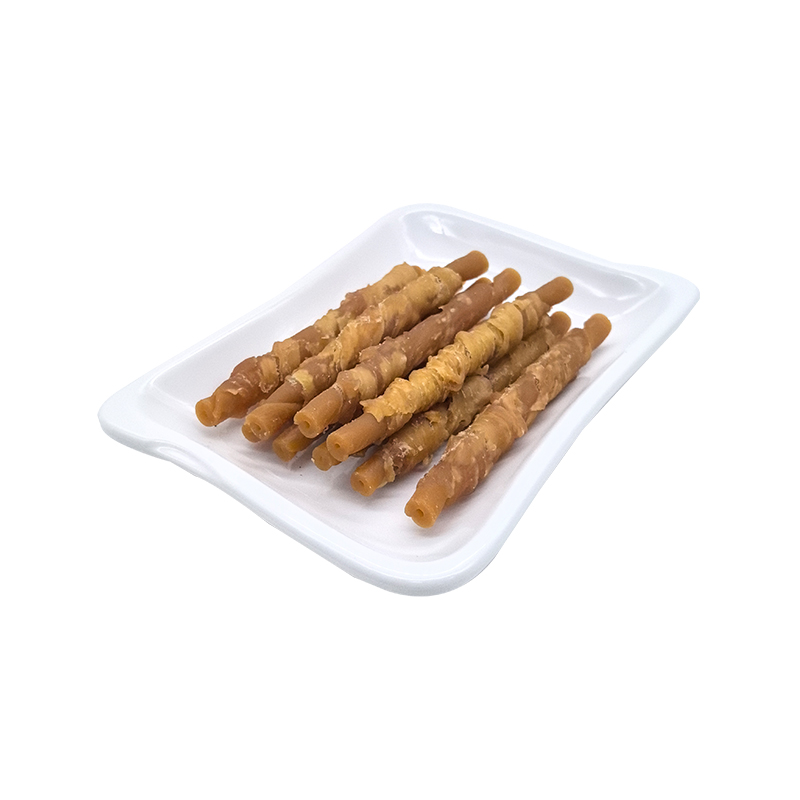
Meat Wrapped Dog Treats
ST002 Chicken Flavor Organic Dog Dental Chew Stick is a healthy and tasty snack designed for dogs’ d...View More

TIME TO FEED YOUR PETS
-
Quick Links
-

The company integrates production and R&D functions, and its core business focuses on the R&D and production of pet snacks and pet chews.
-
Contact Us
Phone/WhatsApp:
+86 18067755187
+86-18657866096 E-mail:
[email protected]
[email protected] Add: No. 358-1, Longqing Road, Nanmingshan Street, Liandu District, Lishui, Zhejiang, China
