Welcome to Lishui Tengyu Pet Food Co., Ltd.
[email protected]

 English
 Español
 Deutsch


Industry News

Industry News
Knotted Dog Chews: Are They Safe? A Guide for Concerned Pet Parents
For many dog owners, the sight of their pet contentedly working on a chew toy is a moment of peace. However, a common question lingers in the back of their minds: are these toys truly safe? Knotted dog chews, popular for their durability and dental benefits, often sit at the center of this concern. This guide addresses the safety considerations surrounding these products, providing a balanced view to help pet owners make informed decisions.
Understanding the Design and Purpose
Knotted chews are typically crafted from durable synthetic materials or dense fabrics, twisted and knotted into robust shapes. Their primary design goals are to satisfy a dog's natural chewing instinct, promote dental health through mechanical scraping action on the teeth, and provide a long-lasting activity. Recognizing this intent is the starting point for evaluating their role in your dog's life.
Evaluating Potential Concerns
No chew toy is without considerations, and knotted varieties are no exception. The main points for awareness involve physical risks. Pieces or strands can potentially be chewed off, posing a choking hazard or a risk of internal blockage if swallowed, particularly with more determined chewers or with toys that have become excessively worn. Additionally, very hard materials may not be suitable for dogs with certain dental conditions or those who chew with considerable force. There is also a possibility that some dogs with sensitive stomachs may experience digestive upset if they ingest small fibers or particles.
Practical Tips for Safe Use
To minimize risks, select chews that match your dog’s size, age, and chewing style. Supervision is recommended while the dog is chewing, particularly for puppies or dogs prone to swallowing large chunks. Rawhide-free or natural alternatives may be a safer choice for some dogs, reducing the risk of digestive upset. Regularly inspecting the chew for small or loose pieces is also important to prevent accidents.
Recognizing When to Retire a Chew
A key component of safety is knowing when a chew has reached the end of its serviceable life. Do not wait for it to fall apart completely. Signs that a knotted dog chew needs replacing include: deep grooves that have been chewed into the material, any pieces that have become detached, a noticeable change in texture or firmness, or if the core of the chew becomes exposed. Regularly rotating chews can also help maintain your dog's interest and distribute wear more evenly.
Making an Informed Choice for Your Dog
The decision to offer a knotted chew comes down to understanding your individual pet. Consider their size, age, dental health, and chewing behavior. It can be helpful to introduce any new chew gradually during a calm, supervised session. For dogs new to this type of toy, shorter sessions allow you to gauge their reaction and the toy's durability. Combining chew time with other forms of enrichment, like food puzzles or training games, creates a balanced routine that meets various needs. By prioritizing selection, supervision, and routine inspection, pet owners can navigate the use of these popular chews with greater confidence, turning a moment of potential worry into one of safe and satisfying engagement for their canine companion.
Knotted dog chews can provide enrichment, entertainment, and dental stimulation for dogs when used responsibly. Understanding the different materials, monitoring your dog during use, and selecting the appropriate size and type can help reduce risks. Pet owners who follow these precautions can enjoy the benefits of knotted chews while keeping their dogs safe and healthy.
NEXT:Dry Jerky Treats and Jerky Chew Strips: Nutritious and Engaging Snacks for Dogs
-
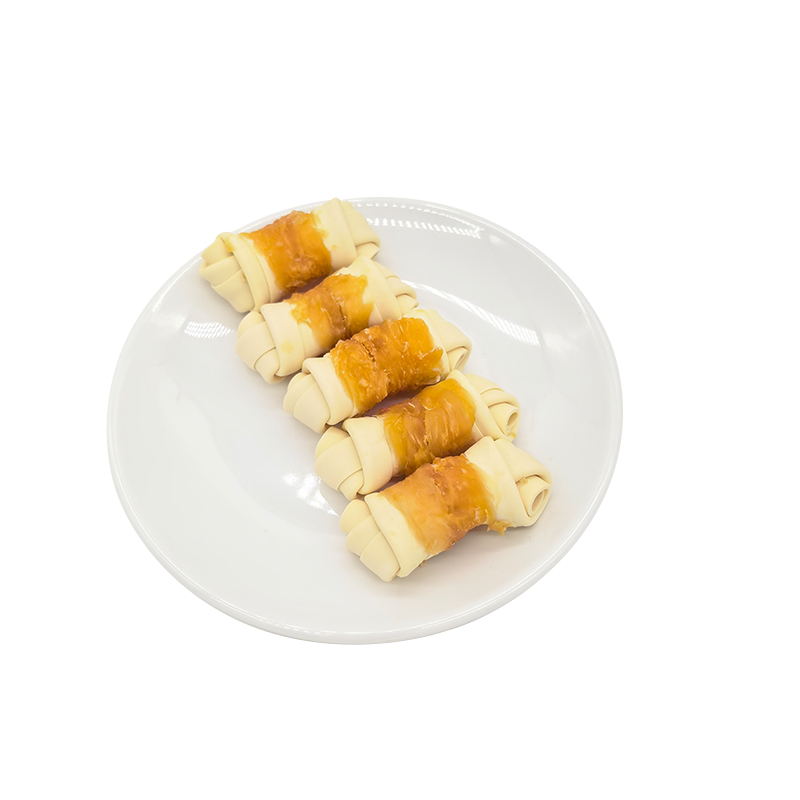
Meat Wrapped Dog Treats
Our KN001 2.5-3-inch chicken coated starch bone chewable tablets are designed specifically for dogs,...View More -
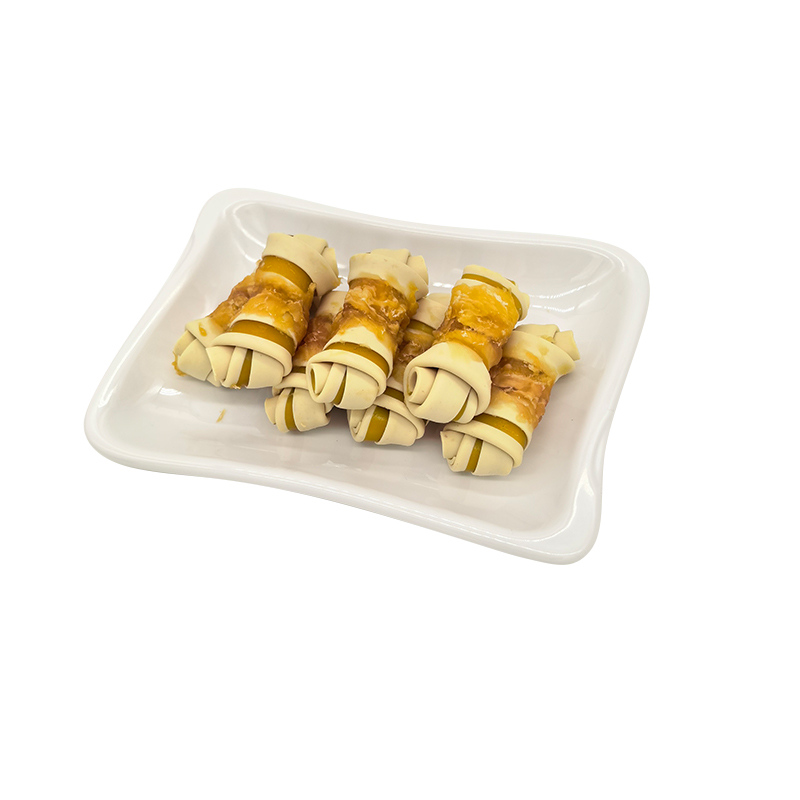
Meat Wrapped Dog Treats
The KN003 organic protein dog chew treats are crafted with a wholesome blend of corn starch, sweet p...View More -
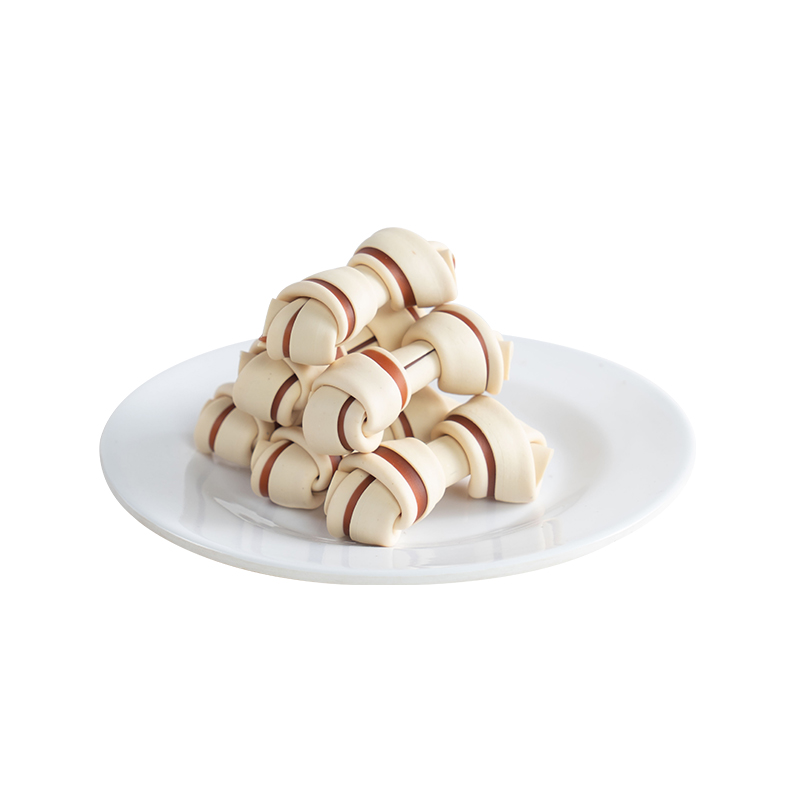
Knotted Bone Series
The KN004 Chewing Gum Grinding Teeth Cleaning Teeth Dog Snacks is a starch-based chew treat specific...View More -
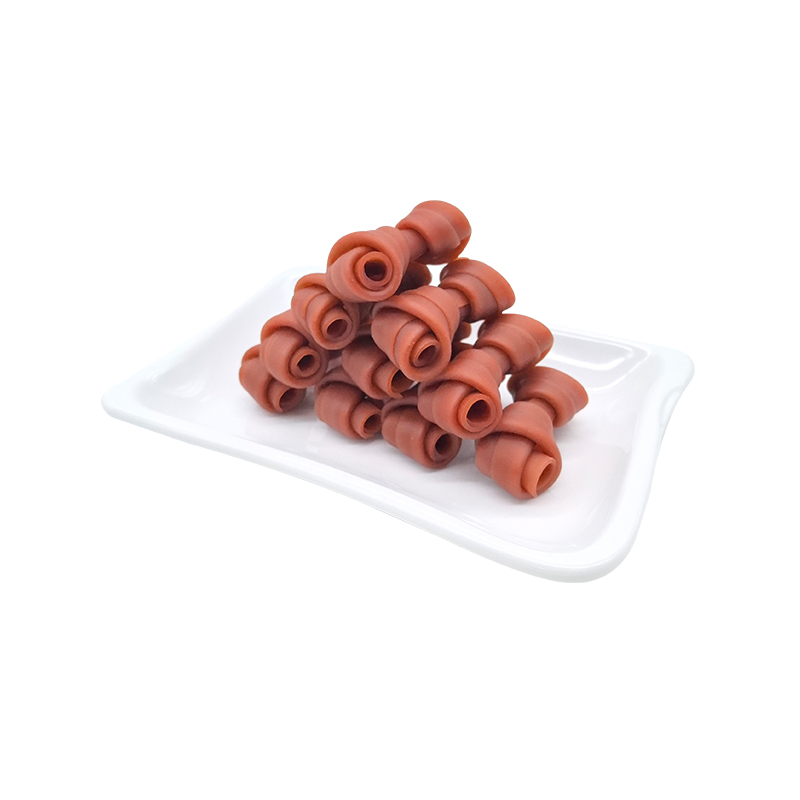
Knotted Bone Series
KN005 Dog single Color Bone Chew Snacks Safe and Healthy Pet Food is a healthy pet food made primari...View More -
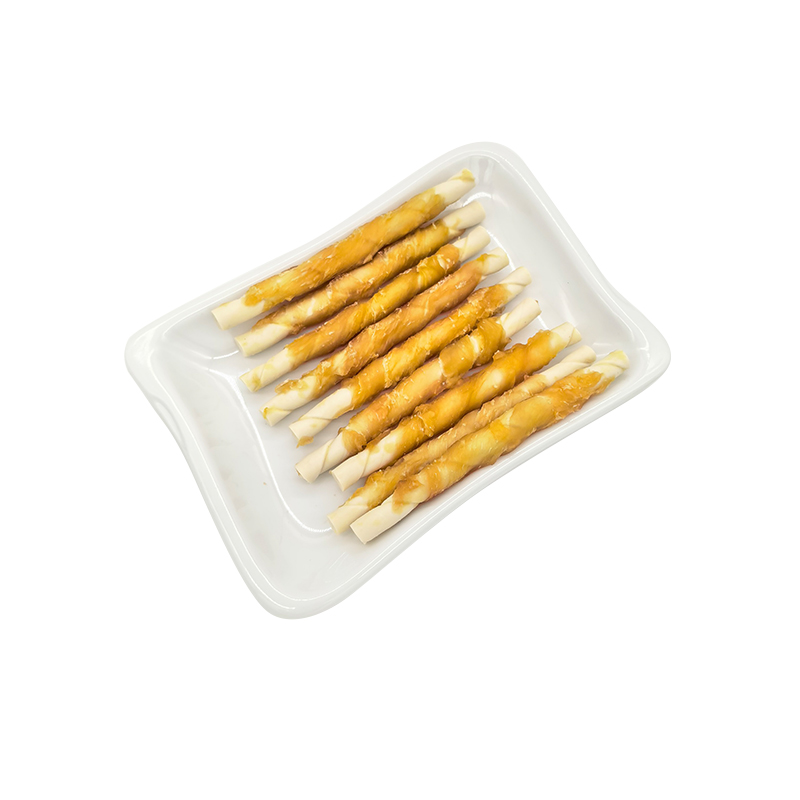
Meat Wrapped Dog Treats
ST001 Milk Flavored 12cm Nutritious Meat-Wrapped Pet Chicken Rolls Stick combine premium chicken wit...View More -
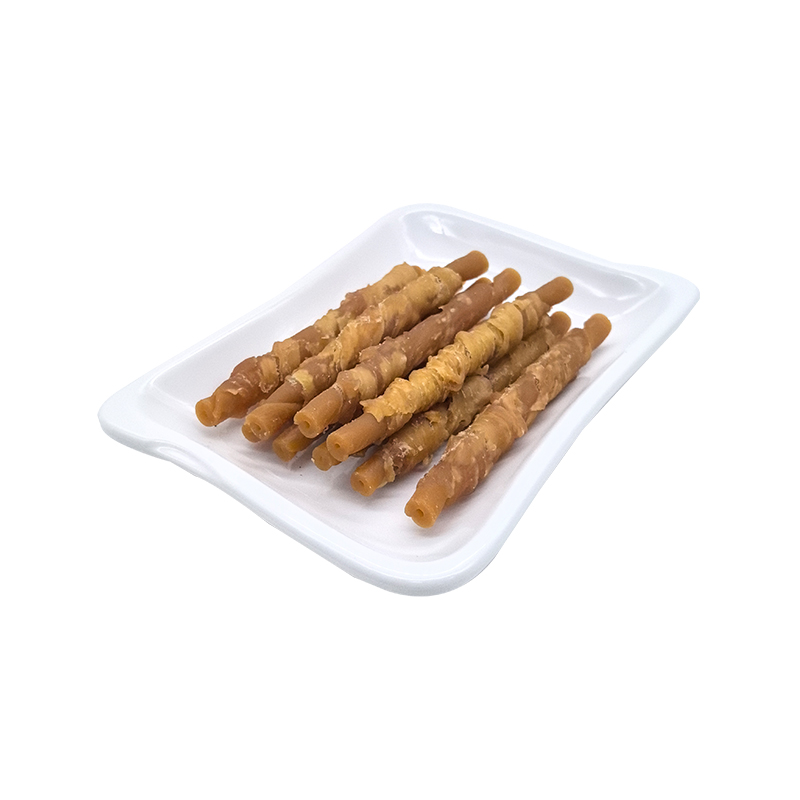
Meat Wrapped Dog Treats
ST002 Chicken Flavor Organic Dog Dental Chew Stick is a healthy and tasty snack designed for dogs’ d...View More

TIME TO FEED YOUR PETS
-
Quick Links
-

The company integrates production and R&D functions, and its core business focuses on the R&D and production of pet snacks and pet chews.
-
Contact Us
Phone/WhatsApp:
+86 18067755187
+86-18657866096 E-mail:
[email protected]
[email protected] Add: No. 358-1, Longqing Road, Nanmingshan Street, Liandu District, Lishui, Zhejiang, China
