Welcome to Lishui Tengyu Pet Food Co., Ltd.
[email protected]

 English
 Español
 Deutsch


Industry News

Industry News
Are Dental Sticks Good For Dogs? Really Effective?
Dog owners today pay more attention to oral care than before. Along with proper nutrition and grooming, dental hygiene has become part of many daily pet routines. During this trend, the phrase Dental Sticks Good For Dogs appears frequently in online searches because many owners want to know whether these products truly help keep teeth cleaner and breath fresher.
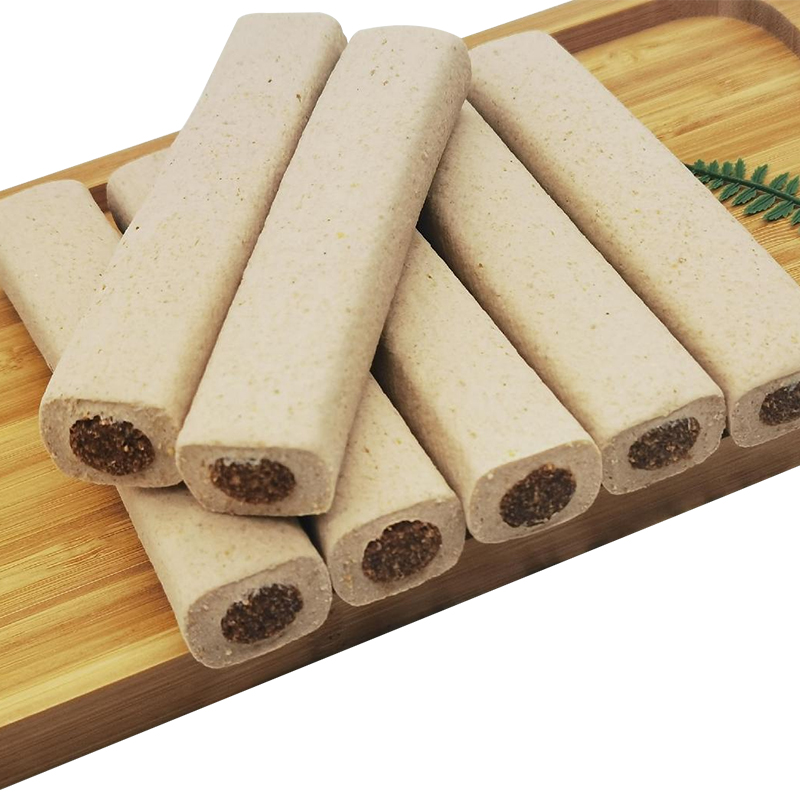
Dental sticks are designed to support oral hygiene through the chewing action. While they do not replace professional dental care or brushing, they may help reduce food residue and support cleaner teeth when used correctly.
Why Dogs Need Oral Care
Dogs use their mouths constantly throughout the day. Food particles and bacteria can remain on the teeth after eating, especially near the gums. Over time, this buildup may contribute to plaque and tartar formation.
Common signs of poor oral hygiene include:
- Bad breath
- Yellow buildup on teeth
- Gum irritation
- Difficulty chewing
Some dogs continue eating normally even with dental discomfort, which makes regular care important for long-term oral health.
How Dental Sticks Work
Dental sticks are made to encourage chewing. During chewing, the textured surface rubs against the teeth and may help remove soft debris before it becomes harder buildup.
Many products include:
- Grooved shapes
- Flexible textures
- Breath-freshening ingredients
Dogs that chew slowly often receive more benefit because the product stays in contact with the teeth longer.
Dental sticks can also provide mental stimulation for dogs that enjoy chewing activities during the day.
Can Dental Sticks Replace Brushing?
This is one of the most common questions among pet owners. Dental sticks can support oral care, but brushing still provides more direct cleaning.
A toothbrush reaches specific areas of the teeth and gums more accurately. Dental sticks depend on the dog’s chewing habits, which can vary widely.
For example:
- Some dogs chew thoroughly
- Others swallow quickly
- Some only chew on one side
Because of this, dental sticks are usually considered a supportive tool rather than a complete solution.
However, many dogs dislike toothbrushes. In these situations, dental sticks may help owners maintain a more consistent oral care routine.
Fresh Breath Support
Bad breath is one reason many people buy dental sticks. Odor often develops when bacteria and leftover food remain around the teeth and gums.
Some dental sticks include ingredients such as:
- Mint
- Parsley
- Plant-based extracts
These ingredients may help create fresher breath while chewing, supporting cleaner teeth.
Fresh breath alone does not always mean healthy teeth, but it can improve daily interaction between dogs and owners.
Choosing Suitable Dental Sticks
Different dogs require different chewing products.
Size Selection
Small dogs usually need softer and thinner sticks, while larger breeds may require stronger chewing textures. Choosing the correct size helps improve comfort during chewing.
Texture and Ingredients
Some owners prefer products with:
- Grain-free formulas
- Reduced artificial additives
- Lower-fat recipes
Softer textures may work better for older dogs or pets with sensitive teeth.
Safety During Use
Owners should supervise dogs while they chew dental sticks. Some dogs attempt to swallow large pieces too quickly.
It is helpful to monitor:
- Chewing speed
- Swallowing habits
- Digestive reactions
Fresh drinking water should also be available after chewing sessions.
Daily Oral Care Habits
Dental sticks often work more effectively when combined with other oral care habits, including:
- Occasional brushing
- Dental toys
- Routine veterinary checks
- Monitoring gum condition
Consistent care usually supports better long-term oral hygiene than occasional treatment alone.
Dental sticks are widely used because they combine chewing enjoyment with simple oral maintenance. When selected carefully and used as part of a broader dental care routine, they may help dogs maintain cleaner teeth and more comfortable daily chewing habits.
NEXT:Knotted Bone Size Guide: Match Your Dog’s Breed & Chew Habits
-
Meat Wrapped Dog Treats
Our KN001 2.5-3-inch chicken coated starch bone chewable tablets are designed specifically for dogs,...View More -
Meat Wrapped Dog Treats
The KN003 organic protein dog chew treats are crafted with a wholesome blend of corn starch, sweet p...View More -
Knotted Bone Series
The KN004 Chewing Gum Grinding Teeth Cleaning Teeth Dog Snacks is a starch-based chew treat specific...View More -
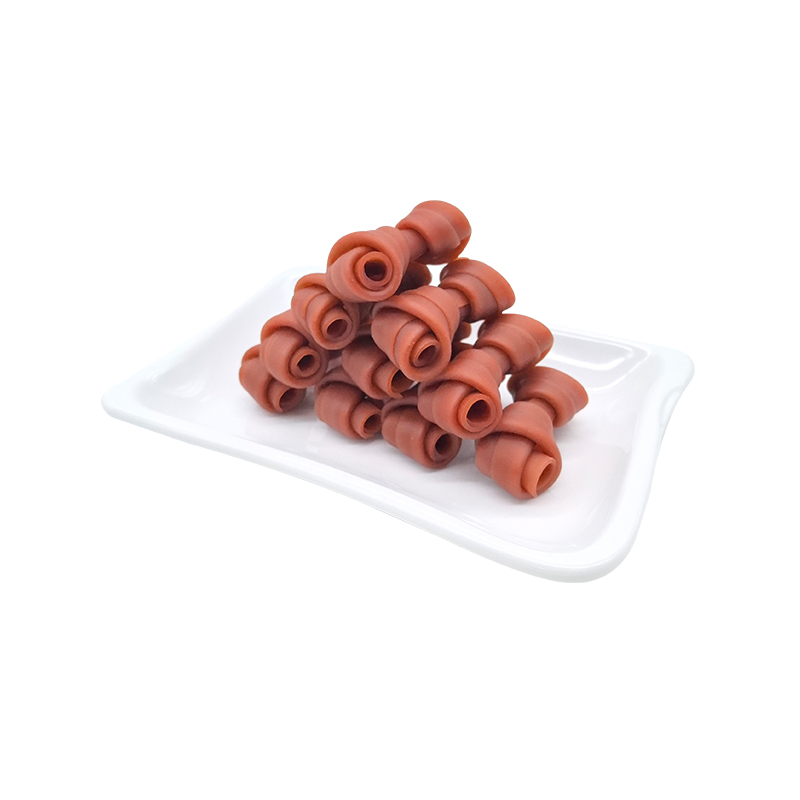
Knotted Bone Series
KN005 Dog single Color Bone Chew Snacks Safe and Healthy Pet Food is a healthy pet food made primari...View More -
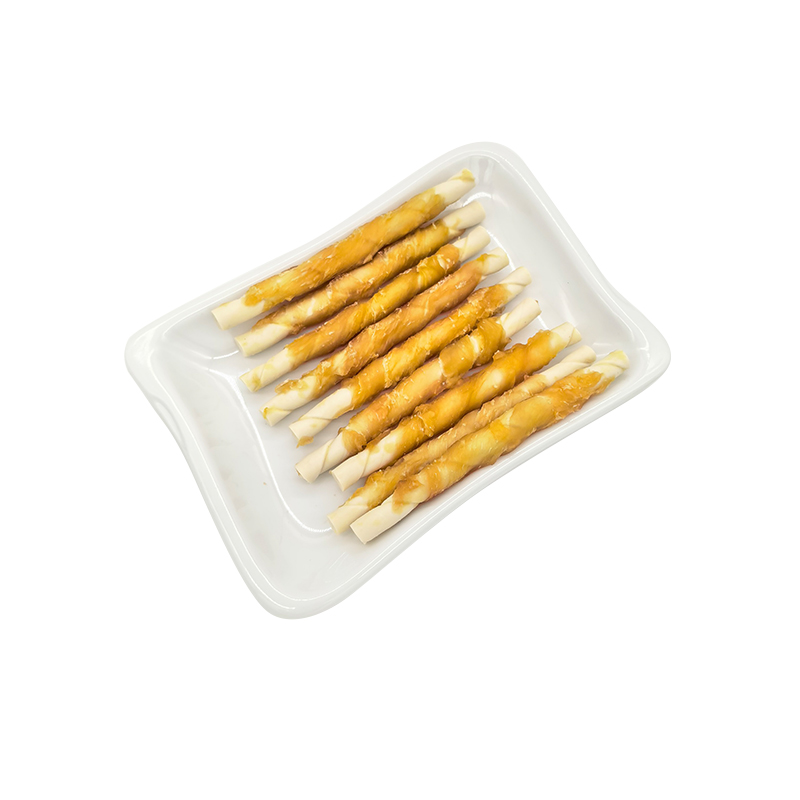
Meat Wrapped Dog Treats
ST001 Milk Flavored 12cm Nutritious Meat-Wrapped Pet Chicken Rolls Stick combine premium chicken wit...View More -
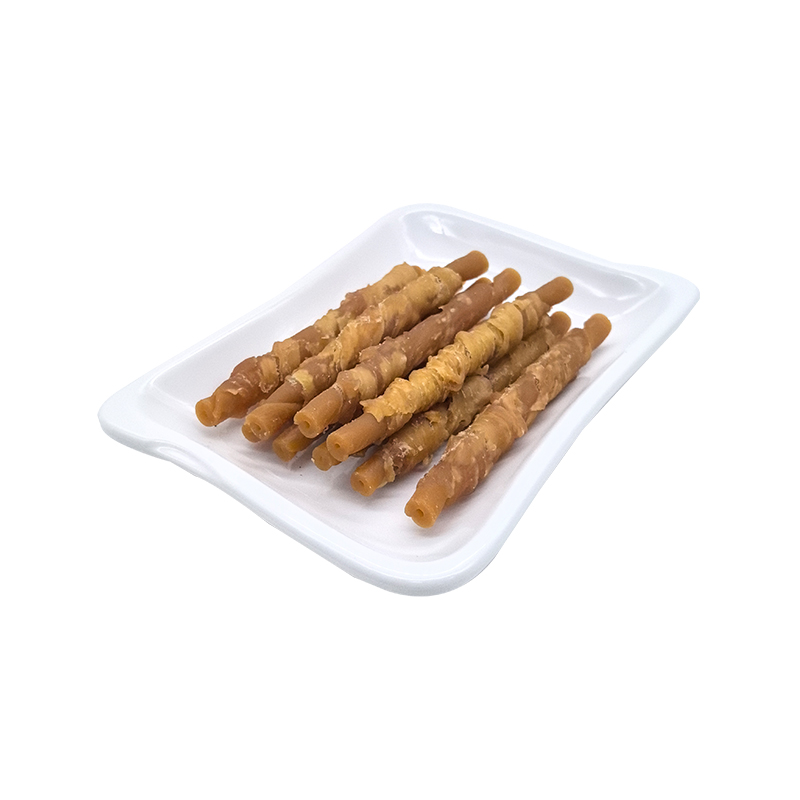
Meat Wrapped Dog Treats
ST002 Chicken Flavor Organic Dog Dental Chew Stick is a healthy and tasty snack designed for dogs’ d...View More


TIME TO FEED YOUR PETS
-
Quick Links
-

The company integrates production and R&D functions, and its core business focuses on the R&D and production of pet snacks and pet chews.
-
Contact Us
Phone/WhatsApp:
+86 18067755187
+86-18657866096 E-mail:
[email protected]
[email protected] Add: No. 358-1, Longqing Road, Nanmingshan Street, Liandu District, Lishui, Zhejiang, China
