Welcome to Lishui Tengyu Pet Food Co., Ltd.
[email protected]

 English
 Español
 Deutsch


Industry News

Industry News
Knotted Bone Size Guide: Match Your Dog’s Breed & Chew Habits
Knotted Bone is widely used as a chew product for dogs with different breeds, sizes, and chewing behaviors. One of the most important factors influencing its effectiveness and safety is size selection. Choosing the right size helps ensure that dogs can chew comfortably, safely, and with consistent engagement.
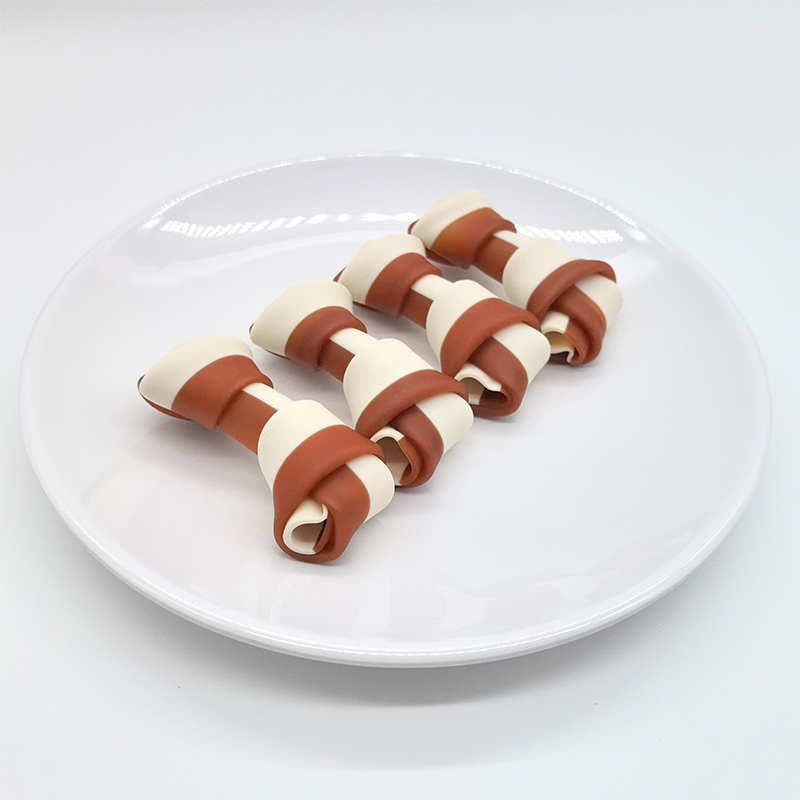
Because dogs vary significantly in jaw strength, chewing speed, and handling ability, size matching should always consider both physical characteristics and behavioral patterns rather than relying on a single fixed rule.
Breed Size Categories and General Guidelines
Dogs are commonly grouped into small, medium, and large breed categories when selecting chew products. Each category represents a general reference point for size selection.
Small breeds typically have limited jaw strength and smaller mouths, so compact Knotted Bone options are usually more suitable. These sizes allow easier grip and controlled chewing without overwhelming the dog.
Medium breeds often require balanced chew sizes that provide moderate resistance while remaining easy to handle.
Large breeds tend to have stronger chewing force and may require more substantial Knotted Bone structures that can withstand higher pressure and longer chewing sessions.
These categories serve as a starting point, but individual behavior should always be considered.
Chewing Style and Behavioral Differences
Beyond breed classification, chewing style plays a major role in size selection. Some dogs are gentle chewers who slowly gnaw over time, while others are aggressive chewers who apply strong and repetitive force.
Gentle chewers may prefer slightly smaller or softer Knotted Bone options, as they focus more on duration rather than intensity.
Aggressive chewers, on the other hand, may require larger and denser chew structures to maintain stability during use.
Observing chewing behavior is often more accurate than relying solely on breed assumptions.
Jaw Strength and Control Ability
Jaw strength directly affects how a dog interacts with chew products. Dogs with stronger jaws may break down smaller chew items quickly, reducing engagement time and increasing consumption speed.
Proper size selection helps balance chewing duration and structural stability. A well-matched Knotted Bone allows controlled chewing without breaking apart too quickly or becoming difficult to handle.
Control ability also matters, as dogs must be able to grip and reposition the chew comfortably during use.
Importance of Proper Fit
A correctly sized Knotted Bone improves both safety and chewing satisfaction. If the chew is too small, dogs may attempt to swallow larger pieces or finish it too quickly. If it is too large, they may lose interest or struggle to maintain grip.
Proper fit supports stable chewing sessions, encourages natural behavior, and reduces unnecessary risk during use.
Fit should always be evaluated during initial interaction.
Observation and Adjustment Period
The first few chewing sessions are critical for evaluating whether the selected size is appropriate. During this period, owners can observe chewing speed, grip stability, and overall interest level.
If the dog finishes the chew too quickly or shows difficulty engaging with it, adjustments may be necessary.
This observation phase helps refine future selection decisions and ensures long-term suitability.
Growth and Long-Term Changes
Dogs grow and change over time, which means Knotted Bone size requirements may also evolve. Puppies may start with smaller sizes and gradually transition to larger options as jaw strength and chewing ability develop.
Adult dogs may also experience behavioral changes that require adjustments in chew size or structure.
Regular reassessment ensures continued compatibility between dog behavior and chew product selection.
NEXT:Knotted Bone for Teething Puppies: Gentle Relief Tips
-
Meat Wrapped Dog Treats
Our KN001 2.5-3-inch chicken coated starch bone chewable tablets are designed specifically for dogs,...View More -
Meat Wrapped Dog Treats
The KN003 organic protein dog chew treats are crafted with a wholesome blend of corn starch, sweet p...View More -
Knotted Bone Series
The KN004 Chewing Gum Grinding Teeth Cleaning Teeth Dog Snacks is a starch-based chew treat specific...View More -
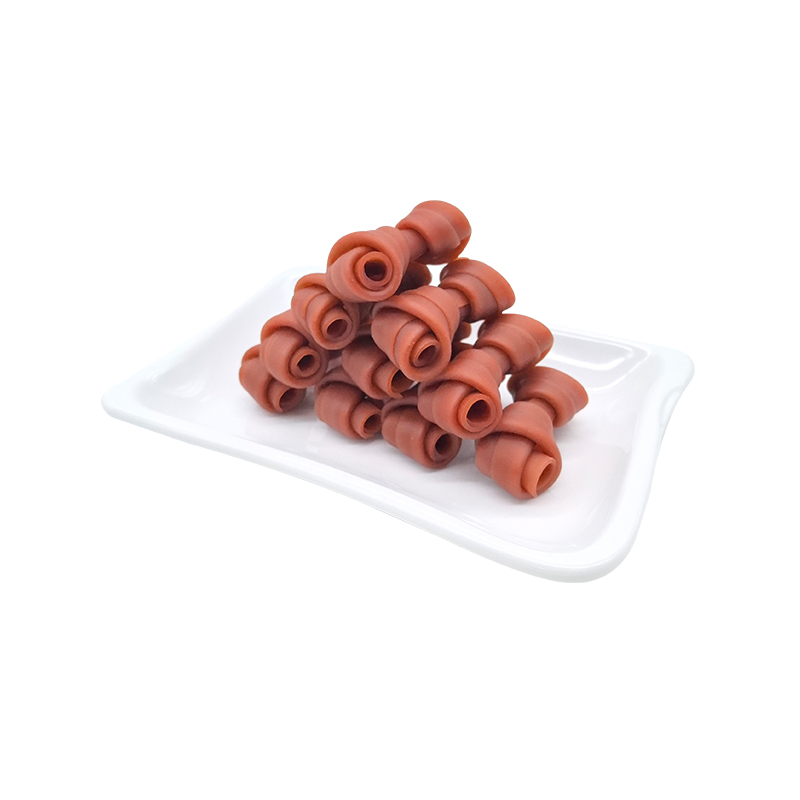
Knotted Bone Series
KN005 Dog single Color Bone Chew Snacks Safe and Healthy Pet Food is a healthy pet food made primari...View More -
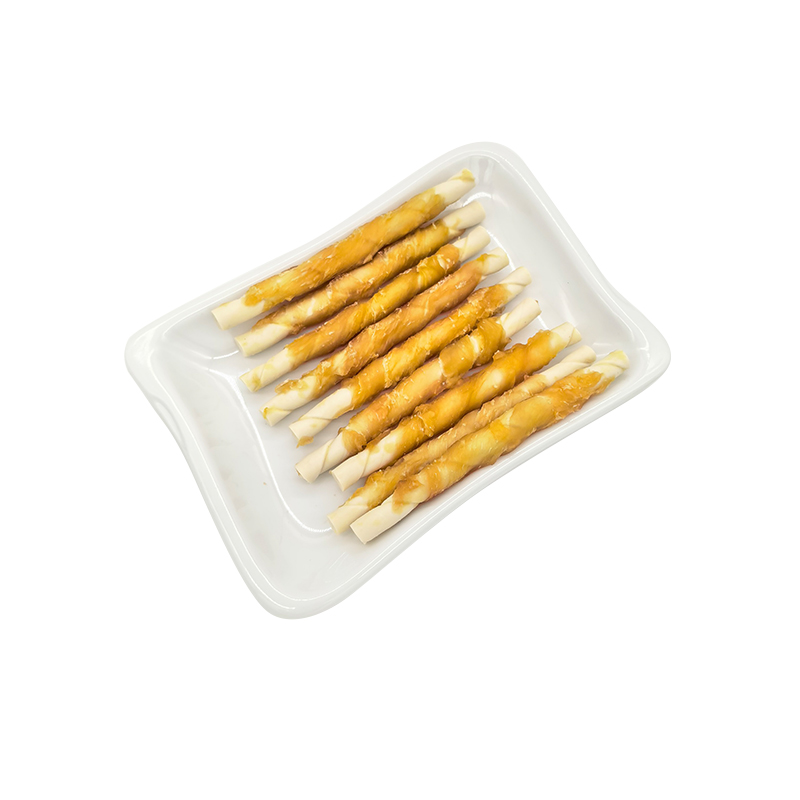
Meat Wrapped Dog Treats
ST001 Milk Flavored 12cm Nutritious Meat-Wrapped Pet Chicken Rolls Stick combine premium chicken wit...View More -
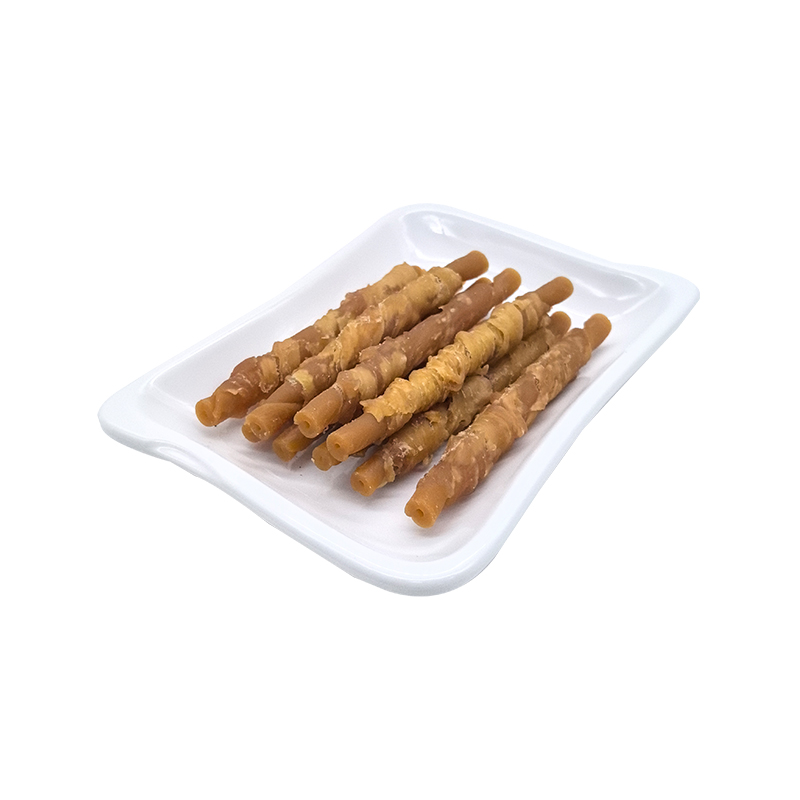
Meat Wrapped Dog Treats
ST002 Chicken Flavor Organic Dog Dental Chew Stick is a healthy and tasty snack designed for dogs’ d...View More

TIME TO FEED YOUR PETS
-
Quick Links
-

The company integrates production and R&D functions, and its core business focuses on the R&D and production of pet snacks and pet chews.
-
Contact Us
Phone/WhatsApp:
+86 18067755187
+86-18657866096 E-mail:
[email protected]
[email protected] Add: No. 358-1, Longqing Road, Nanmingshan Street, Liandu District, Lishui, Zhejiang, China
