Welcome to Lishui Tengyu Pet Food Co., Ltd.
[email protected]

 English
 Español
 Deutsch


Industry News

Industry News
Can Puppies Have Dental Chews?
Yes, puppies can have dental chews, but only if you select the appropriate age range and texture. Offering hard or adult dental chews to very young puppies can damage their delicate baby teeth or cause dangerous gastrointestinal blockages.
For new puppy owners, watching a furry friend chew on baseboards, shoes, and furniture is a familiar rite of passage. Puppies explore the world with their mouths, and during their teething phase, chewing provides relief for sore, inflamed gums. While dental treats are popular for adult dogs, offering them to young puppies requires careful attention to age, ingredient digestibility, and texture.
1. Age Milestones for Puppy Dental Chews
When evaluating whether dental chews are safe for your growing pup, age is the single most critical factor. A puppy's digestive system and teeth undergo rapid development during their first six months.
| Under 3 Months | 3 to 6 Months | 6+ Months |
|---|---|---|
| ❌ No Dental Chews | ⚠️ Puppy-Specific Only | ✅ Standard Chews |
| Pure Milk & Soft Food | Soft, Pliable Teething Chews (DHA/Calcium) |
Adult & Regular Dental Sticks Allowed |
| Deciduous Teeth Stage |
Under 3 Months: Avoid Edible Chews Completely
During their first 12 weeks, puppies rely on delicate baby (deciduous) teeth. Their digestive systems are still maturing and easily upset by rich treat ingredients. Hard chews can crack primary teeth, while digestible chews pose choking or blockage risks.
3 to 6 Months: The Teething Stage (Use Puppy-Specific Chews Only)
Between 12 and 24 weeks, baby teeth fall out as permanent adult teeth begin to erupt. Puppies experience significant gum discomfort and an intense urge to gnaw. During this window, you can safely introduce soft puppy teething chews specially crafted for tender mouth structures.
- Key Characteristic: Soft, pliable, and explicitly formatted for growing jaws.
- Benefits: Soothes raw gums without exerting excessive force on newly emerging teeth.
6 Months & Older: Transition to Standard Dental Sticks
By around 6 months, most adult teeth have come in and jaw strength is higher. At this stage, you can safely transition to standard dental sticks for puppies and young adult dogs to maintain daily oral hygiene.
2. Essential Safety Guidelines for Feeding Chews
Even when choosing safe chews for puppies, proper feeding habits are vital to prevent unnecessary health risks:
Always Supervise Chew Time
Never leave a puppy unattended with any chew. Young dogs frequently get excited and try to gulp down the last chunk whole. Remove small or broken-off pieces immediately to prevent choking or intestinal obstruction.
Choose Highly Digestible Ingredients
Avoid traditional rawhide, which carries a high risk of intestinal blockage. Instead, choose puppy dental chews made from easily digestible bases like rice flour, oats, or natural pumpkin.
Monitor Daily Caloric Intake
Dental treats are meant to complement a puppy's diet—not replace it. All treats combined (including chews) should account for no more than 10% of your puppy's total daily calories.
Chews Are Not a Replacement for Brushing
While dental sticks help scrape away loose plaque through mechanical chewing, they cannot clean thoroughly below the gumline. Establish a routine early using a soft finger brush and pet-safe toothpaste.
3. Top Recommended Puppy Dental & Teething Solutions
Selecting the right chew format lets your puppy satisfy their natural gnawing instinct while protecting developing teeth and gums:
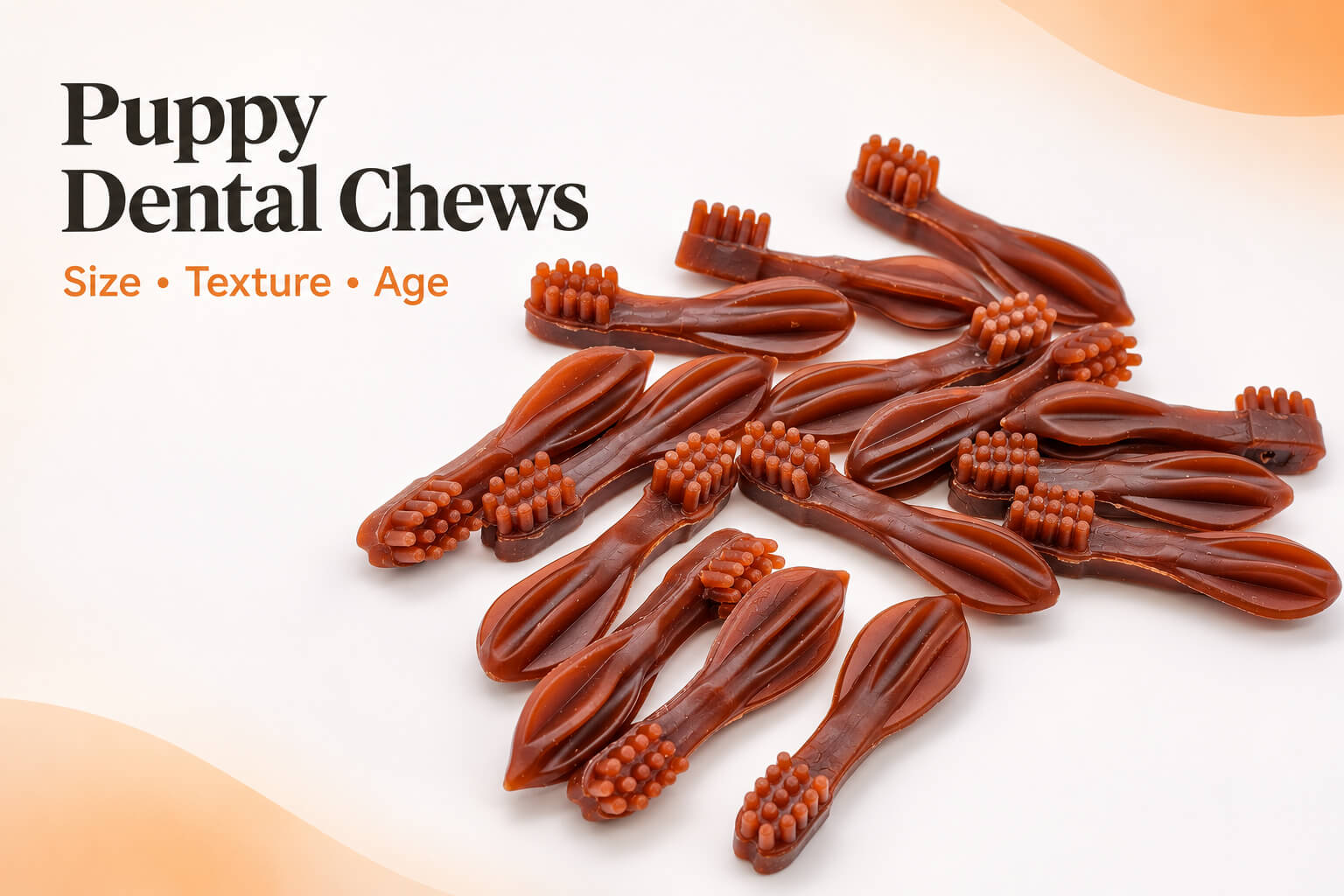
- Soft Pliable Teething Sticks: Specially formulated edible sticks feature a flexible, pliable texture designed for teething pups to gnaw comfortably without putting stress on delicate tooth enamel.
- Digestible Dental Treats for Older Pups: Once a puppy reaches 6 months, chewable dental sticks with ridges help control plaque while delivering growth-supporting nutrients like DHA and calcium.
- Non-Edible Rubber Teething Toys: Soft, durable rubber toys designed with textured grooves give aggressive chewers a non-edible outlet. Smearing dog-safe peanut butter or wet food inside the grooves and freezing it provides extra cooling relief for inflamed gums.
Pro Tip for Pet Parents: Always test chew firmness using the "fingernail rule." If you cannot press your thumbnail into the surface to leave a temporary dent, the chew is too hard for a puppy's developing teeth!
Summary Checklist
- Under 12 weeks: Avoid edible chews entirely; stick to soft plush toys or cool rubber teething rings.
- 12 to 24 weeks: Use soft, highly digestible puppy teething chews.
- 6+ months: Transition to standard dental sticks for puppies matched to their body weight.
- Golden Rule: Always supervise chew sessions, select the right size, and pair chews with regular toothbrushing.
-
Meat Wrapped Dog Treats
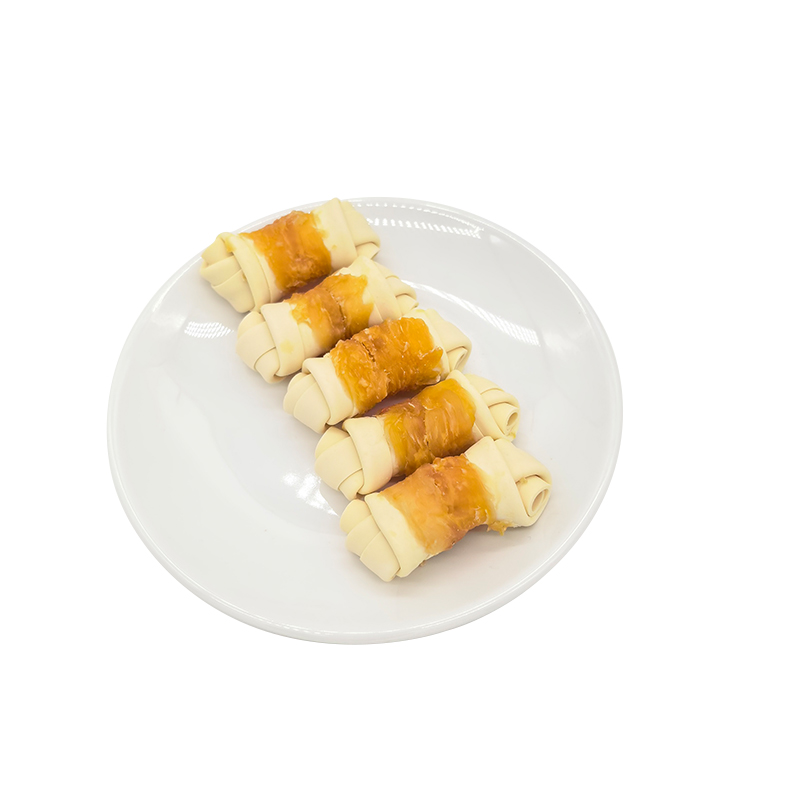
Our KN001 2.5-3-inch chicken coated starch bone chewable tablets are designed specifically for dogs,...View More -
Meat Wrapped Dog Treats
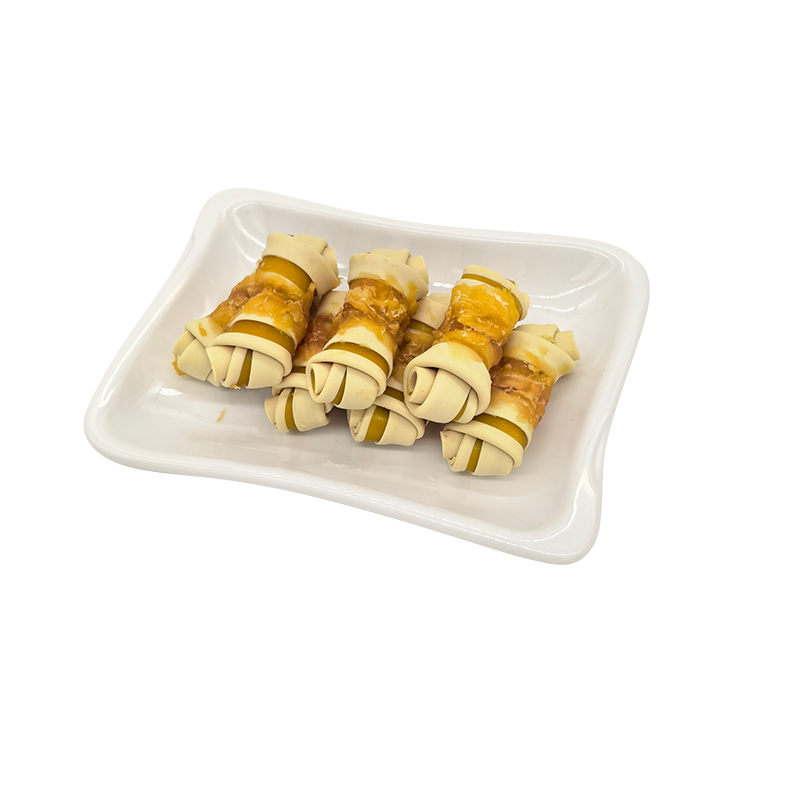
The KN003 organic protein dog chew treats are crafted with a wholesome blend of corn starch, sweet p...View More -
Knotted Bone Series
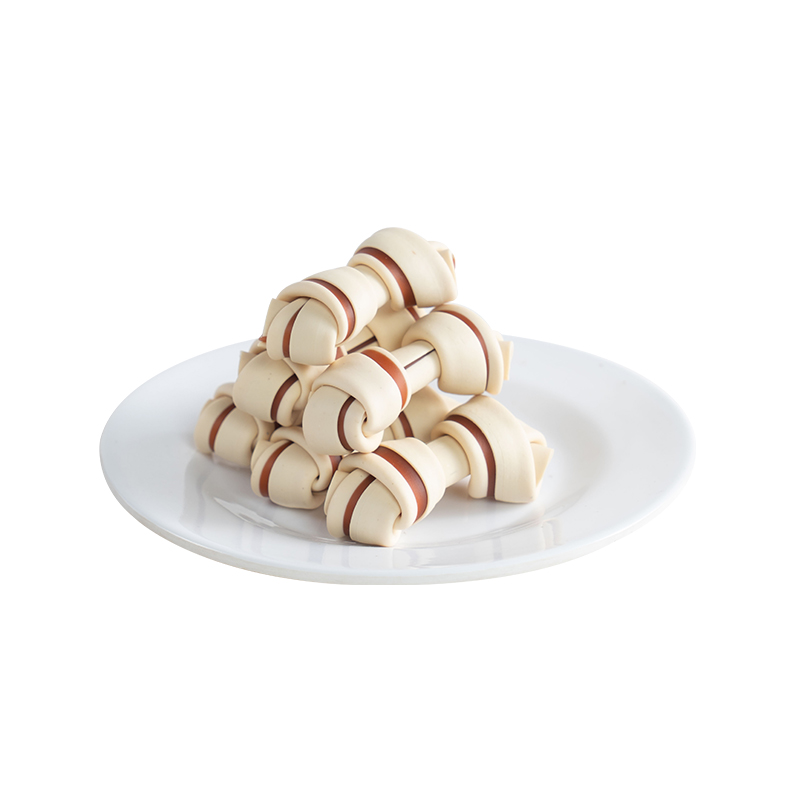
The KN004 Chewing Gum Grinding Teeth Cleaning Teeth Dog Snacks is a starch-based chew treat specific...View More -
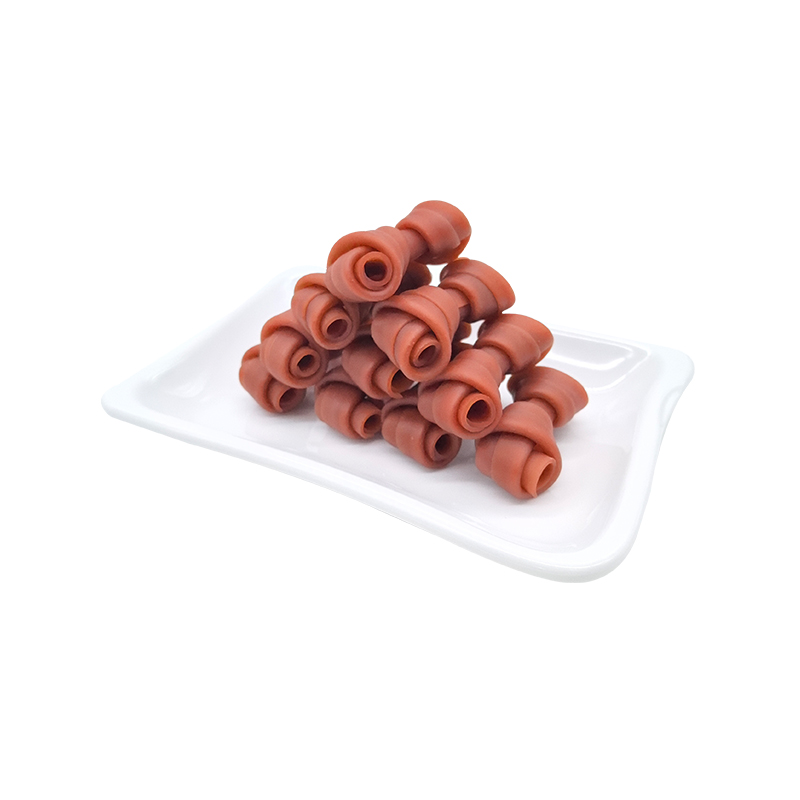
Knotted Bone Series
KN005 Dog single Color Bone Chew Snacks Safe and Healthy Pet Food is a healthy pet food made primari...View More -
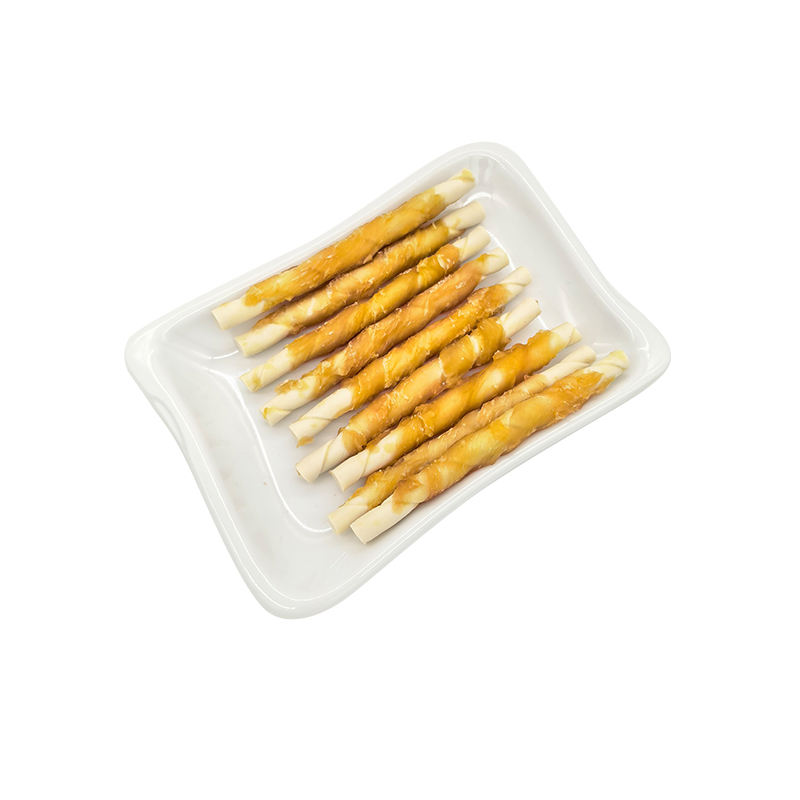
Meat Wrapped Dog Treats
ST001 Milk Flavored 12cm Nutritious Meat-Wrapped Pet Chicken Rolls Stick combine premium chicken wit...View More -
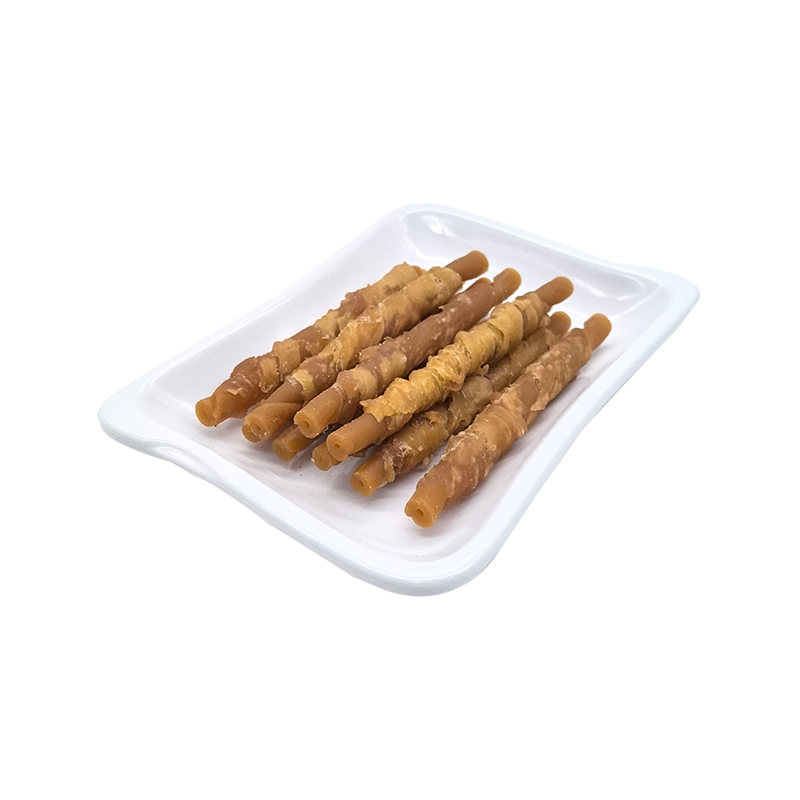
Meat Wrapped Dog Treats
ST002 Chicken Flavor Organic Dog Dental Chew Stick is a healthy and tasty snack designed for dogs’ d...View More
-
2026-11-24
Can Puppies Have Dental Chews? -
2026-11-20
What Makes Dental Sticks Good for Dogs?


TIME TO FEED YOUR PETS
-
Quick Links
-

The company integrates production and R&D functions, and its core business focuses on the R&D and production of pet snacks and pet chews.
-
Contact Us
Phone/WhatsApp:
+86 18067755187
E-mail:
[email protected]
Add: No. 358-1, Longqing Road, Nanmingshan Street, Liandu District, Lishui, Zhejiang, China
