Welcome to Lishui Tengyu Pet Food Co., Ltd.
[email protected]

 English
 Español
 Deutsch


Industry News

Industry News
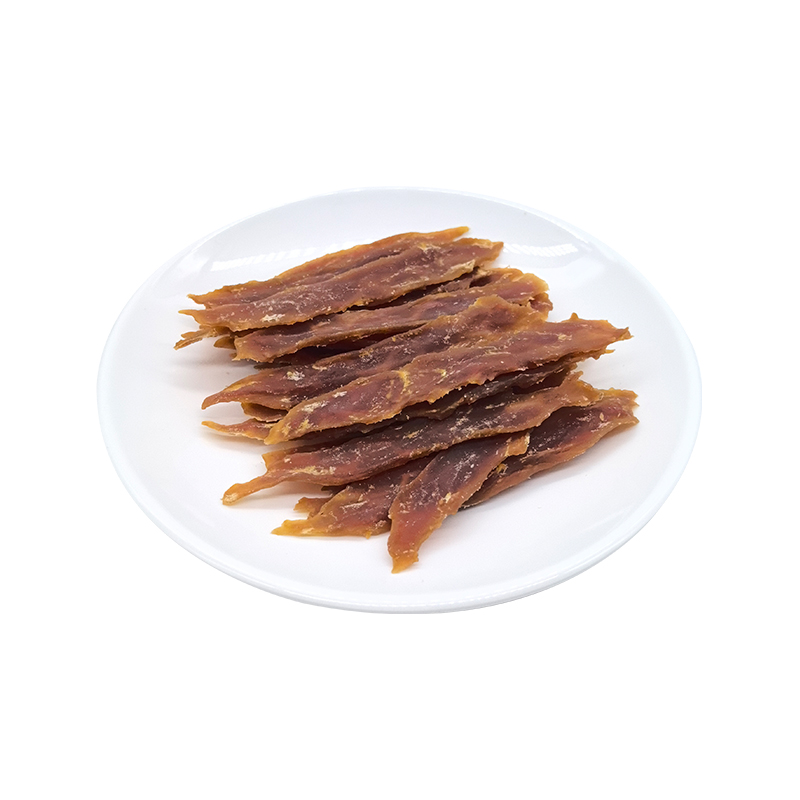
Duck Jerky For Dog Relies on Slow Drying, Not Additives
Two bags of jerky can list nearly identical ingredients and still behave completely differently once they reach a dog's bowl, and the difference usually comes down to how the meat was dried rather than what was added to it. Duck jerky for dog products built around a slow drying process depends on time and controlled conditions to achieve texture and shelf stability, rather than leaning on preservatives or additives to get there faster. Buyers comparing suppliers on ingredient lists alone often miss this production variable entirely, even though it shapes the eating experience more directly than the ingredient panel does.
Why Drying Method Determines Final Texture
The slow drying process used to produce duck jerky for dogs removes moisture gradually enough to concentrate flavor and protein without cooking the meat through in a way that destroys its natural chewiness. Rushing this process with higher heat produces a drier, more brittle texture that many dogs find less appealing and that breaks apart differently during chewing, changing how long the treat holds a dog's attention. Buyers sourcing jerky for markets where texture drives repeat purchases should ask suppliers specifically about drying time and temperature control, since these details affect the finished product more than the base meat quality alone.
What Non-GMO and Antibiotic-Free Sourcing Actually Confirms
Non-GMO meat sourcing for duck jerky for dog products means the duck was raised without genetically modified feed inputs, a distinction that matters increasingly to buyers selling into markets where this label carries weight with end consumers. Antibiotic-free and pesticide-free sourcing addresses a separate concern, confirming the animal was not treated with antibiotics during raising and that feed was not exposed to pesticide residue, which buyers should verify through supplier documentation rather than accepting the claim without supporting records. These sourcing claims are increasingly requested together as a package by buyers targeting premium retail positioning, since gaps in any one of them can undermine the credibility of the others.
Protein Concentration and Digestibility in Dried Formats
Drying naturally concentrates high-quality protein content relative to the same weight of fresh meat, since removing water increases the proportion of protein per gram in the finished product. This concentration effect is part of why jerky formats appeal to buyers targeting active or working dogs whose diets benefit from protein-dense treats, though buyers should confirm the finished product's protein percentage through lab testing rather than estimating it from the raw meat's known protein content, since drying time and method both affect the final concentration achieved.
Comparing Duck Jerky Production Approaches
|
Approach |
Drying Time |
Additive Use |
Typical Shelf Stability |
|
Slow, low-temperature drying |
Longer |
Minimal to none |
Strong, texture-dependent |
|
Fast, higher-temperature drying |
Shorter |
Sometimes required |
Strong, but texture affected |
|
Additive-assisted preservation |
Variable |
Preservatives added |
Extended without drying adjustment |
How Chewiness Affects Repeat Purchase Behavior
Duck jerky for dog products that retain a chewy rather than brittle texture tends to keep dogs engaged longer per serving, which buyers in retail and subscription channels often report as a driver of repeat purchase behavior more than ingredient list alone. This texture outcome traces directly back to drying method, which means buyers evaluating suppliers on ingredient sourcing alone may overlook a production variable that affects customer satisfaction just as much. Requesting a texture sample alongside a nutritional analysis gives buyers a fuller picture of how a batch of duck jerky for dogs will actually perform once it reaches a customer's hands, rather than relying on documentation review by itself.
Packaging and Moisture Control for Export Shipments
Since jerky retains some residual moisture even after slow drying, duck jerky for dog shipments destined for long transit times or humid destination climates need packaging that manages moisture exposure without altering the product's texture during transport. Buyers sourcing for markets with extended shipping times or variable climate conditions along the route should request accelerated shelf-life testing data specific to their planned packaging and transit duration, rather than relying on general shelf-life figures that may not reflect their particular supply chain conditions.
NEXT:Chicken Wrapped Bones For Dogs Combine Two Functions In One Chew
-
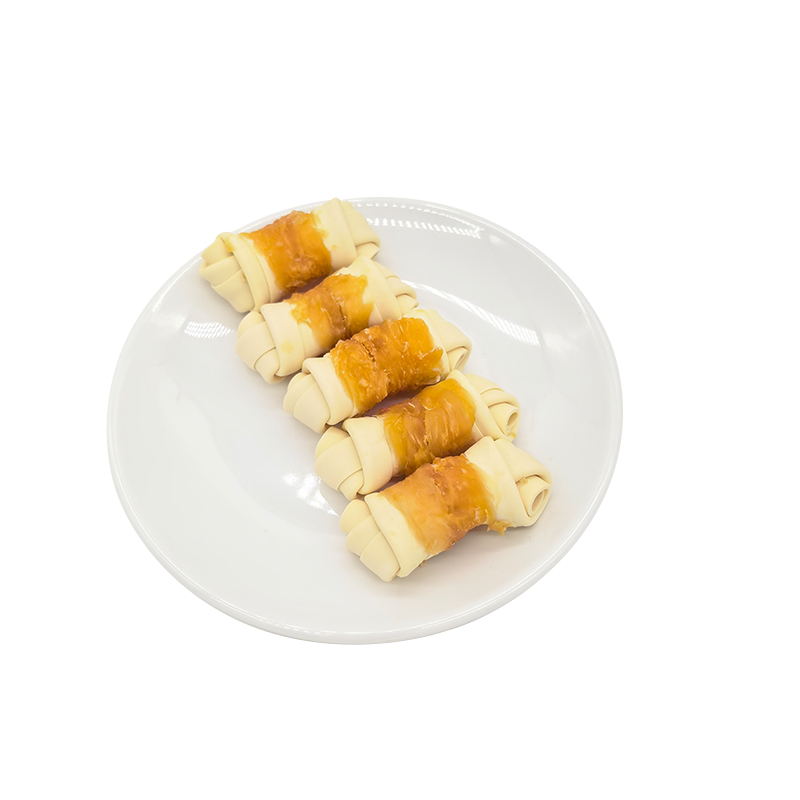
Meat Wrapped Dog Treats
Our KN001 2.5-3-inch chicken coated starch bone chewable tablets are designed specifically for dogs,...View More -
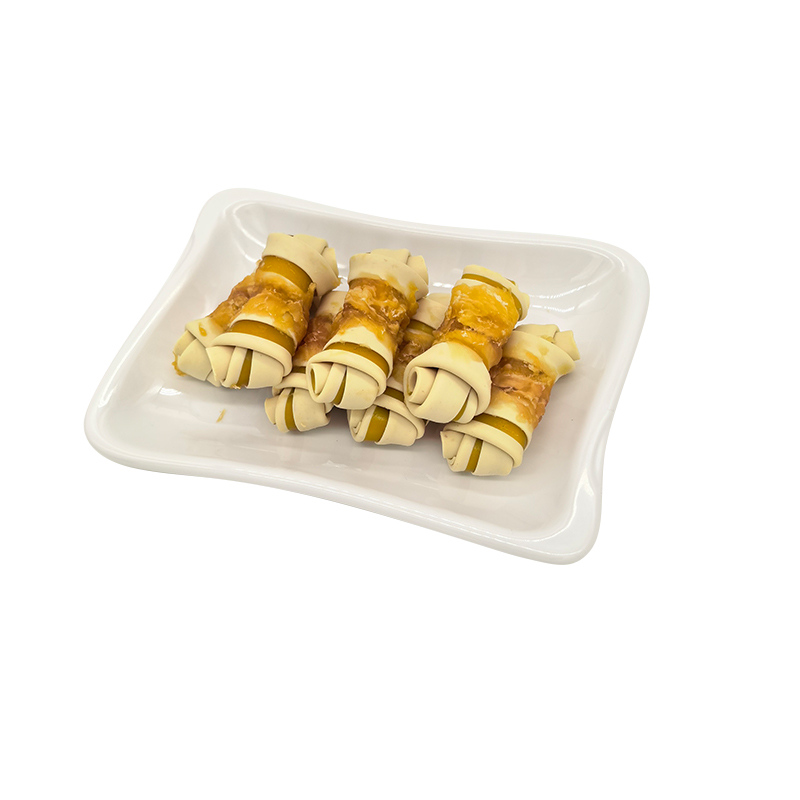
Meat Wrapped Dog Treats
The KN003 organic protein dog chew treats are crafted with a wholesome blend of corn starch, sweet p...View More -
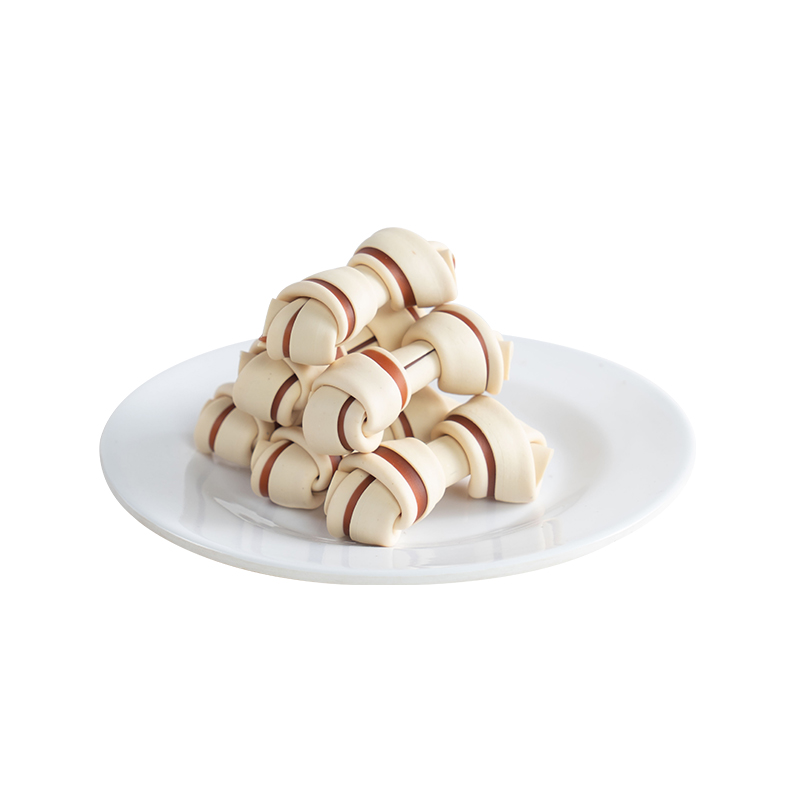
Knotted Bone Series
The KN004 Chewing Gum Grinding Teeth Cleaning Teeth Dog Snacks is a starch-based chew treat specific...View More -
Knotted Bone Series
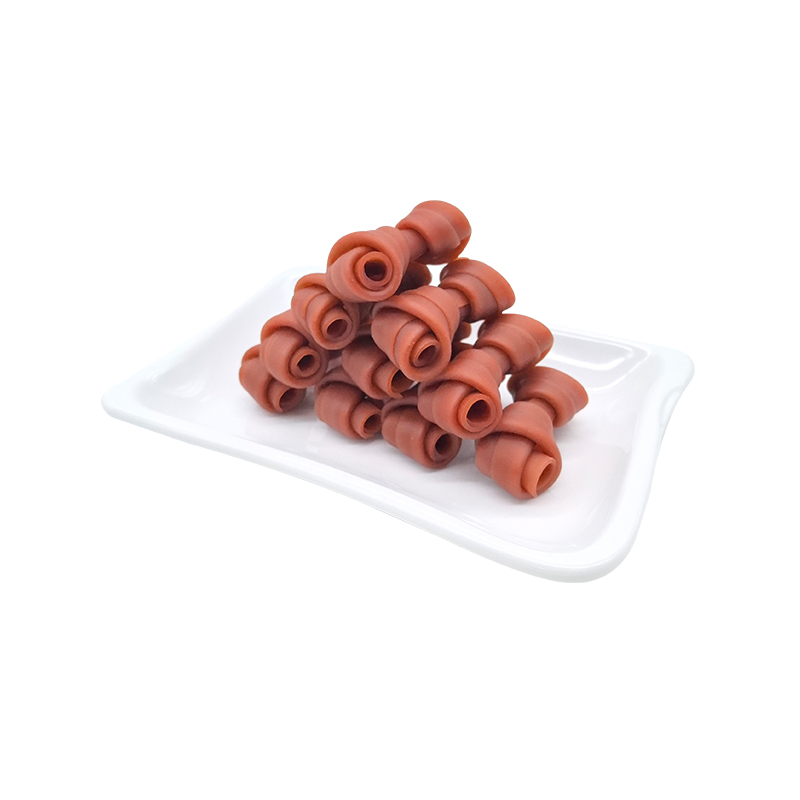
KN005 Dog single Color Bone Chew Snacks Safe and Healthy Pet Food is a healthy pet food made primari...View More -
Meat Wrapped Dog Treats
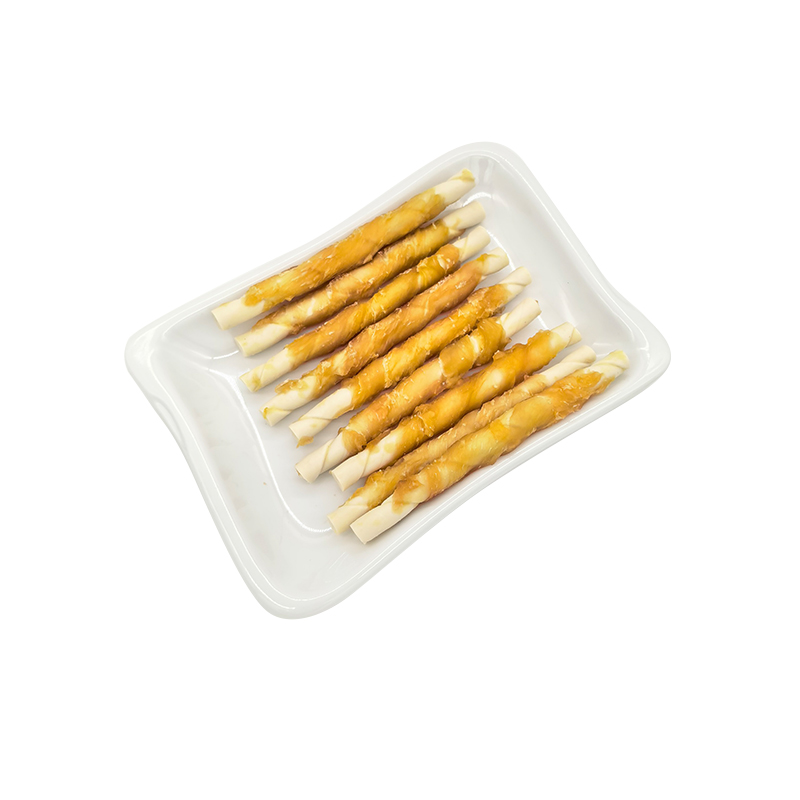
ST001 Milk Flavored 12cm Nutritious Meat-Wrapped Pet Chicken Rolls Stick combine premium chicken wit...View More -
Meat Wrapped Dog Treats
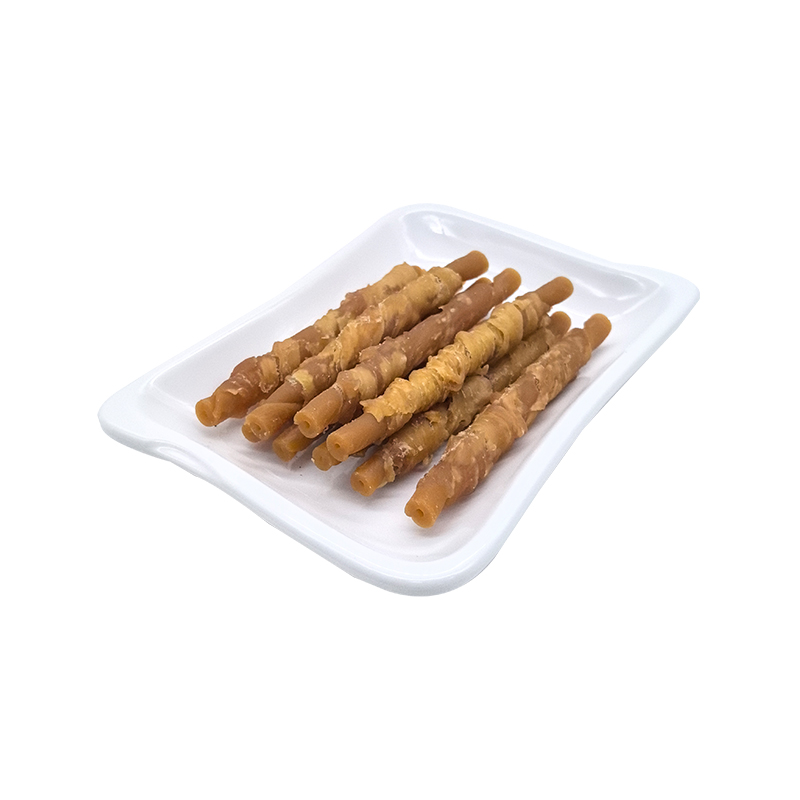
ST002 Chicken Flavor Organic Dog Dental Chew Stick is a healthy and tasty snack designed for dogs’ d...View More


TIME TO FEED YOUR PETS
-
Quick Links
-

The company integrates production and R&D functions, and its core business focuses on the R&D and production of pet snacks and pet chews.
-
Contact Us
Phone/WhatsApp:
+86 18067755187
+86-18657866096 E-mail:
[email protected]
[email protected] Add: No. 358-1, Longqing Road, Nanmingshan Street, Liandu District, Lishui, Zhejiang, China
