Welcome to Lishui Tengyu Pet Food Co., Ltd.
[email protected]

 English
 Español
 Deutsch


Industry News

Industry News
Chicken Wrapped Bones For Dogs Combine Two Functions In One Chew
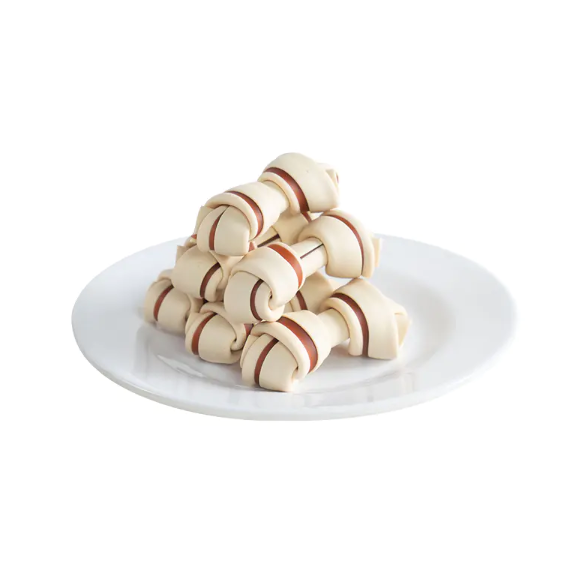
A treat aisle stocked with dental chews on one shelf and protein snacks on another suggests these are separate product categories, but chicken wrapped bones for dogs are built specifically to blur that line. The construction pairs a chew-resistant base with an outer meat layer, which means the same product addresses two different reasons a pet owner picks up a chew to begin with.
How the Two-Layer Construction Serves Two Purposes at Once
A chicken wrapped bones for dogs product is built from a chew-resistant base material wrapped in a layer of real meat, and each layer does distinct work during use. The base provides the friction surface that supports teeth cleaning as the dog gnaws, helping reduce plaque and tartar buildup through repeated mechanical contact rather than through any additive. The outer meat layer delivers flavor that keeps the dog engaged with the chew long enough for that friction to matter, since a base material alone without an appealing outer layer often gets abandoned before it delivers any dental benefit.
Why Protein Content on the Outside Matters for Formulation
Buyers evaluating chicken wrapped bones for dogs should understand that the outer meat layer functions as a protein supplement rather than simply a flavor coating, contributing quality protein to the overall nutritional profile of the treat. Some base formulations also incorporate added calcium or vitamins, which means the finished product can contribute measurably to a dog's daily nutrition rather than functioning purely as an occasional reward with no nutritional role. Buyers formulating private-label lines should ask suppliers for the specific protein and mineral content of both layers separately, since combining them into one blended figure obscures how much of the nutritional value comes from the meat wrap versus the base.
The Behavioral Case for Extended Chewing Time
Beyond nutrition and dental function, chicken wrapped bones for dogs serve a behavioral purpose tied to a dog's natural chewing instinct, supporting anxiety relief by giving dogs a focused outlet during moments of stress or boredom. Meeting this instinct through an appropriate chew can reduce destructive chewing on furniture or household items, and the extended chewing time this product format encourages gives dogs a structured outlet during periods when an owner is occupied elsewhere in the home. This behavioral function is often underweighted in product marketing compared to the dental and nutritional angles, even though it is frequently the reason a pet owner returns to purchase the same product repeatedly.
Comparing Chew Base Materials Used in This Format
|
Base Material |
Texture |
Digestibility |
Typical Chewer |
|
Rawhide-based |
Soft to medium |
Digests over time |
Moderate chewers |
|
Starch-based |
Firm, consistent bite |
Generally digestible |
Wide range of chewing styles |
|
Composite blend |
Varies by formulation |
Depends on blend ratio |
Buyer-specified |
Sizing and Flavor Range for Different Buyer Needs
Chicken wrapped bones for dogs are typically produced across a size range, commonly in the 2.5 to 4-inch category depending on target breed size, with smaller sizes reducing choking risk for smaller dogs while larger sizes suit dogs with stronger jaws. Flavor variations built on the same base and wrap construction let buyers offer product variety without requiring an entirely new production specification, since the underlying base material and wrapping process stay consistent across flavor lines. Buyers sourcing for private-label programs should confirm which sizes and flavors share the same base tooling, since this affects both minimum order quantities and how quickly a supplier can add new flavor variants to an existing order.
What Buyers Should Confirm Before Placing a Bulk Order
Since chicken wrapped bones for dogs combine a functional base with a perishable meat wrap, buyers should confirm moisture content and shelf-life testing data specific to the finished combined product rather than relying on shelf-life figures for the base material alone, since the meat wrap changes the moisture profile of the finished treat. Packaging format also matters more for this category than for single-layer treats, since the meat wrap is more sensitive to oxidation and moisture exposure during storage and transit than a dry base chew would be on its own. Buyers running this product through longer distribution chains should request accelerated shelf-life data specific to their intended packaging format rather than accepting a general shelf-life claim that may not reflect their particular storage and transit conditions.
NEXT:How Do Chicken Jerky Strips For Dogs Feel?
-
Meat Wrapped Dog Treats
Our KN001 2.5-3-inch chicken coated starch bone chewable tablets are designed specifically for dogs,...View More -
Meat Wrapped Dog Treats
The KN003 organic protein dog chew treats are crafted with a wholesome blend of corn starch, sweet p...View More -
Knotted Bone Series
The KN004 Chewing Gum Grinding Teeth Cleaning Teeth Dog Snacks is a starch-based chew treat specific...View More -
Knotted Bone Series
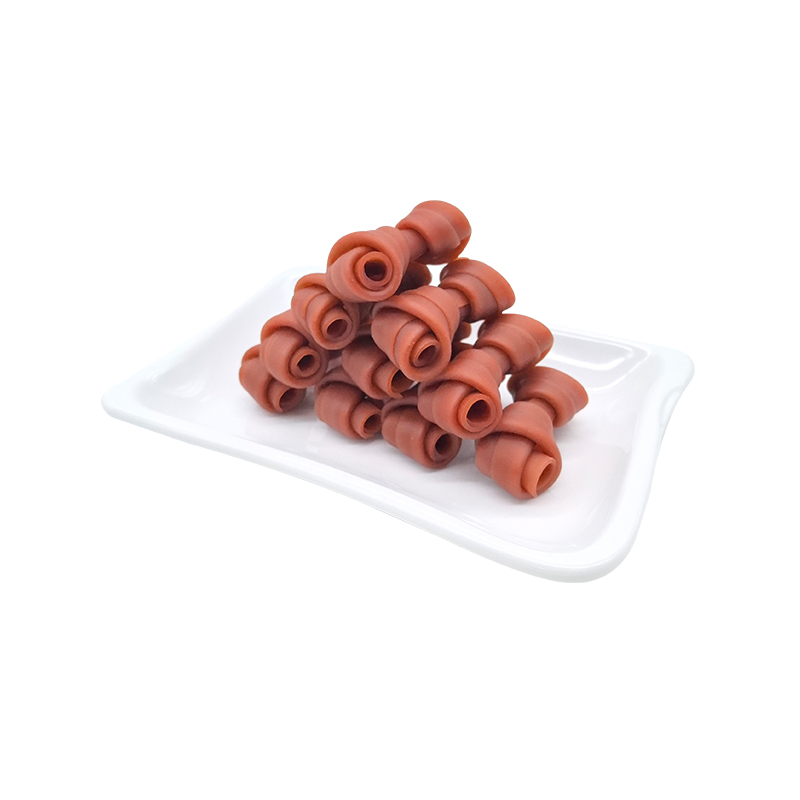
KN005 Dog single Color Bone Chew Snacks Safe and Healthy Pet Food is a healthy pet food made primari...View More -
Meat Wrapped Dog Treats
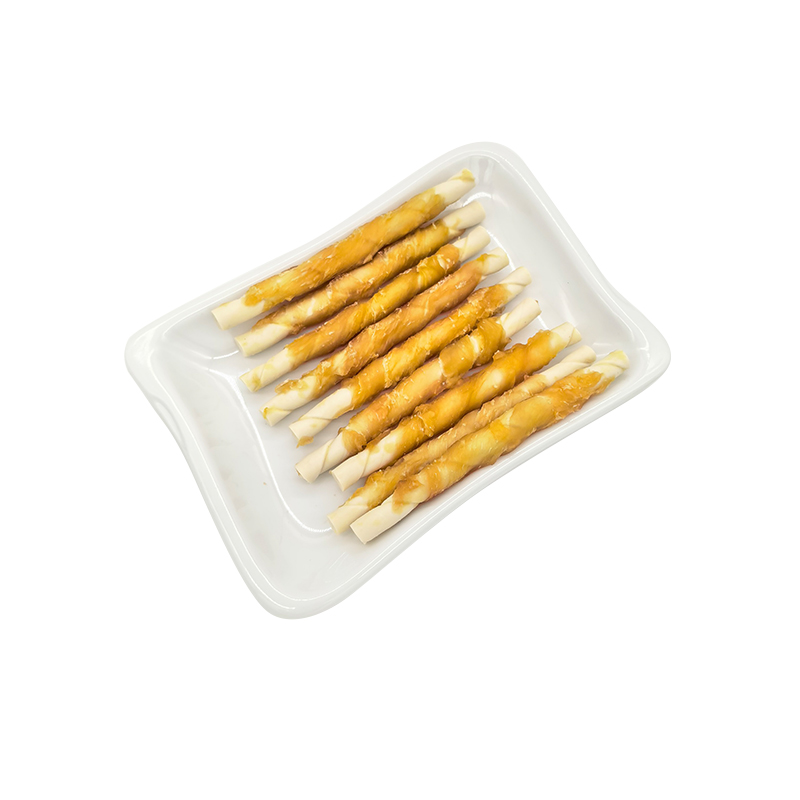
ST001 Milk Flavored 12cm Nutritious Meat-Wrapped Pet Chicken Rolls Stick combine premium chicken wit...View More -
Meat Wrapped Dog Treats
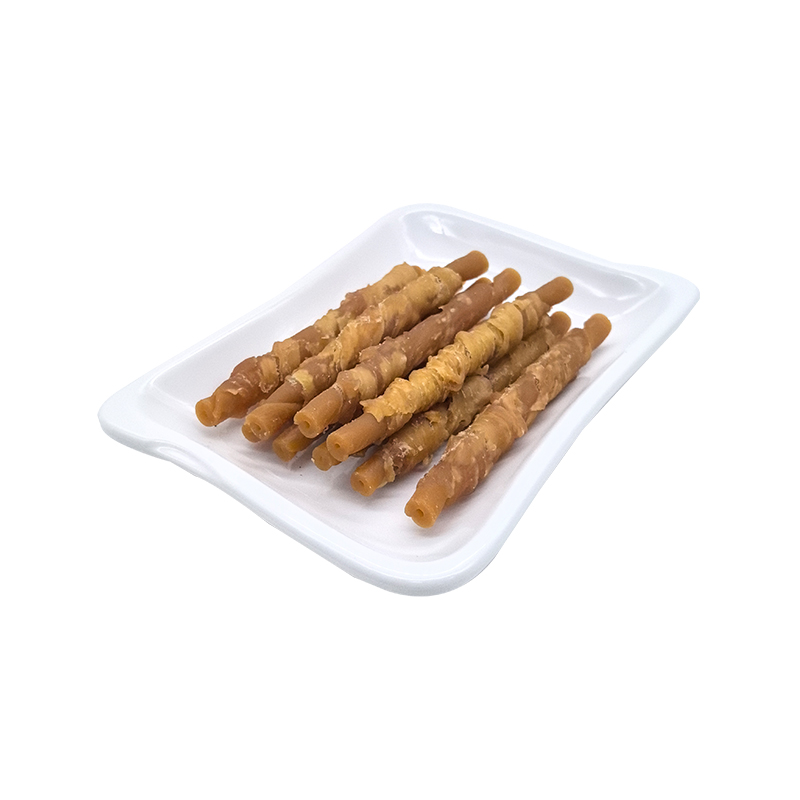
ST002 Chicken Flavor Organic Dog Dental Chew Stick is a healthy and tasty snack designed for dogs’ d...View More


TIME TO FEED YOUR PETS
-
Quick Links
-

The company integrates production and R&D functions, and its core business focuses on the R&D and production of pet snacks and pet chews.
-
Contact Us
Phone/WhatsApp:
+86 18067755187
+86-18657866096 E-mail:
[email protected]
[email protected] Add: No. 358-1, Longqing Road, Nanmingshan Street, Liandu District, Lishui, Zhejiang, China
