Welcome to Lishui Tengyu Pet Food Co., Ltd.
[email protected]

 English
 Español
 Deutsch


Industry News

Industry News
Knotted Dog Chews: Safety Discussions Among Pet Owners
Within pet owner communities, from online forums to veterinary waiting rooms, conversations about pet product safety are ongoing and vital. Recently, knotted dog chews have become a specific topic of dialogue and inquiry among caregivers. This heightened attention reflects a growing desire to understand not just the marketing claims of products, but their practical, everyday implications for canine safety.
Voices from the Community: Shared Experiences and Questions
A review of community discussions reveals a pattern of shared curiosity and caution. Pet owners frequently exchange stories about their dogs' interactions with these chews, noting both positive engagement and occasional concerns. Common questions that arise include: "How do I know if this is becoming too worn?" "My dog seems to be eating small pieces—should I be worried?" and "What should I look for when buying one?" These inquiries point to a commendable level of engagement and a willingness to seek collective knowledge beyond the product label.
Professional Insights on Chew Toy Interactions
Animal health professionals often contribute valuable context to these discussions. Veterinarians may note that while chew toys can support dental health, they also encounter cases related to foreign body ingestion or dental fractures. Their perspective typically emphasizes that the safety of any chew is relative and heavily dependent on the dog's individual behavior and the owner's management practices. They often highlight supervision and appropriate sizing as the most effective tools for prevention. This professional guidance helps ground community conversations in practical risk management.
Evolving Information and Consumer Awareness
The increased discussion around products like knotted chews signals a shift in consumer awareness. Pet owners are increasingly looking at the long-term use of a product, not just its initial appeal. This has encouraged more detailed conversations about material composition, manufacturing standards, and durability testing. While brand names are part of these talks, the core focus often remains on tangible attributes: how the chew feels, how it holds up over days or weeks, and how a specific dog interacts with it.
The Role of Observation and Shared Knowledge
At the heart of these community discussions is the power of observation. Owners are encouraged to become keen observers of their pets. Sharing specifics—such as a description of how the chew wears down, the size of any pieces chewed off, or changes in a dog's chewing style—builds a repository of practical knowledge. This collective observation helps others identify what might be normal wear versus signs that a chew should be discarded.
Toward Informed and Proactive Pet Care
The attention being paid to knotted dog chews is, fundamentally, a positive development. It represents a move toward more proactive and informed pet parenting. When owners gather to discuss the nuances of a product's use, they are taking shared responsibility for elevating safety standards through education and vigilance. This community-driven dialogue complements professional advice, creating a more robust framework for making choices that prioritize animal well-being. The outcome is a more discerning and attentive community of caregivers, better equipped to navigate the vast array of products available for their pets.
NEXT:Knotted Dog Chews: Weighing Advantages, Considerations, and Safe Practices
-
Meat Wrapped Dog Treats
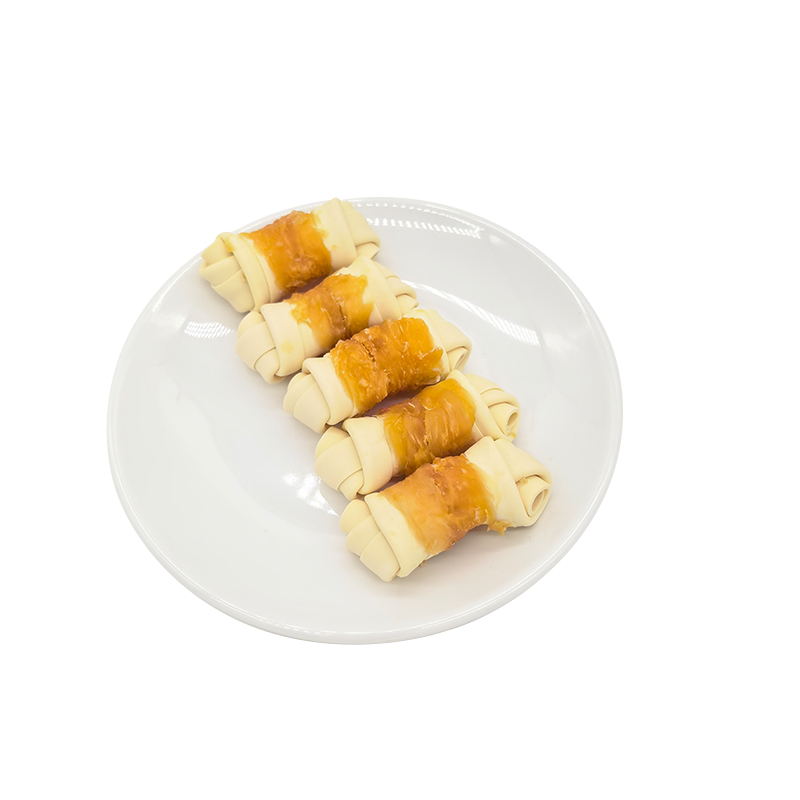
Our KN001 2.5-3-inch chicken coated starch bone chewable tablets are designed specifically for dogs,...View More -
Meat Wrapped Dog Treats
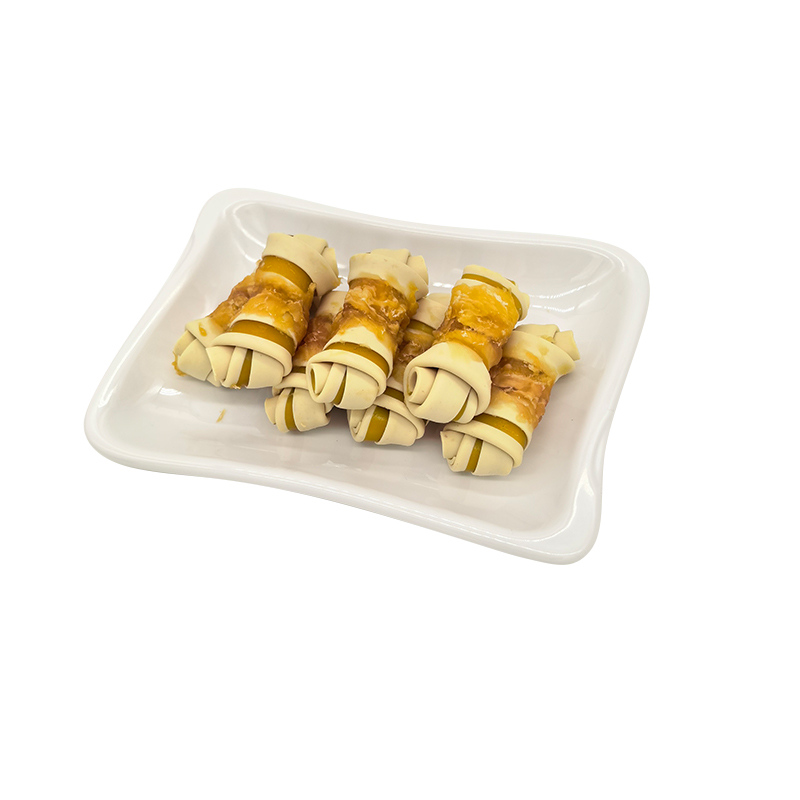
The KN003 organic protein dog chew treats are crafted with a wholesome blend of corn starch, sweet p...View More -
Knotted Bone Series
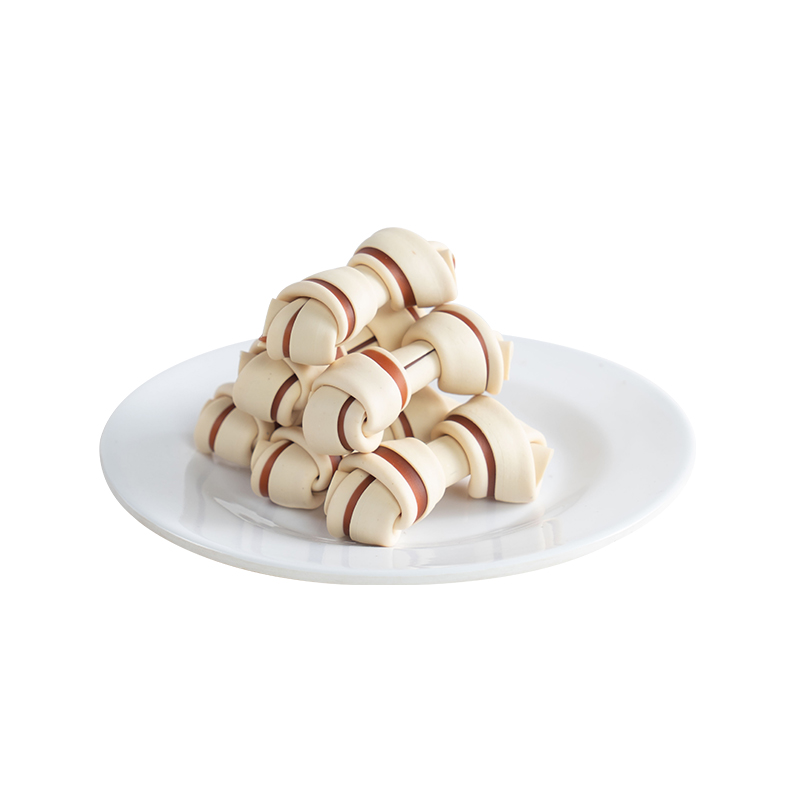
The KN004 Chewing Gum Grinding Teeth Cleaning Teeth Dog Snacks is a starch-based chew treat specific...View More -
Knotted Bone Series
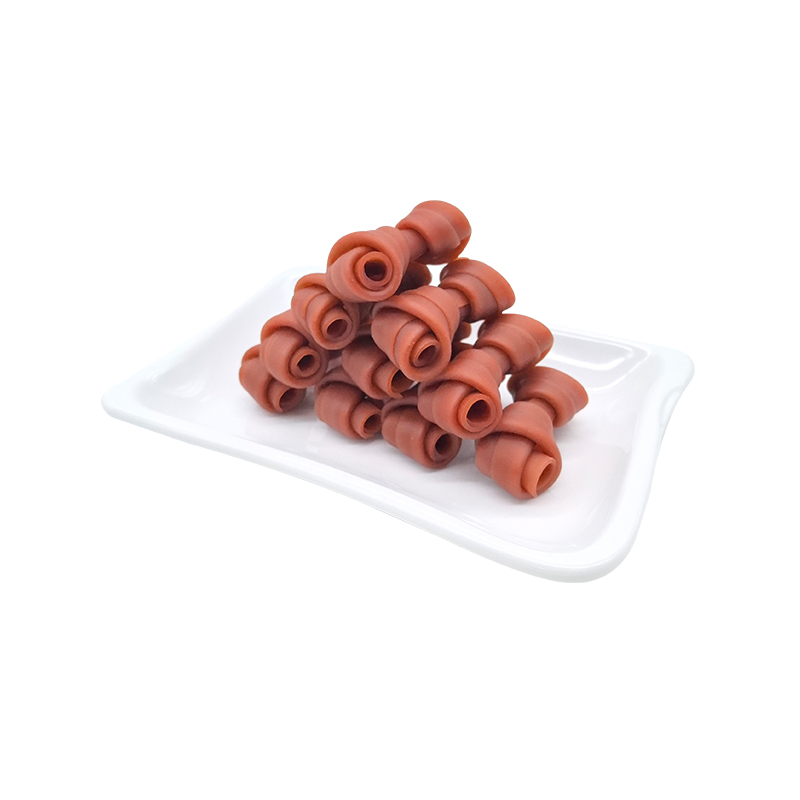
KN005 Dog single Color Bone Chew Snacks Safe and Healthy Pet Food is a healthy pet food made primari...View More -
Meat Wrapped Dog Treats
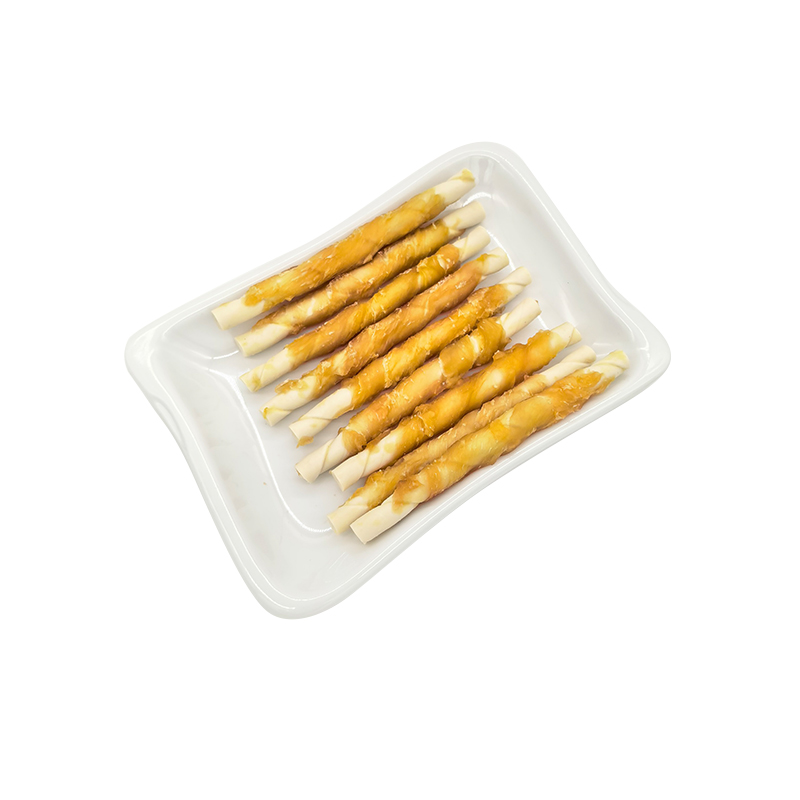
ST001 Milk Flavored 12cm Nutritious Meat-Wrapped Pet Chicken Rolls Stick combine premium chicken wit...View More -
Meat Wrapped Dog Treats
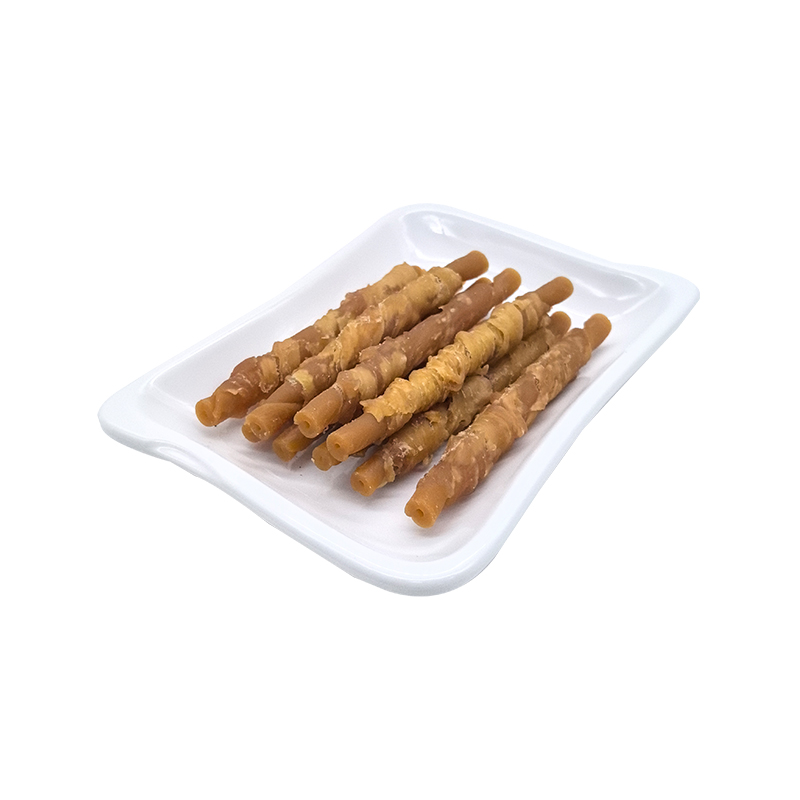
ST002 Chicken Flavor Organic Dog Dental Chew Stick is a healthy and tasty snack designed for dogs’ d...View More

TIME TO FEED YOUR PETS
-
Quick Links
-

The company integrates production and R&D functions, and its core business focuses on the R&D and production of pet snacks and pet chews.
-
Contact Us
Phone/WhatsApp:
+86 18067755187
+86-18657866096 E-mail:
[email protected]
[email protected] Add: No. 358-1, Longqing Road, Nanmingshan Street, Liandu District, Lishui, Zhejiang, China
