Welcome to Lishui Tengyu Pet Food Co., Ltd.
[email protected]

 English
 Español
 Deutsch


Industry News

Industry News
Knotted Dog Chews: Weighing Advantages, Considerations, and Safe Practices
In the landscape of dog toys, knotted chews hold a notable position, often praised for their longevity and utility. However, a balanced understanding of knotted dog chews involves looking at their full profile—the potential benefits they offer, the considerations they warrant, and the practices that support their safe use. This comprehensive view empowers pet owners to integrate these products thoughtfully into their dog's routine.
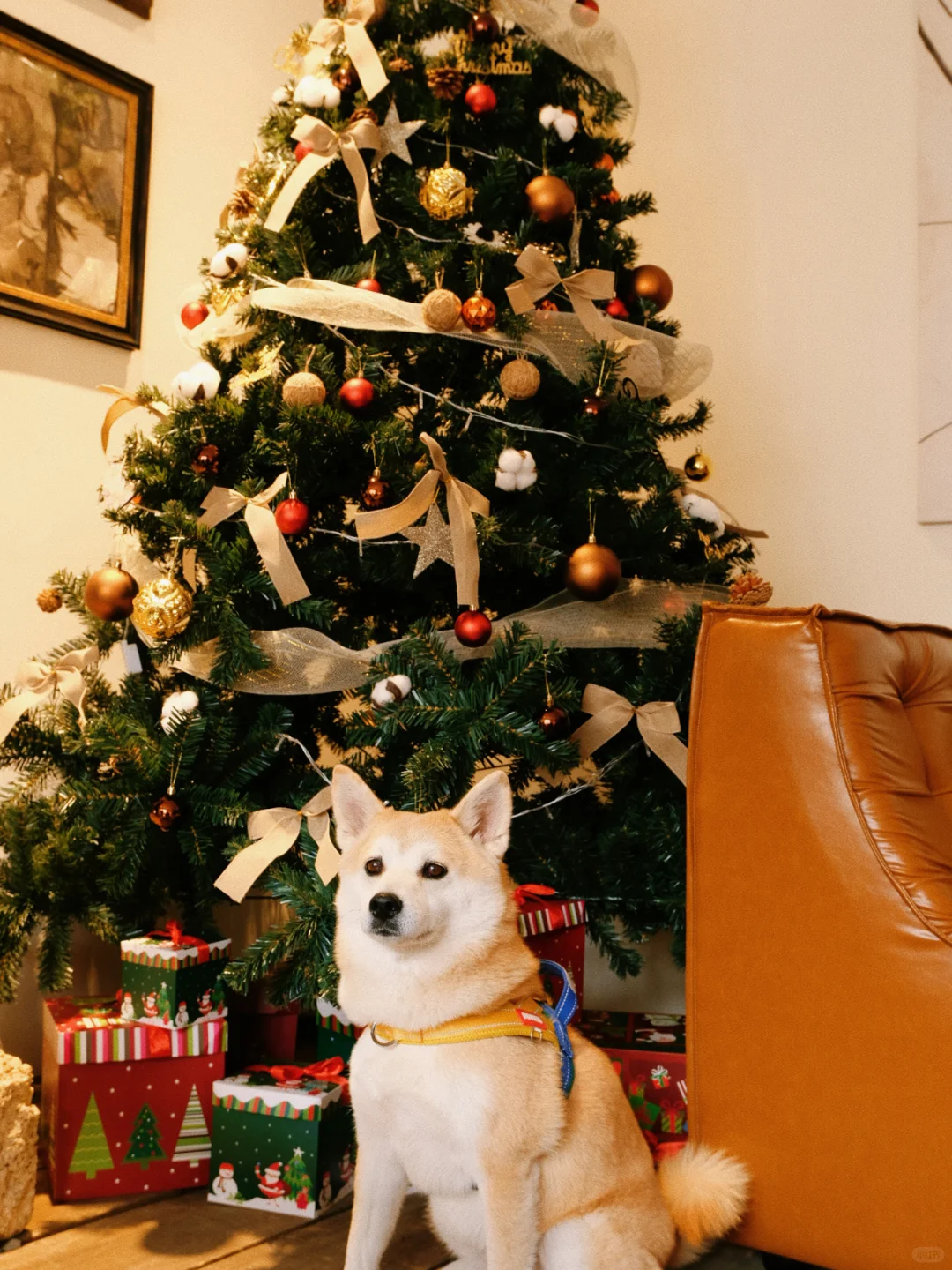
Reported Benefits for Canine Well-being
These chews are associated with several positive outcomes. A primary advantage is dental support. The act of chewing and the textured surface can help reduce plaque buildup through mechanical action, contributing to oral hygiene. Furthermore, chewing is a natural, instinctive behavior for dogs. Providing a dedicated outlet for this instinct can aid in alleviating boredom, reducing anxiety, and redirecting behaviors like inappropriate chewing on household items. For many dogs, the sustained activity offered by a long-lasting chew also serves as a source of mental engagement and calm.
Acknowledging Points for Consideration
Alongside these benefits, there are recognized factors to keep in mind. The physical durability of the chew, while a selling point, means that pieces chewed off are not digestible. This introduces a possibility of gastrointestinal upset or blockage if large pieces are consumed. There is also a potential for dental damage if a dog with existing dental issues or one that bites with extreme force chews on an inappropriately hard material. These considerations are not inherent flaws but are aspects of the product's nature that require responsible management from the owner.
Establishing a Foundation of Safe Use
Safety is not a feature of the product alone; it is a result of how the product is used. A foundational practice is selection based on individual fit. The chew should match the dog's size and chewing intensity. A toy that is too small or too soft for a given dog increases risks. The cornerstone of ongoing safety is consistent, active supervision. Knotted chews should be given during periods when an owner can periodically check on the dog’s interaction. This allows for timely intervention if the chew becomes damaged or if the dog’s chewing becomes overly vigorous.
Routine Maintenance and Inspection
Proactive care extends the safe life of the chew. Instituting a routine of pre- and post-use inspections is highly recommended. Look for changes in the toy’s structure: new cracks, fraying at the knots, deep grooves, or any pieces that have become detached. The integrity of the toy diminishes with wear, and recognizing the signs of significant wear is a critical skill. Replacing a chew before it breaks apart is a simple but effective preventive measure.
Creating a Balanced Enrichment Environment
A knotted chew is most effective as one component within a varied enrichment plan. Dogs benefit from different types of stimulation—mental, physical, and sensory. While a chew addresses gnawing instincts, other activities like scent games, training exercises, and different toy types should also be part of the routine. This holistic approach ensures the dog’s needs are met in multiple ways and prevents over-reliance on any single item. By appreciating the full picture—advantages, considerations, and necessary practices—owners can make deliberate choices that support their dog’s health and happiness in a managed and informed manner.
NEXT:Knotted Dog Chews for Determined Chewers: A Selection Guide
-
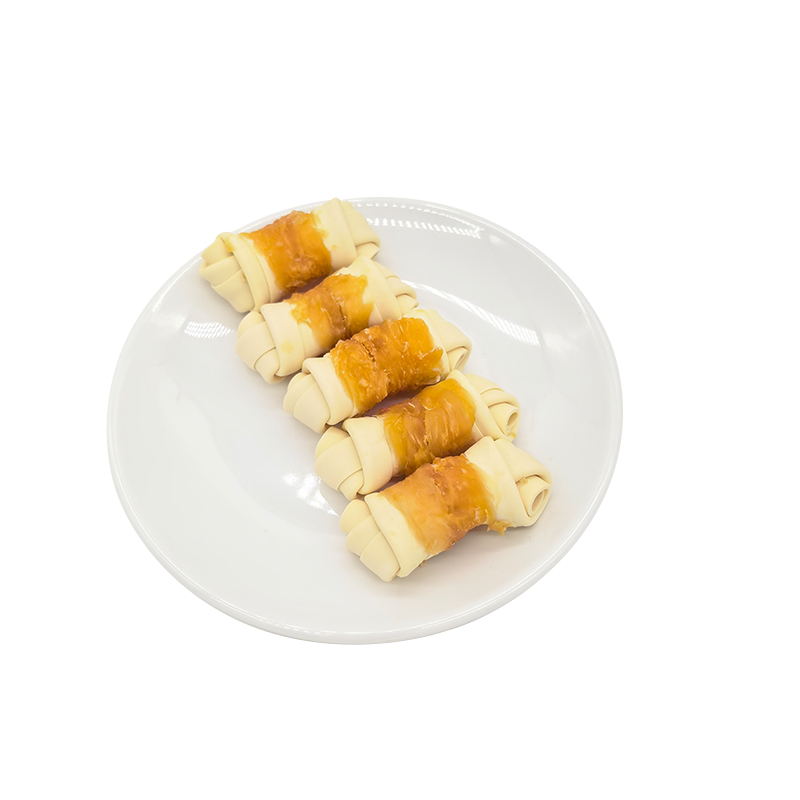
Meat Wrapped Dog Treats
Our KN001 2.5-3-inch chicken coated starch bone chewable tablets are designed specifically for dogs,...View More -
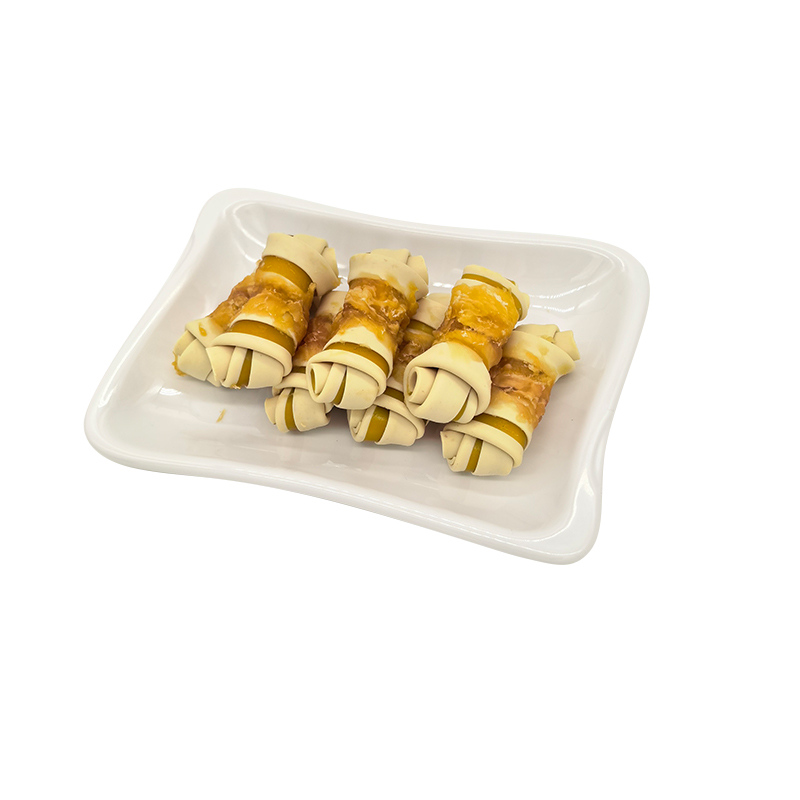
Meat Wrapped Dog Treats
The KN003 organic protein dog chew treats are crafted with a wholesome blend of corn starch, sweet p...View More -
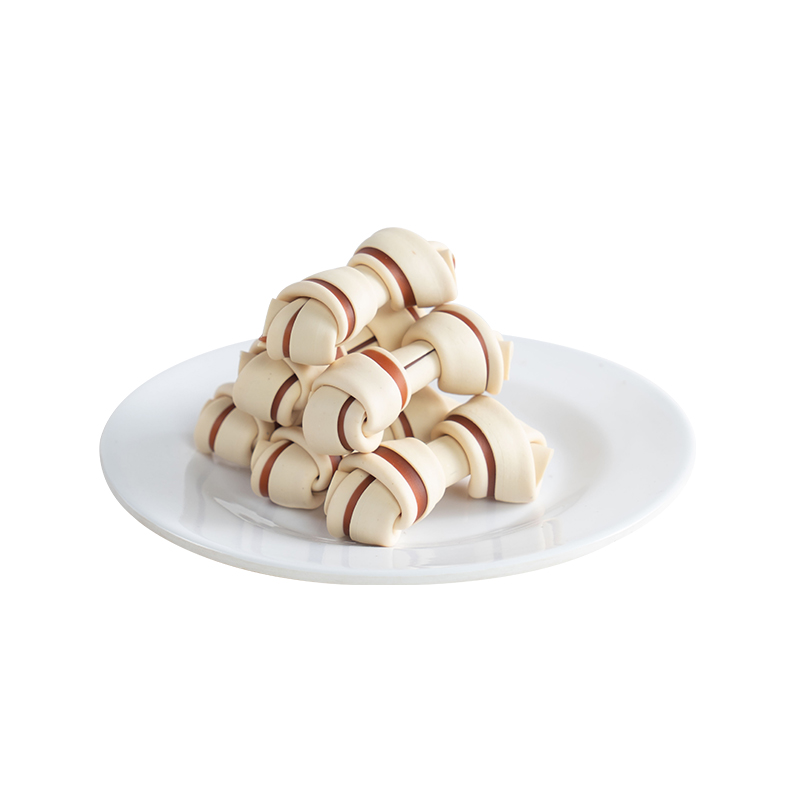
Knotted Bone Series
The KN004 Chewing Gum Grinding Teeth Cleaning Teeth Dog Snacks is a starch-based chew treat specific...View More -
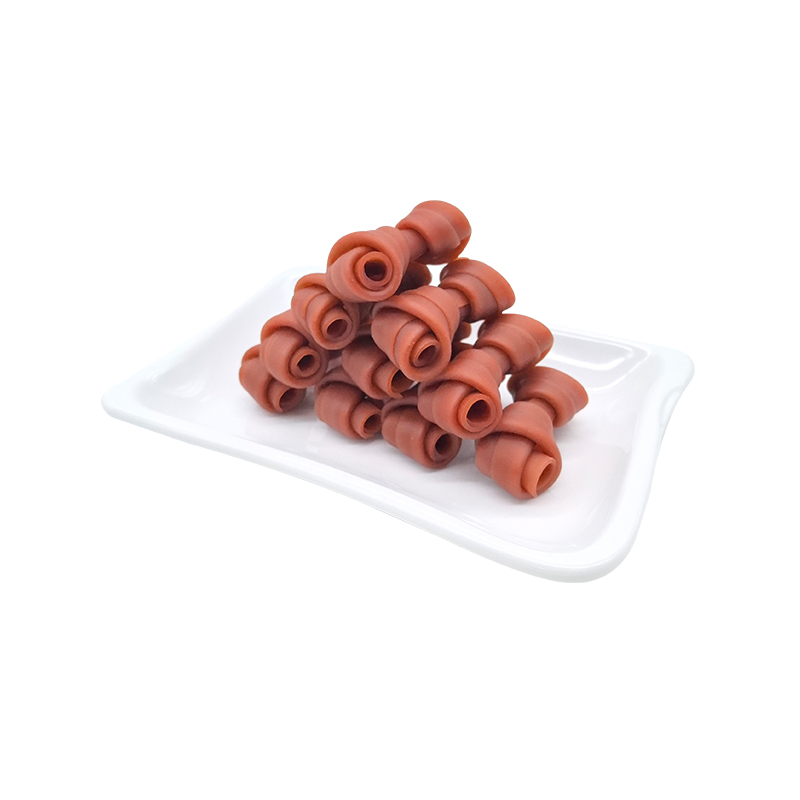
Knotted Bone Series
KN005 Dog single Color Bone Chew Snacks Safe and Healthy Pet Food is a healthy pet food made primari...View More -
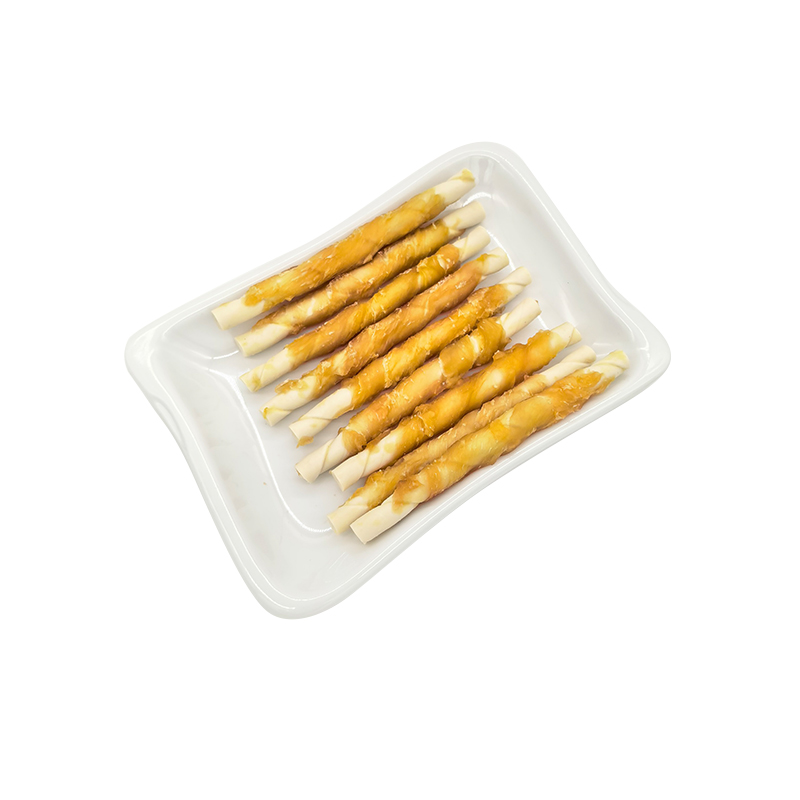
Meat Wrapped Dog Treats
ST001 Milk Flavored 12cm Nutritious Meat-Wrapped Pet Chicken Rolls Stick combine premium chicken wit...View More -
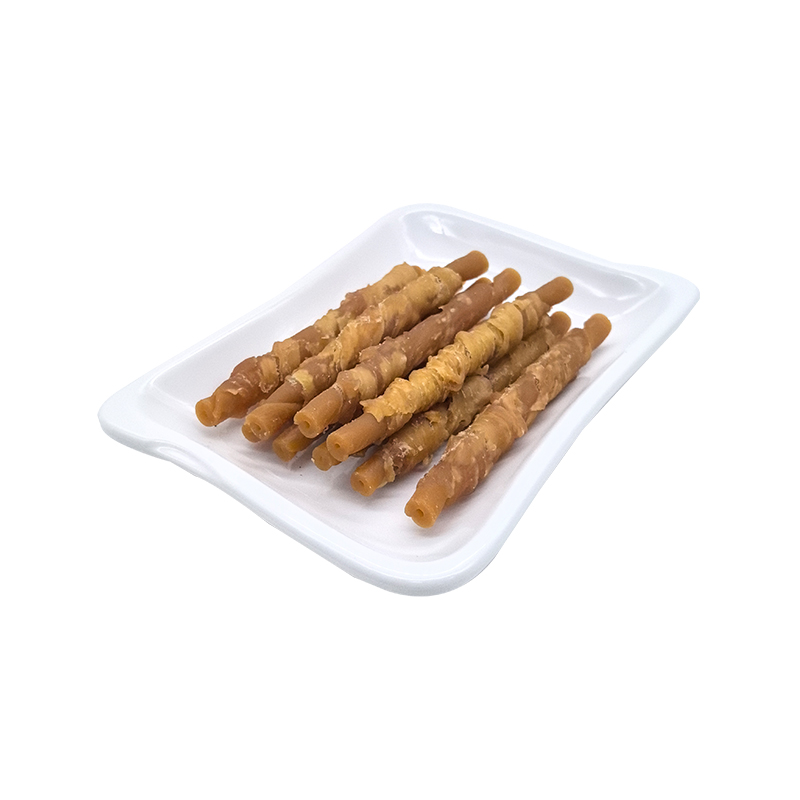
Meat Wrapped Dog Treats
ST002 Chicken Flavor Organic Dog Dental Chew Stick is a healthy and tasty snack designed for dogs’ d...View More

TIME TO FEED YOUR PETS
-
Quick Links
-

The company integrates production and R&D functions, and its core business focuses on the R&D and production of pet snacks and pet chews.
-
Contact Us
Phone/WhatsApp:
+86 18067755187
+86-18657866096 E-mail:
[email protected]
[email protected] Add: No. 358-1, Longqing Road, Nanmingshan Street, Liandu District, Lishui, Zhejiang, China
