Welcome to Lishui Tengyu Pet Food Co., Ltd.
[email protected]

 English
 Español
 Deutsch


Industry News

Industry News
Puppy Jerky Treats: Feeding Frequency and Portion Discussions
Introducing puppy jerky treats into a young dog's routine is about more than just handing out a snack; it involves thoughtful integration into their overall diet. Even the most suitable treat can contribute to issues if given in inappropriate amounts. Understanding how often to offer these chews and in what quantity is crucial for maintaining a puppy's nutritional balance, healthy weight, and overall well-being.
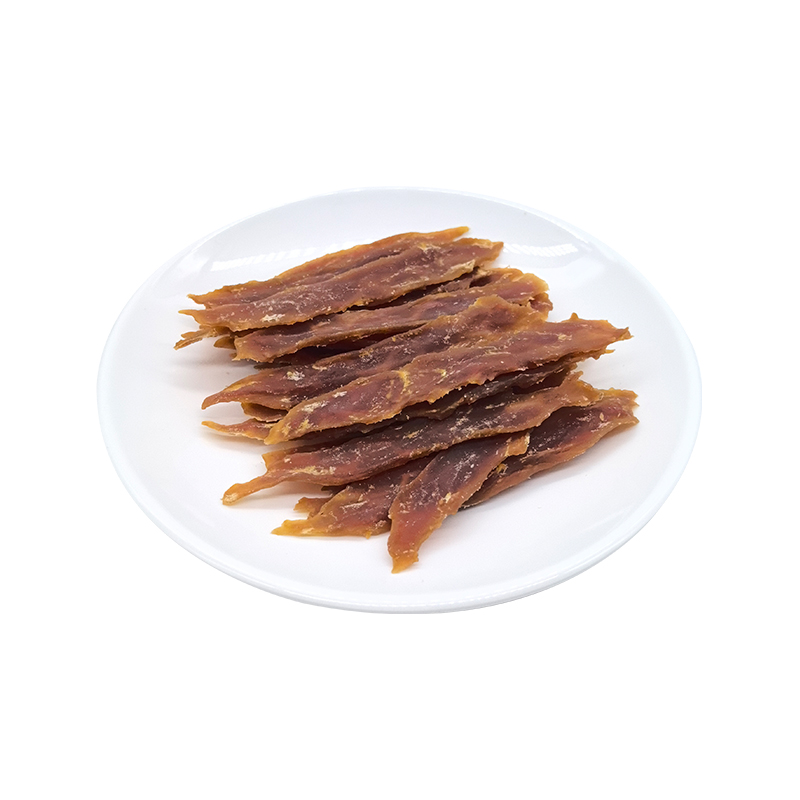
The Guiding Principle: The 10% Rule
A widely accepted guideline in veterinary and pet nutrition circles is that treats should not constitute more than 10% of a puppy's total daily caloric intake. The remaining 90% should come from their complete and balanced primary meals. This rule helps prevent unbalancing a carefully formulated diet, which is critical for a puppy's growth phase. Adhering to this principle safeguards against weight gain and ensures the puppy receives all the necessary nutrients from their main food source.
Factors Influencing Treatment Portions
Determining a specific portion size for puppy jerky treats is not a one-size-fits-all calculation. A puppy's age, breed, and expected adult size play a role, as their caloric needs differ greatly. The treat itself must be evaluated: a dense, rich jerky contains more calories per piece than a light, airy treat. Finally, the day's activities should be considered. A puppy undergoing a long training session may reasonably receive more treat pieces than a puppy having a quiet day at home, with adjustments made to their next meal if needed.
Practical Integration into Daily Routines
Smart integration maximizes the utility of treats while managing intake. For training rewards, a single jerky treat can be broken into many small, pea-sized pieces. This provides numerous positive reinforcements without adding a large volume of calories. For chewing satisfaction, offering a larger piece for a controlled period under supervision can address teething needs. It is generally not advised to use jerky treats as a meal replacement; their purpose is complementary.
Recognizing Signs of Overfeeding
Being attentive to a puppy's response is important. Short-term signs that treat portions may be too generous can include digestive upset, such as soft stools or a temporary lack of interest in their regular meals. Over a longer period, consistent overfeeding with treats, even healthy ones, can lead to unhealthy weight gain and may cause a puppy to become selective about eating their nutritionally complete primary food.
Creating a Sustainable Treat Routine
Establishing a consistent routine is helpful. Owners might decide to allocate a certain number of small treat pieces for training each day or designate specific times for longer chewing sessions. Keeping the puppy's total daily allowance in mind from the morning can help with pacing. Regularly reassessing the puppy's body condition and energy levels will provide feedback on whether the current treat regimen is appropriate.
A mindful approach to feeding puppy jerky treats ensures they remain a source of joy and positive reinforcement rather than a dietary concern. By respecting portion guidelines, considering the puppy's individual needs, and observing their response, owners can seamlessly incorporate these snacks into a holistic care plan. This balanced method supports training, enriches the human-animal bond, and prioritizes the puppy's long-term health.
NEXT:Puppy Jerky Treats: Ingredient Transparency Matters to Buyers
-
Meat Wrapped Dog Treats
Our KN001 2.5-3-inch chicken coated starch bone chewable tablets are designed specifically for dogs,...View More -
Meat Wrapped Dog Treats
The KN003 organic protein dog chew treats are crafted with a wholesome blend of corn starch, sweet p...View More -
Knotted Bone Series
The KN004 Chewing Gum Grinding Teeth Cleaning Teeth Dog Snacks is a starch-based chew treat specific...View More -
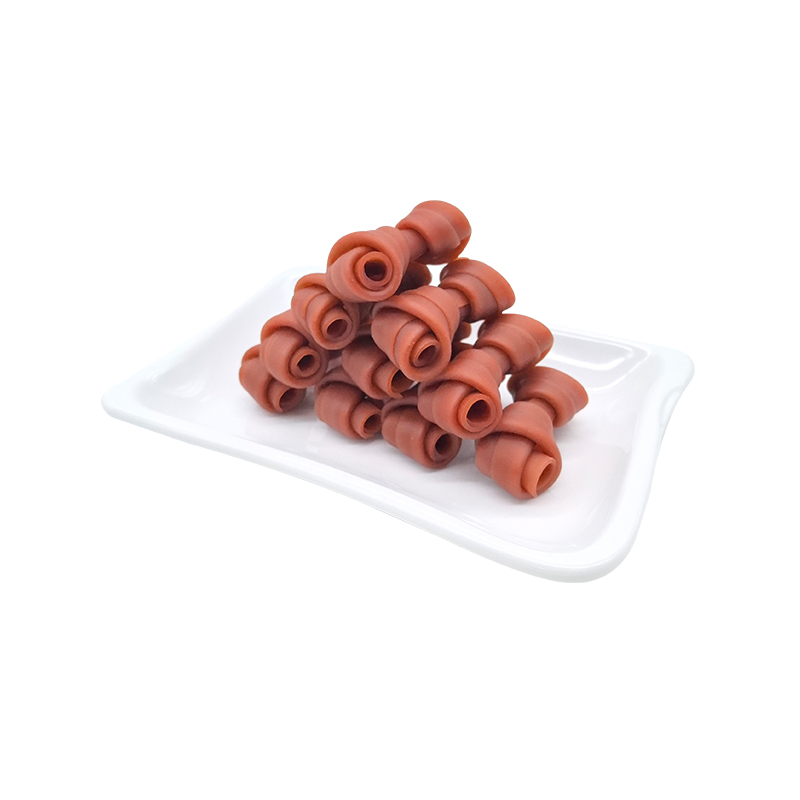
Knotted Bone Series
KN005 Dog single Color Bone Chew Snacks Safe and Healthy Pet Food is a healthy pet food made primari...View More -
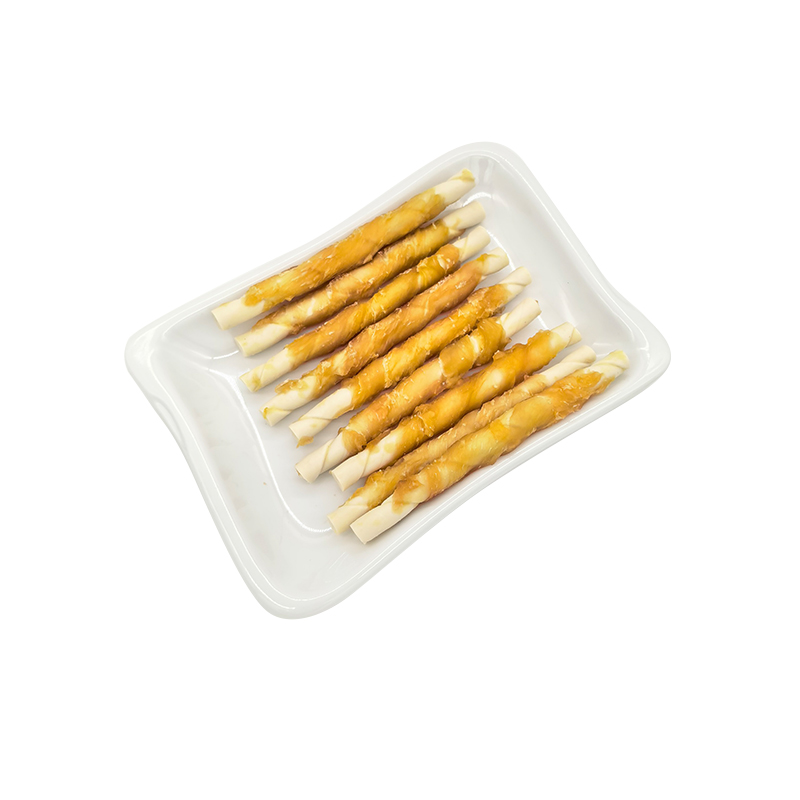
Meat Wrapped Dog Treats
ST001 Milk Flavored 12cm Nutritious Meat-Wrapped Pet Chicken Rolls Stick combine premium chicken wit...View More -
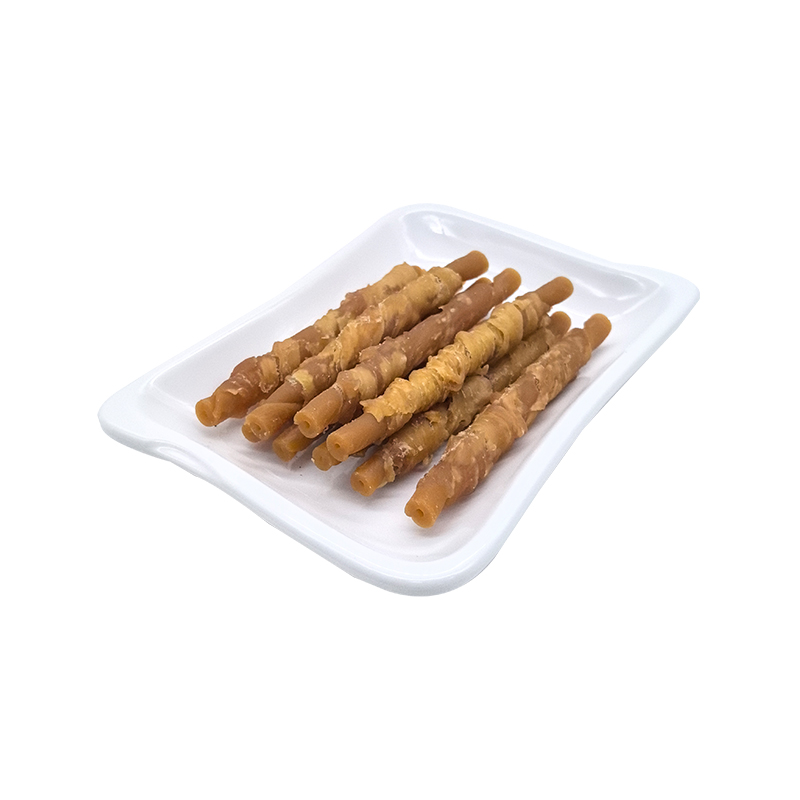
Meat Wrapped Dog Treats
ST002 Chicken Flavor Organic Dog Dental Chew Stick is a healthy and tasty snack designed for dogs’ d...View More

TIME TO FEED YOUR PETS
-
Quick Links
-

The company integrates production and R&D functions, and its core business focuses on the R&D and production of pet snacks and pet chews.
-
Contact Us
Phone/WhatsApp:
+86 18067755187
+86-18657866096 E-mail:
[email protected]
[email protected] Add: No. 358-1, Longqing Road, Nanmingshan Street, Liandu District, Lishui, Zhejiang, China
