Welcome to Lishui Tengyu Pet Food Co., Ltd.
[email protected]

 English
 Español
 Deutsch


Industry News

Industry News
What Are Dog Chews Made Of?
If you have ever watched what a dog does when left alone, the answer is probably chewing. Sofa corners, slippers, table legs—chewing is a natural canine instinct. It helps dogs clean their teeth, release energy, and ease anxiety. Puppies going through teething, at around three to six months old, also chew to relieve gum discomfort.
This is why dog chews are a staple in almost every dog-owning household. But when you stand in front of a pet store shelf filled with different options, a practical question arises: What are they actually made of, and which type suits my dog?
This guide explains the four most common types of dog chews: their ingredients, advantages and disadvantages, suitable users, and buying considerations. By the end, you will be able to make a confident choice based on your dog’s age, size, and chewing habits.
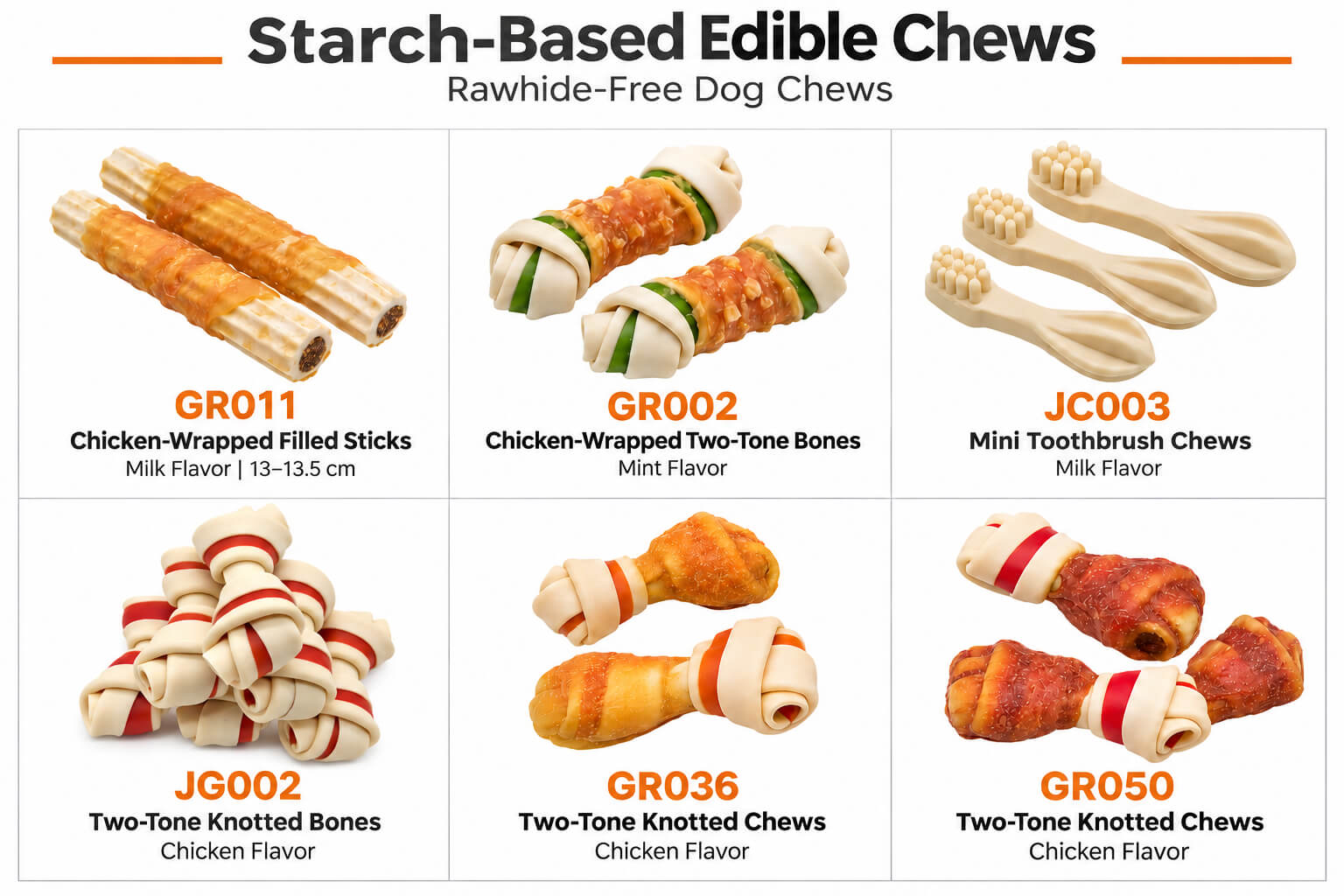
Type 1: Rawhide-Free Dog Chews(Starch-Based Edible Chews)
Ingredients
These are among the most common chews found in supermarkets and pet stores. Essentially, they are chew treats designed to be eaten entirely. Their main ingredients include:
- Corn starch, potato starch, and sweet potato powder
- Small amounts of grain flour, such as rice flour or oat flour
- Meat flavorings, chicken powder, or cheese powder
- Dental ingredients in some products, such as green tea extract or enzymes
Many popular dental bones and dental chew sticks belong to this category.
Advantages
- Highly palatable: Meat or cheese flavors often appeal even to picky dogs.
- Easy to digest: Starch-based ingredients are gentle on the digestive system and suitable for puppies and senior dogs.
- Cleaning action: Friction during chewing can help reduce plaque buildup.
- Lower risk from choking fragments: Small pieces bitten off are eaten rather than spat out and scattered around.
Disadvantages
- Not long-lasting: Large dogs may finish a stick within minutes, making these products less economical.
- Can be high in calories: Their high starch content means frequent feeding can contribute to obesity. Some ingredients may also trigger food sensitivities.
Suitable For
For owners looking for safe chew sticks for puppies, softer starch-based options may suit teething puppies whose baby teeth are not suited to very hard objects. These chews may also suit senior dogs, light to moderate chewers, and dogs needing additional dental support.
Type 2: Rawhide Dog Chews
Ingredients
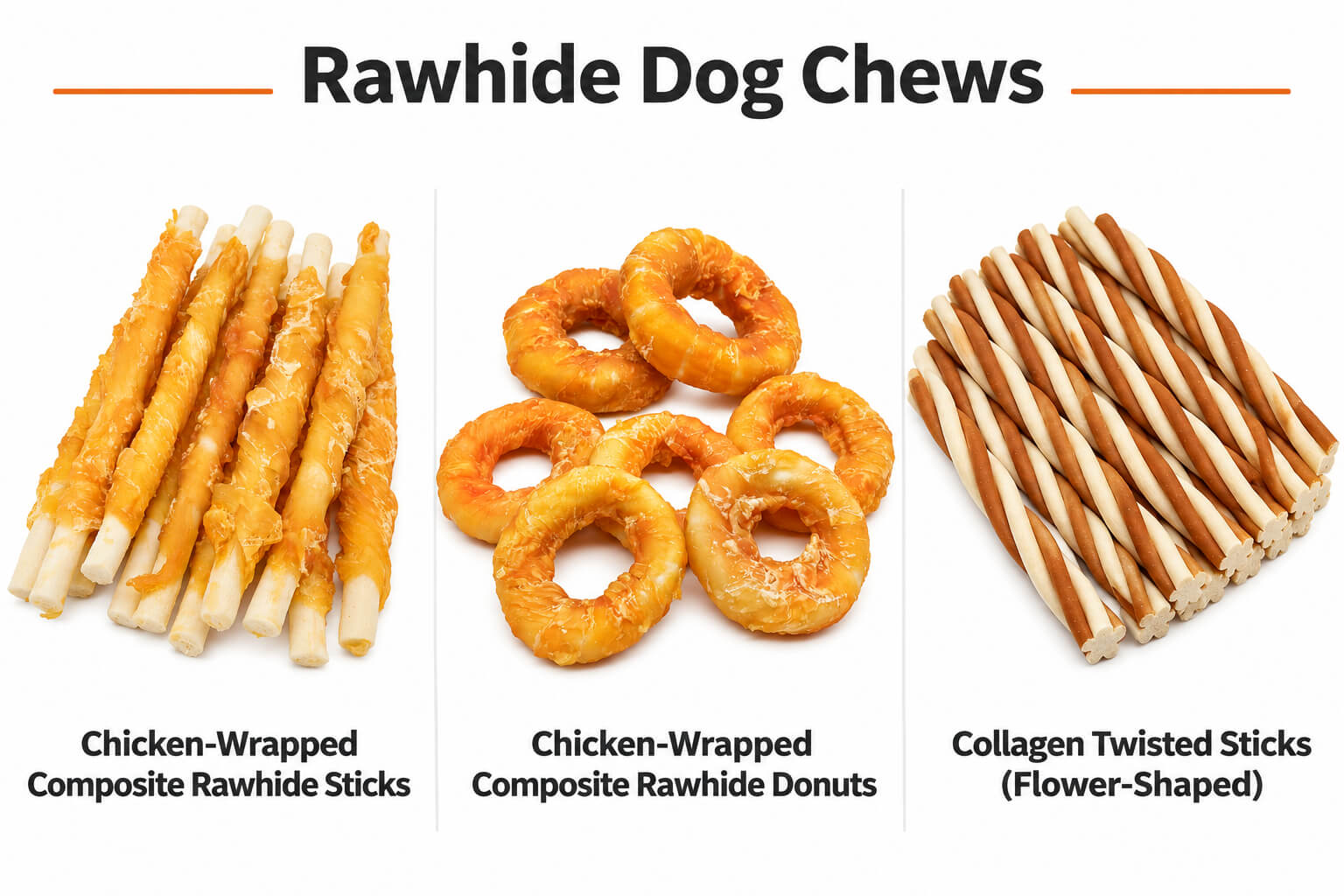
Rawhide is made from the inner dermal layer of cattle hide. The production process generally involves separating the inner layer, cutting it into pieces, rolling or pressing it into shape, and drying it. The finished products include rawhide rolls, bones, and knotted bones commonly seen in pet stores.
Advantages
- Long-lasting: Its tough texture makes rawhide one of the most durable edible chew options.
- Natural ingredients: It is essentially a single animal-derived material without starch.
- Tooth cleaning: Prolonged chewing provides friction that can noticeably help remove dental deposits.
Disadvantages and Risks
Rawhide is one of the most debated types of dog chews, mainly for two reasons:
- Swallowing risks: Softened pieces swallowed whole may cause choking or intestinal blockage, particularly in dogs that gulp their food.
- Variable processing standards: Inexpensive products may undergo bleaching or chemical treatment, resulting in inconsistent quality.
For this reason, choose rawhide from reputable brands with clearly listed ingredients and no bleaching process, and observe your dog while it chews.
Suitable For
Long lasting rawhide chews are suitable for adult dogs with moderate to strong chewing ability that settle down and chew slowly. Not suitable for dogs that gulp or habitually swallow large pieces whole.
Type 3: Dehydrated Meat Dog Chews
Ingredients
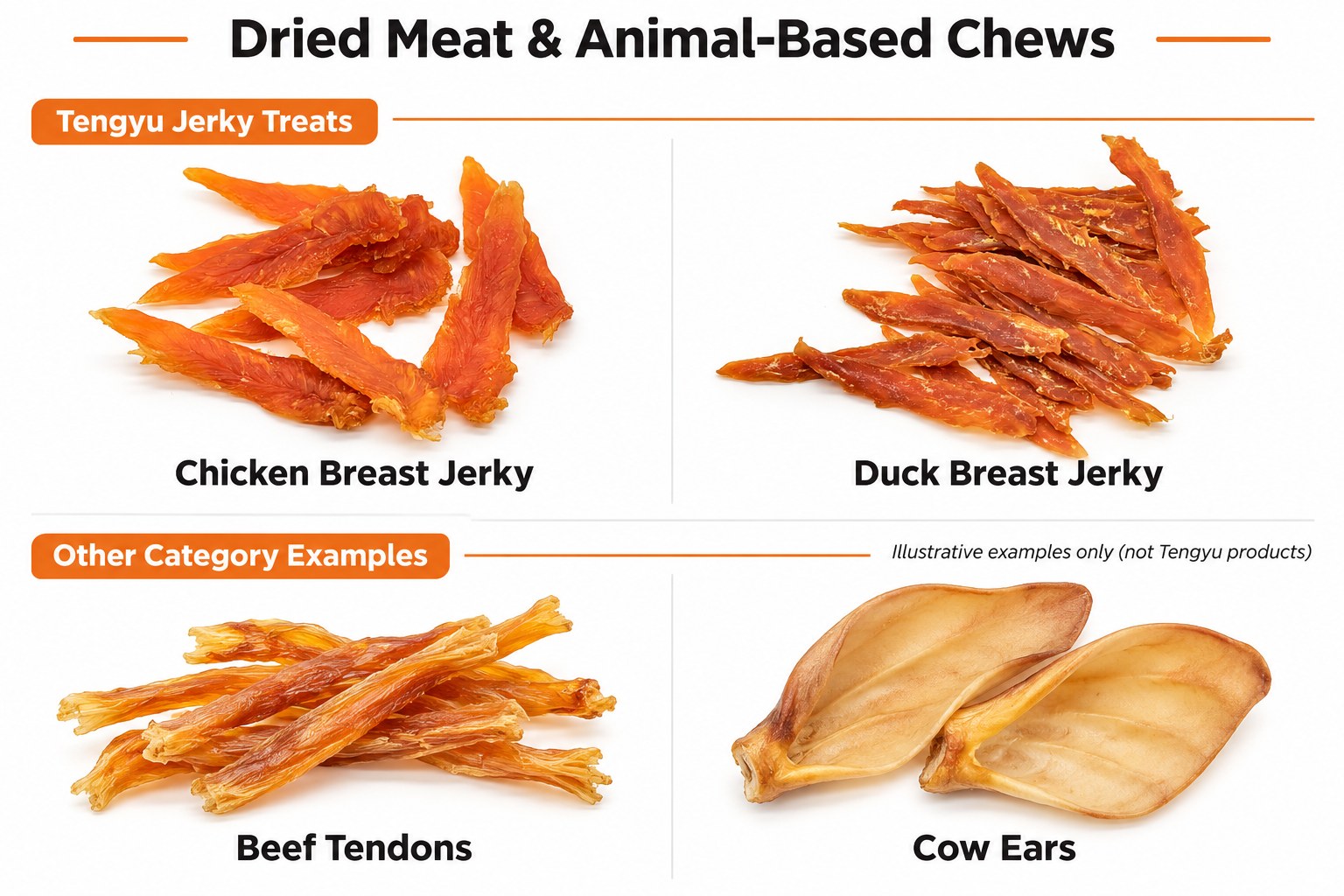
The defining feature of this category is that the raw material is usually the ingredient itself. Products are typically made from a single animal part through low-temperature air-drying or oven-drying. Common ingredients include:
- Beef tendons and cartilage
- Pork skin rolls and dried cattle-hide pieces
- Dried chicken breast and duck meat
- Beef ears, pig ears, and dried beef trachea
- Hard cheese products, such as yak milk chews, are also included in this category
Advantages
- Natural ingredients: Many use a single ingredient without additives or grains, making them an option for dogs with allergies.
- Easy to digest: Animal proteins are easier for the digestive system to process than starch and rawhide.
- Excellent palatability: Their pure meat aroma is difficult for most dogs to resist.
- Exceptionally durable cheese chews: Yak milk chews have a hardness approaching bone and are a standout among natural long-lasting chews.
Disadvantages
- Higher prices: Natural raw materials increase production costs, making these products considerably more expensive than starch-based chews.
- Most are not long-lasting: Dog Jerky Treats may disappear in just a few bites, serving more as quick rewards than extended chewing options.
Suitable For
Owners who prioritize natural ingredients, dogs with a history of food allergies, and use as high-value reward treats. For greater durability, harder options such as beef tendons and yak milk chews are available.
Type 4: Non-Edible Dog Chew Toys
Materials
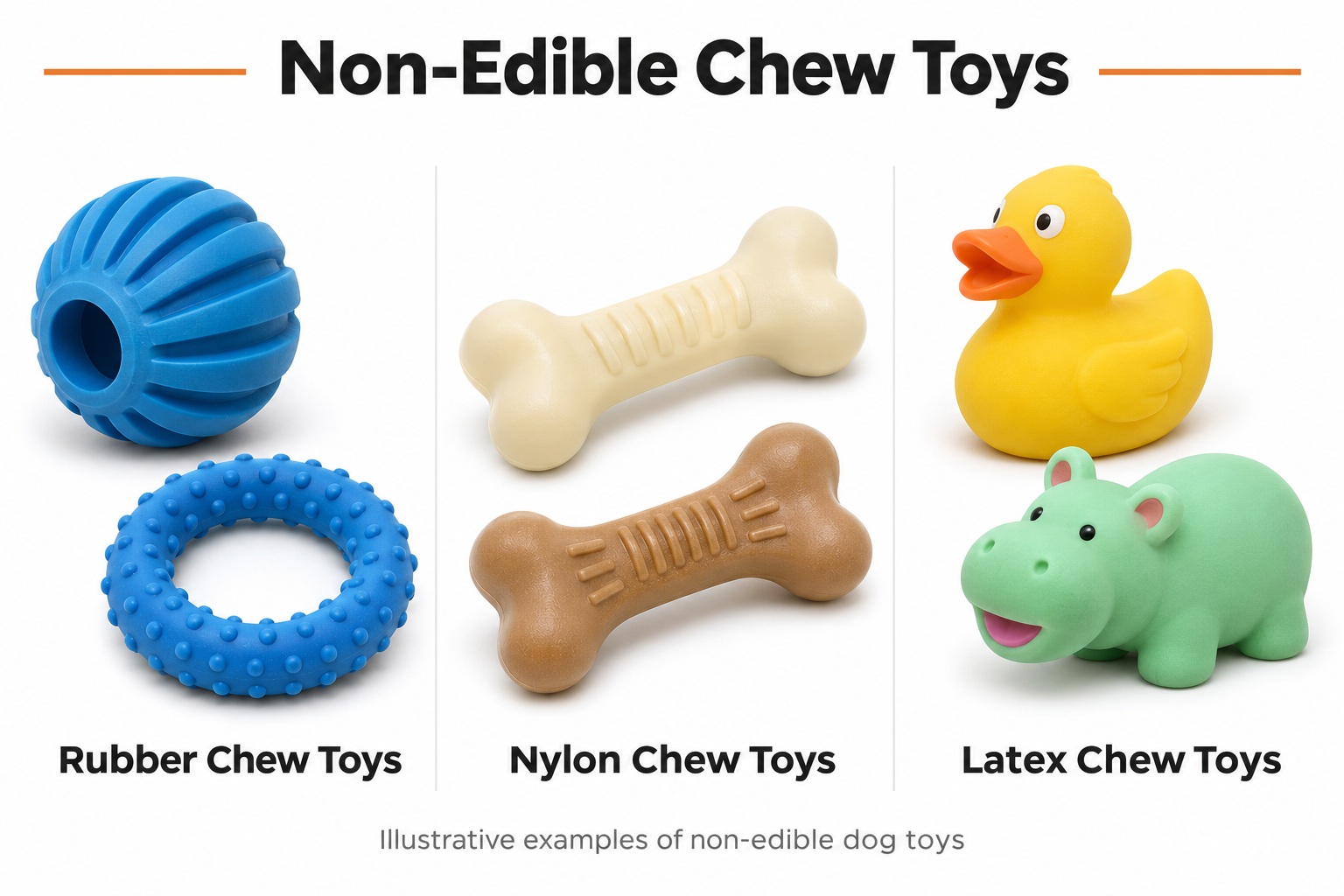
Strictly speaking, these products are toys rather than food. Their main materials include:
- Natural rubber: Flexible and durable. Classic hollow, funnel-shaped rubber toys that can hold treats are a representative example.
- Nylon: Extremely hard and designed to withstand dogs with particularly destructive chewing habits.
- Latex: Softer and suitable for puppies and small dogs.
Many products also feature spaces for peanut butter or freeze-dried treats, turning a chew toy into an interactive toy.
Advantages
- Maximum durability: A rubber or nylon toy can be used repeatedly for months or even years.
- Interactive play: Treat-filled designs can help ease anxiety when dogs are alone and provide mental stimulation.
- Lower long-term costs: Although the initial price is higher, these products can offer better value over their usable lifespan.
Disadvantages
- Not edible: Pieces bitten off need to be removed promptly, and swallowed nylon fragments pose risks.
- Require regular inspection: Replace toys immediately if they develop cracks or lose pieces.
- Very hard products may damage teeth: Forceful chewing on hard nylon can fracture teeth, so consider the product’s hardness rating.
Suitable For
Large dogs with strong chewing ability, dogs needing engagement when alone, and owners seeking a reusable, economical option.
Quick Comparison: The Four Types at a Glance
| Type | Main Materials | Durability | Edibility | Suitable For | Relative Price |
|---|---|---|---|---|---|
| Starch-based edible chews | Corn or potato starch with meat flavorings | ★★☆☆☆ | Edible in full | Puppies, senior dogs, light chewers | Low |
| Rawhide chews | Inner dermal layer of cattle hide | ★★★★☆ | Edible, but with swallowing risks | Adult dogs with moderate to strong chewing ability | Medium |
| Dehydrated meat chews | Tendons, jerky, and natural animal parts | ★★★☆☆ | Edible and easy to digest | Dogs with allergies and owners prioritizing natural ingredients | Medium to high |
| Rubber and nylon toys | Natural rubber, nylon, and latex | ★★★★★ | Not edible | Large, powerful chewers and dogs experiencing anxiety when alone | Higher initial cost, but durable |
Five Key Principles for Choosing Dog Chews
Whichever category you choose, these five principles apply:
- Choose larger rather than smaller: A chew should be larger than your dog’s mouth to reduce the risk of swallowing it whole.
- Match hardness to age: Puppies and senior dogs need softer products, while young and middle-aged large adult dogs can handle harder options.
- Read the ingredient list: Shorter ingredient lists are preferable. Products that clearly identify the meat and starch used are more reliable than vague descriptions such as “meat and animal derivatives.”
- Supervise the first session: Observe your dog for 10–15 minutes when introducing a new chew to check that its chewing behavior is safe.
- Inspect and replace regularly: Remove the last small section of an edible chew to prevent whole-piece swallowing. Replace toys immediately if they crack or lose pieces.
Frequently Asked Questions
Can dog chews replace toothbrushing?
No. Dog chews can help reduce plaque, but they cannot replace regular toothbrushing and dental examinations.
At what age can puppies start using dog chews?
Puppies can start using softer chewing products during teething, at around three to six months old. These products can relieve gum discomfort and encourage puppies to chew appropriate objects rather than furniture.
What if my dog finishes every chew within three minutes?
This is typical of a powerful chewer. Choose rubber or nylon toys, or highly durable yak milk chews. Edible starch-based products may offer poor value for this type of dog.
Is rawhide really unsafe?
It cannot be judged as a single category. Rawhide from reputable brands is itself a natural material that can be safe. The main risks arise from poor processing and dogs gulping pieces whole. With an appropriate brand and attention to chewing habits, many dogs use rawhide for years without problems. If you are uncertain, dehydrated meat chews are a more reassuring alternative.
How many dog chews should I give each day?
Edible chews should fit within the general treat allowance of no more than 10% of daily calories. Include them in your dog’s total calorie intake to avoid weight gain.
Conclusion
Dog chews are not simply disposable items to buy at random. They should match your dog’s age, size, and chewing habits. To summarize:
- Puppies: Soft starch-based chews or latex toys
- Typical adult dogs: Dehydrated meat chews and starch-based dental sticks
- Powerful adult chewers: Rubber or nylon toys, rawhide rolls, and yak milk chews
- All dogs: Supervision when first using a chew, plus regular inspection and replacement
Choose the right chew, and your sofa, slippers, and table legs will thank you.
If you’re unsure how to choose healthy dog chew sticks for your dog, contact Tengyu for help finding a suitable option. We manufacture both rawhide and rawhide-free dog chew sticks to suit different chewing needs.
This article is for reference only and does not replace veterinary advice. If your dog has dental disease, digestive problems, or special dietary needs, consult a veterinarian before choosing chewing products.
-
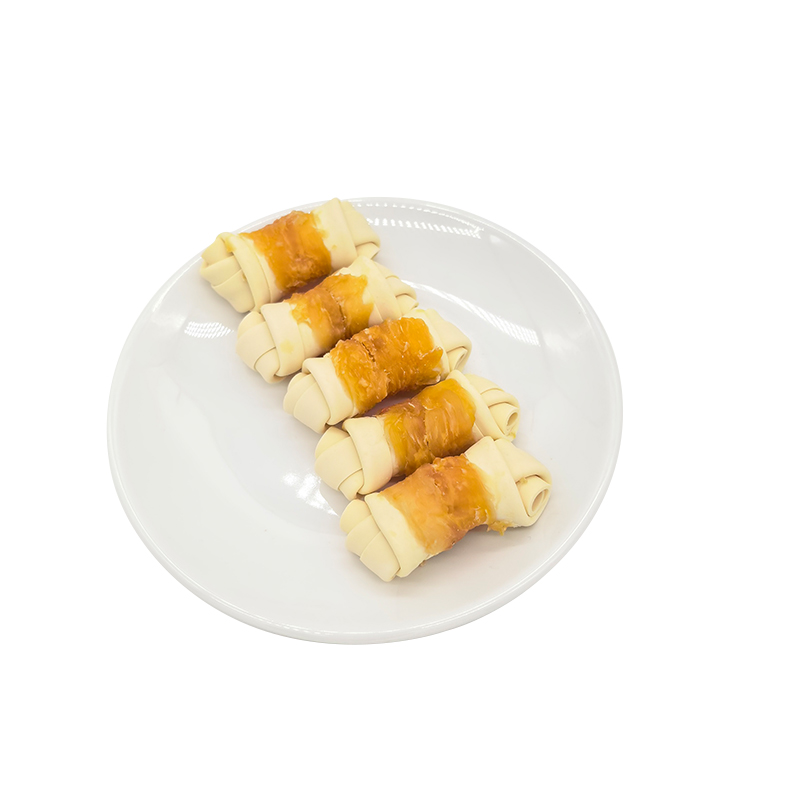
Meat Wrapped Dog Treats
Our KN001 2.5-3-inch chicken coated starch bone chewable tablets are designed specifically for dogs,...View More -
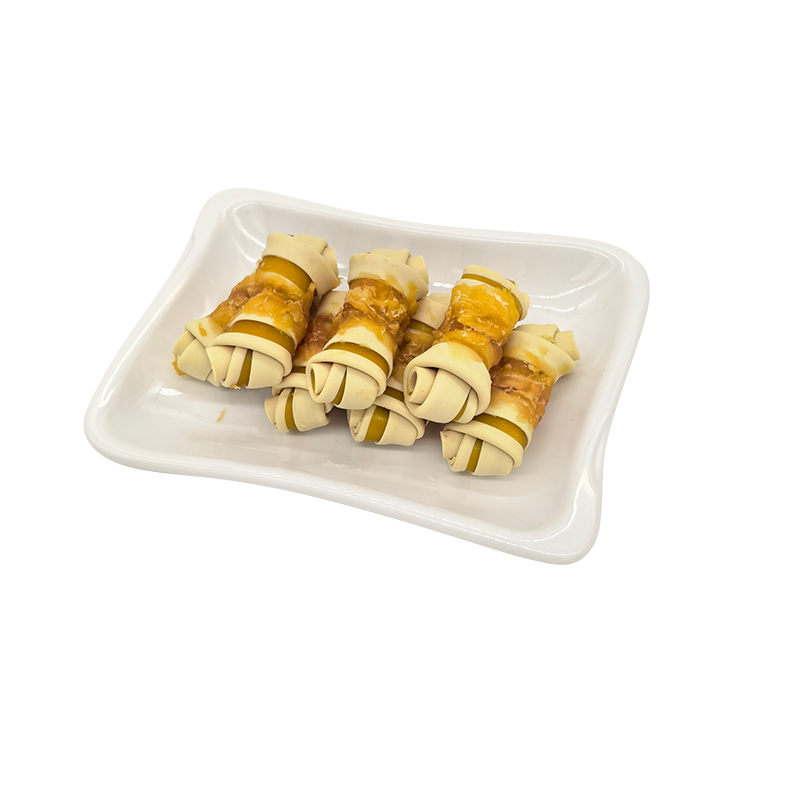
Meat Wrapped Dog Treats
The KN003 organic protein dog chew treats are crafted with a wholesome blend of corn starch, sweet p...View More -
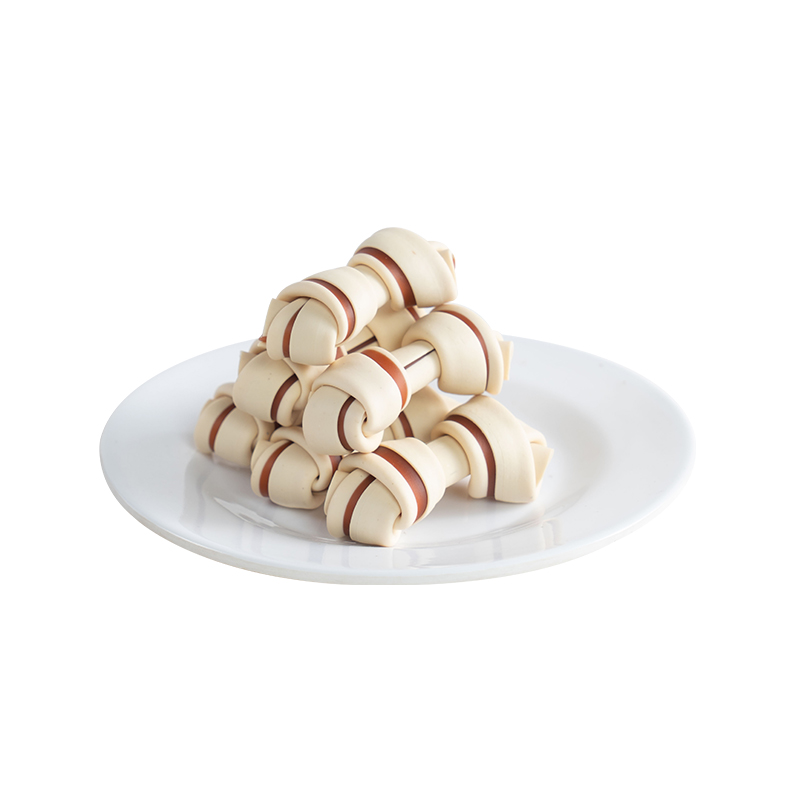
Knotted Bone Series
The KN004 Chewing Gum Grinding Teeth Cleaning Teeth Dog Snacks is a starch-based chew treat specific...View More -
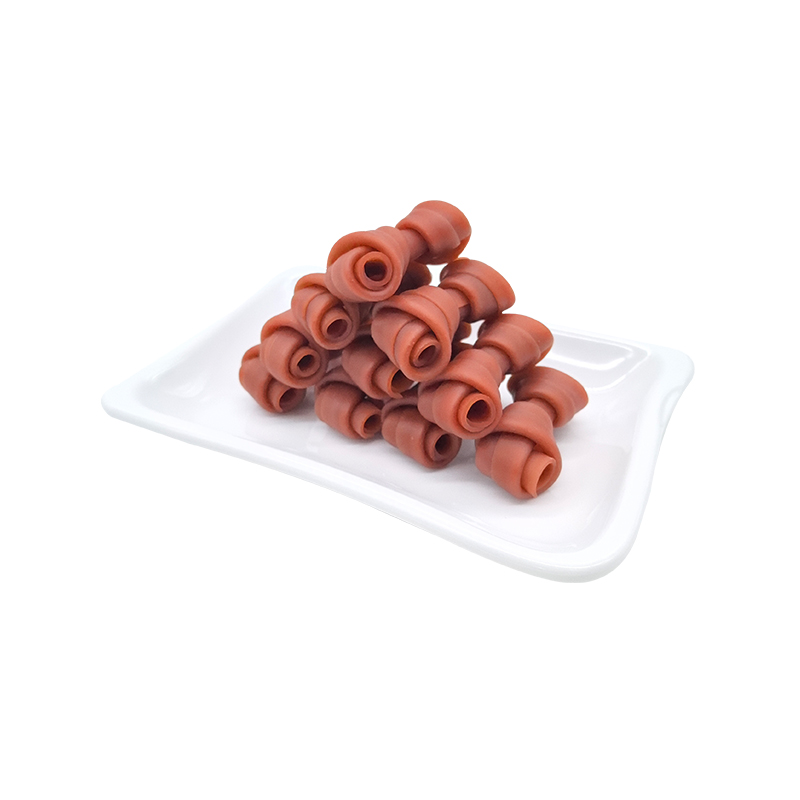
Knotted Bone Series
KN005 Dog single Color Bone Chew Snacks Safe and Healthy Pet Food is a healthy pet food made primari...View More -
Meat Wrapped Dog Treats
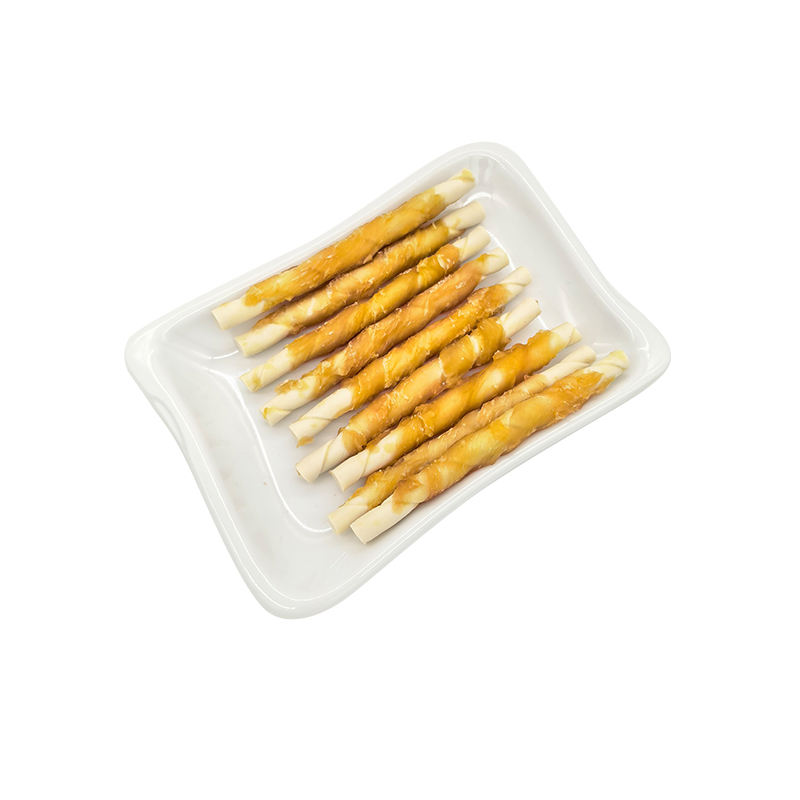
ST001 Milk Flavored 12cm Nutritious Meat-Wrapped Pet Chicken Rolls Stick combine premium chicken wit...View More -
Meat Wrapped Dog Treats
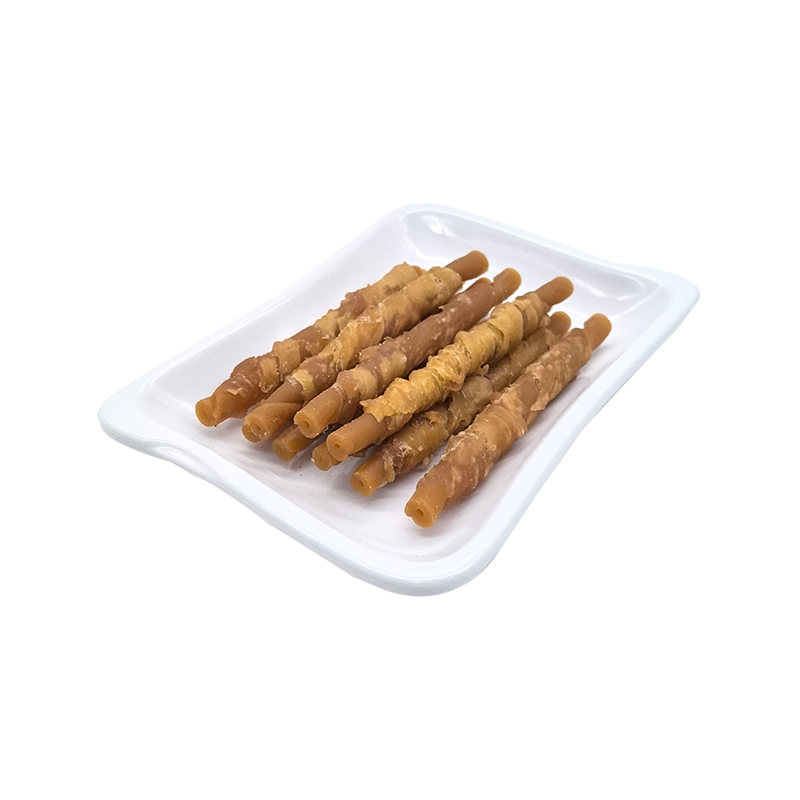
ST002 Chicken Flavor Organic Dog Dental Chew Stick is a healthy and tasty snack designed for dogs’ d...View More


TIME TO FEED YOUR PETS
-
Quick Links
-

The company integrates production and R&D functions, and its core business focuses on the R&D and production of pet snacks and pet chews.
-
Contact Us
Phone/WhatsApp:
+86 18067755187
+86-18657866096 E-mail:
[email protected]
[email protected] Add: No. 358-1, Longqing Road, Nanmingshan Street, Liandu District, Lishui, Zhejiang, China
