Welcome to Lishui Tengyu Pet Food Co., Ltd.
[email protected]

 English
 Español
 Deutsch


Industry News

Industry News
Can Dogs Eat Beef Jerky?
Can dogs eat beef jerky? Ordinary beef jerky made for people is best avoided. Plain dried beef and purpose-made dog jerky are different products, but their suitability still depends on ingredients, preparation, texture and portion size.
When choosing jerky treats for dogs, check the actual product rather than judging by the meat source alone. A beef label does not tell you whether the recipe or serving size is appropriate for your dog.
Human Beef Jerky vs. Jerky Made for Dogs
Human jerky is developed around people's taste preferences. Dog jerky should provide instructions for canine use. The distinction is useful, although a dog-treat label does not make every product suitable for every dog.
| What to Check | Human Beef Jerky | Dog Jerky Treats |
|---|---|---|
| Intended use | A snack for people | A supplementary reward for dogs |
| Ingredients | May include salty marinades and seasonings | Check the complete recipe and your dog's dietary needs |
| Portion guidance | A human serving is not a dog feeding guide | Follow canine feeding instructions and calorie information |
| Size and texture | Strips may be unsuitable for the dog's chewing style | Still needs to match the individual dog |
Why Human Beef Jerky May Be Unsuitable for Dogs
Salt, seasonings and sweeteners
Check for onion, garlic and their powders, which can damage dogs' red blood cells. Excessive salt intake can also cause illness. If a recipe contains xylitol, seek veterinary advice promptly: this sweetener is toxic to dogs.
Do not assume that every product contains these ingredients, or that every preservative is harmful. Read the full label. Terms such as “original,” “natural” and “low sodium” do not establish suitability for dogs.
Piece size and chewing behavior
A strip should suit the dog's mouth and chewing habits. Dogs that gulp rewards may struggle with an unsuitable piece. Supervise treat time and follow the product's size and preparation guidance.
What If Your Dog Has Already Eaten Beef Jerky?
A small accidental bite does not establish whether poisoning has occurred. The exact ingredients and amount matter. Keep the packaging and note your dog's weight, the estimated quantity eaten and when it happened.
Contact your veterinarian promptly if the jerky contains onion, garlic or xylitol, if a large or unknown amount was eaten, or if your dog seems unwell. Do not wait for symptoms when a potentially toxic ingredient is involved. Breathing difficulty, collapse or seizures require emergency veterinary care. Do not induce vomiting unless a veterinary professional instructs you.
How to Choose Jerky Treats for Dogs
For planned rewards, use these checks before opening the bag:
- Read the recipe: confirm the meat source and other ingredients. Do not assume a product is single-ingredient or suitable for allergies.
- Check life-stage guidance: follow the stated age suitability, especially for puppies.
- Match the portion to the dog: use the feeding guide, calorie content and chewing behavior together.
- Count all extras: keep treats below 10% of daily calories unless your veterinarian recommends a stricter limit. Treats should not replace a complete and balanced diet.
- Follow storage instructions: observe after-opening guidance and retain the batch details.
Dogs with food allergies, health conditions or prescribed diets may need a different reward plan. Changing from beef to poultry does not automatically solve a dietary problem.
Chicken and Duck Jerky as Other Treat Options
Beef is not the only meat source used in dog jerky. Tengyu offers chicken jerky for dogs and duck jerky for dogs as other options to explore.
Compare each product's ingredients, size and feeding instructions with your dog's needs. Chicken and duck are alternative protein sources, not a guarantee of better tolerance or safety.

Frequently Asked Questions
Can dogs eat plain or homemade beef jerky?
A plain recipe avoids some seasoning concerns, but homemade does not mean automatically safe. Meat handling, adequate heat treatment, drying and storage all matter. USDA guidance explains that drying alone may not destroy harmful bacteria; use a validated food-safety method rather than relying on appearance.
Is low-sodium beef jerky suitable for dogs?
That claim alone is insufficient. Check the remaining ingredients, texture and intended use instead of treating reduced sodium as proof that a human snack is appropriate.
Can puppies have jerky treats?
Choose a product with age guidance appropriate for the puppy, and consider its texture, portion and growth diet. Ask your veterinarian if you are unsure; there is no single age rule that applies to every jerky product.
Conclusion
The answer to “can dogs eat beef jerky?” depends on the exact product. Avoid sharing ordinary human jerky, and assess canine treats by their recipe, preparation, portion and suitability for your dog.
If you want a different reward format, beef-flavored dental chews are another option to consider.
-

Meat Wrapped Dog Treats
Our KN001 2.5-3-inch chicken coated starch bone chewable tablets are designed specifically for dogs,...View More -
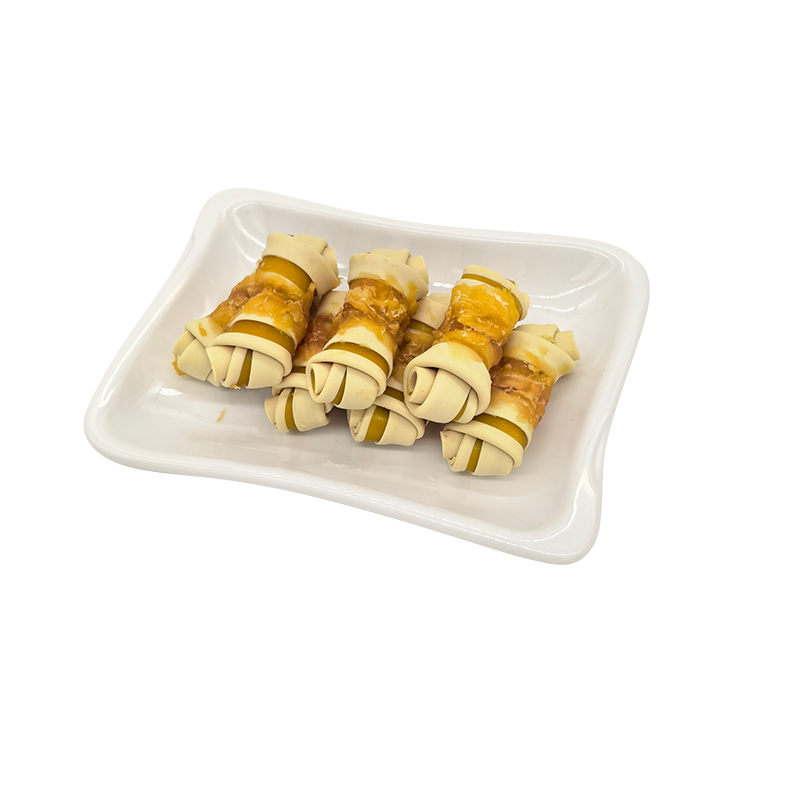
Meat Wrapped Dog Treats
The KN003 organic protein dog chew treats are crafted with a wholesome blend of corn starch, sweet p...View More -
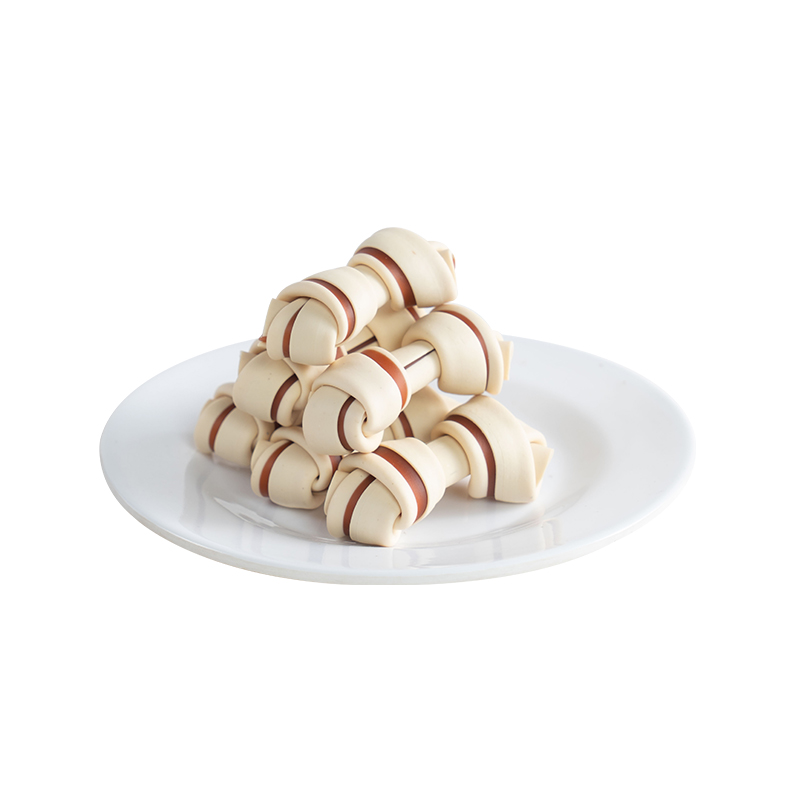
Knotted Bone Series
The KN004 Chewing Gum Grinding Teeth Cleaning Teeth Dog Snacks is a starch-based chew treat specific...View More -
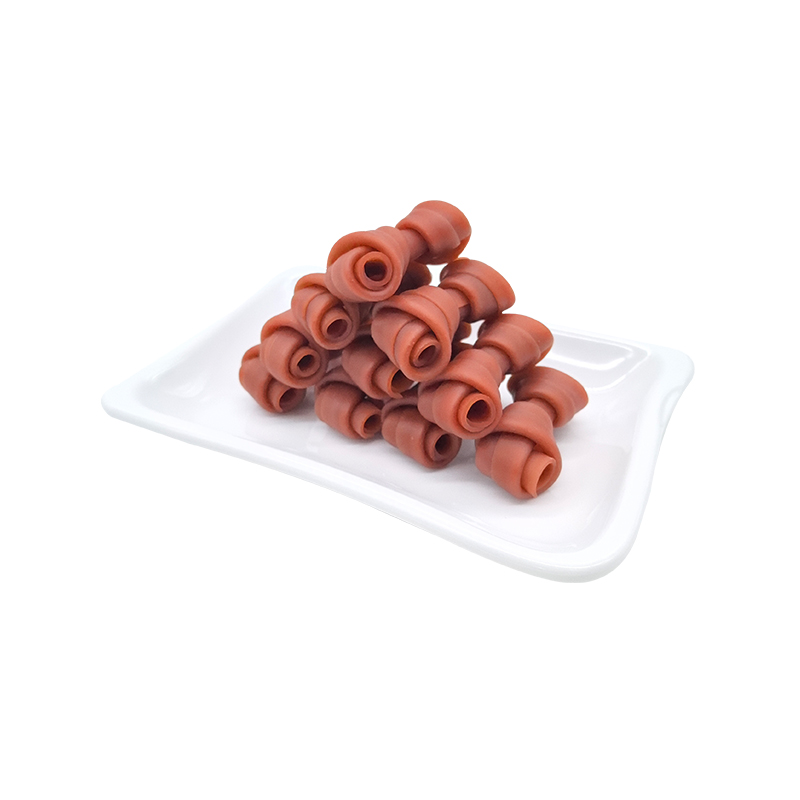
Knotted Bone Series
KN005 Dog single Color Bone Chew Snacks Safe and Healthy Pet Food is a healthy pet food made primari...View More -

Meat Wrapped Dog Treats
ST001 Milk Flavored 12cm Nutritious Meat-Wrapped Pet Chicken Rolls Stick combine premium chicken wit...View More -

Meat Wrapped Dog Treats
ST002 Chicken Flavor Organic Dog Dental Chew Stick is a healthy and tasty snack designed for dogs’ d...View More
-
2026-11-06
Can Dogs Eat Beef Jerky? -
2026-11-02
How to Get Rid of Bad Breath in Dogs


TIME TO FEED YOUR PETS
-
Quick Links
-

The company integrates production and R&D functions, and its core business focuses on the R&D and production of pet snacks and pet chews.
-
Contact Us
Phone/WhatsApp:
+86 18067755187
+86-18657866096 E-mail:
[email protected]
[email protected] Add: No. 358-1, Longqing Road, Nanmingshan Street, Liandu District, Lishui, Zhejiang, China
