
 English
 Español
 Deutsch



Understanding how to get rid of bad breath in dogs starts with identifying the cause. Food-related odors, plaque buildup and existing dental problems need different approaches. Daily cleaning and suitable dental chews for dogs have a role in routine care, while problems such as damaged teeth need targeted treatment.
Common Causes of Dog Bad Breath and What to Do
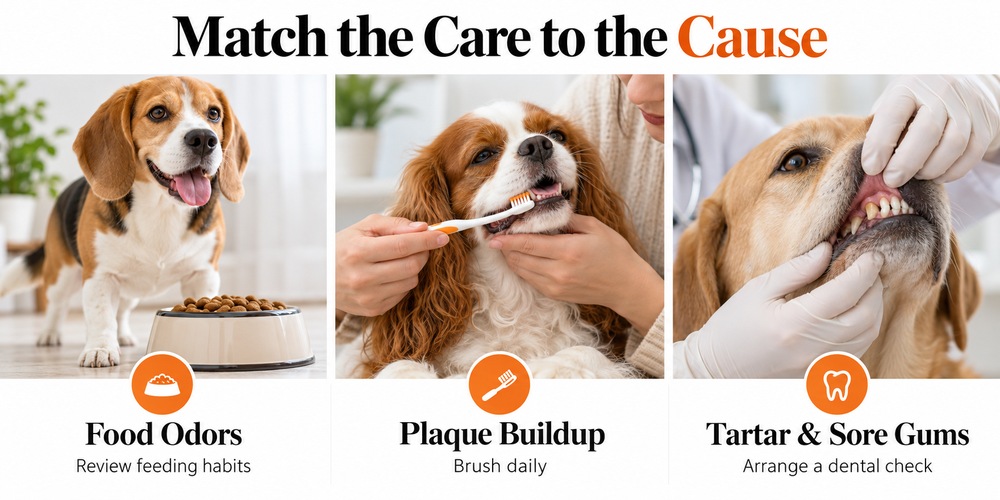
1. Temporary Odors After Eating
If the smell appears mainly after a particular food and gradually fades, start by reviewing what your dog eats and maintaining regular cleaning. Scavenging in rubbish or eating feces can also leave unpleasant odors.
What to do:
- Notice whether the odor consistently follows a particular food or treat. Avoid changing several foods at once, which makes patterns harder to identify.
- Keep rubbish and spoiled food out of reach, and remove feces promptly.
- Continue daily toothbrushing to clean the tooth surfaces.
- If the smell remains noticeable over several days, check the teeth and gums rather than repeatedly changing the diet.
2. Plaque Buildup from Infrequent Brushing
Plaque is a bacterial film that forms on teeth. Some oral bacteria produce unpleasant-smelling compounds, making plaque a major contributor to dog bad breath. Teeth can carry plaque even when there are no obvious thick deposits of tartar.
What to do: Set a regular brushing time, such as after the evening walk. Use a soft toothbrush and toothpaste made specifically for dogs, rather than human toothpaste.
If your dog is unfamiliar with brushing, introduce it gradually:
- Practice gently lifting the lips, and reward calm cooperation.
- Let your dog become familiar with the taste of dog toothpaste.
- Start with a few gentle strokes on the outer surfaces of accessible teeth.
- Gradually cover more teeth, paying particular attention to the cheek-facing surfaces of the back teeth.
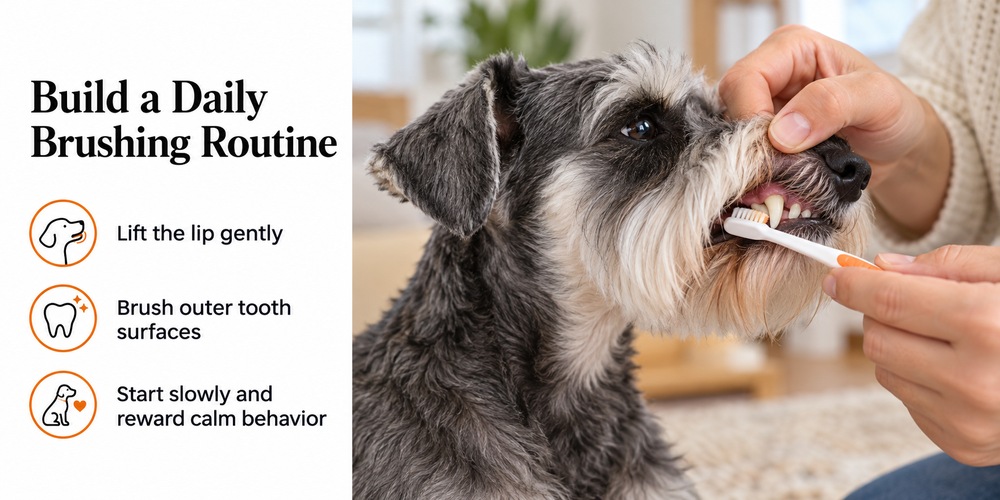
You do not need to brush every tooth during the first session. Build acceptance first, then improve coverage. Daily brushing is the most effective home-care method for removing plaque.
3. Hardened Tartar or Inflamed Gums
Hard yellow or brown deposits, particularly near the gumline, may be tartar. Once plaque has mineralized into tartar, increasing brushing or offering more dental treats will not reliably remove it.
Arrange a dental assessment so existing deposits and gum problems can be addressed. Follow this with daily cleaning to help limit new buildup. Deposits and infection below the gumline matter too, even when the visible tooth surface looks relatively clean.
What to do:
- Do not scrape tartar off at home with metal tools.
- Avoid forcing brushing or offering hard chews when the mouth is painful or the gums are bleeding.
- After treatment, follow advice on when to restart brushing and chewing activities.
4. Retained Baby Teeth in Puppies
Sometimes an adult tooth emerges while the baby tooth remains in place. The crowded space can trap food and plaque, increasing the risk of gum irritation and dental problems.
What to do: Gently lift the lips and look for two teeth occupying the same position. Maintain gentle cleaning and arrange an examination to determine whether the retained tooth needs treatment. Do not try to pull it out or use harder chews to force it loose.
5. Sudden Odor with Drooling or Chewing Changes
A sudden strong smell accompanied by pawing at the mouth, chewing on one side, dropping food or reluctance to eat may indicate a trapped object, broken tooth or oral infection.
What to do: Stop offering dental chews and other items that require forceful chewing. If your dog cooperates, gently lift the lips to look, but do not force the mouth open, reach deeply inside or pull on string-like material. Arrange a prompt examination so pain or injury can be addressed before normal oral care resumes.
Dental Chews Can Also Support Daily Oral Care
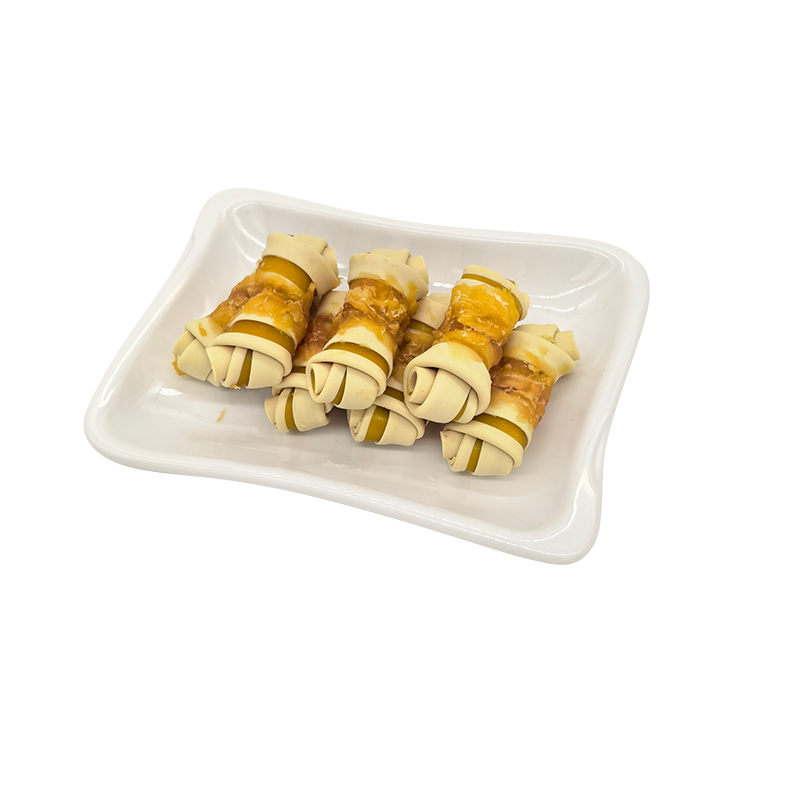
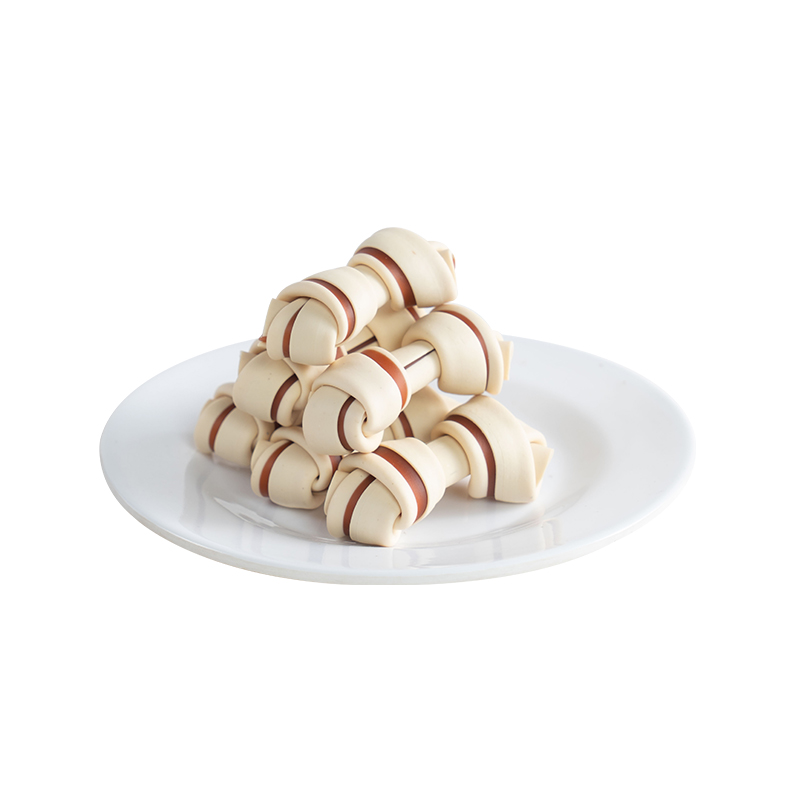
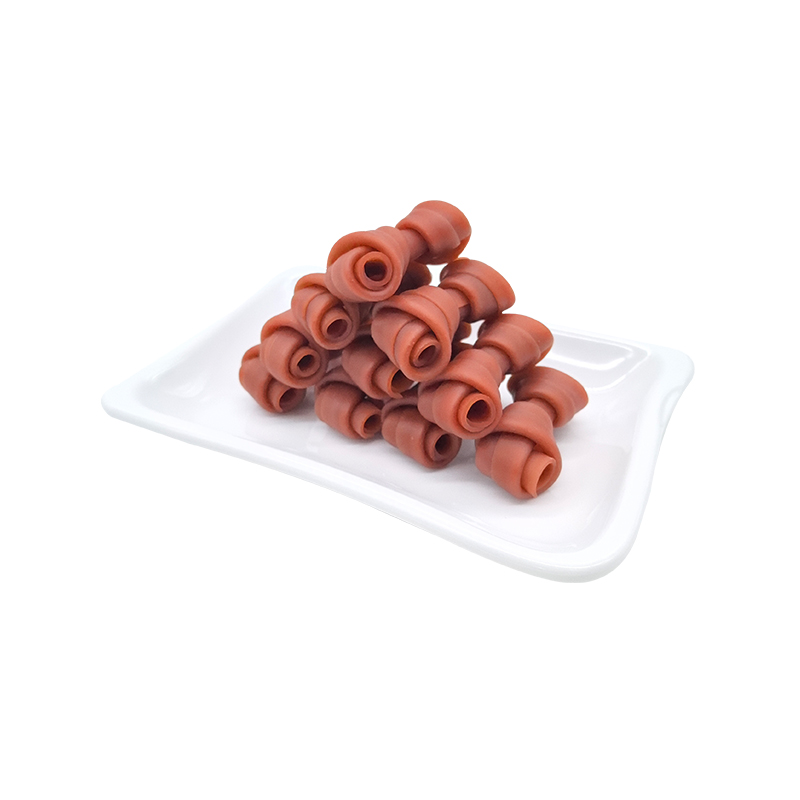
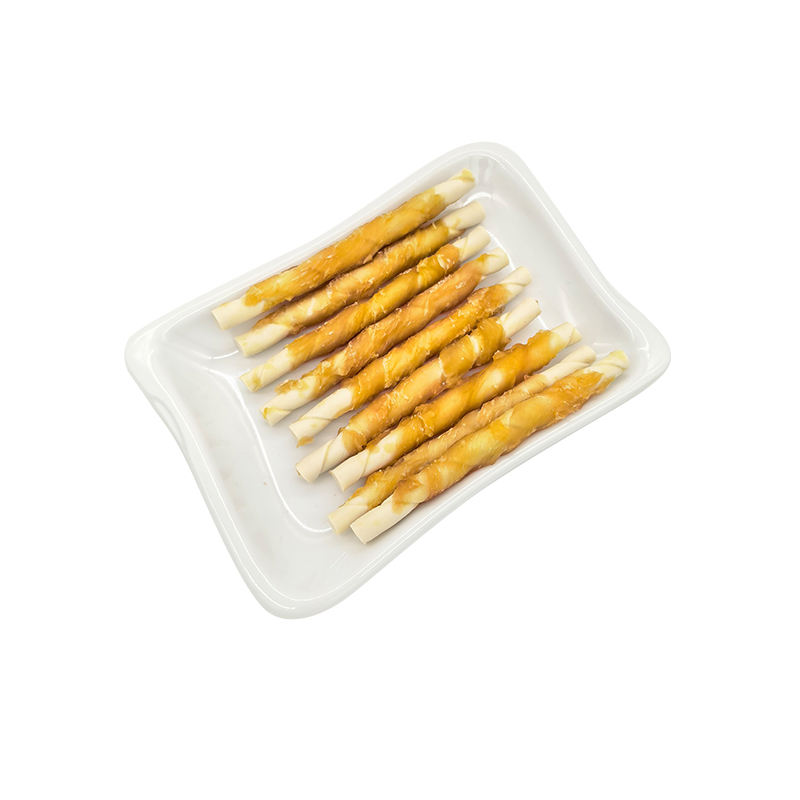
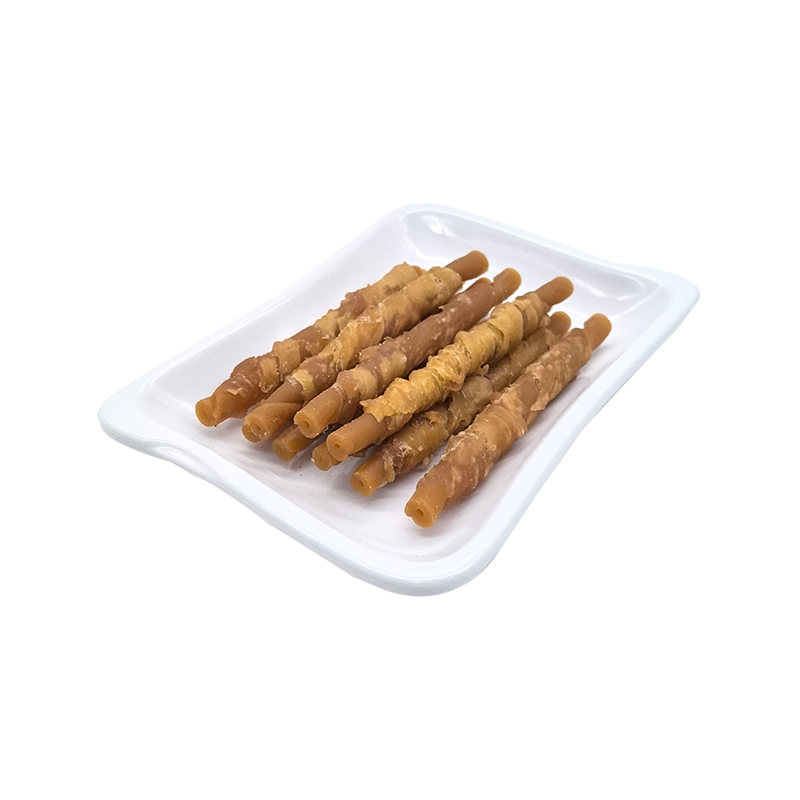
Dental chews are edible treats designed for chewing and supplementary tooth cleaning. Common formats include knotted bones, sticks and twisted chews. Their cleaning role comes mainly from contact between the product and the teeth during chewing.
- Contact with tooth surfaces: An appropriate texture and structure can rub against some tooth surfaces during chewing, helping reduce food debris and plaque accumulation. Performance varies by product and by how the dog chews.
- Saliva stimulation: Chewing stimulates saliva flow, which supports the mouth’s natural rinsing action and helps carry away loose food particles.
- A practical addition to the routine: An appealing chew can combine a rewarding activity with supplementary cleaning, making oral care easier to include in everyday life alongside brushing.
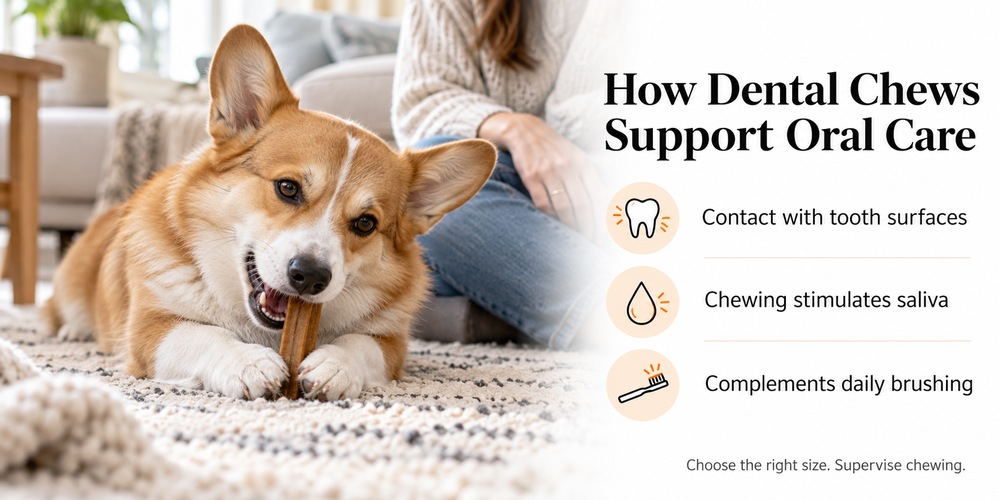
Tengyu offers knotted bone dog chews, double-stick knotted formats and dental sticks in different sizes and flavors. Select a product according to your dog’s age, body size and chewing habits, follow its feeding instructions, count it within the daily treat allowance and supervise chewing throughout. Dental chews complement brushing; they do not replace it.
How to Help Keep Bad Breath from Returning
A manageable routine is easier to maintain than occasional intensive cleaning after the smell becomes noticeable.
| When | What to Do |
|---|---|
| At a set time each day | Brush with dog toothpaste and a soft toothbrush. |
| When offering a dental chew | Choose an appropriate size, follow feeding guidance and supervise throughout. |
| During routine care | Watch for changes in gum color, tooth deposits and chewing behavior. |
| At regular health checks | Have the mouth assessed and plan professional dental care according to individual needs. |
If bad breath occurs alongside increased thirst, frequent urination, vomiting, reduced appetite or low energy, brushing and treats alone are not an adequate response. Some underlying health conditions can affect breath, and the smell itself cannot identify the cause.
Conclusion
Knowing how to get rid of bad breath in dogs means matching the solution to the cause. Address temporary food odors through sensible feeding habits and cleaning, manage plaque with daily brushing, and seek targeted treatment for tartar, inflamed gums or oral injuries. Suitable dental chews can add supplementary cleaning and an enjoyable chewing activity, while a consistent routine helps maintain a cleaner mouth and fresher breath.