Welcome to Lishui Tengyu Pet Food Co., Ltd.
[email protected]

 English
 Español
 Deutsch


Industry News

Industry News
How Do Chicken Jerky Strips For Dogs Feel?
Chicken jerky strips for dogs are often compared by ingredients or flavour, but many dogs react to texture before anything else. Some begin chewing immediately, while others pause after the first bite or even put the strip down for a moment before trying again. Those small reactions are one reason texture receives much more attention during product development today than it did several years ago. Among suppliers, discussions about dog treat palatability now extend beyond recipes to include how a product feels throughout the chewing process.
Different Dogs Prefer Different Bite Resistance
Not every dog enjoys the same chewing experience.
Some finish a strip quite quickly.
Others stay occupied with the same treat for much longer.
That difference is not unusual. Dogs develop their own chewing habits as they grow, and those habits are influenced by age, jaw strength, breed, and even previous feeding routines.
Because chewing behaviour varies so naturally, manufacturers rarely expect one texture to suit every dog. Product trials often include different breeds and age groups before chicken jerky strips for dogs move into regular production.
The First Bite Often Decides Everything
Owners often notice the reaction before the chewing really begins.
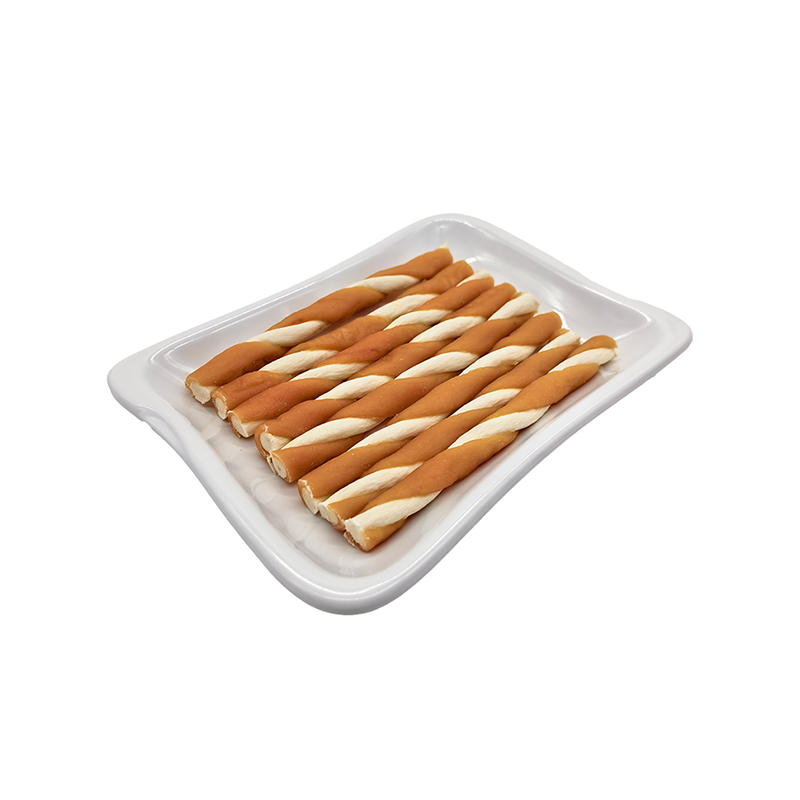
A dog may grab the strip immediately.
Another may sniff it, press it lightly with its teeth, and only then decide whether to continue.
Those first moments are useful because they show how naturally the product fits the dog's chewing preference. Instead of relying only on laboratory measurements, many suppliers compare these feeding responses while refining chicken jerky strips for dogs.
Chewing Habits Change As Dogs Grow
Young puppies rarely chew in the same way as adult dogs.
Their bite force changes.
Their chewing rhythm changes.
Even the amount of time they spend with one treat gradually becomes different.
Because of these natural differences, products developed for younger dogs are not always expected to deliver the same chewing experience as those intended for mature dogs.
Manufacturers, therefore, consider age-related behaviour while refining dog treat palatability instead of assuming one texture suits every dog.
Small Texture Differences Are Easy To Miss
Two strips can look almost identical when the package is opened.
Once chewing starts, however, small differences become easier to notice.
Some dogs continue chewing steadily.
Others stop after only a few bites.
During product evaluation, developers pay attention to observations such as:
How easily the strip bends before chewing
whether the surface changes after repeated bites
How the strip breaks apart during chewing
How long does the dog stay interested in the treat
These observations are collected alongside routine product testing because everyday feeding behaviour often reveals details that technical measurements cannot fully explain. They also help manufacturers refine chicken jerky strips for dogs for different markets.
Palatability Includes More Than Taste
Two products with very similar recipes do not always receive the same response from dogs.
Sometimes the difference has little to do with flavour.
The way a strip bends, resists chewing, or gradually softens can all influence whether a dog keeps chewing or loses interest.
For this reason, dog treat palatability is increasingly discussed together with chew texture instead of being treated as a flavour issue alone.
Product Development Now Includes Feeding Observation
Modern product development rarely finishes when laboratory testing is complete.
Many suppliers continue collecting information from practical feeding trials.
Developers pay attention to simple questions.
Does the dog return to the treat after putting it down?
Does chewing remain steady?
Does interest continue until the strip is finished?
These everyday observations often provide useful direction when refining chicken jerky strips for dogs for different markets and customer preferences.
Texture Shapes: The Feeding Experience
A package may attract attention on a store shelf, but the real experience begins after it is opened.
Different dogs respond in different ways, and those reactions cannot always be predicted from ingredient lists alone.
Because of that, manufacturers continue adjusting chew texture as products develop, combining routine feeding observations with technical testing instead of depending on one measurement. For many suppliers, improving dog treat palatability is an ongoing process, and each adjustment helps create chicken jerky strips for dogs that better match the natural chewing behaviour of different dogs.
NEXT:Which Standards Matter For Healthy Chicken Jerky For Dogs?
-
Meat Wrapped Dog Treats
Our KN001 2.5-3-inch chicken coated starch bone chewable tablets are designed specifically for dogs,...View More -
Meat Wrapped Dog Treats
The KN003 organic protein dog chew treats are crafted with a wholesome blend of corn starch, sweet p...View More -
Knotted Bone Series
The KN004 Chewing Gum Grinding Teeth Cleaning Teeth Dog Snacks is a starch-based chew treat specific...View More -
Knotted Bone Series
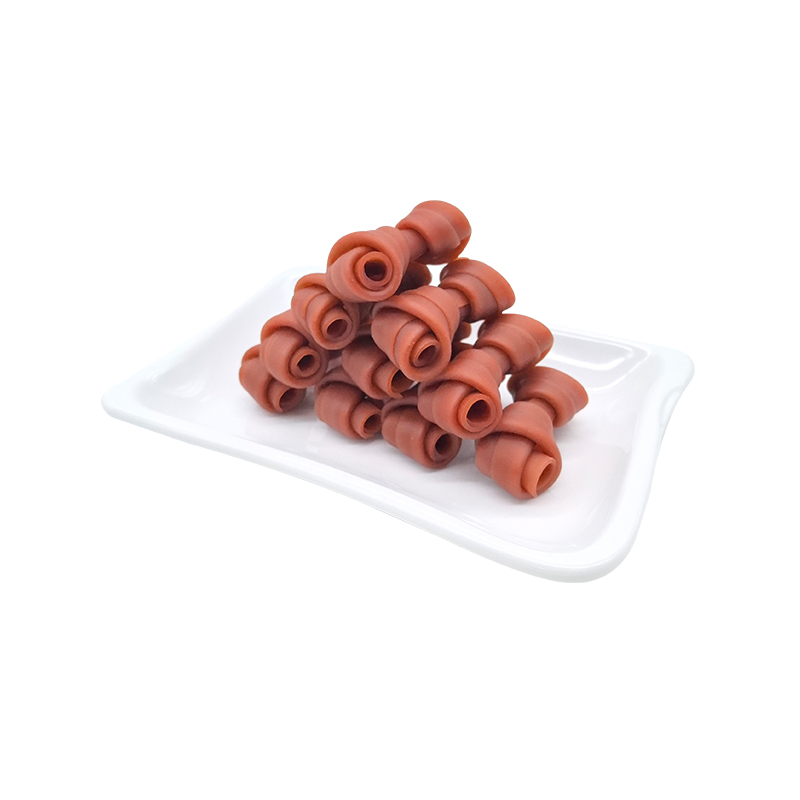
KN005 Dog single Color Bone Chew Snacks Safe and Healthy Pet Food is a healthy pet food made primari...View More -
Meat Wrapped Dog Treats
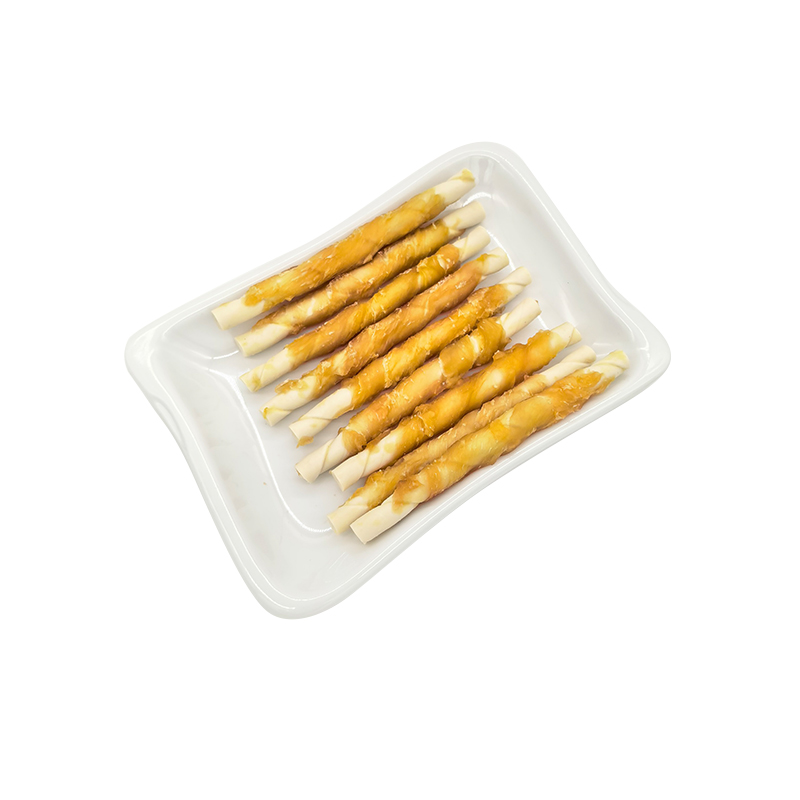
ST001 Milk Flavored 12cm Nutritious Meat-Wrapped Pet Chicken Rolls Stick combine premium chicken wit...View More -
Meat Wrapped Dog Treats
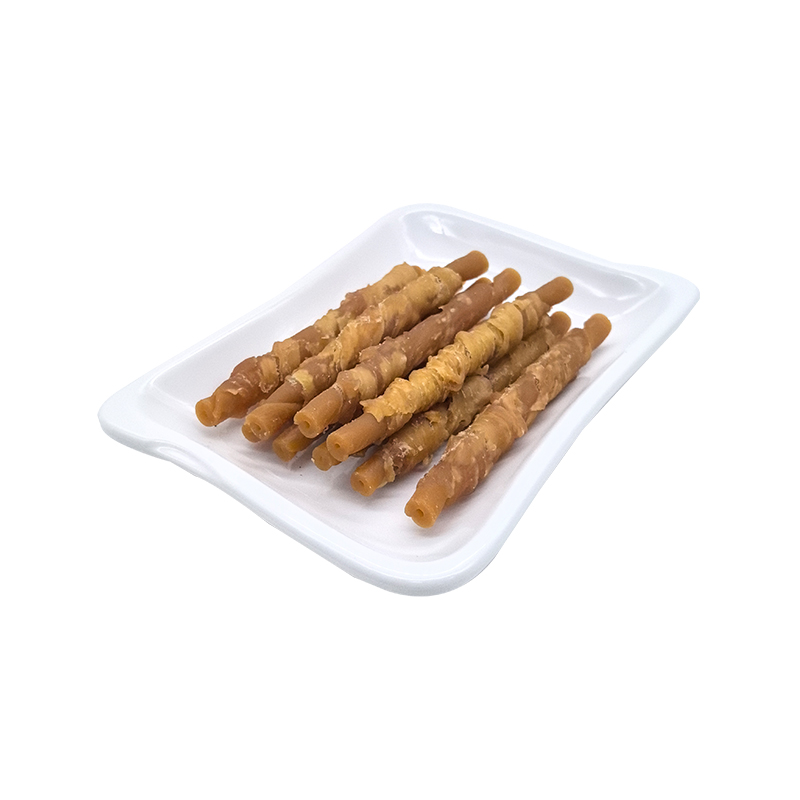
ST002 Chicken Flavor Organic Dog Dental Chew Stick is a healthy and tasty snack designed for dogs’ d...View More


TIME TO FEED YOUR PETS
-
Quick Links
-

The company integrates production and R&D functions, and its core business focuses on the R&D and production of pet snacks and pet chews.
-
Contact Us
Phone/WhatsApp:
+86 18067755187
+86-18657866096 E-mail:
[email protected]
[email protected] Add: No. 358-1, Longqing Road, Nanmingshan Street, Liandu District, Lishui, Zhejiang, China
