Welcome to Lishui Tengyu Pet Food Co., Ltd.
[email protected]

 English
 Español
 Deutsch


Industry News

Industry News
How Does Moisture Affect Chicken Jerky Strips For Dogs?
Chicken jerky strips for dogs may look similar on a shelf, but manufacturers know that one hidden measurement often determines whether a shipment performs well after export—moisture. It cannot be judged accurately by appearance alone, yet it affects texture, storage stability, transportation, and shelf life. Because of this, moisture control has become one of the most closely watched indicators during production instead of being treated as a final inspection item.
For overseas buyers, this topic is receiving more attention as suppliers and pet treat manufacturer facilities continue supplying products to markets with different climates and transport conditions.
The Same Recipe Does Not Always Produce The Same Result
Two production batches can use the same chicken source.
The same seasoning.
The same equipment.
Even so, the finished products may not feel completely identical.
A small change in drying conditions is enough to influence the final texture.
Factories therefore monitor production continuously instead of assuming that repeating the same recipe will automatically produce the same chicken jerky strips for dogs every time.
Drying Continues To Be Adjusted
People often imagine drying as a fixed process.
In reality, it changes from batch to batch.
Weather outside the factory changes.
Humidity inside the workshop changes.
Even the thickness of individual chicken strips changes slightly.
Instead of running identical drying cycles every day, experienced operators make small adjustments to keep chicken jerky strips for dogs within the expected moisture range.
This flexible approach is common among established pet treat manufacturer operations that export regularly.
Moisture Affects More Than Shelf Life
Many buyers first associate moisture with storage.
In practice, it influences much more.
Texture after opening.
Product flexibility.
Resistance to breakage during transport.
Even the appearance after long-distance shipping.
If moisture remains too high, the product may not remain stable throughout distribution.
If it becomes too low, the strips may lose the texture expected by customers.
Finding the right balance is one of the reasons why moisture testing receives so much attention during production of chicken jerky strips for dogs.
Export Routes Create Different Challenges
Not every shipment follows the same journey.
Some products travel only a few days.
Others remain inside containers for several weeks before reaching distributors.
Temperature changes between ports.
Humidity changes between countries.
These conditions cannot be controlled by the factory, but they can be anticipated.
For this reason, many pet treat manufacturer facilities evaluate moisture with transportation in mind rather than considering only warehouse storage.
Quality Checks Continue During Production
Inspection does not begin after production finishes.
Small samples are usually checked while manufacturing is still in progress.
If moisture trends begin moving outside the target range, adjustments can be made before the entire batch is completed.
This helps reduce unnecessary variation and allows chicken jerky strips for dogs to maintain more consistent characteristics across larger production runs.
Instead of depending on one final inspection, quality develops through repeated monitoring during manufacturing.
Buyers Are Asking Different Questions
Several years ago, importers often focused on flavour or package design.
Today, technical discussions are becoming more common.
Questions about moisture.
Drying records.
Batch consistency.
Production controls.
These topics appear more frequently because buyers want products that remain stable after international transportation rather than only looking attractive when leaving the factory.
As a result, suppliers producing chicken jerky strips for dogs are increasingly sharing manufacturing information that was rarely discussed in the past.
Moisture Has Become Part Of Product Value
When customers open a package, they usually notice texture before anything else.
That experience is influenced by decisions made much earlier during manufacturing.
Although moisture cannot be recognised immediately by sight, it quietly affects how chicken jerky strips for dogs perform from production to final use.
For many exporters, careful moisture management is no longer viewed as a routine factory task. It has become an important part of product consistency, helping every pet treat manufacturer deliver more reliable products to distributors serving different international markets.
-
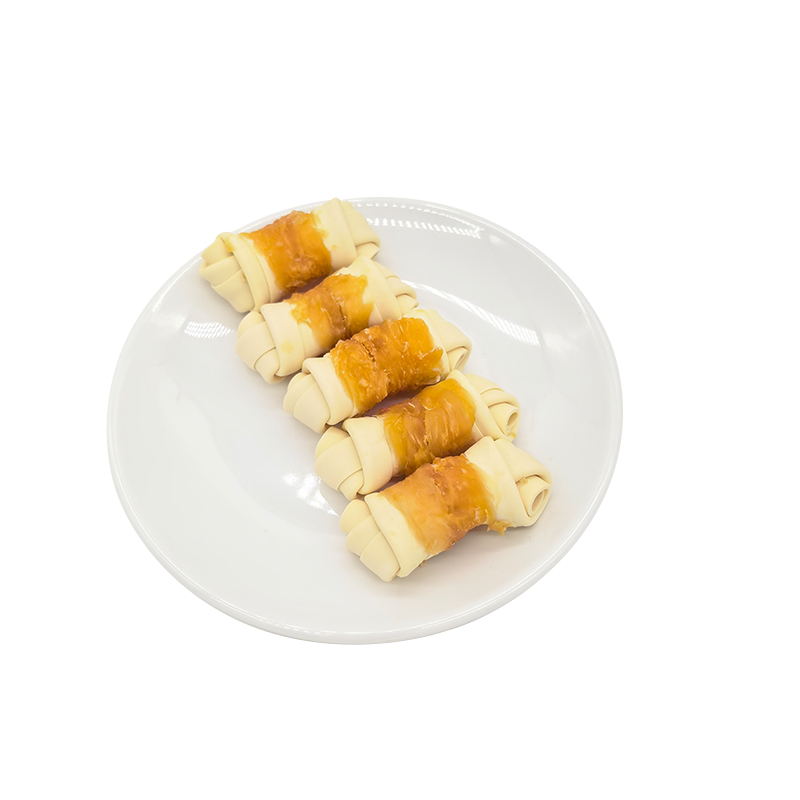
Meat Wrapped Dog Treats
Our KN001 2.5-3-inch chicken coated starch bone chewable tablets are designed specifically for dogs,...View More -
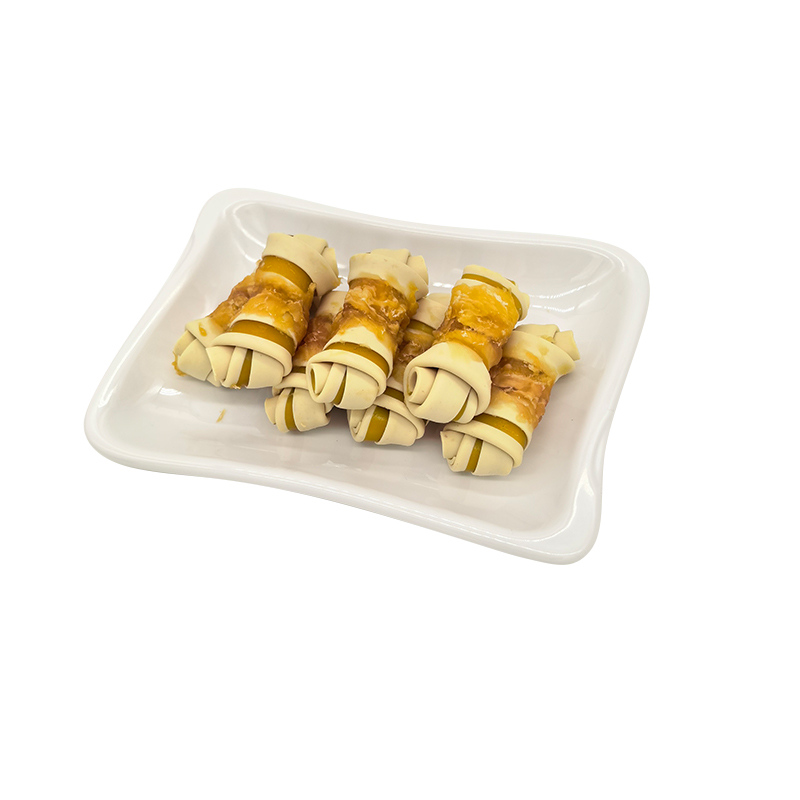
Meat Wrapped Dog Treats
The KN003 organic protein dog chew treats are crafted with a wholesome blend of corn starch, sweet p...View More -
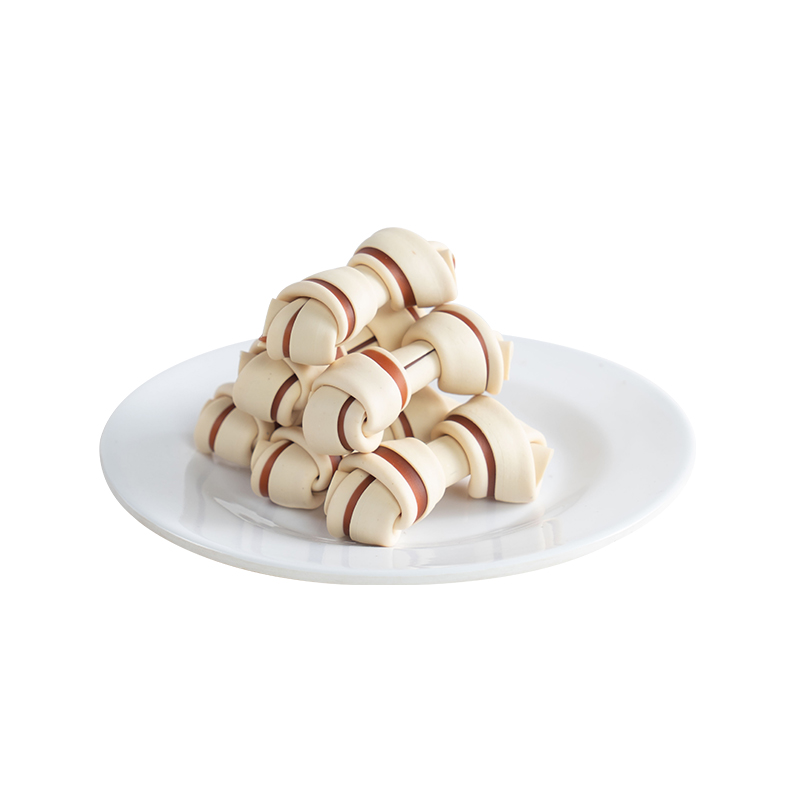
Knotted Bone Series
The KN004 Chewing Gum Grinding Teeth Cleaning Teeth Dog Snacks is a starch-based chew treat specific...View More -
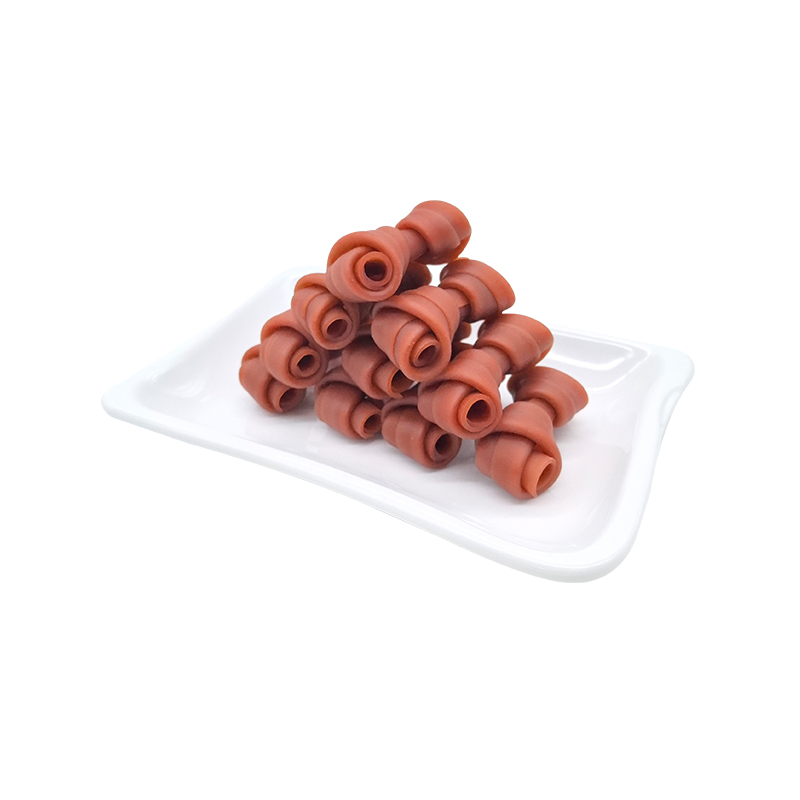
Knotted Bone Series
KN005 Dog single Color Bone Chew Snacks Safe and Healthy Pet Food is a healthy pet food made primari...View More -
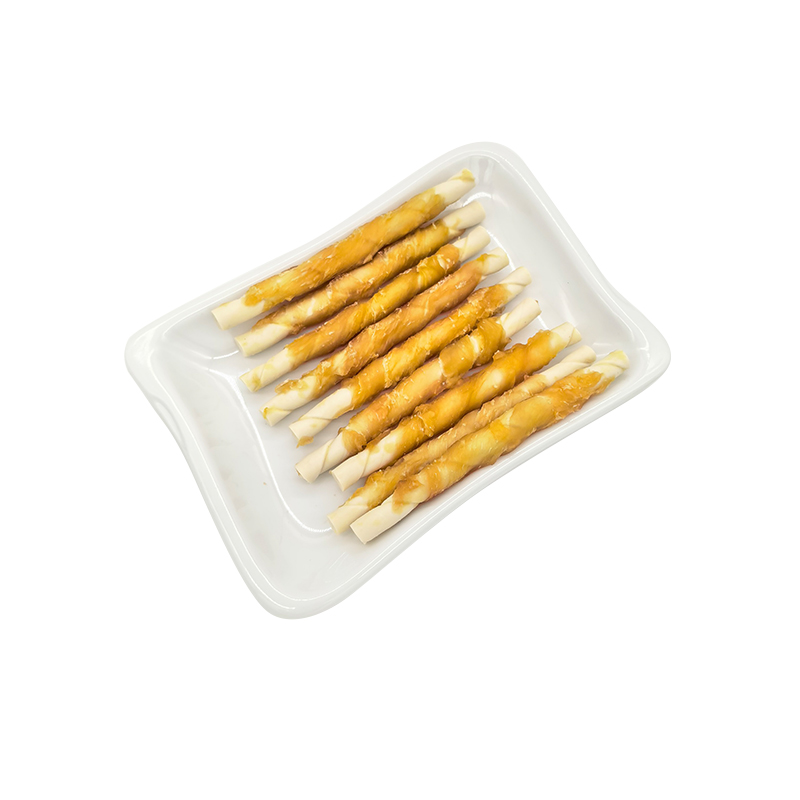
Meat Wrapped Dog Treats
ST001 Milk Flavored 12cm Nutritious Meat-Wrapped Pet Chicken Rolls Stick combine premium chicken wit...View More -
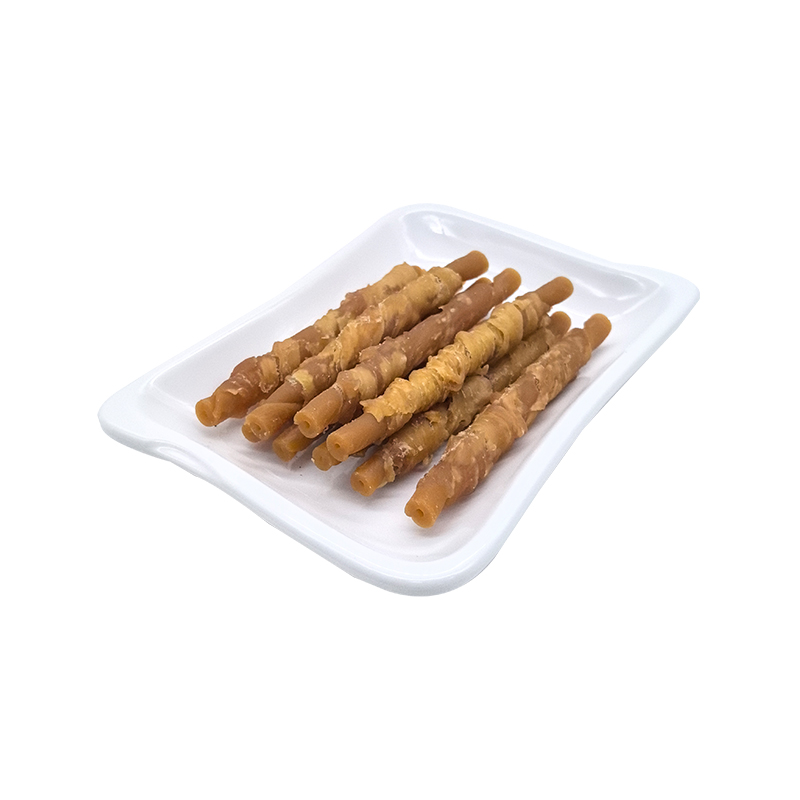
Meat Wrapped Dog Treats
ST002 Chicken Flavor Organic Dog Dental Chew Stick is a healthy and tasty snack designed for dogs’ d...View More


TIME TO FEED YOUR PETS
-
Quick Links
-

The company integrates production and R&D functions, and its core business focuses on the R&D and production of pet snacks and pet chews.
-
Contact Us
Phone/WhatsApp:
+86 18067755187
+86-18657866096 E-mail:
[email protected]
[email protected] Add: No. 358-1, Longqing Road, Nanmingshan Street, Liandu District, Lishui, Zhejiang, China
