Welcome to Lishui Tengyu Pet Food Co., Ltd.
[email protected]

 English
 Español
 Deutsch


Industry News

Industry News
What Makes Knotted Bone Last Longer?
Knotted bone is one of the most common products found in the dog chew market, yet not every product delivers the same chewing experience. Some remain intact through repeated use, while others loosen, split, or become much softer after only a short period. For manufacturers, distributors, and pet owners, understanding why this happens has become more important than simply comparing product size or appearance.
Across the pet industry, discussions about dog chew treats are increasingly focused on durability because chewing time influences both customer satisfaction and product value.
The Knot Is More Than A Decorative Shape
The distinctive knot at each end is not designed only to create a familiar appearance.
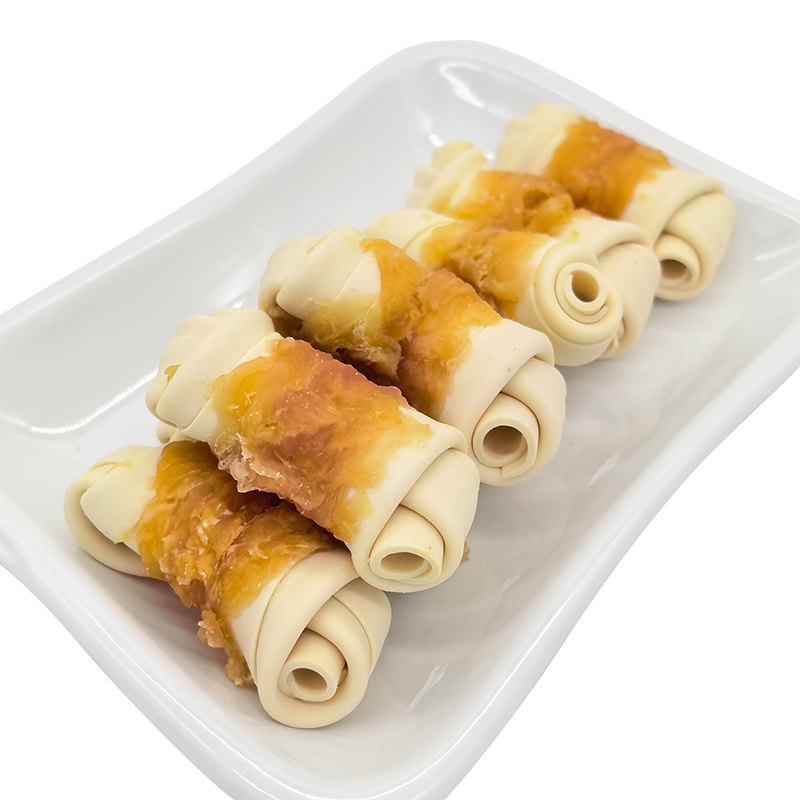
During production, the strips are folded, stretched, and tightened before drying. The way the material is wrapped determines how firmly the finished product holds together when a dog starts chewing.
If the knot is too loose, the outer layers may separate earlier than expected. If it is tightened too aggressively, the product may become harder than intended.
For this reason, manufacturers pay close attention to knot consistency before knotted bone enters the drying stage.
Drying Controls Product Stability
Drying is one of the most important manufacturing stages.
If moisture remains too high, the product may soften during storage.
If too much moisture is removed, the chew can become excessively brittle.
Factories usually monitor drying conditions carefully because small moisture differences influence how knotted bone behaves after packaging.
Rather than judging quality only by appearance, professional buyers often ask about moisture control when evaluating dog chew treat suppliers.
Chewing Habits Differ Between Dogs
Even identical products can perform differently because dogs chew in different ways.
Some dogs work slowly from one end.
Others immediately focus on the centre knot.
Larger breeds usually apply greater bite pressure than smaller breeds, while younger dogs often chew differently from experienced adult dogs.
Because of these natural differences, the service life of knotted bone cannot be measured by time alone. It also depends on chewing style and bite strength.
Storage Conditions Continue To Matter
Product performance does not end after manufacturing.
Storage conditions during transport and warehousing also influence the final result.
Large temperature changes, excess humidity, or damaged packaging may alter product condition before it reaches retailers.
For this reason, suppliers handling dog chew treats usually recommend keeping finished products in clean, dry environments with stable storage conditions.
Proper handling helps maintain the original texture developed during production.
Consistency Has Become A Purchasing Focus
Importers are no longer interested only in receiving products that look alike.
They also expect consistent chewing performance from one shipment to the next.
To achieve this, manufacturers monitor raw material selection, knot formation, drying, inspection, and packaging throughout production.
Each step contributes to how knotted bone performs after it reaches the market.
As international demand for reliable dog chew treats continues to grow, production consistency has become just as important as product appearance. Buyers increasingly evaluate suppliers according to manufacturing control and repeatable quality, because long-lasting chewing performance begins long before the product is placed on a retail shelf.
-
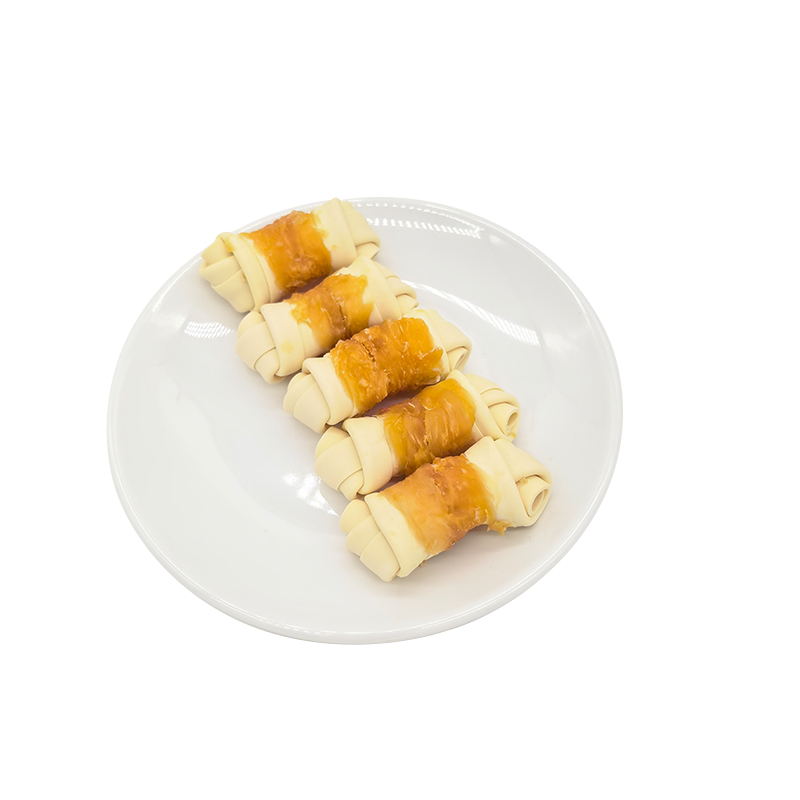
Meat Wrapped Dog Treats
Our KN001 2.5-3-inch chicken coated starch bone chewable tablets are designed specifically for dogs,...View More -
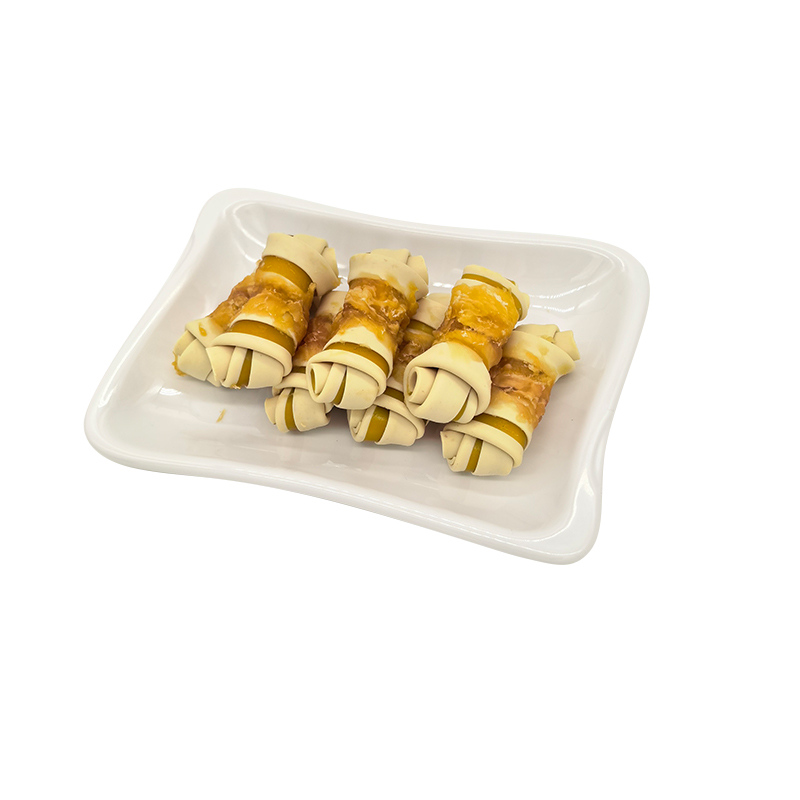
Meat Wrapped Dog Treats
The KN003 organic protein dog chew treats are crafted with a wholesome blend of corn starch, sweet p...View More -
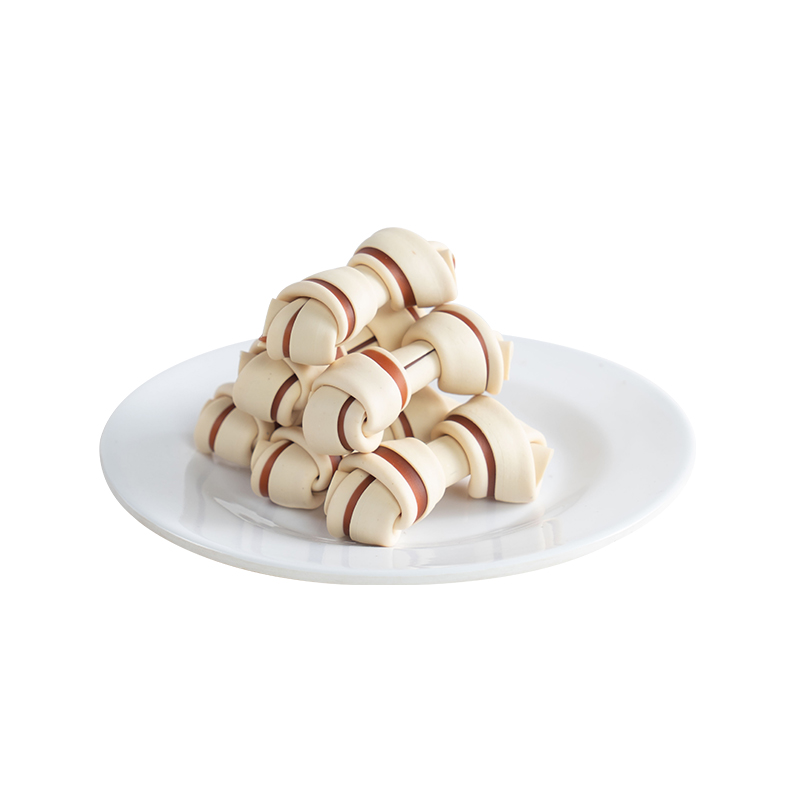
Knotted Bone Series
The KN004 Chewing Gum Grinding Teeth Cleaning Teeth Dog Snacks is a starch-based chew treat specific...View More -
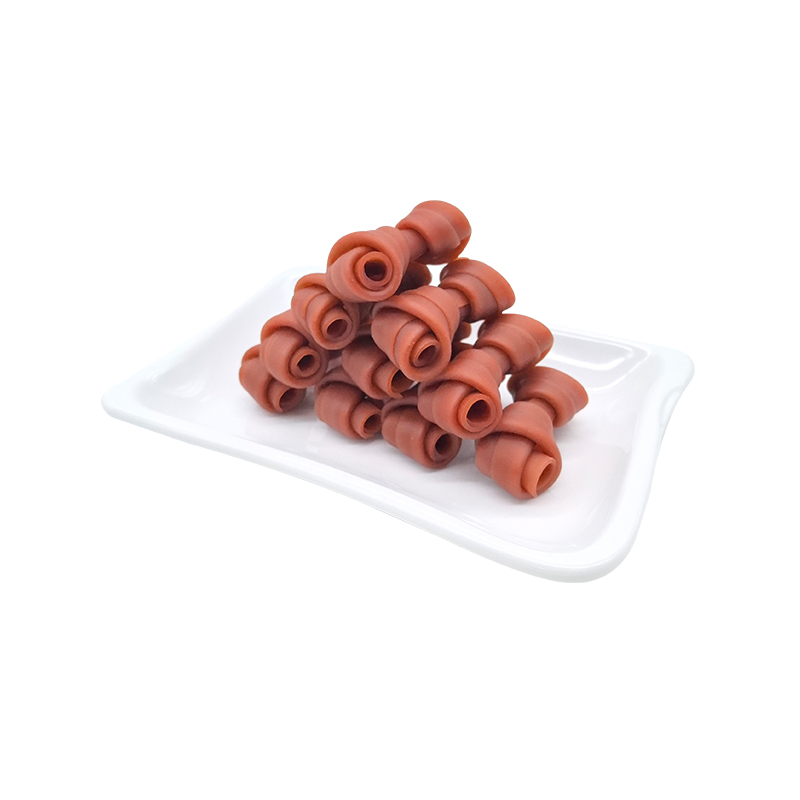
Knotted Bone Series
KN005 Dog single Color Bone Chew Snacks Safe and Healthy Pet Food is a healthy pet food made primari...View More -
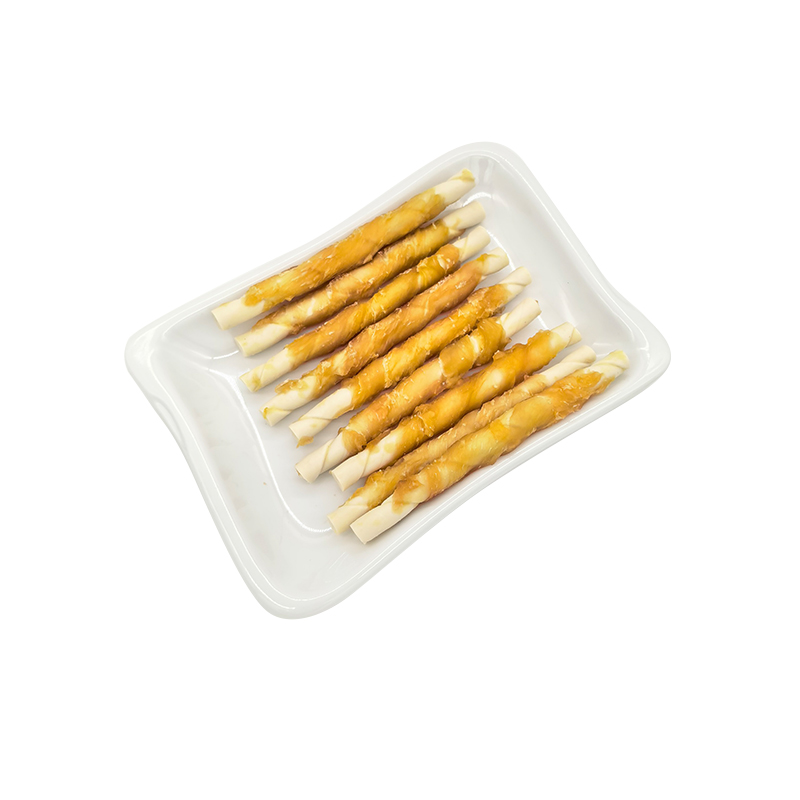
Meat Wrapped Dog Treats
ST001 Milk Flavored 12cm Nutritious Meat-Wrapped Pet Chicken Rolls Stick combine premium chicken wit...View More -
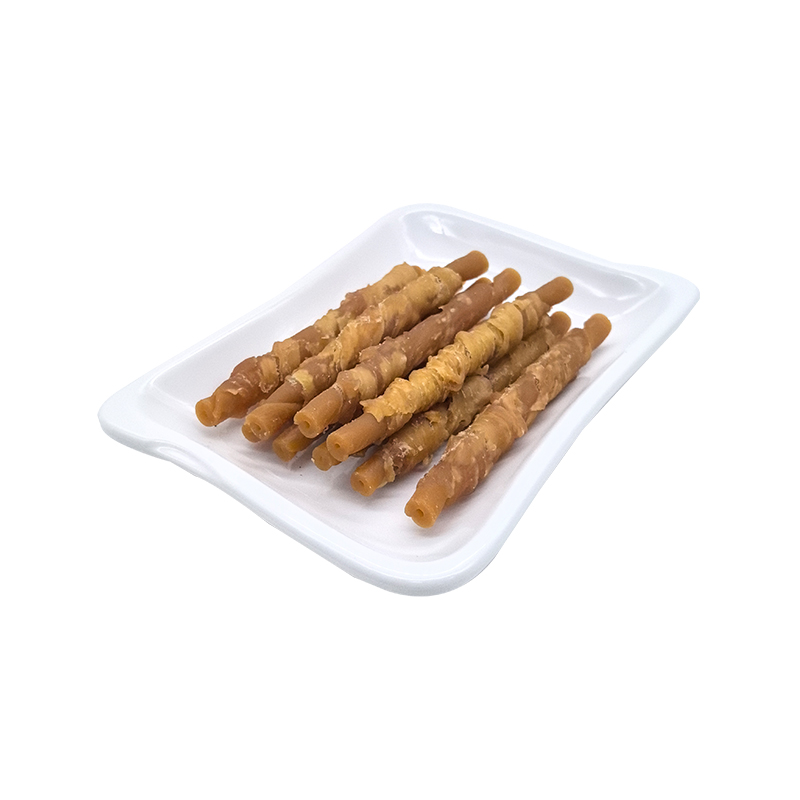
Meat Wrapped Dog Treats
ST002 Chicken Flavor Organic Dog Dental Chew Stick is a healthy and tasty snack designed for dogs’ d...View More


TIME TO FEED YOUR PETS
-
Quick Links
-

The company integrates production and R&D functions, and its core business focuses on the R&D and production of pet snacks and pet chews.
-
Contact Us
Phone/WhatsApp:
+86 18067755187
+86-18657866096 E-mail:
[email protected]
[email protected] Add: No. 358-1, Longqing Road, Nanmingshan Street, Liandu District, Lishui, Zhejiang, China
