Welcome to Lishui Tengyu Pet Food Co., Ltd.
[email protected]

 English
 Español
 Deutsch


Industry News

Industry News
When To Use Denture Sticks For Puppies?
Denture sticks for puppies are often introduced either too early or much later than they should be. New puppy owners usually notice chewing long before they understand why it begins. Shoes, chair legs, blankets, and toys all become targets, but these behaviors are often connected with the natural puppy dental development process rather than simple curiosity.
For pet product suppliers, understanding when puppies begin chewing with purpose has become an important topic because age influences not only product selection but also how puppies develop healthy chewing habits.
Chewing Starts Before Adult Teeth Appear
Many owners expect chewing to begin only after permanent teeth grow in.
In reality, it often starts much earlier.
As puppies grow, their mouths gradually change.
The gums become more sensitive.
Baby teeth loosen.
New teeth slowly push upward.
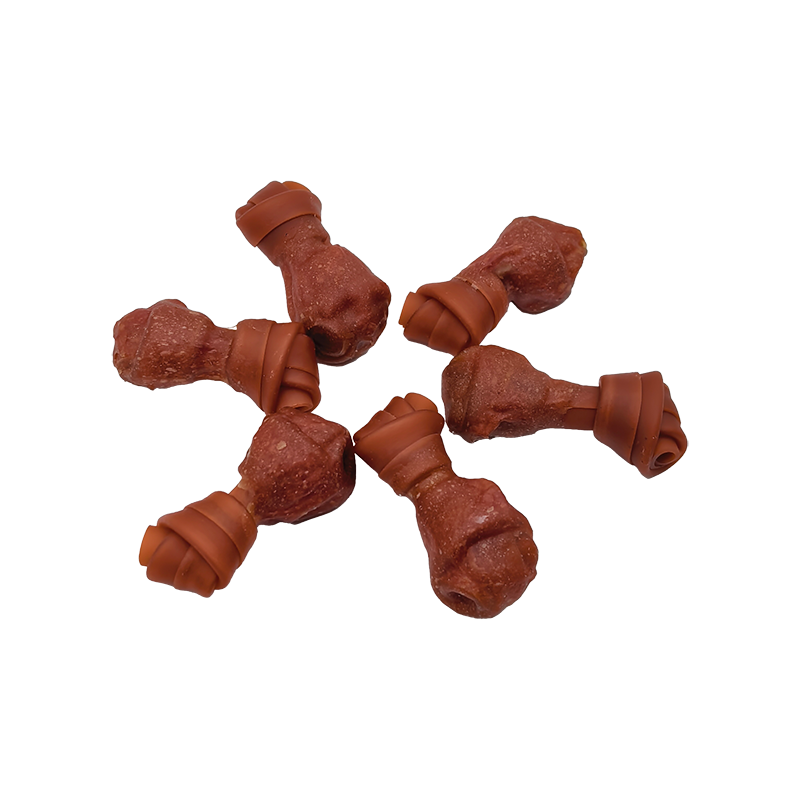
During this period of puppy dental development, puppies naturally look for objects that provide gentle resistance. This is one reason why denture sticks for puppies are designed differently from products intended for adult dogs.
Every Puppy Reaches This Stage Differently
Age offers useful guidance, but it is not an exact timetable.
Some puppies begin chewing intensely at only a few months old.
Others develop the habit more gradually.
Breed, body size, and growth speed can all influence the puppy dental development process.
Instead of relying only on a specific age, experienced owners often observe changes in chewing behavior before introducing denture sticks for puppies into the daily routine.
Chewing Habits Develop Over Time
Chewing is a learned behavior as much as a natural one.
When suitable products are available, puppies gradually learn what they are expected to chew.
Without appropriate alternatives, household items often become the obvious choice.
This is why many trainers recommend providing suitable chewing options before unwanted habits become established.
For manufacturers, denture sticks for puppies are not simply designed to satisfy chewing. They also help support the formation of more predictable chewing routines during early growth.
Texture Matters More Than Size
Many buyers pay attention to product length first.
Manufacturers often focus on something different.
Texture.
A product that is too firm may not suit puppies that are still experiencing active puppy dental development.
One that softens too quickly may not encourage longer chewing sessions.
Finding a balanced texture is therefore an important consideration during product development.
This is also why denture sticks for puppies are usually separated from standard dental chews intended for mature dogs.
Puppies Do Not Chew The Same Way
Watching several puppies together quickly shows one interesting fact.
Their chewing styles are rarely identical.
Some work slowly from one end.
Others repeatedly bite the centre.
Some lose interest after a few minutes, while others continue much longer.
These differences are completely normal.
Because chewing behavior varies, suppliers often develop denture sticks for puppies in several shapes and sizes rather than assuming one design fits every growing dog.
Early Guidance Can Influence Long-Term Habits
Many long-term chewing habits begin during the first months of growth.
A puppy that regularly receives appropriate chewing products often becomes familiar with using them during everyday routines.
That early experience may reduce interest in unsuitable household objects later.
This is one reason why discussions about puppy dental development now extend beyond teeth alone.
Veterinarians, trainers, and manufacturers increasingly view chewing as part of normal behavioral development rather than simply a response to discomfort.
Product Selection Is Becoming More Age-Focused
Pet owners are asking different questions than they did several years ago.
Instead of choosing products only by flavor or package design, they increasingly ask when a puppy should begin using them.
That shift reflects growing awareness of developmental stages and responsible feeding practices.
For suppliers, this means denture sticks for puppies are increasingly developed with specific growth periods in mind instead of being treated as smaller versions of adult dental chews.
NEXT:How Does Moisture Affect Chicken Jerky Strips For Dogs?
-
Meat Wrapped Dog Treats
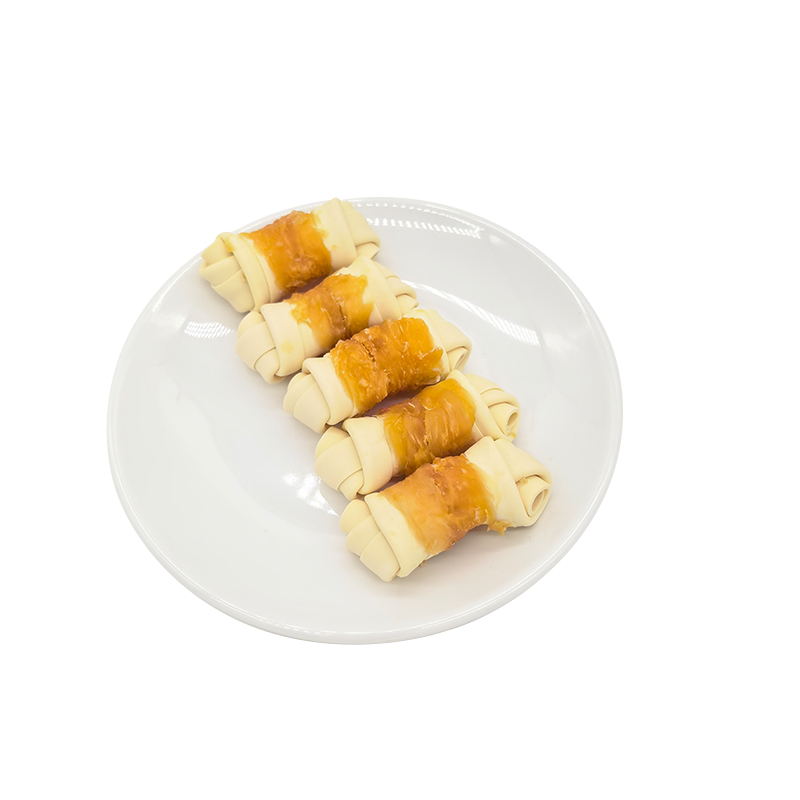
Our KN001 2.5-3-inch chicken coated starch bone chewable tablets are designed specifically for dogs,...View More -
Meat Wrapped Dog Treats
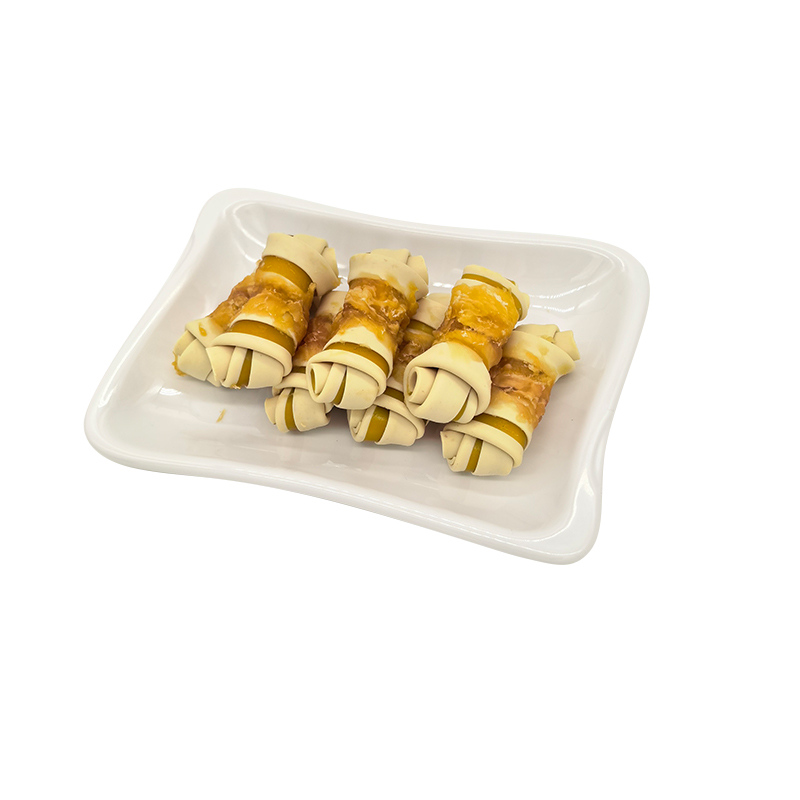
The KN003 organic protein dog chew treats are crafted with a wholesome blend of corn starch, sweet p...View More -
Knotted Bone Series
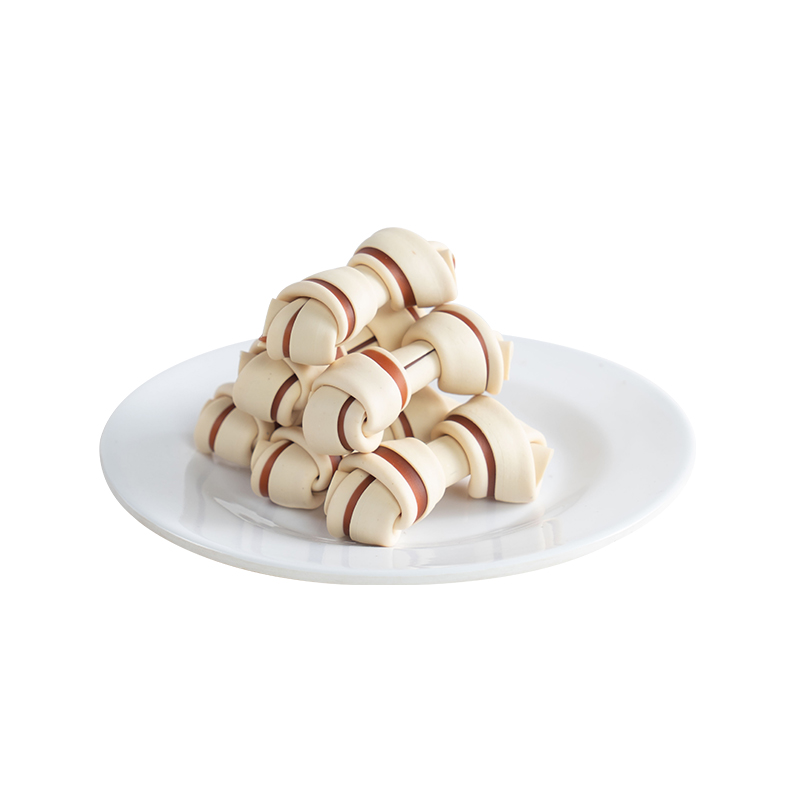
The KN004 Chewing Gum Grinding Teeth Cleaning Teeth Dog Snacks is a starch-based chew treat specific...View More -
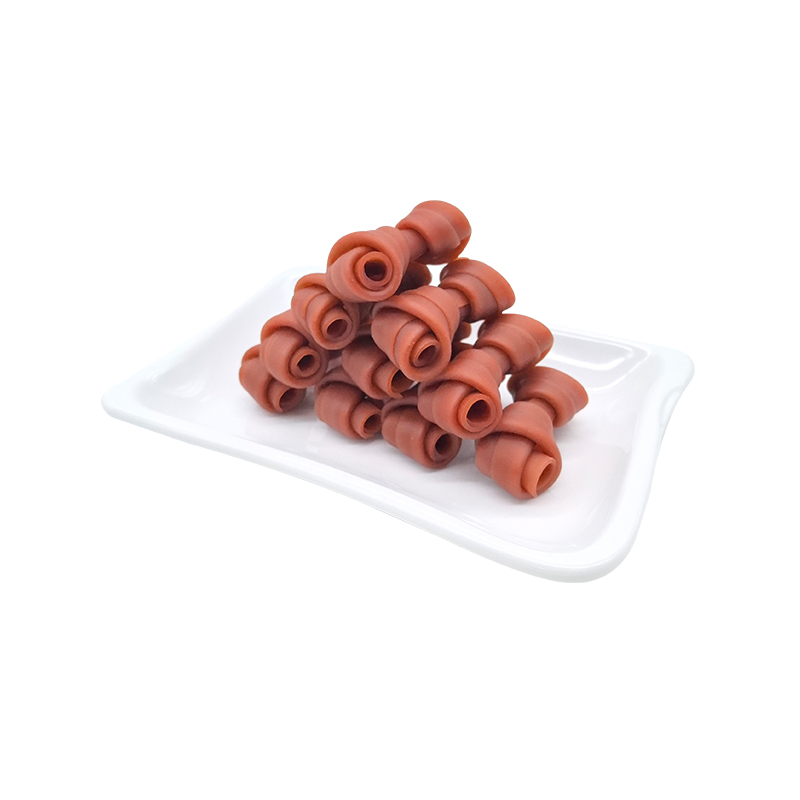
Knotted Bone Series
KN005 Dog single Color Bone Chew Snacks Safe and Healthy Pet Food is a healthy pet food made primari...View More -
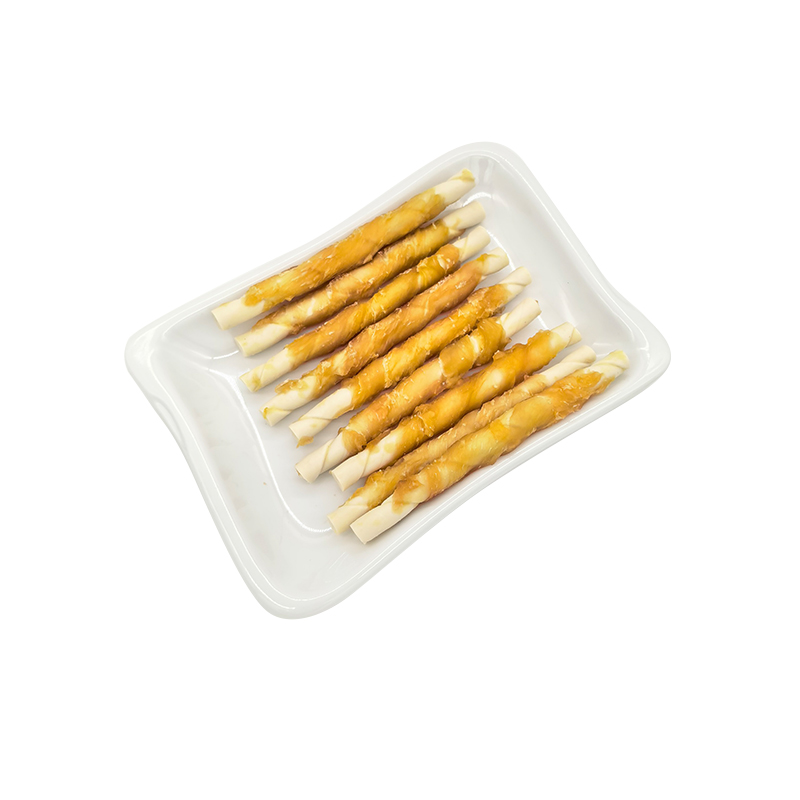
Meat Wrapped Dog Treats
ST001 Milk Flavored 12cm Nutritious Meat-Wrapped Pet Chicken Rolls Stick combine premium chicken wit...View More -
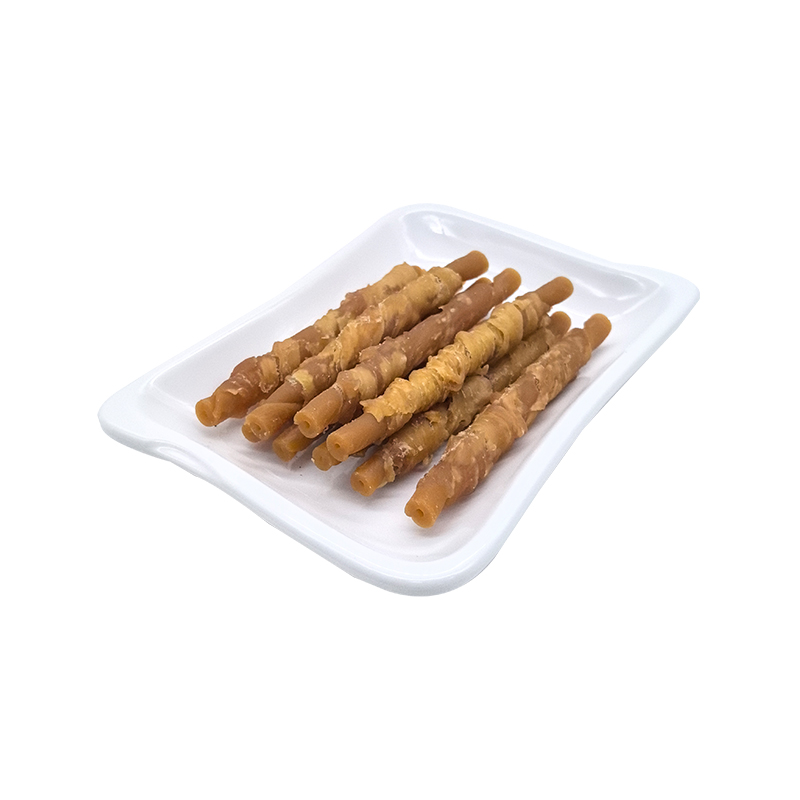
Meat Wrapped Dog Treats
ST002 Chicken Flavor Organic Dog Dental Chew Stick is a healthy and tasty snack designed for dogs’ d...View More


TIME TO FEED YOUR PETS
-
Quick Links
-

The company integrates production and R&D functions, and its core business focuses on the R&D and production of pet snacks and pet chews.
-
Contact Us
Phone/WhatsApp:
+86 18067755187
+86-18657866096 E-mail:
[email protected]
[email protected] Add: No. 358-1, Longqing Road, Nanmingshan Street, Liandu District, Lishui, Zhejiang, China
