Welcome to Lishui Tengyu Pet Food Co., Ltd.
[email protected]

 English
 Español
 Deutsch


Industry News

Industry News
How to Choose a Dog Treat: A Guide to Healthy Dog Treats for Every Need
A dog treat can be a useful training reward, a way to encourage chewing, or simply a small part of a daily routine. But with so many shapes, flavors and ingredients available, how do you choose one that is right for your dog?
The answer starts with your dog. Age, body size, teeth, chewing habits, dietary needs and the purpose of the treat all matter. A suitable chew for a large dog may be difficult for a small dog to handle, while a treat used several times during training requires different portion considerations from a chew given occasionally.
This guide explains how to choose a dog treat by looking beyond the front of the package and focusing on the details that make a difference.
1. Start With Your Dog’s Age, Size and Chewing Habits
Before comparing flavors or ingredients, consider who will be eating the treat.
A puppy, an adult dog and a senior dog may have different chewing abilities. Puppies need products appropriate for their age and stage of development, while older dogs may have worn teeth, missing teeth or other oral health concerns that make harder chews uncomfortable.
Body size matters, too. A Beagle and a Great Dane do not have the same mouth size or chewing strength. However, weight alone does not tell the whole story: two dogs of similar size may chew very differently. One may take time to work through a treat, while another may try to swallow it quickly.
When choosing a chew, check the manufacturer’s age and size recommendations, then consider how your own dog normally eats. If your dog has dental problems or seems uncomfortable chewing, ask your veterinarian for guidance.
Tengyu offers dog treats in different shapes and sizes, with size customization available for brands developing products for different dogs.
2. Choose the Right Size and Texture
The right dog treat should be manageable for the dog without being so small that it can easily be swallowed whole.
This is especially important for chew treats. A piece that is too small for the dog’s mouth may be swallowed before it is properly chewed. On the other hand, a treat that is too large or difficult to handle may discourage smaller dogs from using it.
Texture deserves just as much attention. Some dogs enjoy a firmer chew, while others do better with a softer or more flexible treat. Very hard items, including antlers, hooves and certain bones, can damage teeth; sharp fragments or edges may also injure the mouth.
Whatever type you choose, supervise your dog while chewing. Remove the treat if it breaks into large pieces or becomes small enough to swallow whole.
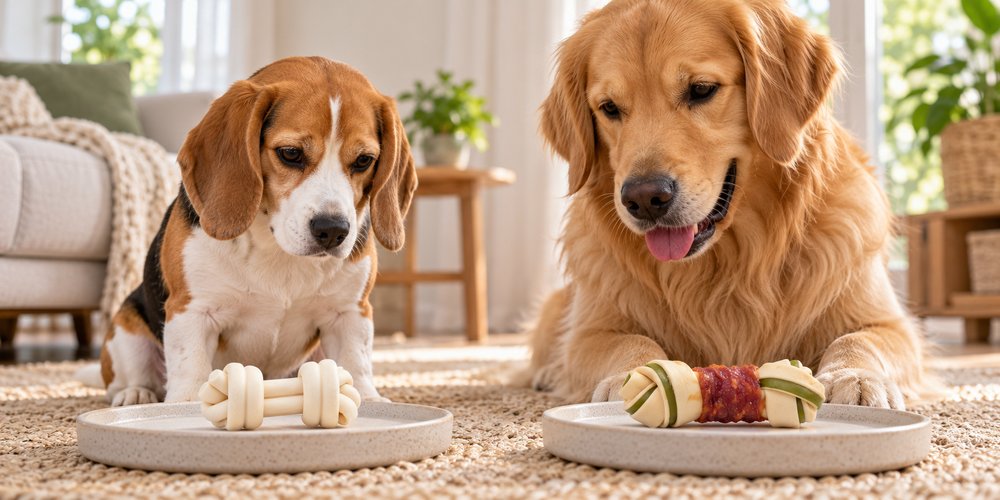
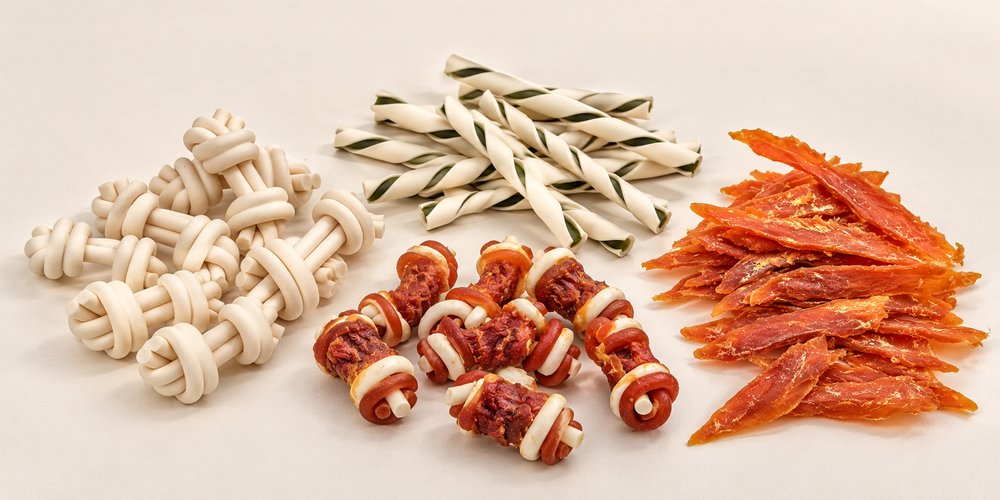
Tengyu produces knotted bones, chew sticks and meat-wrapped treats in a variety of formats, giving buyers options for different chewing preferences.
3. Read the Ingredient List, Not Just the Front Label
Words such as “premium,” “natural” and “healthy” can be appealing, but they do not tell you everything about a dog treat. Turn the package over and read the ingredient list.
Look for clearly identified ingredients, particularly if your dog needs to avoid a particular protein. For example, chicken, duck or lamb meal provides more useful information about the protein source than a broad description alone.
In the United States, ingredients are generally listed in descending order by weight. This can help you understand the recipe, although the order alone does not tell you everything about nutritional quality or digestibility.
You may also see animal by-products on a label. These are not automatically unsuitable for dogs: some animal parts that people do not commonly eat can provide useful nutrients. The practical question is whether the ingredients and their sources are clearly described and whether the product is appropriate for your dog.
For dogs with a diagnosed food allergy or a sensitive digestive system, check the entire ingredient list, not only the flavor on the front. A “duck flavor” treat, for instance, may contain other animal proteins as well.
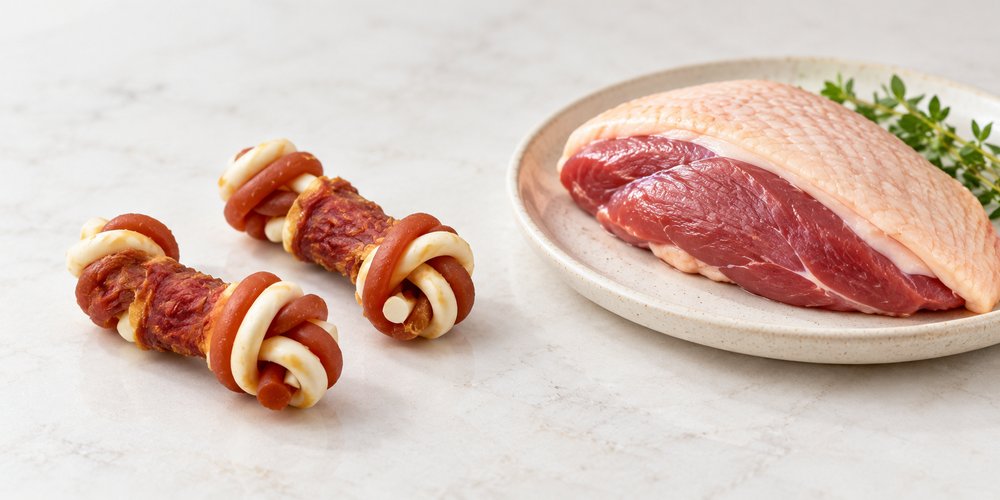
Some Tengyu meat-wrapped dog treats use whole pieces of chicken breast or duck breast, allowing buyers to see the meat’s texture on the product.
4. Consider What You Want the Treat to Do
Not all dog treats need to serve the same purpose. Before buying, think about when and why you plan to give the treat.
For Training
Training often involves repeated rewards in a short period. Small pieces that are easy to eat can help keep the session moving without giving your dog a large amount of food each time.
A favorite treat can be broken into smaller portions if its texture allows. You can also set aside part of your dog’s daily food allowance for training rewards.
For Everyday Rewards
For a daily reward, flavor and portion size are important. Some dogs prefer meat-based treats, while others enjoy different flavors or textures. Introduce a new product in a small amount and observe how your dog responds.
Tengyu offers chicken, duck and other flavor options across different product ranges, with flavor customization available for suitable products.
For Chewing
If the goal is to satisfy a dog’s desire to chew, look at the product’s size, shape and texture rather than choosing by appearance alone. A knotted bone, a straight stick and a twisted chew can offer different chewing experiences.
Tengyu’s product range includes knotted bones, chew sticks and collagen-based chews in a variety of formats.
For Oral Care
Some dental chews are designed to support oral hygiene while giving dogs an enjoyable reward. Their effects vary by product, so look for evidence supporting the specific claim rather than assuming that every chew works equally well.
Dental chews can be part of an oral care routine, but they do not replace toothbrushing or veterinary dental care. The Veterinary Oral Health Council identifies brushing as the gold standard and recommends regular veterinary examination. Its accepted-products list can also help owners identify products evaluated for specific plaque or tartar claims.
Tengyu’s dental chew sticks provide a chew format for daily rewards, with flavor options available across the range.
5. Check Calories and Control Portions
Even healthy dog treats add calories. Giving too many can contribute to weight gain or leave less room for a dog’s complete and balanced main diet.
The World Small Animal Veterinary Association recommends that treats provide no more than 10% of a dog’s daily calorie intake. This is a calorie guideline—not 10% of the food’s weight or the number of pieces.
For example, if a veterinarian estimates that a dog needs 500 calories a day, treats should account for no more than approximately 50 calories. That total includes training rewards, chews and any other snacks given throughout the day.
If the packaging does not list calories per treat, check whether calories are given per gram or per kilogram, or contact the manufacturer for more information.
For a dog on a weight-management plan, ask your veterinarian to help determine an appropriate daily calorie target. Lower-fat products may be an option, but low fat does not automatically mean low calorie; check the actual nutrition and calorie information.
Tengyu offers both meat-wrapped and non-meat-wrapped products, allowing buyers to compare formats and nutritional specifications for different product lines.
6. Match Treats to Health Needs and Dietary Restrictions
Some dogs need more careful choices than others. A dog with a sensitive stomach, a confirmed food allergy, diabetes or another medical condition may not be able to eat every treat marketed for general use.
Start with your veterinarian’s advice, especially if your dog is eating a prescription diet. Even a small amount of an unsuitable treat can interfere with a dietary plan. Introduce new treats gradually and stop feeding them if your dog develops an adverse reaction.
For older dogs, there is no single treat that suits every senior. Some may need a softer texture; others may need closer attention to calories or a particular health condition. “Senior” on a label is a useful starting point, but the individual dog’s needs matter more.
Some brands also develop treats containing ingredients such as prebiotics. These can be included as part of a product formulation, but their benefits depend on the specific ingredient, amount and evidence behind the finished product.
Tengyu can discuss the addition of prebiotics when developing suitable customized recipes for customers.
7. Compare Different Types of Dog Treats
Understanding what each type of treat is designed for can make the selection process easier.
| Type of Dog Treat | Common Use | What to Check |
|---|---|---|
| Dog jerky | Daily rewards and meat-based snacks | Protein source, portion size and texture |
| Knotted bone treats | Chewing and daily enjoyment | Size, firmness and chewing habits |
| Dental chew sticks | Supporting an oral care routine | Appropriate size and evidence for specific dental claims |
| Collagen chews | Chewing and texture variety | Ingredients, size and firmness |
| Meat-wrapped treats | Combining a chew with a meat layer | Both the outer meat and the inner chew ingredients |
These categories can overlap. For example, a meat-wrapped treat may have a collagen stick or knotted bone inside. Always check the complete product description and ingredient list to understand what your dog is eating.
Tengyu manufactures products across these categories and offers OEM/ODM options for pet brands, wholesalers and distributors.
8. Check Packaging, Storage and Feeding Instructions
A good choice does not end with the ingredient list. Before buying or opening a dog treat, check:
- Feeding instructions: Is the product suitable for your dog’s age and size?
- Calorie information: How does one portion fit into the daily treat allowance?
- Best-before date and batch number: Can the product be identified if there is a quality issue or recall?
- Package condition: Is the bag sealed and undamaged?
- Storage instructions: Does the product need to be resealed or stored under specific conditions after opening?
Keep the original packaging or note the batch number, particularly when trying a new product. If a treat has an unusual smell, the package is swollen or damaged, or your dog becomes unwell after eating it, stop feeding it and contact your veterinarian and the manufacturer.
Tengyu supports customized packaging options for customers developing their own dog treat products.
Frequently Asked Questions
What Should I Look for in Healthy Dog Treats?
Look for a treat that suits your dog’s age, size, chewing habits and health needs. Check the full ingredient list, calorie information, feeding instructions and package condition. A treat does not need to be large or expensive to be a useful reward.
Are Meat-Based Dog Treats Better Than Other Treats?
Not necessarily. Meat-based treats can be appealing to dogs, but the right choice depends on the complete recipe and the individual dog. Some dogs may need to avoid specific animal proteins, while others may enjoy a combination of meat and a chewable base.
Can Dogs Eat Treats Every Day?
Many dogs can enjoy treats daily if the product is suitable for them and the amount fits their daily calorie allowance. Treats should generally provide no more than 10% of daily calories, with individual adjustments based on veterinary advice.
Can Dental Chews Replace Brushing?
No. Dental chews can complement an oral care routine, but regular brushing and veterinary dental care remain important. The effectiveness of a dental chew depends on the specific product and how it is used.
Are Bigger Dog Treats Always Better?
No. A chew should be large enough that the dog cannot easily swallow it whole, but it also needs to be manageable for the dog’s mouth and chewing ability. Shape, firmness and supervision matter as well as size.
Final Thoughts: How to Choose a Dog Treat With Confidence
The best dog treat is one that fits both the dog and the occasion. For training, that may mean small portions that are easy to eat. For chewing, it means paying close attention to size, texture and supervision. For a dog with special dietary needs, it may mean checking every ingredient with a veterinarian.
When comparing healthy dog treats, look beyond marketing terms: read the label, consider the calories, and choose a product that works with your dog’s daily routine.
For pet brands and distributors, Tengyu offers a range of dog treats—including knotted bones, dental chew sticks, meat-wrapped treats, jerky and collagen chews—with customization options for product specifications and packaging.
Explore Tengyu’s Dog Treat Products
References
- World Small Animal Veterinary Association. Feeding Treats to Your Dog.
- U.S. Food and Drug Administration. Animal Food Labeling and Pet Food Claims.
- Veterinary Oral Health Council. Oral Health Information and Accepted Products.
- VCA Animal Hospitals. Fractured Teeth in Dogs.
- U.S. Food and Drug Administration. Proper Storage of Pet Food and Treats.
-
Meat Wrapped Dog Treats
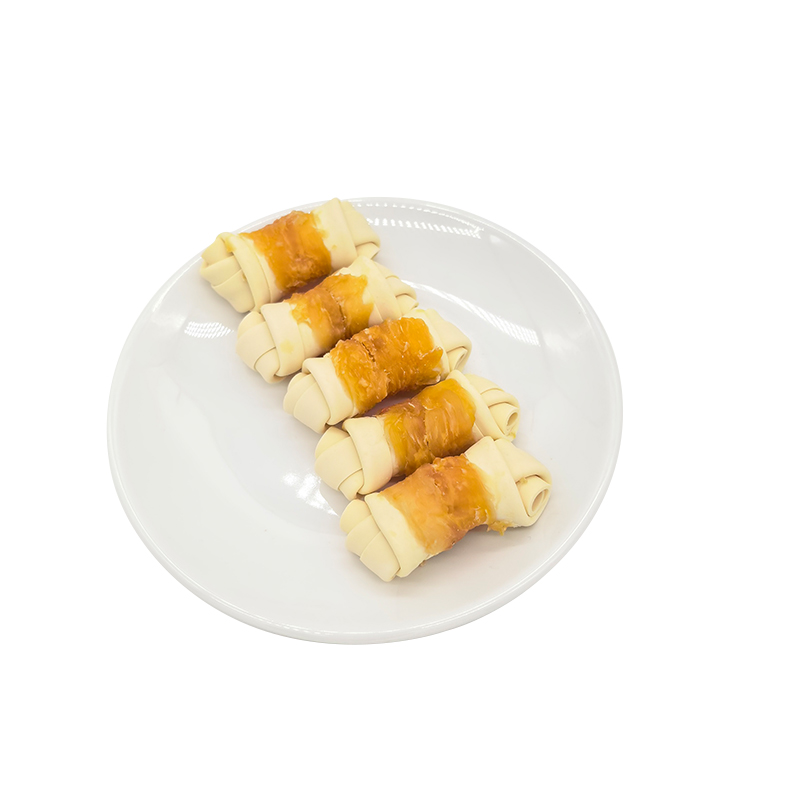
Our KN001 2.5-3-inch chicken coated starch bone chewable tablets are designed specifically for dogs,...View More -
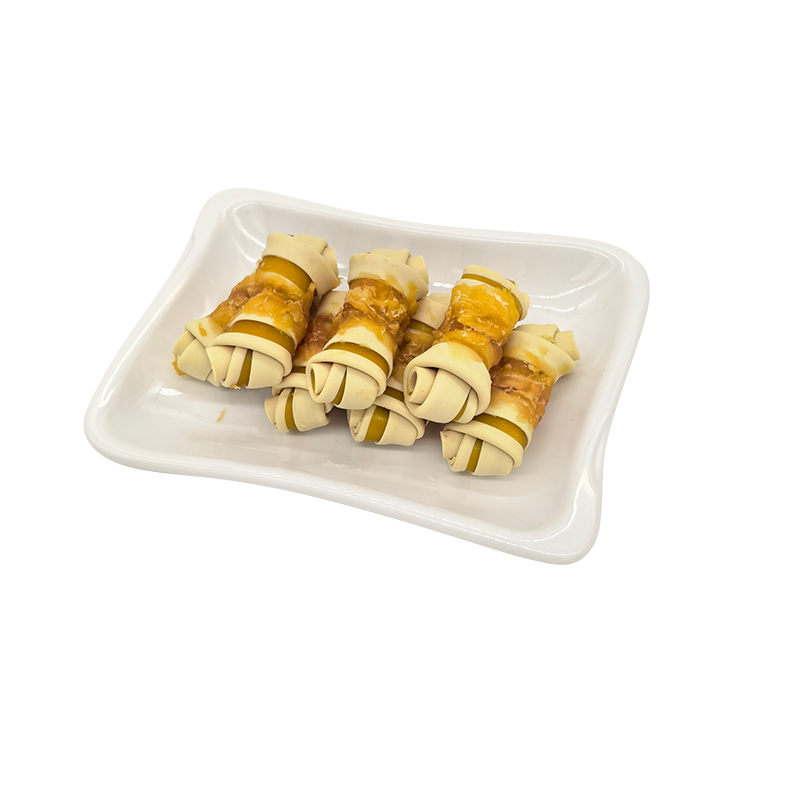
Meat Wrapped Dog Treats
The KN003 organic protein dog chew treats are crafted with a wholesome blend of corn starch, sweet p...View More -
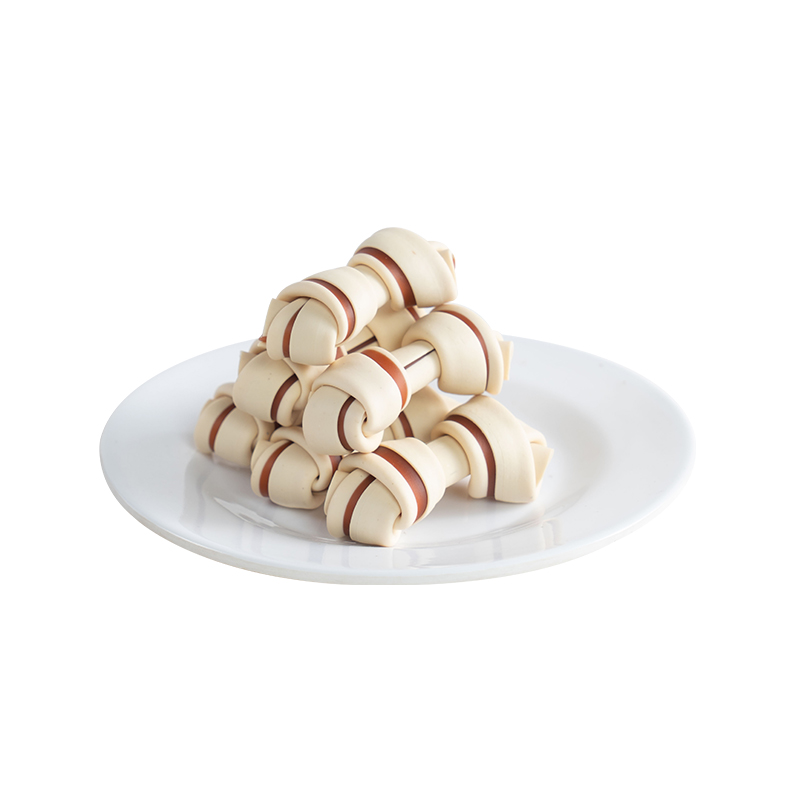
Knotted Bone Series
The KN004 Chewing Gum Grinding Teeth Cleaning Teeth Dog Snacks is a starch-based chew treat specific...View More -
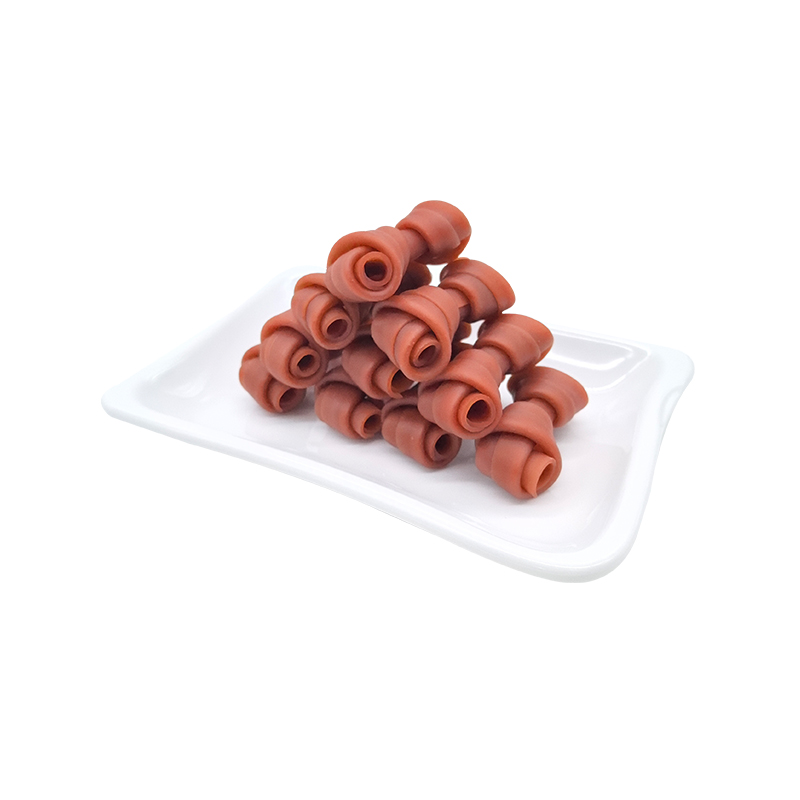
Knotted Bone Series
KN005 Dog single Color Bone Chew Snacks Safe and Healthy Pet Food is a healthy pet food made primari...View More -
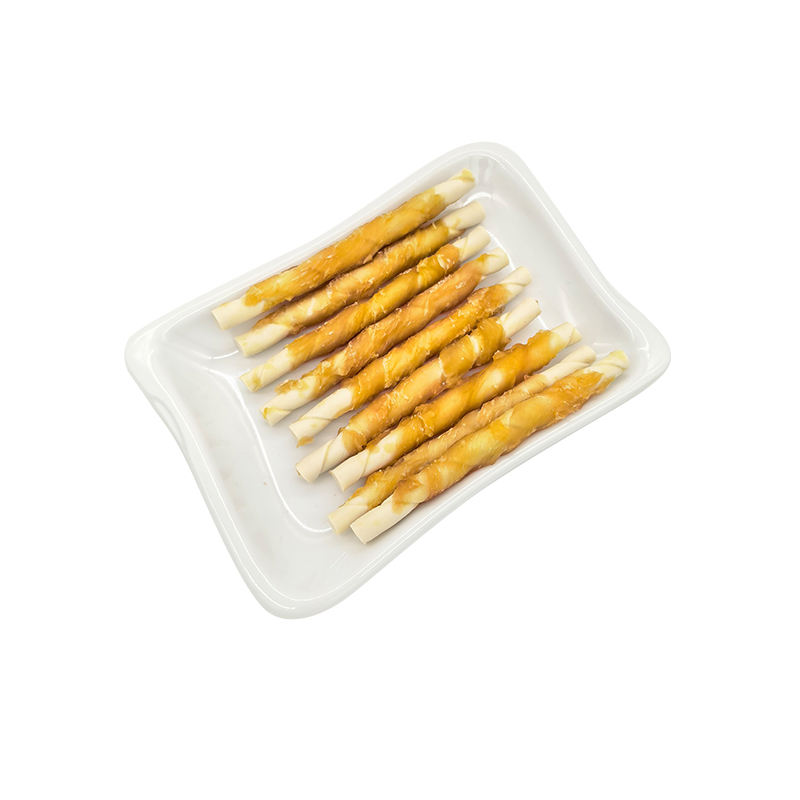
Meat Wrapped Dog Treats
ST001 Milk Flavored 12cm Nutritious Meat-Wrapped Pet Chicken Rolls Stick combine premium chicken wit...View More -
Meat Wrapped Dog Treats
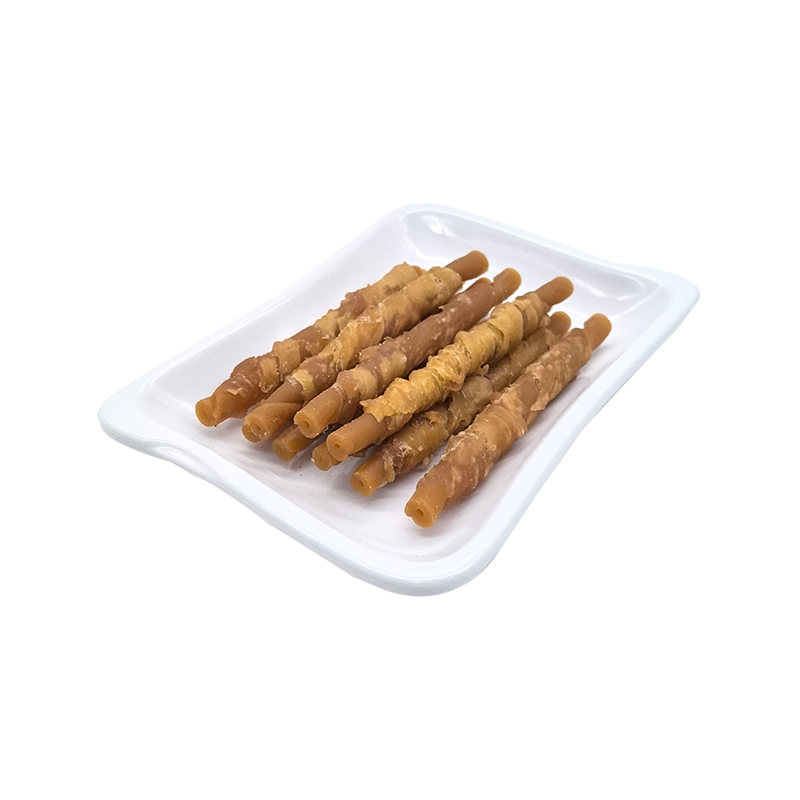
ST002 Chicken Flavor Organic Dog Dental Chew Stick is a healthy and tasty snack designed for dogs’ d...View More


TIME TO FEED YOUR PETS
-
Quick Links
-

The company integrates production and R&D functions, and its core business focuses on the R&D and production of pet snacks and pet chews.
-
Contact Us
Phone/WhatsApp:
+86 18067755187
+86-18657866096 E-mail:
[email protected]
[email protected] Add: No. 358-1, Longqing Road, Nanmingshan Street, Liandu District, Lishui, Zhejiang, China
