Welcome to Lishui Tengyu Pet Food Co., Ltd.
[email protected]

 English
 Español
 Deutsch


Industry News

Industry News
Can Dental Chews Replace Brushing for Dogs?
Can dental chews replace brushing for dogs? No. Brushing remains the most effective home-care method for removing dental plaque. Suitable dental chews can complement brushing, but they do not provide the same controlled cleaning or replace veterinary dental treatment.
That does not make dental chews unnecessary. Their value depends on the product, how the dog chews it, and how consistently it is used within a wider oral care routine.
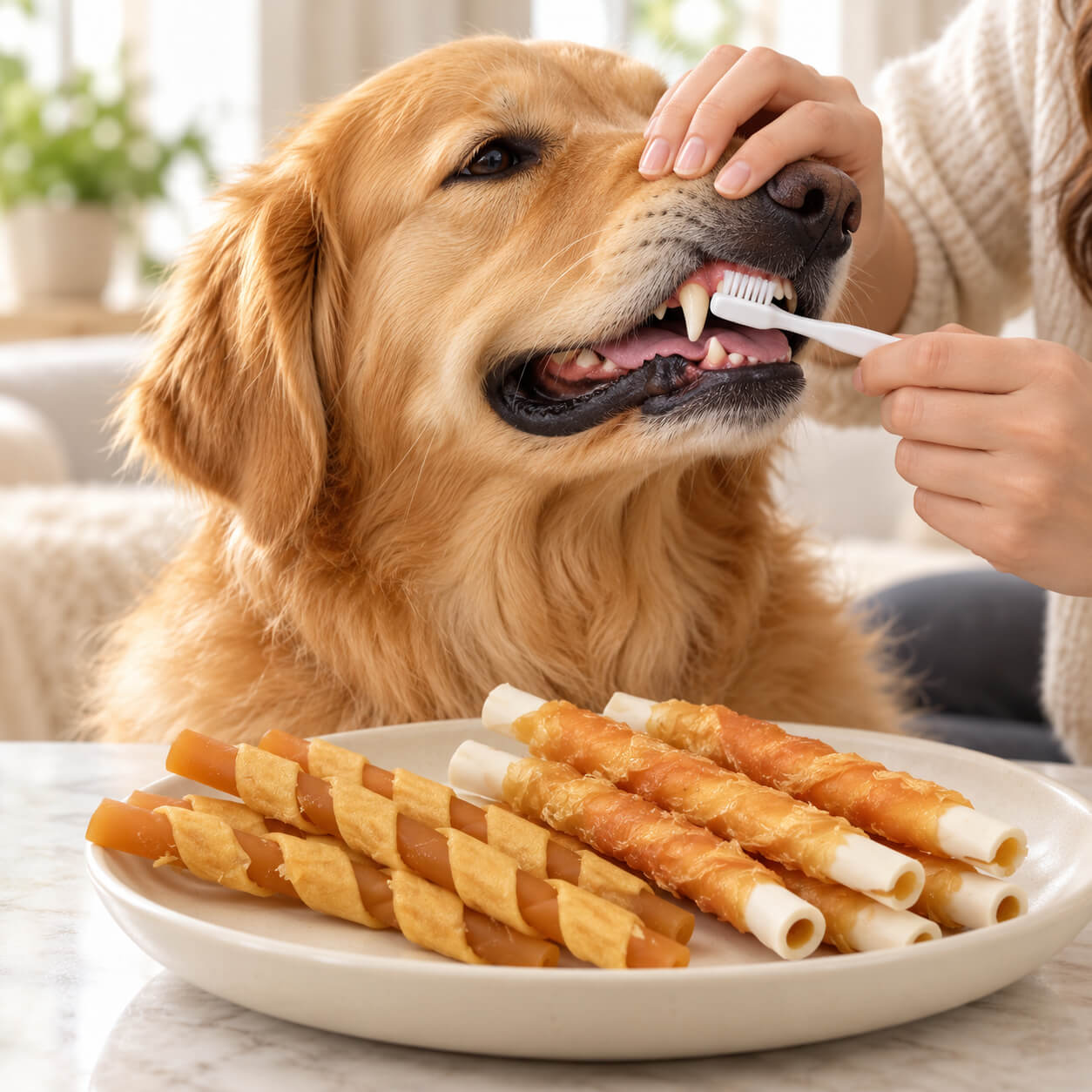
Why Can’t Dental Chews Replace Brushing?
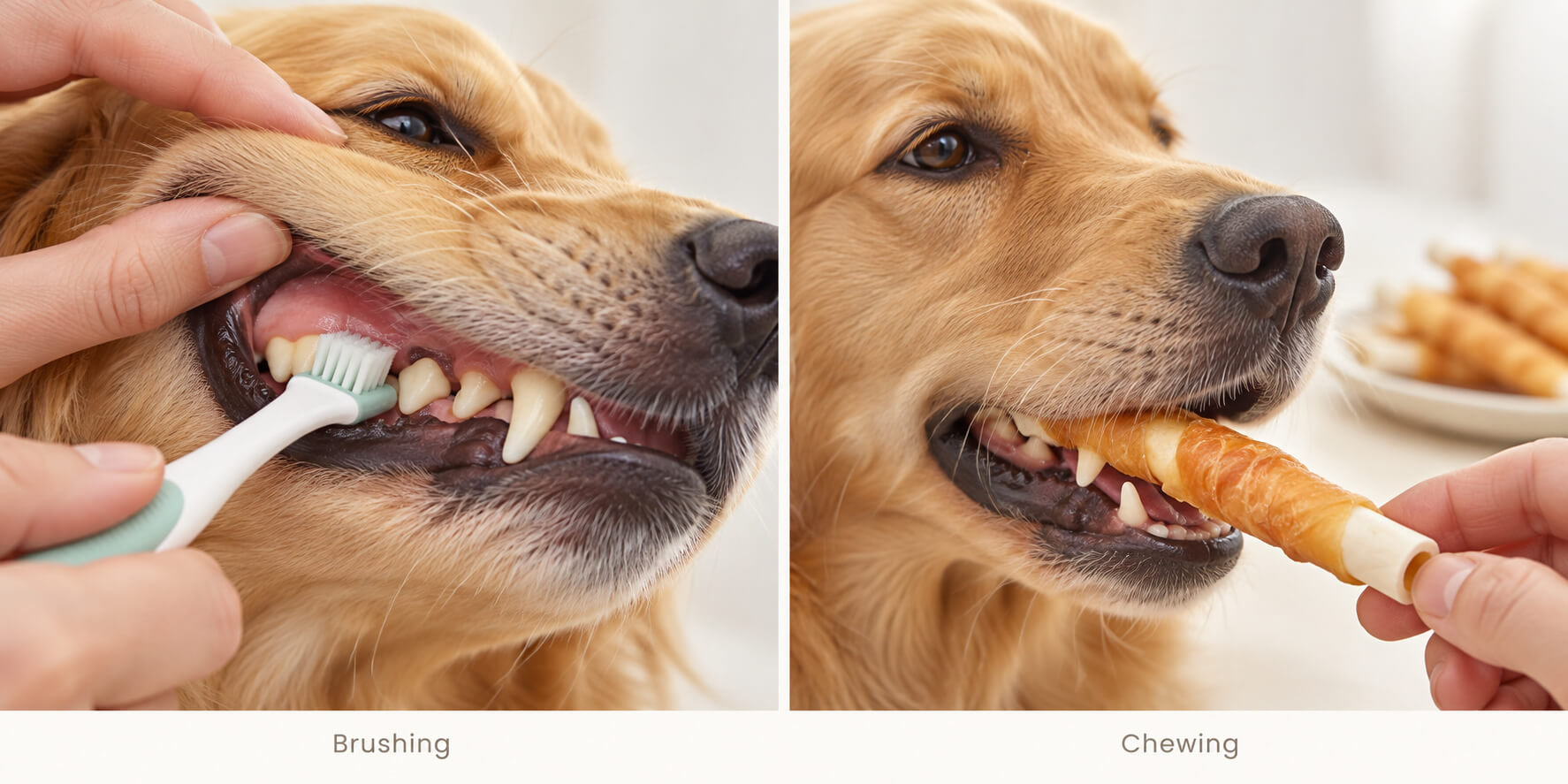
Brushing allows owners to target the outer tooth surfaces and gumline, where plaque collects. A chew contacts the teeth differently: contact depends on where the dog holds it, which teeth it uses, and whether it chews thoroughly or swallows large pieces.
This means giving a dental chew is not equivalent to cleaning every tooth. The American Veterinary Medical Association recommends daily brushing where possible, while noting that brushing several times a week can also be effective.
A practical distinction: Brushing provides targeted plaque removal. Dental chews offer additional oral care benefits when the specific product is effective and used as directed.
What Can Dental Chews Do—and What Can’t They Do?
Some dental chews for dogs have demonstrated reductions in plaque or tartar accumulation. However, results belong to the products tested. A similar shape, ingredient list, or “dental” label does not establish the same performance.
The Veterinary Oral Health Council evaluates submitted evidence for two separate claims: helping control plaque and helping control tartar. A product may qualify for one claim or both, so buyers should check the specific claim rather than assume all dental chews perform identically.
Plaque is a soft bacterial film; tartar is hardened, mineralized buildup. Helping limit new tartar accumulation is different from removing established deposits. Owners should not rely on chews or brushing to remove heavy tartar or treat periodontal disease. These require veterinary assessment and, when indicated, professional cleaning.
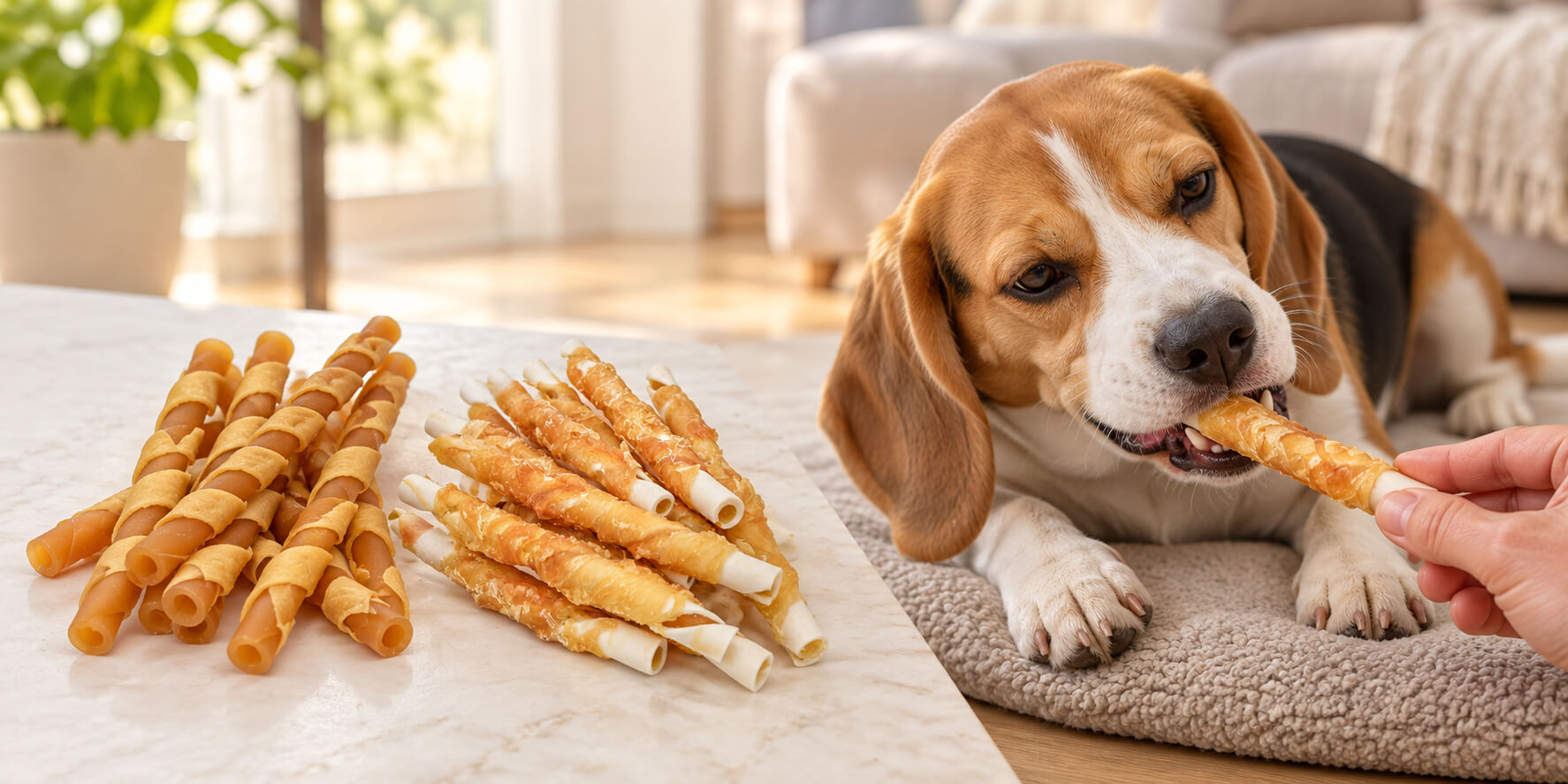
Why Does Your Dog’s Chewing Habit Matter?
Watch how your dog uses a chew. Does it work through the product gradually, bite off large chunks, or try to swallow it almost whole? These behaviors matter when deciding whether the size and texture are suitable.
Because mechanical cleaning depends on tooth contact, a useful selection question is whether the dog actually chews the product. This is a practical consideration, not proof of dental effectiveness. Longer chewing time alone does not demonstrate better plaque control, and a harder chew is not automatically a better choice.
How to Choose Dental Chews for Your Dog
Match the Size and Texture to the Dog
Follow the product’s weight, age, and feeding guidance. Consider chewing behavior and dental condition as well as breed size. Avoid excessively hard products that could damage teeth, supervise chewing, and remove pieces that present a swallowing risk.
Look for Evidence Behind Dental Claims
For demonstrated plaque or tartar control, look for product-specific trial evidence or the relevant VOHC Seal of Acceptance. Ridges, twists, and other surface designs may influence tooth contact, but appearance alone cannot verify a cleaning benefit.
Check Ingredients, Calories, and Feeding Directions
Dental chews are still treats. Check their ingredients against the dog’s dietary needs, account for their calories, and follow the recommended serving frequency. Do not assume every chew is suitable for daily feeding.
How to Combine Brushing and Dental Chews
Make brushing the foundation of daily dog dental care. Use a soft toothbrush and toothpaste formulated for dogs, introducing the process gradually. UC Davis recommends building brushing into a consistent daily routine.
Add a suitable dental chew according to its feeding instructions. There is no need to treat it as a replacement for a missed brushing session. If brushing is difficult, ask a veterinarian about gradual training and appropriate home-care alternatives.
Persistent bad breath, bleeding gums, loose teeth, or difficulty eating should prompt a veterinary examination. Even regular brushing and dental chews do not eliminate the need for professional dental assessment.
What Should Pet Brands Look for in Dental Chew Products?
For brands developing private label dog dental chews, the same selection principles become product-development questions: Who is the chew for? Is its size and texture appropriate? Are feeding instructions clear? What evidence supports the proposed dental claims?
Tengyu offers dental chew sticks and OEM/ODM services for pet treat brands and distributors. Buyers can discuss product specifications, ingredient requirements, and private label packaging to develop a range suited to their target market.
References
American Veterinary Medical Association. Pet Dental Care.
American Animal Hospital Association. Recommending Home Oral Hygiene and Products.
Veterinary Oral Health Council. Protocols and Submissions; Accepted Products.
UC Davis School of Veterinary Medicine. Dental Home Care Instructions.
NEXT:Do Dental Chews Work for Dogs? Evidence from Two Studies
-
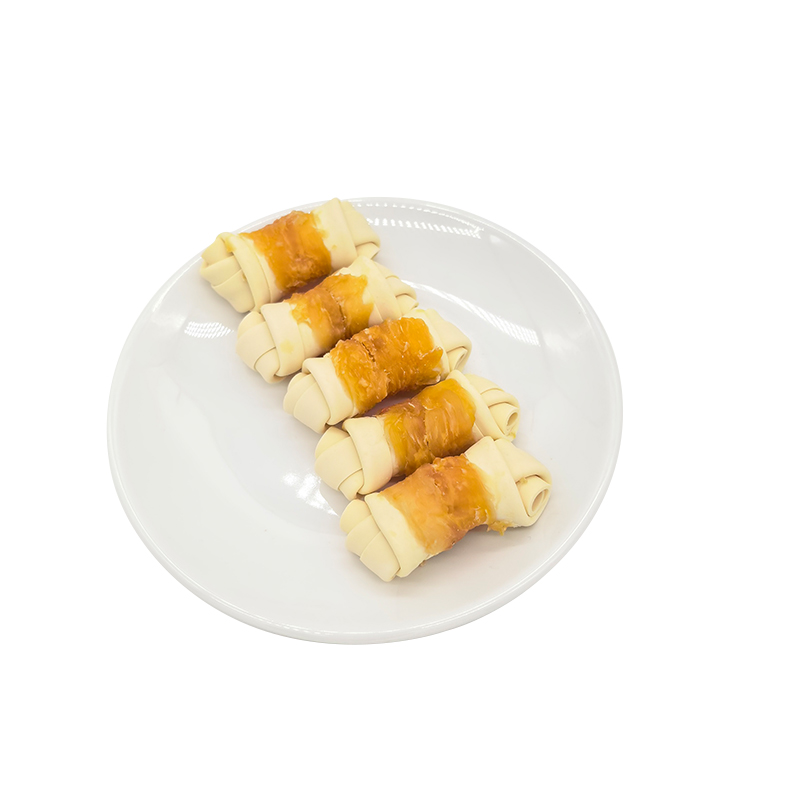
Meat Wrapped Dog Treats
Our KN001 2.5-3-inch chicken coated starch bone chewable tablets are designed specifically for dogs,...View More -
Meat Wrapped Dog Treats
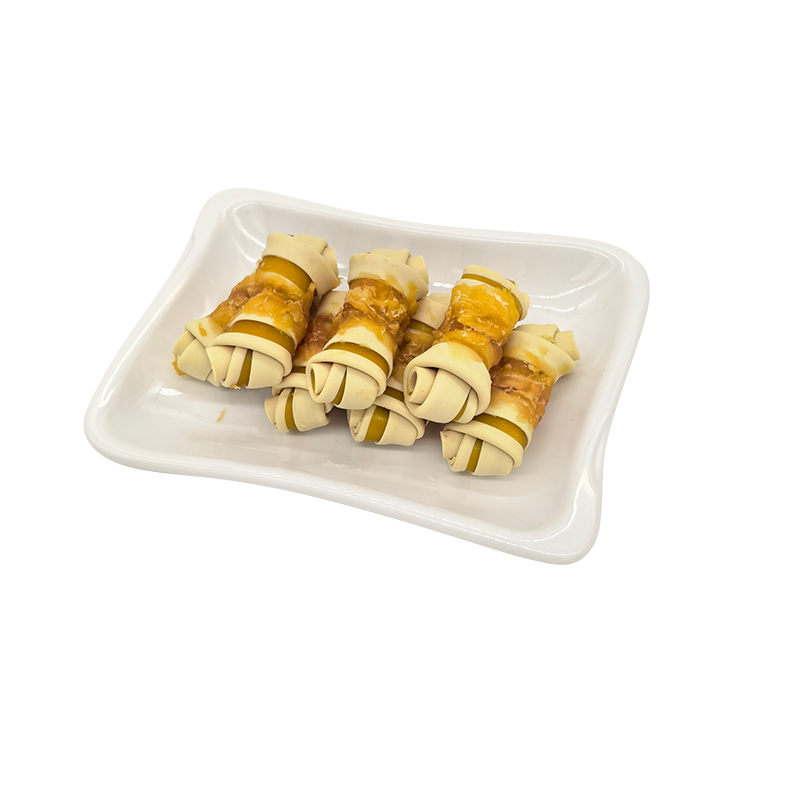
The KN003 organic protein dog chew treats are crafted with a wholesome blend of corn starch, sweet p...View More -
Knotted Bone Series
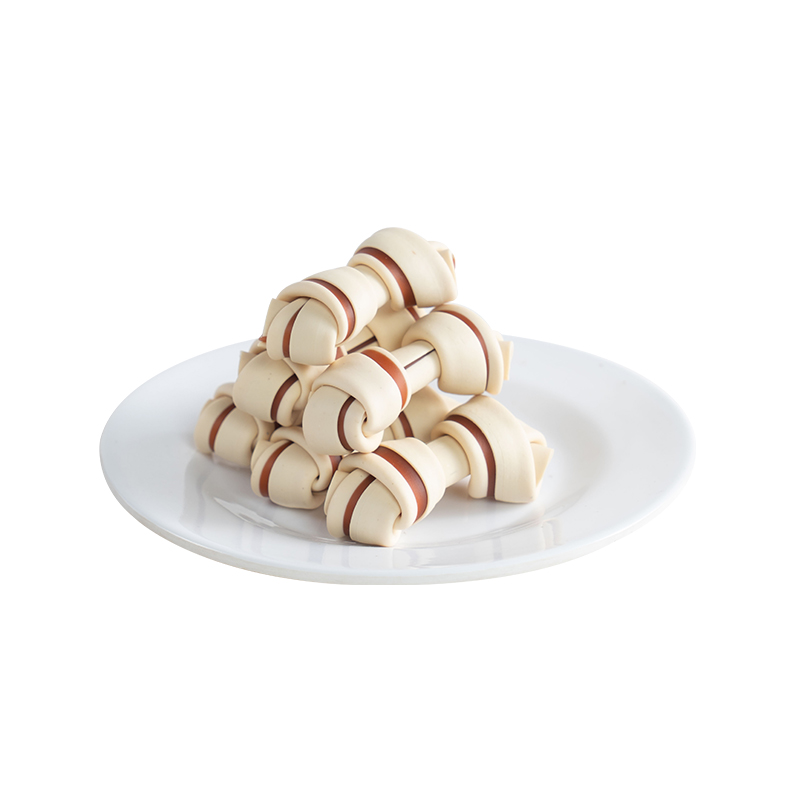
The KN004 Chewing Gum Grinding Teeth Cleaning Teeth Dog Snacks is a starch-based chew treat specific...View More -
Knotted Bone Series
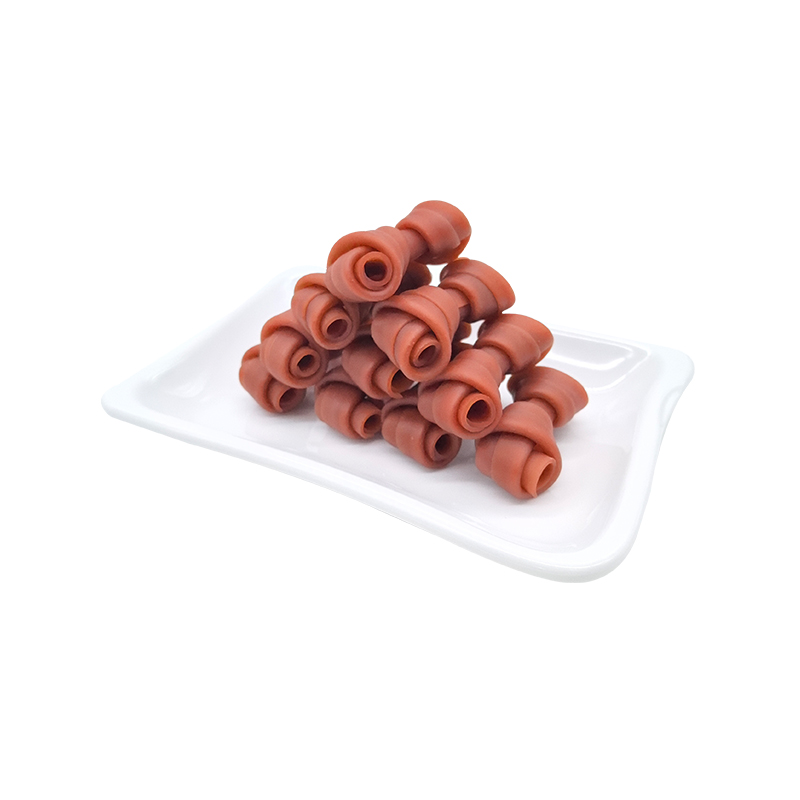
KN005 Dog single Color Bone Chew Snacks Safe and Healthy Pet Food is a healthy pet food made primari...View More -
Meat Wrapped Dog Treats
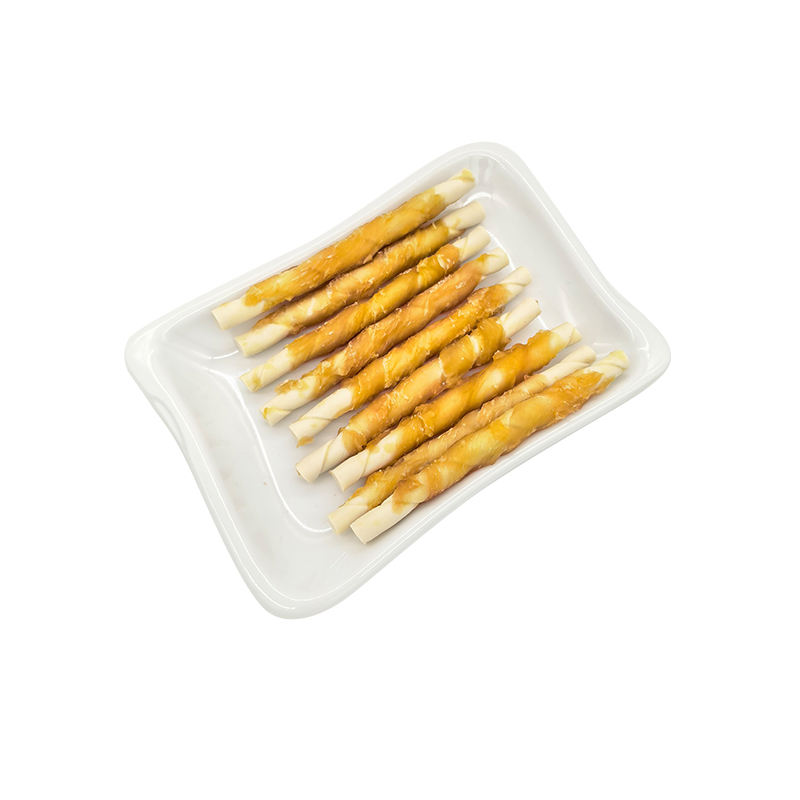
ST001 Milk Flavored 12cm Nutritious Meat-Wrapped Pet Chicken Rolls Stick combine premium chicken wit...View More -
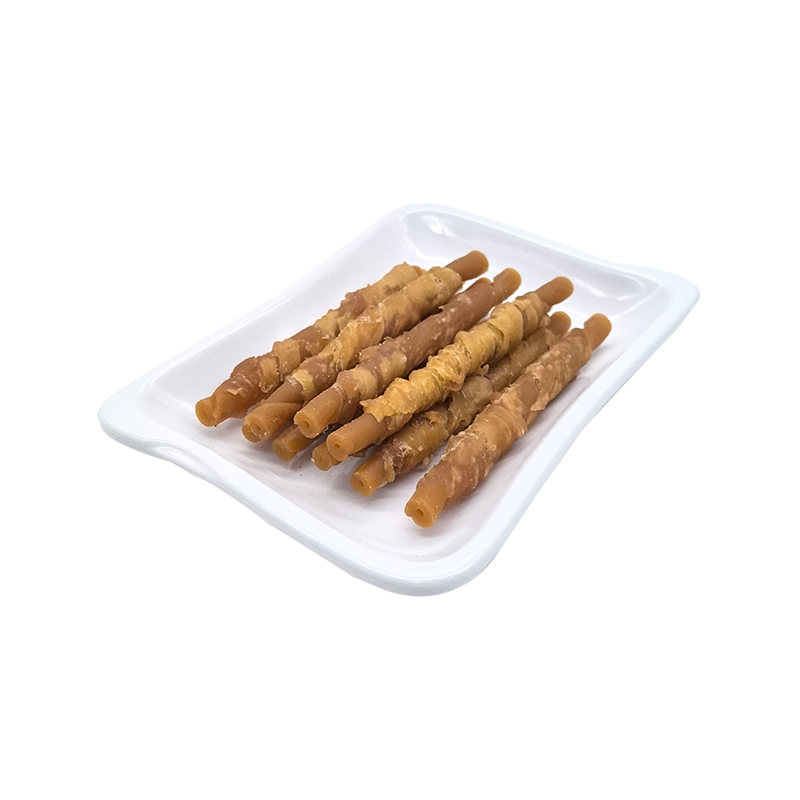
Meat Wrapped Dog Treats
ST002 Chicken Flavor Organic Dog Dental Chew Stick is a healthy and tasty snack designed for dogs’ d...View More


TIME TO FEED YOUR PETS
-
Quick Links
-

The company integrates production and R&D functions, and its core business focuses on the R&D and production of pet snacks and pet chews.
-
Contact Us
Phone/WhatsApp:
+86 18067755187
+86-18657866096 E-mail:
[email protected]
[email protected] Add: No. 358-1, Longqing Road, Nanmingshan Street, Liandu District, Lishui, Zhejiang, China
