Welcome to Lishui Tengyu Pet Food Co., Ltd.
[email protected]

 English
 Español
 Deutsch


Industry News

Industry News
How to Choose the Best Dog Jerky Treats
The best dog jerky treats use clearly named meat, have a clear ingredient list, and come in a size and texture your dog can comfortably eat. A reliable manufacturer and clear feeding and storage instructions matter, too.
Chicken, duck, beef, turkey, lamb, and fish jerky can all be options. The right choice depends on the recipe, how the treat is made, and what suits your dog. Here are seven things to check before you buy.
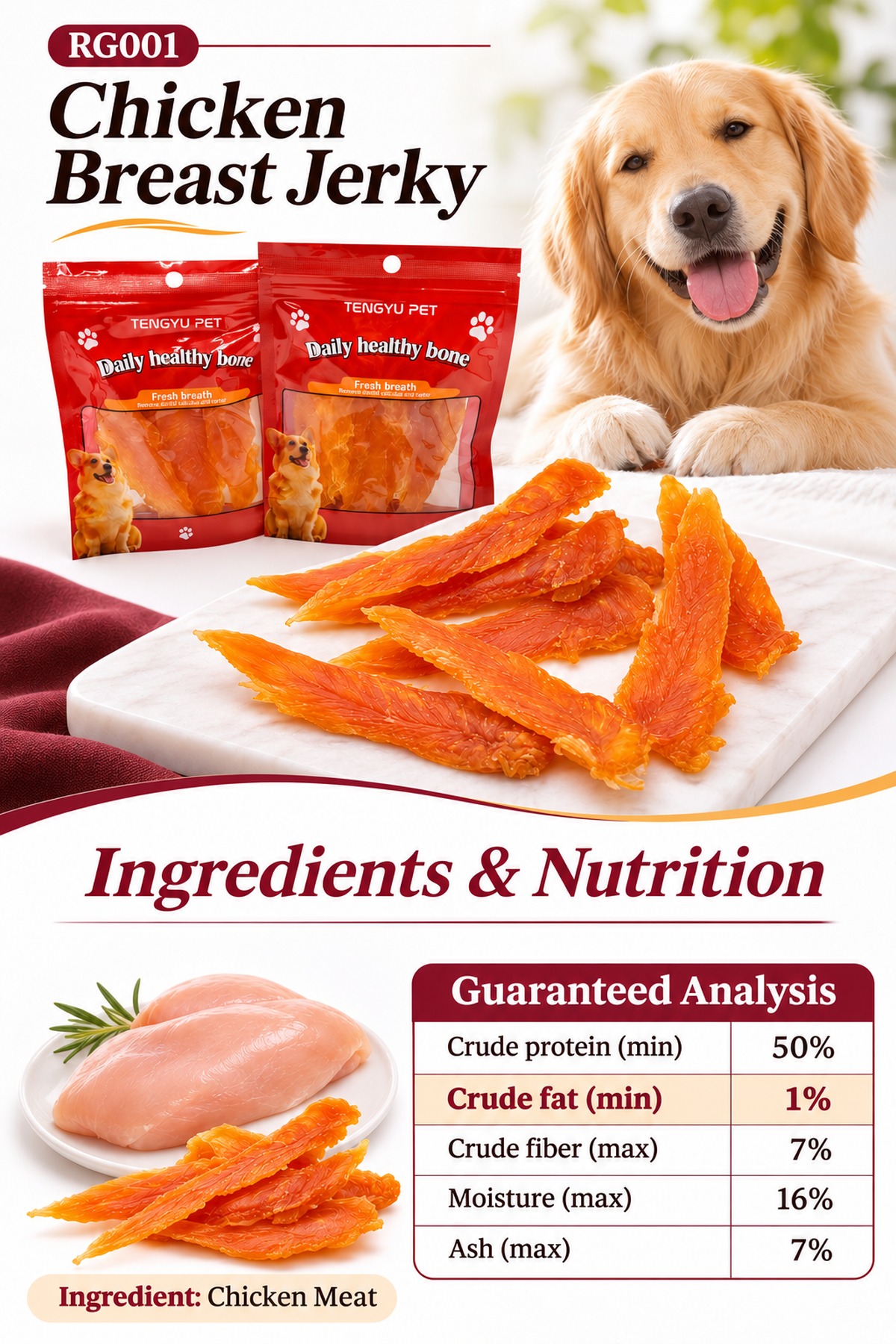
1. Check What Meat Is Used
Start with the meat named on the label. Chicken breast, duck breast, beef, turkey, lamb, and salmon tell you more about a product than a general description such as “meat flavour.”
If your dog already enjoys and tolerates a particular meat, that can be a useful starting point.
| Meat Source | What to Consider |
|---|---|
| Chicken jerky | An option for dogs that enjoy and tolerate chicken. Available as fillets, strips, and smaller pieces. |
| Duck jerky | Another poultry option with a different flavour. Check the full recipe if your dog needs to avoid chicken. |
| Beef jerky | Available in whole-cut and formed styles. Choose a product made for dogs rather than seasoned human jerky. |
| Turkey jerky | An alternative to chicken or duck, with different cuts and recipes available. |
| Lamb or venison jerky | Other meat choices for variety or specific dietary needs. Neither automatically suits every sensitive dog. |
| Fish jerky | Often made from fish such as salmon or cod. Check whether the product uses fish meat, skin, or a mixture. |
The name of the meat does not tell you everything about the finished treat. Two chicken jerky products can differ in thickness, fat content, ingredients, and texture.
Compare the complete products rather than assuming one type of meat is always best.
2. Read the Full Ingredient List
For meat-focused jerky, look for a clearly identified meat near the beginning of the ingredient list. On U.S. pet food labels, ingredients appear in order of weight, from most to least. The FDA’s pet food labelling information explains how this works.
You will commonly find three product styles:
- Jerky made from whole cuts of meat: Slices or fillets with visible meat fibres and some natural variation in shape.
- Formed jerky: Ground or chopped ingredients shaped into strips, sticks, or bites.
- Mixed recipes: Meat combined with ingredients such as vegetables or starches to create a particular flavour or texture.
A single-ingredient product is easy to understand when you want dried meat alone. A mixed recipe can offer a softer texture or a different combination of ingredients.
A short list is useful, but length alone does not establish quality. What matters is knowing what the ingredients are and whether the recipe suits your dog.
If you prefer treats without added colours, flavours, or sweeteners, check for those features in the full ingredient list.
3. Understand Why Other Ingredients Are Added
Some jerky treats contain ingredients that help keep them soft, protect fats from oxidation, or limit spoilage. These ingredients serve different purposes.
For example, glycerin may help a strip retain moisture and stay flexible. Mixed tocopherols may be included to help protect fats from oxidation. Other preservatives may help control spoilage.
Rather than judging an ingredient by how familiar its name sounds, consider what it does in the recipe. Ingredients and additives used in pet food need an accepted basis for their use. AAFCO’s guide to reading pet food labels provides further background.
Useful questions include:
- Is the complete recipe available?
- Does it match the product description?
- Are the added ingredients explained?
- Does it contain anything your dog needs to avoid?
The front of the bag may say “natural” or “premium.” The full recipe gives you more information to work with.
4. Check How the Jerky Is Made
Drying removes moisture and changes the meat’s flavour and texture. However, words such as “air-dried” and “dehydrated” can overlap, so the process name alone will not tell you exactly how a treat feels.
Here is a simple comparison:
| Method | How It Works | What the Product May Feel Like |
|---|---|---|
| Air-dried | Moving air removes moisture; temperatures and drying times vary. | Flexible and chewy, or firmer and drier. |
| Hot-air dehydrated | Heated airflow removes moisture under controlled conditions. | Often firm or chewy, depending on thickness and final moisture. |
| Oven-baked | Oven heat cooks the product and removes some moisture; further drying may follow. | Tender, firm, or crisp, depending on the recipe and process. |
| Freeze-dried | Moisture is removed from frozen food under vacuum. | Usually light, porous, and easy to crumble. |
Freeze-dried meat treats are usually quite different from chewy jerky, even when both start with the same meat.
No method is automatically the best. Look at how the finished product suits your dog, along with the manufacturer’s food safety controls. Drying or freeze-drying raw meat alone does not eliminate all harmful germs, as explained in the CDC’s pet food safety guidance.
A useful product description should explain both how the treat is made and what texture you can expect.
5. Choose the Right Size and Texture
Thickness and texture often make a bigger difference to feeding than the shape shown on the bag.
A thin chicken fillet may be easy to tear into training rewards. A thicker strip may take more effort to break apart. A formed meat bite may provide a more consistent portion.
Choose according to how your dog eats and how you plan to use the treat.
For Training
Look for jerky you can easily divide into small pieces. A small reward keeps the session moving and lets you give several rewards from one strip.
For Small Dogs
Thin strips or small, manageable portions are often more practical than thick pieces that are difficult to divide.
For Dogs That Prefer Softer Treats
Choose a tender texture if your dog struggles with firm, dry strips. This can be particularly relevant for older dogs or dogs with dental problems.
For Dogs That Eat Quickly
Pay attention to how your dog handles the treat. A large dog can still swallow quickly, and a long strip is not necessarily a good match simply because it is large.
Offer manageable portions and stay nearby while your dog eats.
Jerky is mainly a food reward. A tough strip should not automatically be treated as a long-lasting chew or a product with proven dental benefits.
6. Consider Your Dog’s Dietary Needs
The best dog jerky treats for your dog should fit the rest of their diet.
If your dog eats chicken comfortably, chicken jerky may be a straightforward choice. Duck, beef, turkey, lamb, or fish offer other options, depending on the individual dog.
For dogs that need to avoid a particular ingredient, check the entire recipe. A product called “duck jerky” may also contain chicken or another animal ingredient.
It also helps to distinguish between these descriptions:
- Single ingredient: The product contains one ingredient.
- Single animal protein: The recipe uses one animal protein source but may contain other ingredients.
- Grain-free: The recipe excludes grains but may contain several other ingredients.
These terms describe different features. None tells you everything about whether a product will suit your dog.
If your dog follows a prescribed diet, choose treats that fit that feeding plan.
7. Check Calories, Packaging, and Storage
Meat loses water during drying, so even a small piece of jerky can contribute a meaningful amount of food and calories.
WSAVA recommends keeping treats below 10% of a dog’s daily calorie intake. That includes all extras offered during the day, not just jerky.
A Simple Calorie Example
A dog with a daily allowance of 500 kcal would have a treat budget of less than 50 kcal. If a hypothetical jerky strip contains 20 kcal, two strips would provide 40 kcal.
The numbers will differ for your dog and the actual product, but the calculation is the same. Check the calorie information and divide larger strips into smaller rewards when needed.
Packaging should also make the product easy to identify and store. Look for:
- An intact seal.
- A full ingredient list.
- Manufacturer or brand contact details.
- A batch number and date information.
- Clear feeding and storage instructions.
After opening, follow any instructions about refrigeration or using the treats within a certain period. A resealable bag is convenient, but it does not replace the product’s storage directions.
Choose a pack size you can use within the recommended opening period.
A Quick Dog Jerky Buying Checklist
Before choosing a product, ask:
| Check | What You Want to Know |
|---|---|
| Meat | What meat is used? |
| Ingredients | What else is in the recipe, and why? |
| Texture | Can your dog comfortably eat it? |
| Portions | Can you divide it into suitable rewards? |
| Manufacturer | Who makes it, and is product information available? |
| Packaging | Is it sealed, clearly labelled, and easy to store correctly? |
If important information is missing, ask the brand before buying. If a product arrives damaged or develops visible mould or an unexpected change in smell, do not feed it.
Chicken and Duck Jerky From Tengyu
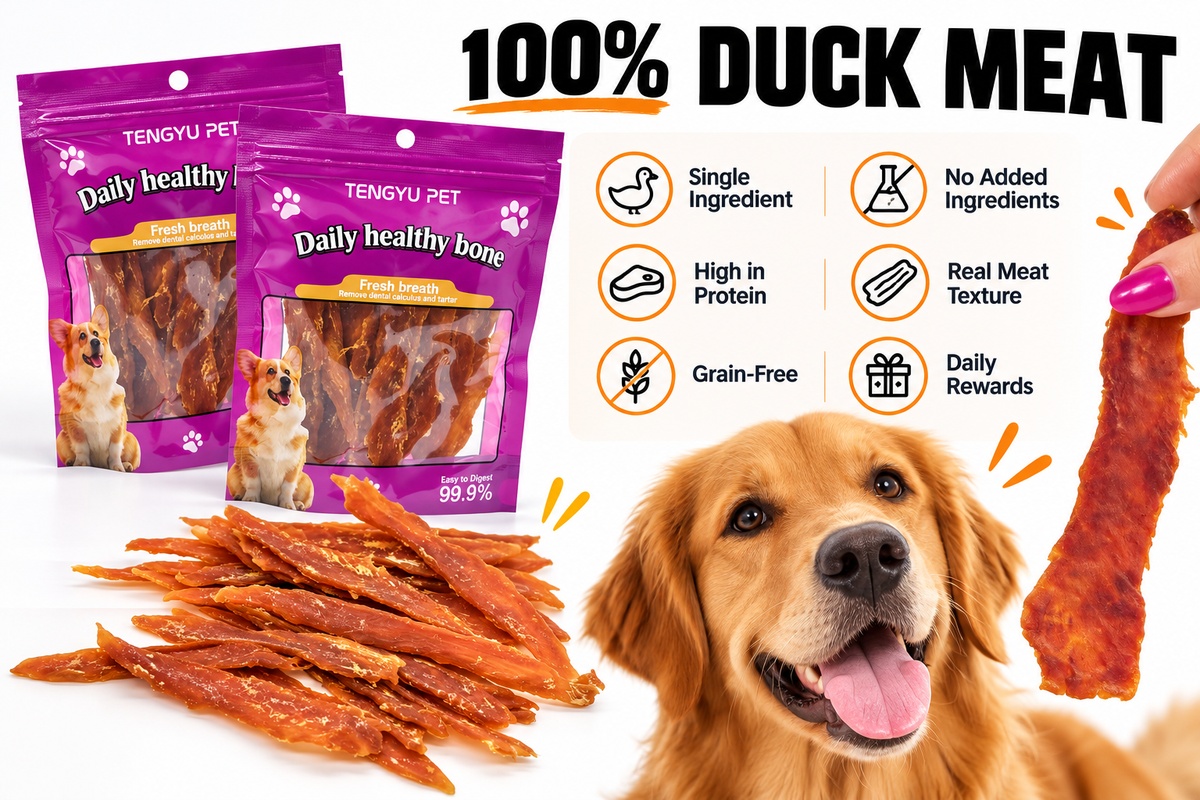
Tengyu makes dog treats in Lishui, Zhejiang, China. Our dog jerky range includes chicken breast and duck breast treats.
When comparing these options, consider the meat your dog already enjoys, the size of the pieces, and how you plan to offer them. Product photographs can help you compare their shape and appearance, while the product details explain the recipe and feeding directions.
Explore our chicken jerky for dogs and duck jerky for dogs to learn more. If you have questions about a product’s ingredients, texture, or feeding directions, contact the Tengyu team.
Frequently Asked Questions
What Should I Look for in Healthy Dog Jerky?
Look for clearly named meat, a full ingredient list, a suitable texture, and an identifiable manufacturer. Choose a recipe that fits your dog’s diet and keep portions within their daily treat allowance.
Is Chicken Jerky Better Than Duck Jerky for Dogs?
There is no single winner for every dog. Compare the complete recipes, texture, and portion size. Your dog’s preferences and how well they tolerate the ingredients are more useful than choosing by meat name alone.
Is Air-Dried Jerky Better Than Baked Jerky?
Not necessarily. Both can produce suitable treats. The recipe, finished texture, process controls, and storage conditions matter more than the method’s name alone.
Can Puppies Eat Jerky Treats?
Choose a product with age guidance suitable for your puppy and a texture they can comfortably manage. Offer small portions and supervise. If your puppy has trouble chewing or follows a special diet, ask your veterinarian which treats are appropriate.
How Long Does Dog Jerky Last After Opening?
Follow the manufacturer’s instructions. Storage time varies with the recipe, moisture level, packaging, and storage conditions. The unopened best-before date may not apply once the bag has been opened.
Conclusion
The best dog jerky treats have clear ingredients, a suitable size and texture, and reliable product information. Start with a meat your dog enjoys and tolerates, then compare the recipe, how easily you can portion it, and the storage directions.
Whether you choose chicken, duck, beef, or another meat, a good jerky treat should fit comfortably into your dog’s daily routine as a reward alongside their regular food.
-
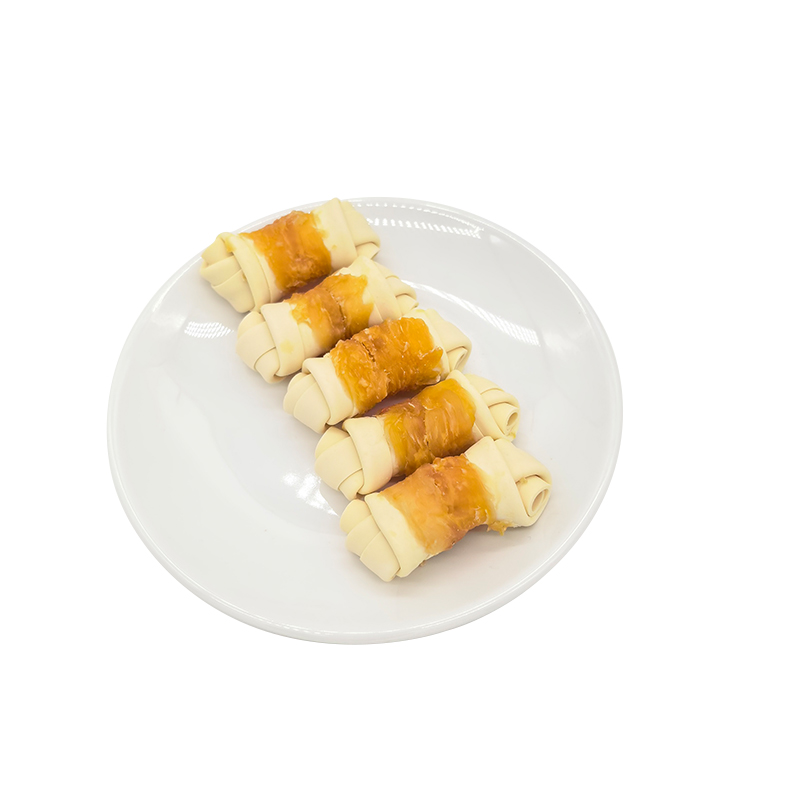
Meat Wrapped Dog Treats
Our KN001 2.5-3-inch chicken coated starch bone chewable tablets are designed specifically for dogs,...View More -
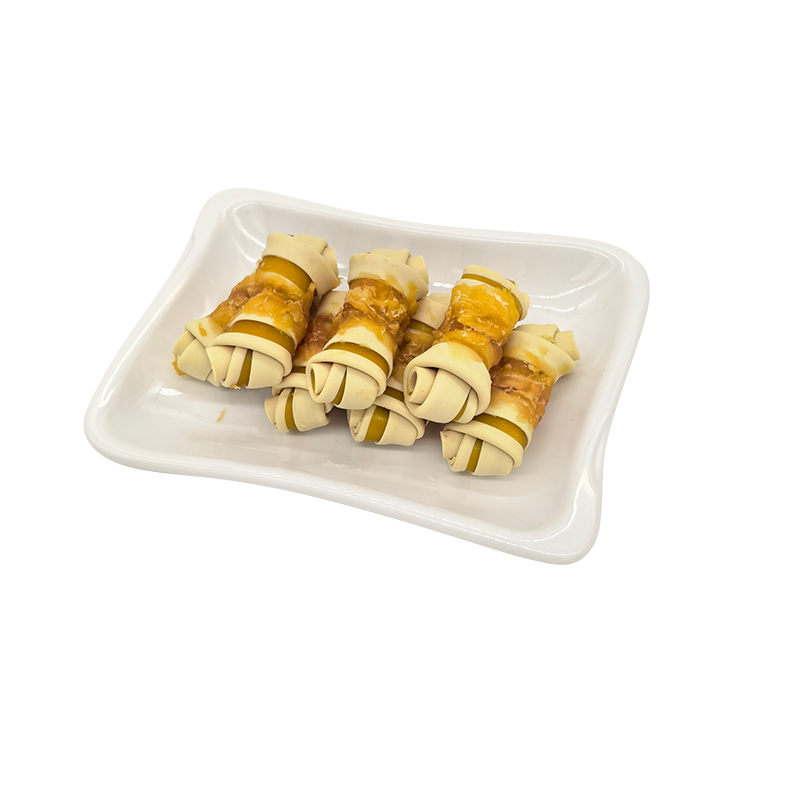
Meat Wrapped Dog Treats
The KN003 organic protein dog chew treats are crafted with a wholesome blend of corn starch, sweet p...View More -
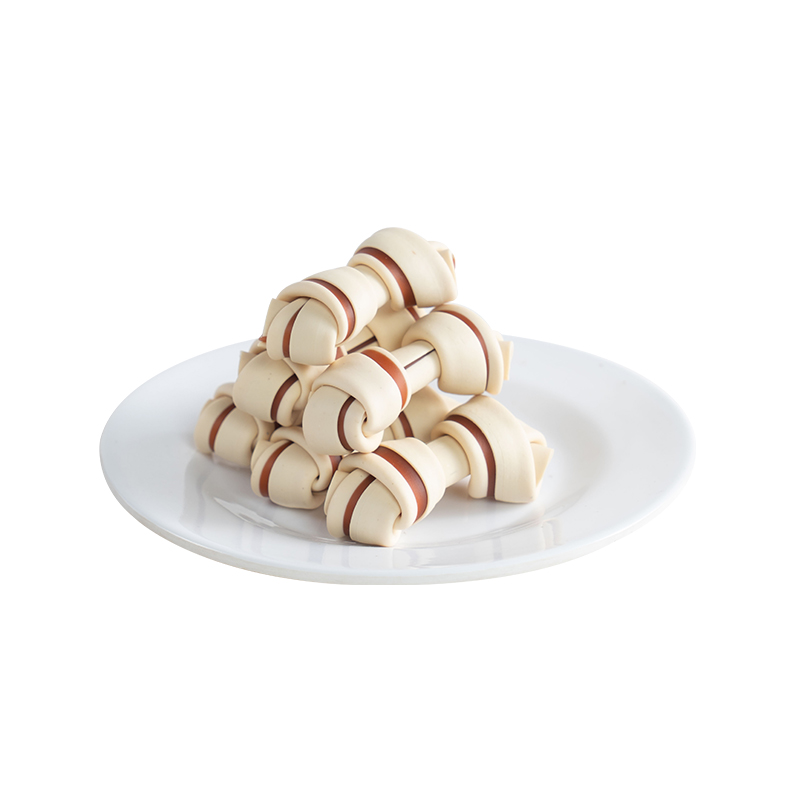
Knotted Bone Series
The KN004 Chewing Gum Grinding Teeth Cleaning Teeth Dog Snacks is a starch-based chew treat specific...View More -
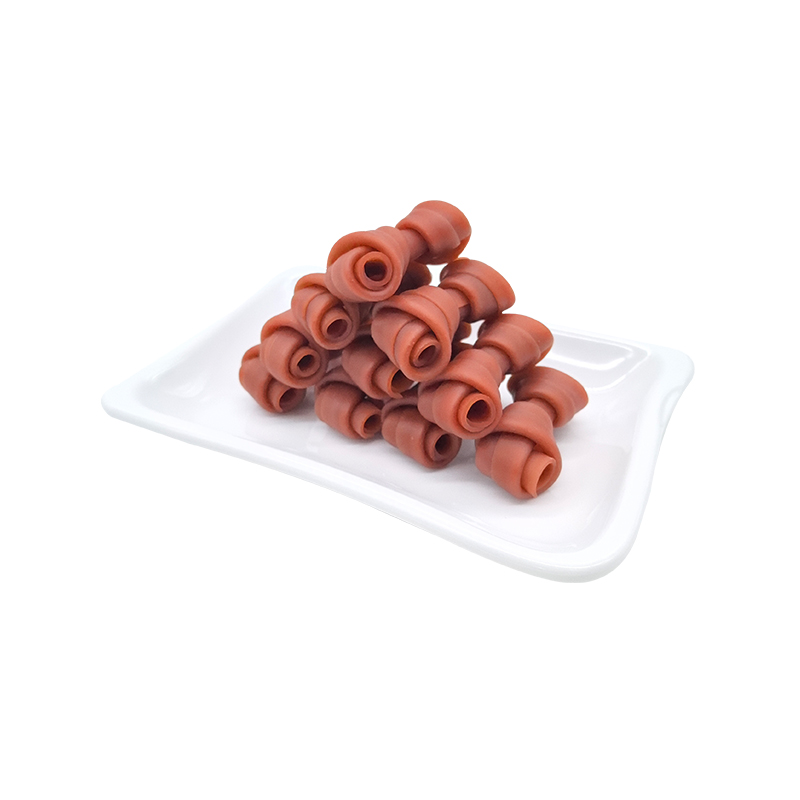
Knotted Bone Series
KN005 Dog single Color Bone Chew Snacks Safe and Healthy Pet Food is a healthy pet food made primari...View More -
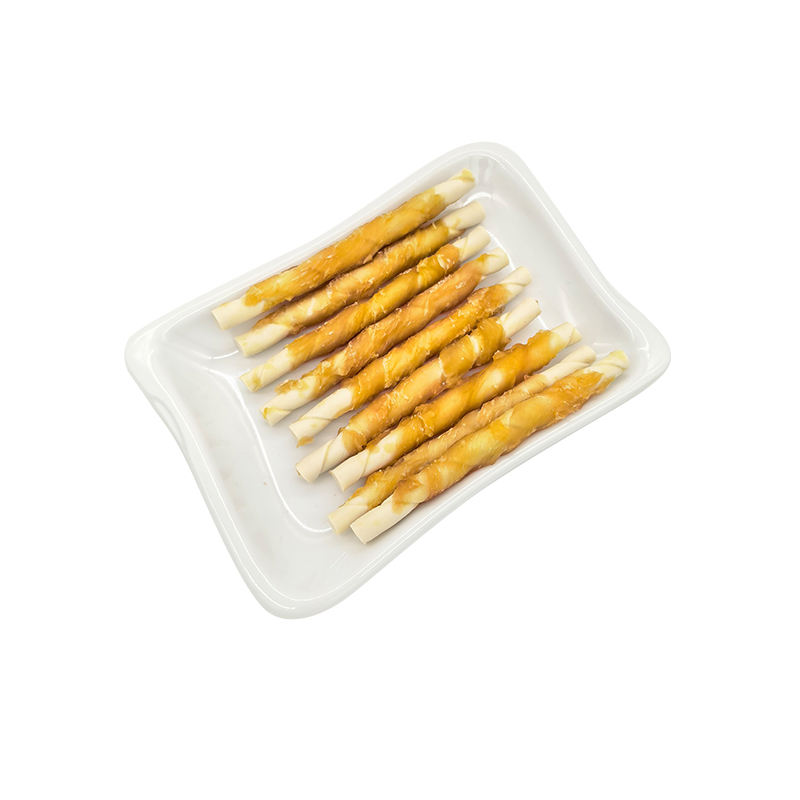
Meat Wrapped Dog Treats
ST001 Milk Flavored 12cm Nutritious Meat-Wrapped Pet Chicken Rolls Stick combine premium chicken wit...View More -
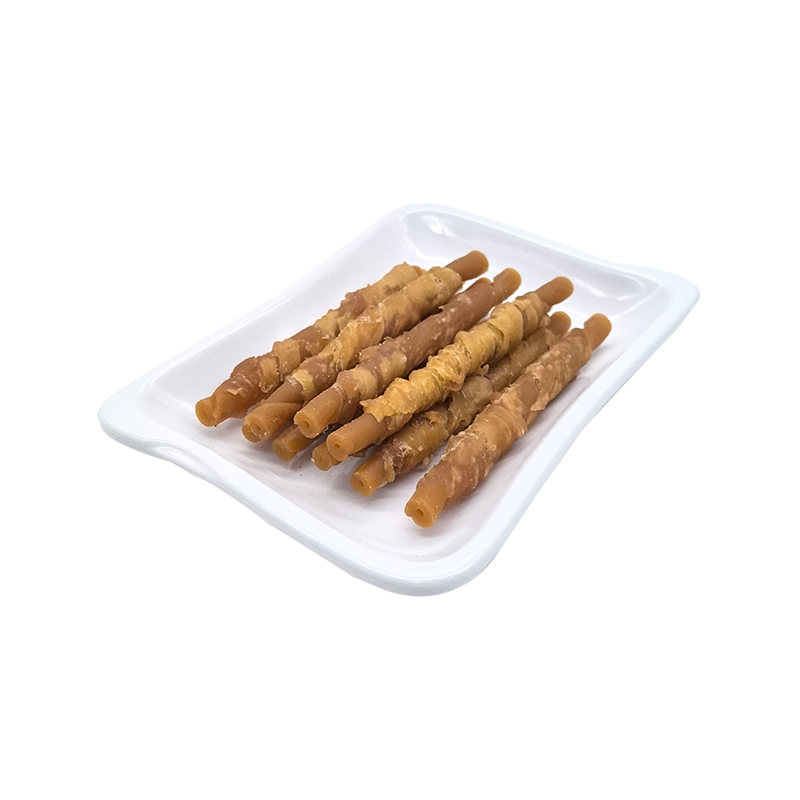
Meat Wrapped Dog Treats
ST002 Chicken Flavor Organic Dog Dental Chew Stick is a healthy and tasty snack designed for dogs’ d...View More
-
2026-11-20
What Makes Dental Sticks Good for Dogs? -
2026-11-20
How to Choose the Best Dog Jerky Treats -
2026-11-18
What Chew Treats Are Safe for Dogs?


TIME TO FEED YOUR PETS
-
Quick Links
-

The company integrates production and R&D functions, and its core business focuses on the R&D and production of pet snacks and pet chews.
-
Contact Us
Phone/WhatsApp:
+86 18067755187
E-mail:
[email protected]
Add: No. 358-1, Longqing Road, Nanmingshan Street, Liandu District, Lishui, Zhejiang, China
