Welcome to Lishui Tengyu Pet Food Co., Ltd.
[email protected]

 English
 Español
 Deutsch


Industry News

Industry News
What Chew Treats Are Safe for Dogs?
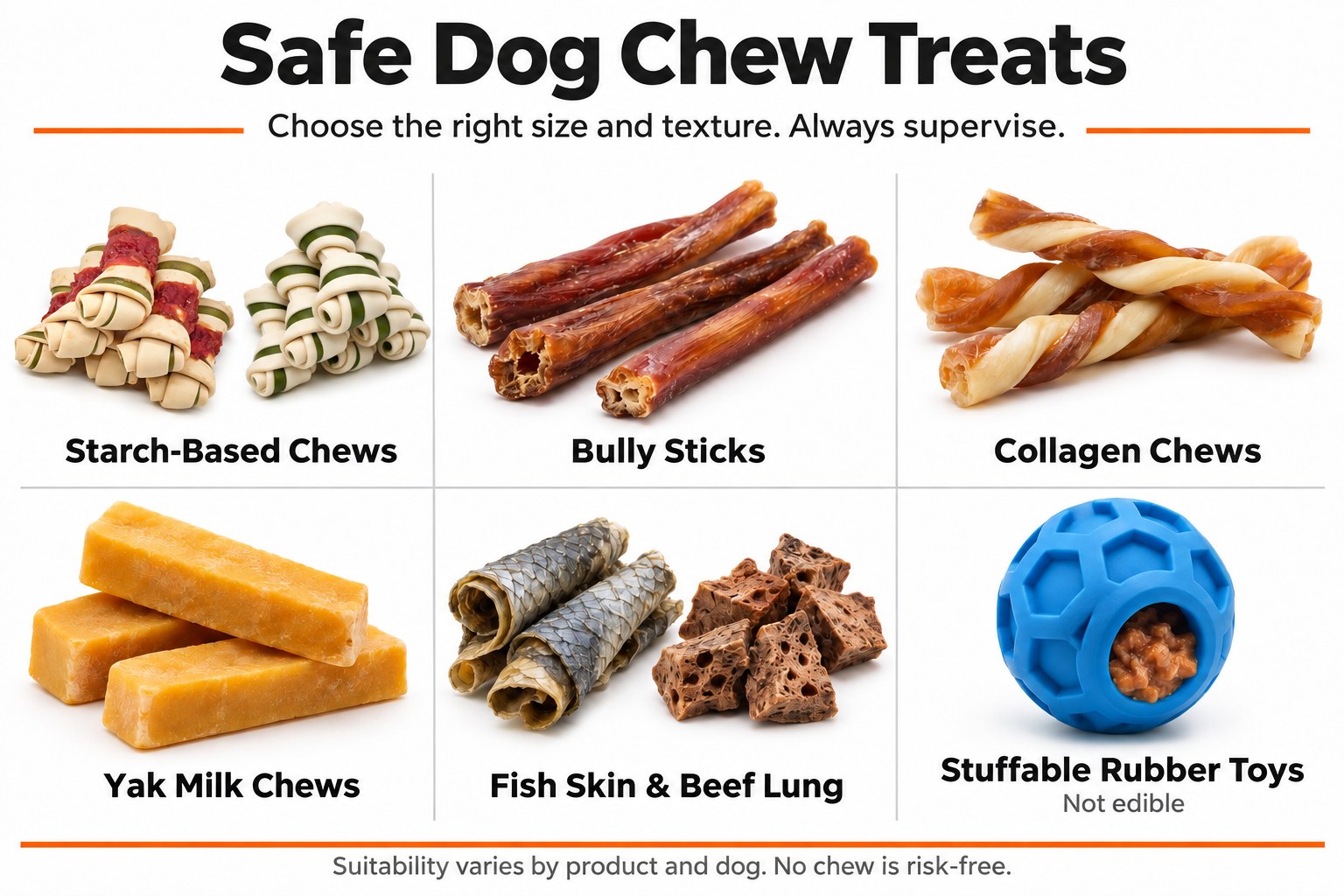
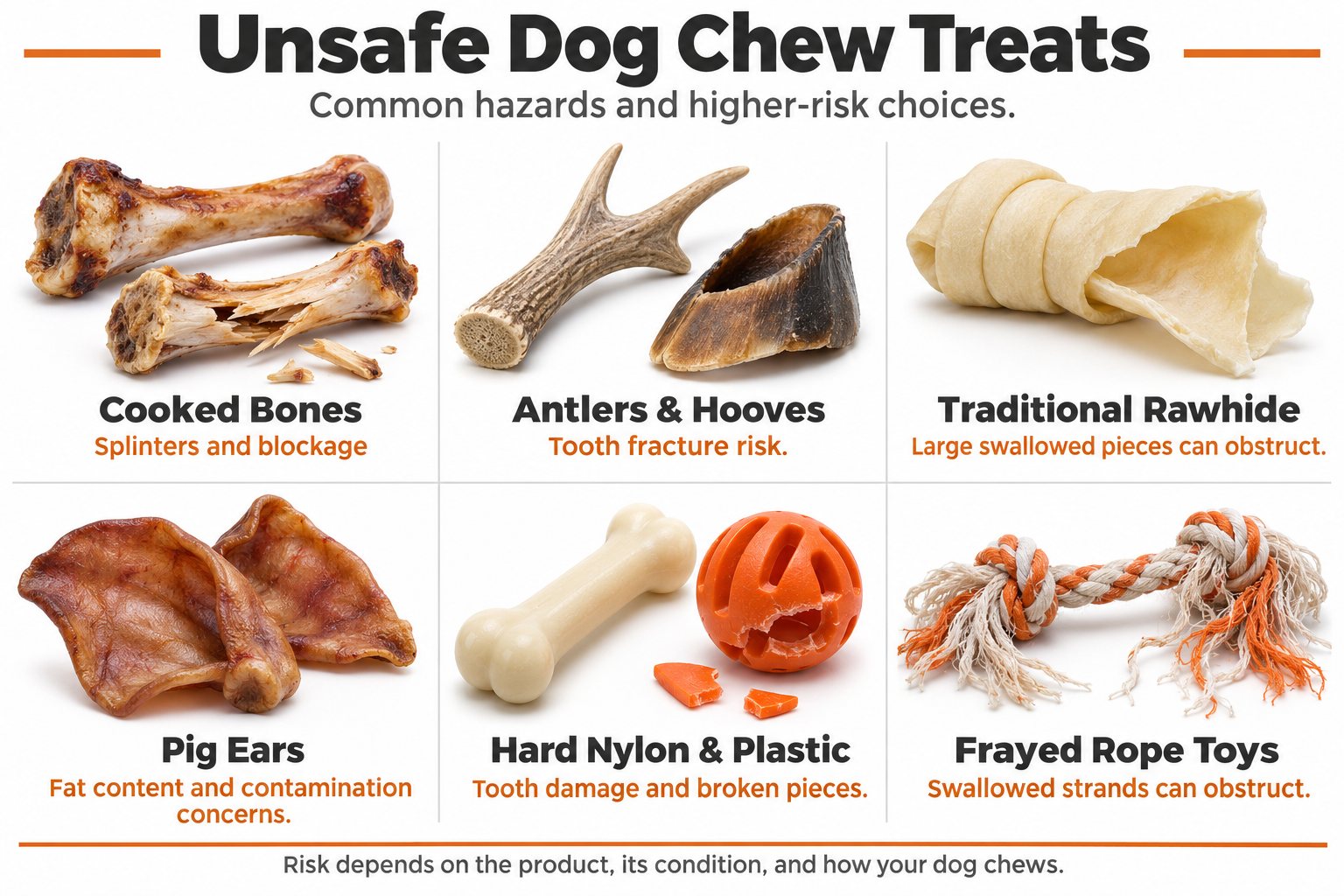
What chew treats are safe for dogs? Safer dog chew treats have four things in common: they give slightly when pressed, are digestible, are appropriately sized for your dog, and are offered under supervision. That includes rawhide free chews with or without a meat wrap, bully sticks, collagen rawhide dog chews, yak milk chews for gentle chewers, and softer options such as fish skin or beef lung for senior dogs. Chews that splinter, expand after swallowing, or are too hard to dent with a thumbnail can pose risks. Examples include cooked bones, antlers, hooves, traditional rawhide, and very hard nylon toys. Below, we explain the risks associated with different types of chews and what makes some options safer than others.
Safe vs Unsafe Chew Treats at a Glance
| Safe Chew Treats | Unsafe or High-Risk Chew Treats |
|---|---|
| Rawhide free chews, with or without meat wrap | Cooked bones |
| Bully sticks, with a holder | Antlers and hooves |
| Collagen rawhide dog chews | Traditional rawhide |
| Yak milk chews, for gentle chewers | Pig ears |
| Fish skin and beef lung | Hard nylon and cheap plastic |
| Stuffable rubber toys, not edible | Frayed rope toys |
Safe Dog Chew Treats, One by One
Rawhide free chews ,With or Without Meat Wrap
Rawhide free chews are made from a digestible starch base and come in two forms: plain, or wrapped with a thin layer of meat. The starch gives a consistent, moderate hardness that can be matched to different sizes and chewing styles, while the meat-wrapped version adds aroma and palatability without turning the chew into a high-fat treat. With the right size, many of these chews are suitable from 3 months of age. As with any chew, check the size guide and stay present while your dog uses it.
Bully Sticks
A bully stick is a single-ingredient, digestible beef chew. It is safe for most dogs when it is the right size and you use a holder so the last small piece cannot be swallowed. The trade-offs are smell, high protein, and a high calorie count — account for it within the 10% treat allowance.
Collagen Sticks
Collagen dog chew sticks are softer than rawhide, last longer than a bully stick, and have far less odour. They are a good fit for dogs with sensitive mouths and for owners who want a short ingredient list. As with any edible chew, remove the end piece once it becomes small enough to swallow.
Yak Milk Chews
Made from dried and smoked milk, yak chews are long-lasting and digestible. They are also harder than many owners expect, so they suit steady, gentle chewers rather than dogs that try to crush everything. Take the end piece away; where the brand allows it, the remainder can be puffed in the microwave according to the package instructions.
Fish Skin and Beef Lung
These are flexible, low-hardness chews that are easy on ageing teeth and useful for dogs with certain protein sensitivities. They do not last as long as a dense chew, which is exactly why they are a safer choice for puppies, seniors, and dogs with dental work.
Stuffable Rubber Toys
Strictly speaking a toy rather than a treat, but worth including in any answer about safe chewing. Natural rubber flexes under the teeth instead of fighting them. Stuff it with a little wet food and freeze it to keep a power chewer busy without adding many calories. Retire it as soon as it cracks or fits entirely in the mouth.
Unsafe Dog Chew Treats, and Why
Cooked Bones
Cooking makes bone brittle. Splinters can cut the mouth, esophagus, or intestine, and pieces can cause obstructions. This includes table scraps and smoked marrow bones sold as pet treats. The FDA has warned against bone treats for these reasons.
Antlers and Hooves
These are among the hardest natural chews available and do not flex. Veterinary dentists associate them with slab fractures of the upper fourth premolar. Split antlers expose a softer centre and are somewhat less risky, but they remain a poor choice for forceful chewers.
Traditional Rawhide
Rawhide is processed hide that can swell in the gut and, if swallowed in large pieces, form a mass that may require surgery. Digestibility and processing methods remain contested. If you do offer it, choose a reputable source, match the size to your dog, and never leave the dog unattended.
Pig Ears
Pig ears are frequently associated with Salmonella contamination, which can affect both pets and the people handling them. They are also high in fat — often 45–55% — making them unsuitable for dogs with pancreatitis or a tendency to gain weight.
Hard Nylon and Cheap Plastic Toys
Quality nylon is designed to wear down into small, passable shavings. Low-grade products can break into sharp, indigestible chunks. If your dog is eating pieces of a toy instead of chewing it, take the toy away permanently.
Frayed Rope Toys
Rope is safe only while it stays intact. Once strands begin to separate, they can lodge in the gastrointestinal tract. Discard the toy at the first sign of fraying.
Why Some Dog Chews Are Safe and Others Are Not
The dividing line is not durability. It is whether the material can absorb your dog's bite without hurting the teeth or creating a swallowable hazard.
- The thumbnail test: press your thumbnail into the surface. If you cannot leave a dent, the chew is probably too hard.
- The knee test: if you would not want the object struck hard against your knee, it should not take the full force of your dog's jaw.
- Size and supervision: choose a chew slightly longer than your dog's muzzle, stay present, and remove it once it becomes small or sharp. Veterinary dental guidance names correct sizing and supervision as the two habits that most reduce obstruction risk.
- Moderation: keep all treats within 10% of daily calories, and pause after 10–15 minutes of chewing.
Safe Options for Specific Dogs
| Dog Profile | Safe Options | Avoid |
|---|---|---|
| Teething puppy, under 6 months | Soft rubber, frozen washcloth, size-appropriate chews from 3 months | Antlers, hard nylon, adult dental chews |
| Senior dog or dental disease | Softened dental chews, fish skin, beef lung | All hard chews |
| Power chewer | Stuffable, freezable rubber toys | Anything sold as unbreakable |
| Beef allergy | Single-ingredient alternative-protein chews | Bully sticks, beef-based chews |
| Weight management | Rubber toys with low-calorie fillings | Pig ears, fatty bully sticks |
| History of pancreatitis | Vet-approved low-fat chews | High-fat chews |
FAQ
What Chew Treats Are Safest for Dogs?
Chews that flex or dissolve, match the dog's size, and are given under supervision — starch-based chews with or without a meat wrap, bully sticks with a holder, collagen sticks, and soft fish skin or beef lung are typical examples.
Are Antlers Safe for Dogs?
Generally no. They do not give under pressure and are a recognised cause of tooth fractures, especially in strong chewers.
Is Rawhide Safe for Dogs?
It carries more risk than most alternatives: low digestibility, swelling, contamination concerns, and blockage if large pieces are swallowed. Strict sizing and supervision are essential.
Are Bully Sticks Safe for Dogs?
Yes, for most dogs, when sized correctly and used with a holder. They are digestible but high in calories and protein.
Which Chew Treats Should I Avoid?
Cooked bones, antlers, hooves, traditional rawhide, pig ears for dogs with fat intolerance, hard nylon, and any toy that is fraying or breaking into pieces.
Are Dental Chews Safe to Give Every Day?
Some are designed for daily use, but follow the package size guide and watch your dog. Dental chews are an addition to brushing, not a replacement.
Looking for a Safe Chew Treat Supplier?
Tengyu is a manufacturer of dog chew treats and dental sticks. Our main products are rawhide-free chews, plus collagen chews made from rawhide through an upgraded process. Our products are suitable for all dogs from 3 months of age.
If you are a brand or distributor looking for a supplier, we welcome you to ask about samples and private-label production.
This article is for educational purposes and is not a substitute for veterinary advice. If your dog has dental disease, kidney disease, food allergies, or another health condition, consult your veterinarian before introducing a new chew.
Sources referenced: FDA consumer warnings on bone treats, AVMA pet dental care guidance, and Dr. Lori Teller's chew guidance from Texas A&M College of Veterinary Medicine & Biomedical Sciences.
-
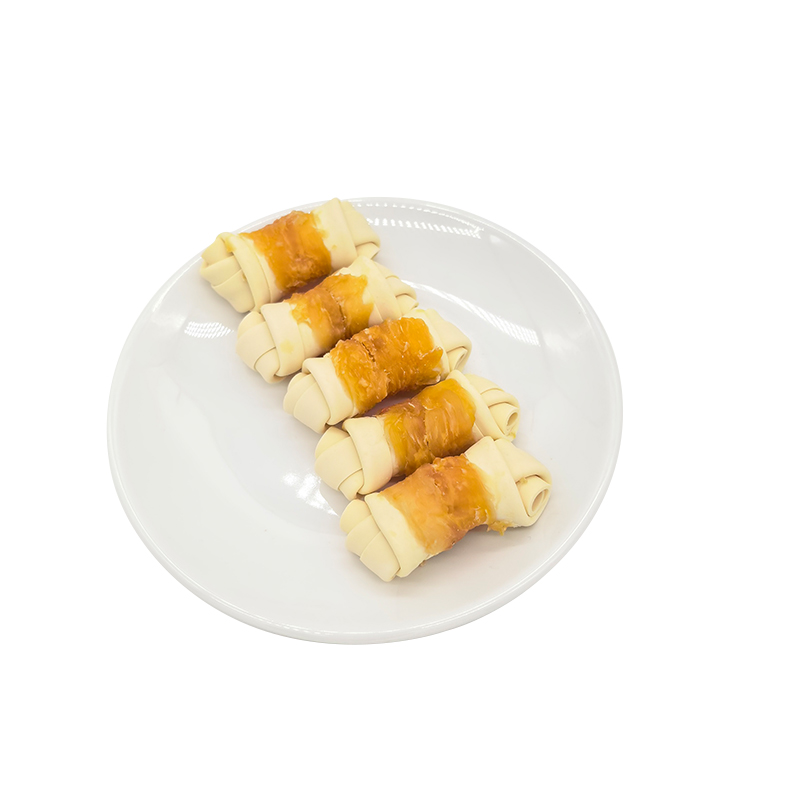
Meat Wrapped Dog Treats
Our KN001 2.5-3-inch chicken coated starch bone chewable tablets are designed specifically for dogs,...View More -
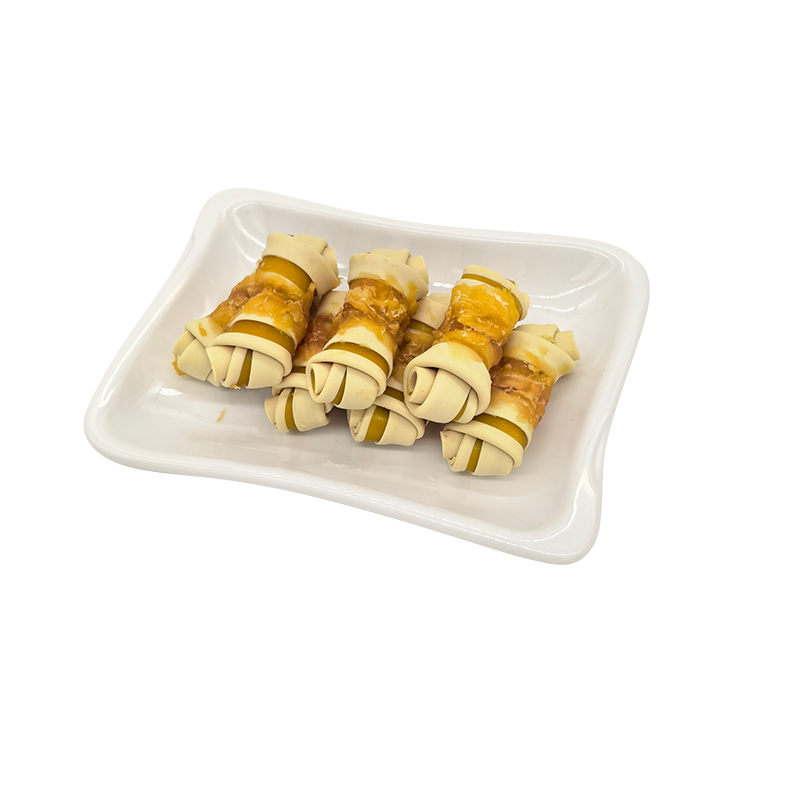
Meat Wrapped Dog Treats
The KN003 organic protein dog chew treats are crafted with a wholesome blend of corn starch, sweet p...View More -
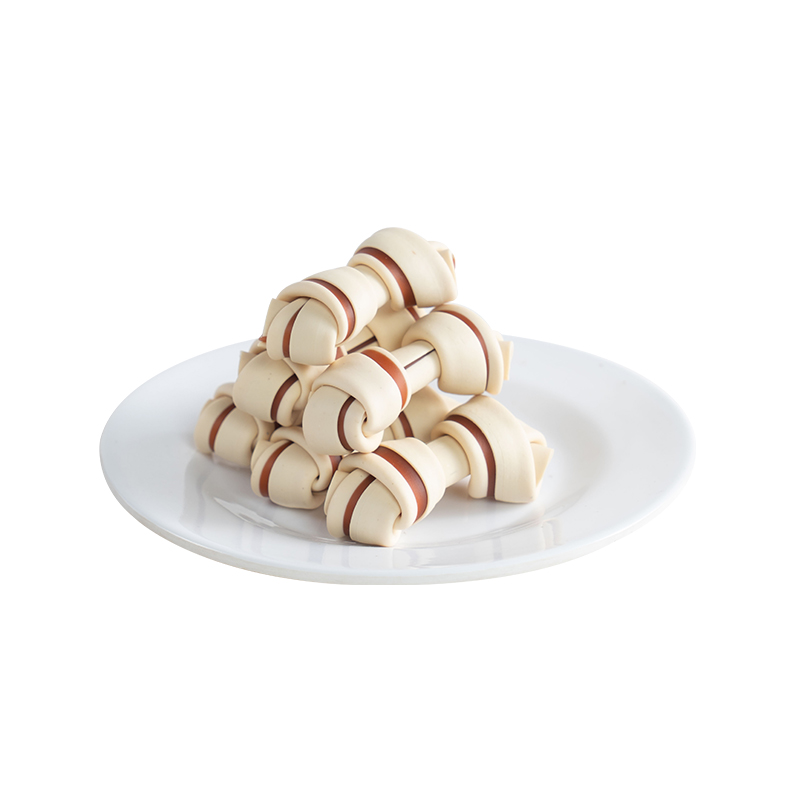
Knotted Bone Series
The KN004 Chewing Gum Grinding Teeth Cleaning Teeth Dog Snacks is a starch-based chew treat specific...View More -
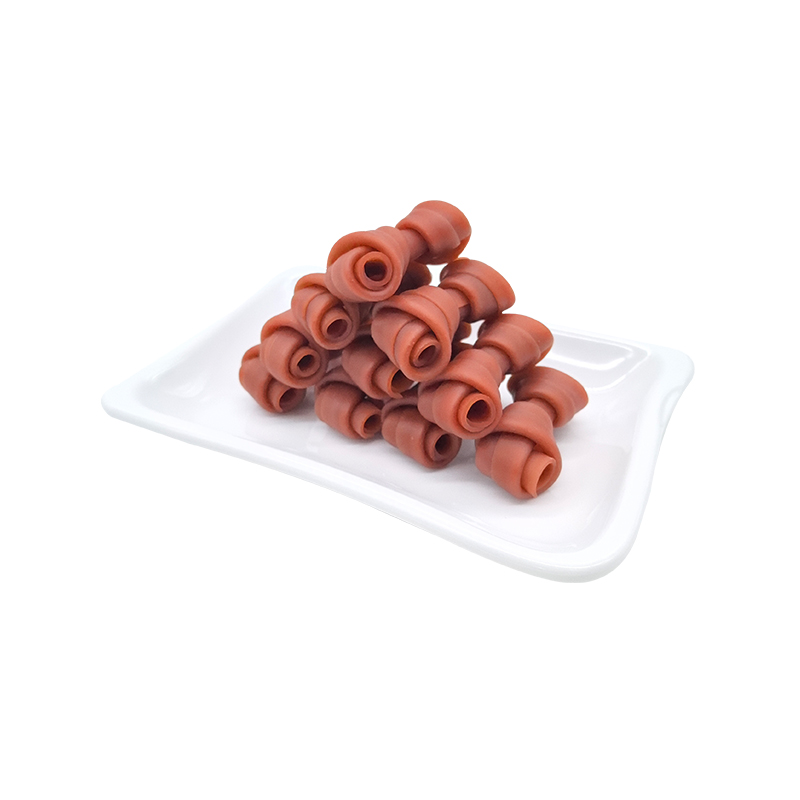
Knotted Bone Series
KN005 Dog single Color Bone Chew Snacks Safe and Healthy Pet Food is a healthy pet food made primari...View More -
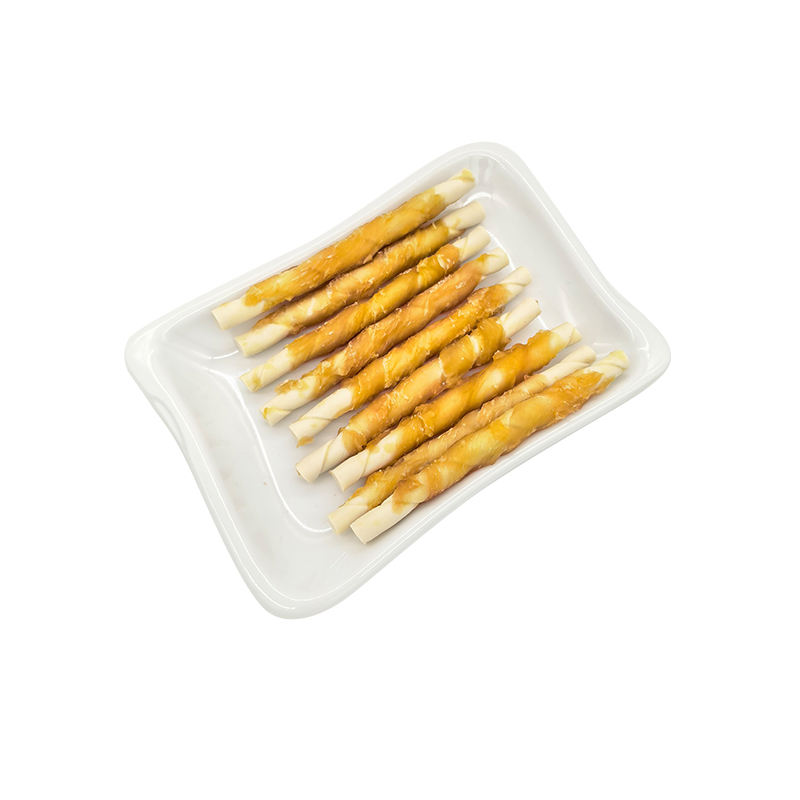
Meat Wrapped Dog Treats
ST001 Milk Flavored 12cm Nutritious Meat-Wrapped Pet Chicken Rolls Stick combine premium chicken wit...View More -
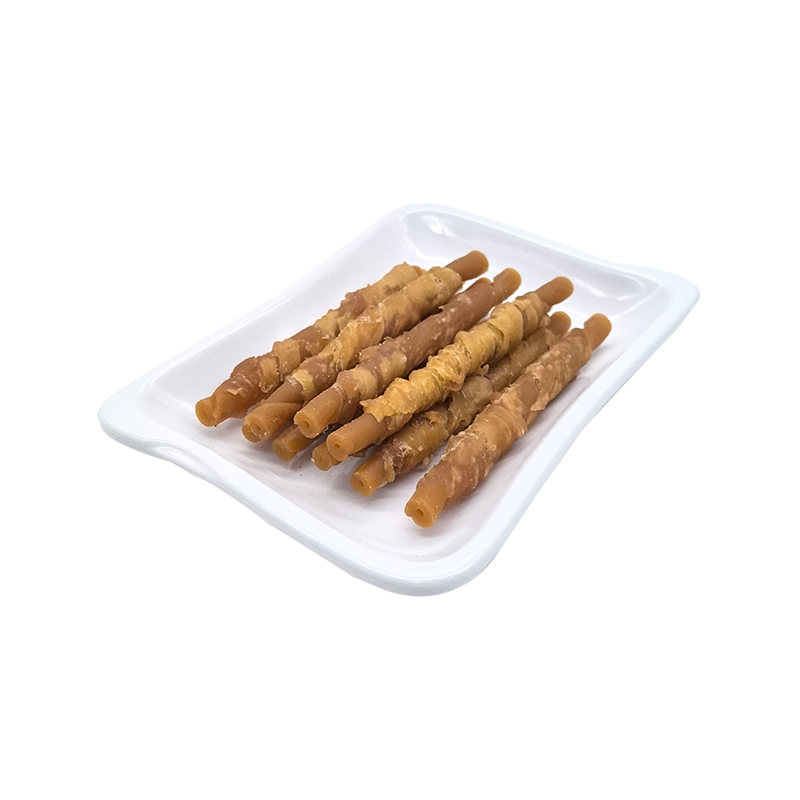
Meat Wrapped Dog Treats
ST002 Chicken Flavor Organic Dog Dental Chew Stick is a healthy and tasty snack designed for dogs’ d...View More
-
2026-11-18
What Chew Treats Are Safe for Dogs? -
2026-11-16
What Are Dog Chews Made Of?
TIME TO FEED YOUR PETS
-
Quick Links
-

The company integrates production and R&D functions, and its core business focuses on the R&D and production of pet snacks and pet chews.
-
Contact Us
Phone/WhatsApp:
+86 18067755187
E-mail:
[email protected]
Add: No. 358-1, Longqing Road, Nanmingshan Street, Liandu District, Lishui, Zhejiang, China
