Welcome to Lishui Tengyu Pet Food Co., Ltd.
[email protected]

 English
 Español
 Deutsch


Industry News

Industry News
Are Dental Sticks Good for Dogs? Understanding Their Everyday Benefits
Are dental sticks good for dogs? Yes—suitable dental sticks can help keep teeth cleaner, support fresher breath and satisfy a dog’s natural desire to chew. When used appropriately, they can add useful oral care support to an enjoyable everyday activity.
In this article, dental sticks for dogs means edible chews designed to support tooth cleaning. Their value comes not only from their formulation, but also from their texture, surface structure and the way a dog chews them.
How Dental Sticks Help Clean Dogs’ Teeth
Plaque is a bacterial biofilm that continually forms on the teeth. If it is not regularly disrupted, some of it can mineralize into harder deposits known as calculus, or tartar.
Dog dental sticks primarily support cleaning through mechanical abrasion. As a dog chews, the product repeatedly contacts and rubs against the teeth, helping limit plaque accumulation on the surfaces it reaches.
Shape, texture and surface design influence this process. Ridges, grooves and twisted structures can change how the chew contacts the teeth, while an appropriately pliable texture allows the teeth to sink into the product during chewing.
This makes dental sticks useful for ongoing maintenance. Their role is to help manage daily buildup, rather than serve as a way to remove heavy deposits of existing hardened tartar.
For a closer look at controlled research, read our article: Do Dental Chews Work for Dogs? Evidence from Two Studies .
Supporting Cleaner Teeth and Fresher Breath
Bacterial activity in plaque and the breakdown of food debris can contribute to unpleasant breath. Some oral bacteria produce volatile sulfur compounds, which are associated with oral malodor.
By helping reduce plaque and food debris, suitable dental sticks may also help maintain fresher breath. This connection between cleaning and breath management is one reason owners consider dog dental treats as part of an oral care routine.
Flavor mainly affects how appealing a product is to the dog. Chicken, beef, milk or mint flavors offer different taste experiences and can encourage a dog to engage with the chew. The oral care value comes primarily from the cleaning process, rather than the scent of the product alone.
Persistent bad breath, especially when accompanied by bleeding gums, drooling, difficulty chewing or a reduced appetite, should prompt a veterinary assessment.

Chewing Stimulates Saliva and Supports Natural Oral Cleaning
In addition to direct contact between the teeth and the chew, chewing stimulates saliva production.
Saliva moistens the mouth and helps wash away loose food particles, supporting the mouth’s natural cleaning processes. As a dog chews a dental stick, tooth contact and saliva flow can work together to provide complementary support.
Saliva cannot wash away all firmly attached plaque or remove hardened tartar. It plays a supporting role alongside other oral care practices, including regular toothbrushing.
Dental Sticks Satisfy Natural Chewing Needs
Chewing is a natural canine behavior. Beyond their potential cleaning benefits, dental sticks can give dogs an activity to engage with.
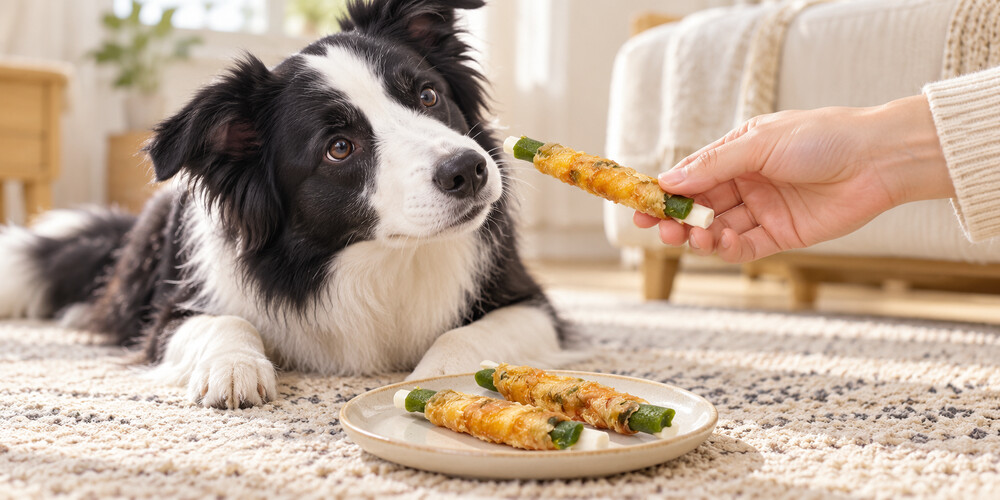
Compared with a small treat that is eaten quickly, a suitable chew gives a dog time to explore its texture, adjust its biting position and hold the product between its paws. This activity can provide mental stimulation and add variety to the dog’s day.
The chewing experience is part of the value of dental sticks for dogs. A dog receives both a rewarding snack and an opportunity to participate in a natural activity.
Chewing strength and speed vary between dogs, so the same product may offer different experiences. Durability should suit the individual dog; greater hardness or a longer chewing time does not automatically make a product better.
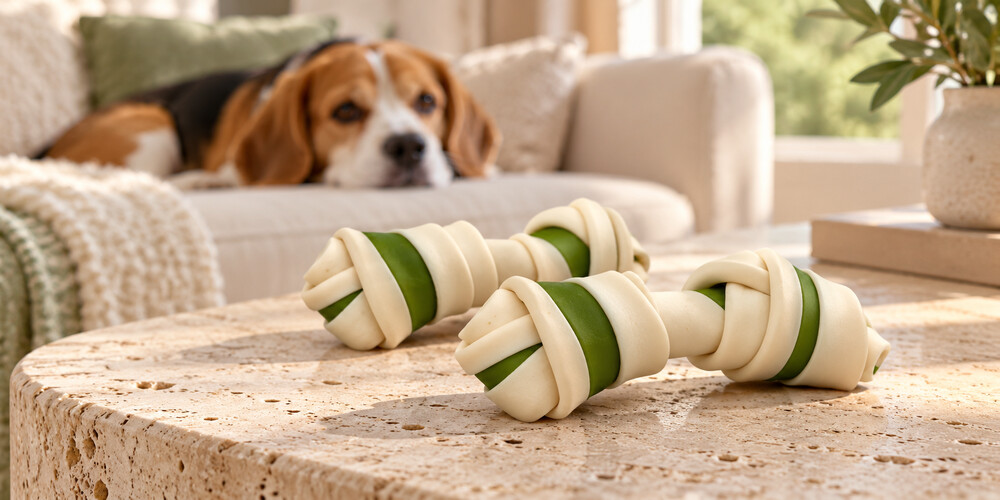
Tengyu offers straight sticks, twisted chews, star-shaped formats and knotted bones, with different flavor and meat-wrapped options across its product ranges. These choices allow brands and buyers to develop product selections with varied textures and chewing experiences.
Making Oral Care Easier to Include in Everyday Life
Oral care requires consistency, and dogs do not always cooperate with every part of the process. One practical advantage of dental sticks is that they combine supplementary care with an appealing chewing experience.
For owners, offering a suitable product according to its feeding instructions can fit easily into a daily routine. For dogs, an appealing flavor and appropriate texture can encourage participation.
A routine that is manageable is easier to maintain. Dental sticks can provide another way to support oral care while regular brushing continues.
Palatability therefore has a practical role: a dog needs to accept and chew the product for tooth contact to occur. Flavor, shape and texture should work together to create a positive experience, while cleaning performance remains a separate consideration.
Conclusion: Are Dental Sticks Good for Dogs?
Yes—suitable dental sticks can combine supplementary tooth cleaning, fresher breath and an enjoyable chewing experience. Through chewing contact, they can help limit plaque accumulation, while chewing also stimulates saliva and satisfies a natural behavioral need.
Choose a product appropriate for your dog, follow its feeding instructions, supervise chewing and include it in the daily treat allowance. Dental sticks do not replace regular brushing or professional veterinary dental care, and they cannot treat periodontal disease or remove all established tartar. For detailed advice on size, texture and dietary suitability, see our guide to choosing a dog treat .
For pet brands, importers and distributors, dental stick development should consider both product design and the chewing experience. Tengyu offers different shapes, flavors and specifications, together with OEM/ODM and private label packaging services, to help buyers develop product ranges for their target markets.
NEXT:How to Choose a Dog Treat: A Guide to Healthy Dog Treats for Every Need
-
Meat Wrapped Dog Treats
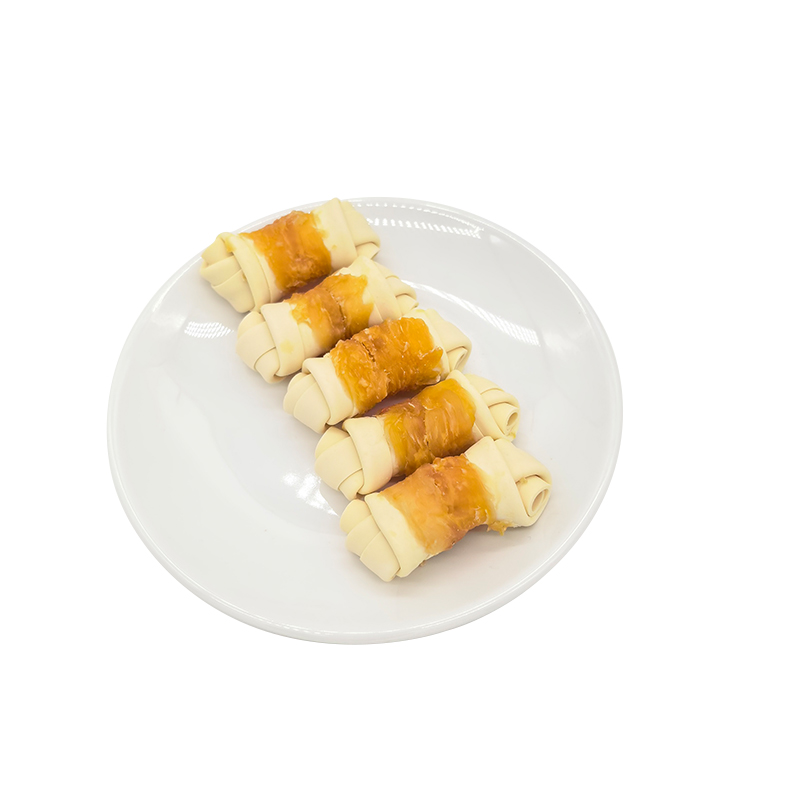
Our KN001 2.5-3-inch chicken coated starch bone chewable tablets are designed specifically for dogs,...View More -
Meat Wrapped Dog Treats
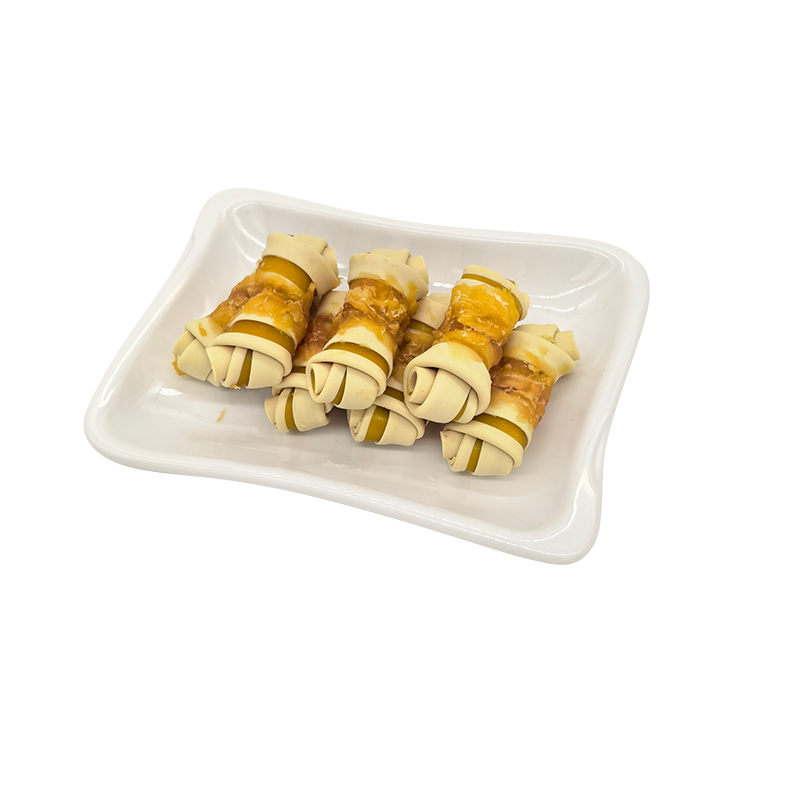
The KN003 organic protein dog chew treats are crafted with a wholesome blend of corn starch, sweet p...View More -
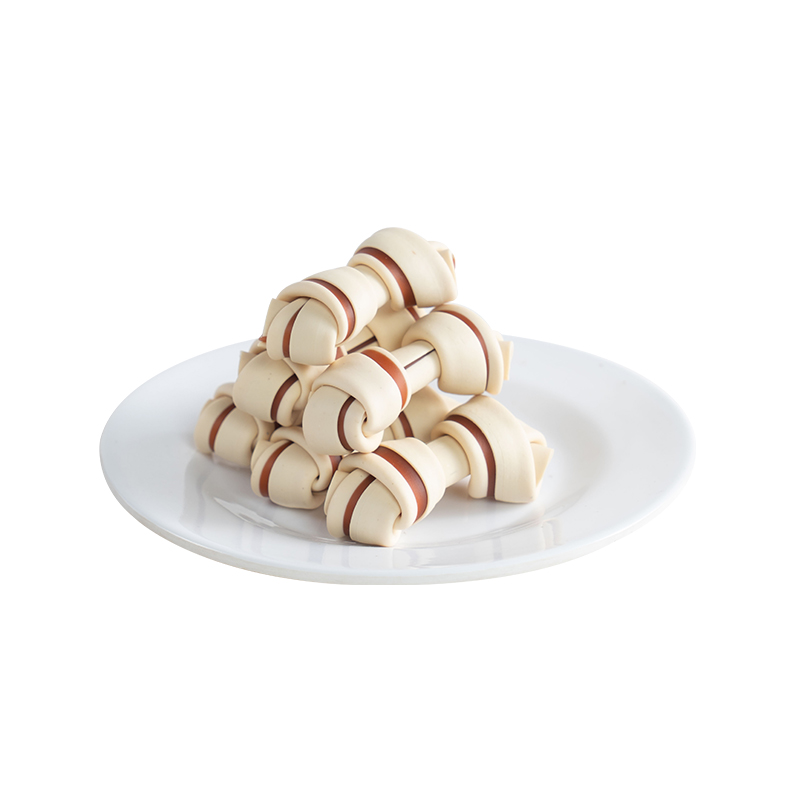
Knotted Bone Series
The KN004 Chewing Gum Grinding Teeth Cleaning Teeth Dog Snacks is a starch-based chew treat specific...View More -
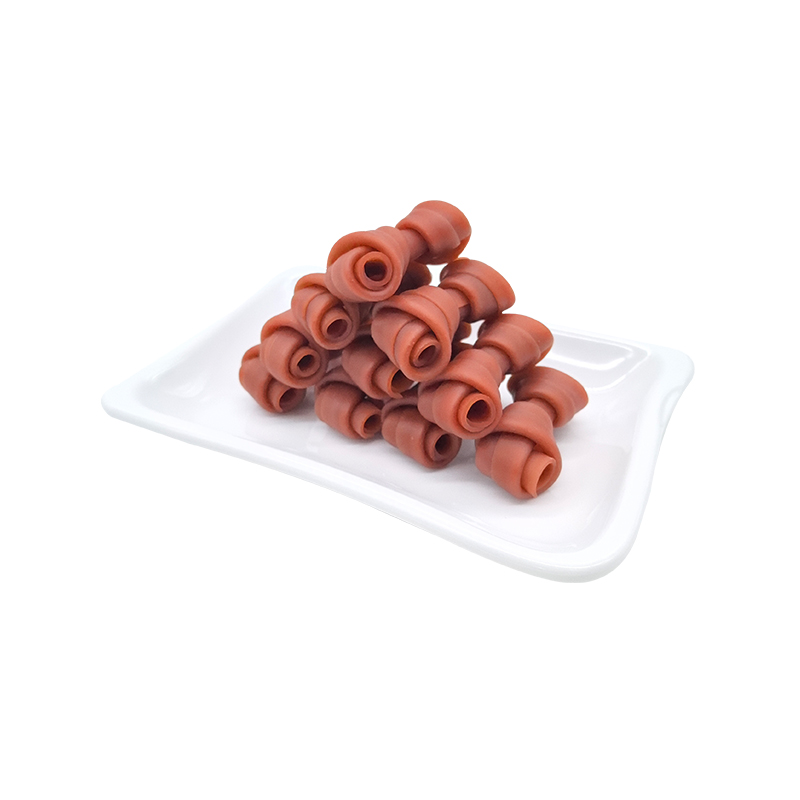
Knotted Bone Series
KN005 Dog single Color Bone Chew Snacks Safe and Healthy Pet Food is a healthy pet food made primari...View More -
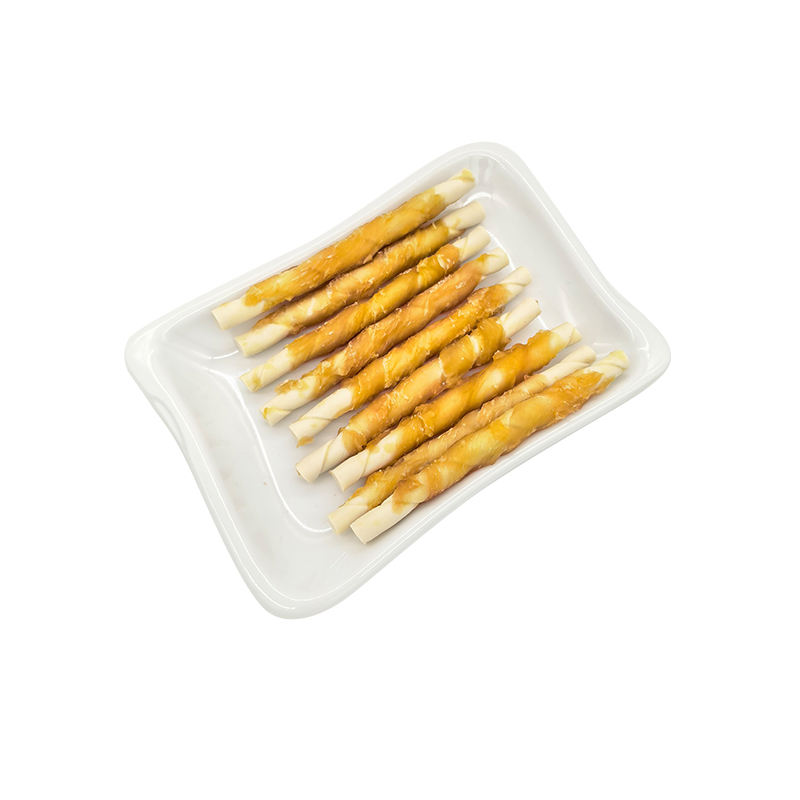
Meat Wrapped Dog Treats
ST001 Milk Flavored 12cm Nutritious Meat-Wrapped Pet Chicken Rolls Stick combine premium chicken wit...View More -
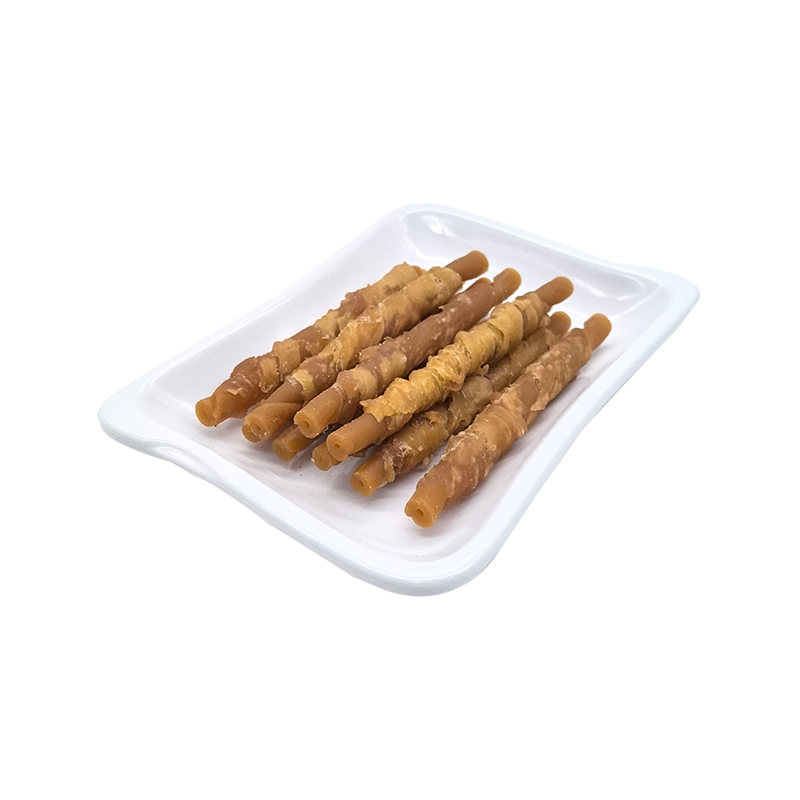
Meat Wrapped Dog Treats
ST002 Chicken Flavor Organic Dog Dental Chew Stick is a healthy and tasty snack designed for dogs’ d...View More


TIME TO FEED YOUR PETS
-
Quick Links
-

The company integrates production and R&D functions, and its core business focuses on the R&D and production of pet snacks and pet chews.
-
Contact Us
Phone/WhatsApp:
+86 18067755187
+86-18657866096 E-mail:
[email protected]
[email protected] Add: No. 358-1, Longqing Road, Nanmingshan Street, Liandu District, Lishui, Zhejiang, China
