Welcome to Lishui Tengyu Pet Food Co., Ltd.
[email protected]

 English
 Español
 Deutsch


Industry News

Industry News
Knotted Bone for Teething Puppies: Gentle Relief Tips
Knotted Bone is often introduced into a puppy’s early chewing routine as part of behavioral development and teething support. During the teething stage, puppies experience discomfort in their gums and an increased need to chew on different textures. This behavior is completely natural and plays an important role in oral development, jaw strength formation, and long-term chewing habits.
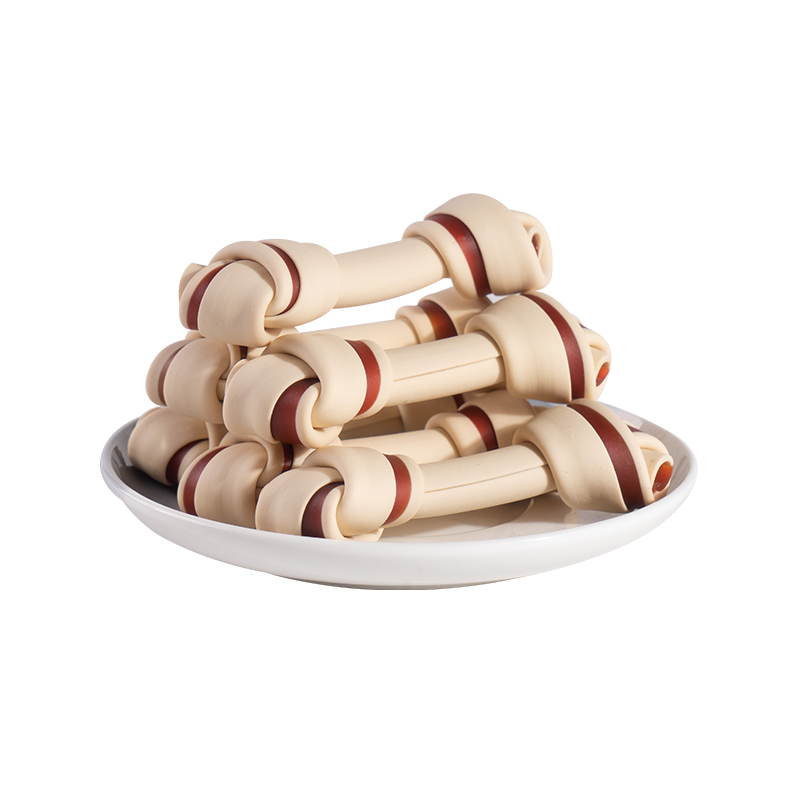
Providing suitable chew items during this period helps guide chewing behavior in a structured way, reducing the likelihood of destructive chewing while supporting comfort and engagement.
Understanding the Teething Process in Puppies
Teething in puppies is a gradual developmental phase where baby teeth are replaced by permanent adult teeth. During this transition, gums may become sensitive, and puppies often feel the need to bite or chew more frequently.
This increased chewing is not random behavior but a functional response to discomfort and growth pressure in the mouth. Puppies use chewing to relieve irritation and explore oral sensations.
Because of this, selecting appropriate chew products becomes an important part of early care routines.
How Knotted Bone Supports Gentle Chewing
Knotted Bone provides a structured chewing surface that allows puppies to interact with texture in a controlled way. The knotted structure offers multiple grip points, which help puppies learn how to bite and hold chew items more effectively.
Soft or semi-soft versions are often preferred during early teething because they reduce excessive resistance while still providing enough structure to satisfy chewing instincts.
The balance between firmness and flexibility is important. If the chew item is too hard, puppies may lose interest or experience discomfort. If it is too soft, it may not provide enough stimulation for healthy chewing development.
Texture Considerations for Young Dogs
Puppies are still developing jaw strength and coordination, so texture plays a critical role in suitability. Knotted Bone products designed for early-stage chewing usually have a gentler structure that allows controlled biting pressure.
This helps puppies build confidence in chewing behavior without overwhelming their developing teeth.
At the same time, the texture should not be so soft that it breaks down instantly, as this can reduce engagement time and limit behavioral guidance value.
Size and Handling Ability
Size selection is especially important during the puppy stage. A properly sized Knotted Bone allows puppies to hold and manipulate the chew comfortably without struggling or losing control.
Smaller sizes are generally more suitable because they match the physical scale of a puppy’s mouth and paws. This improves interaction quality and reduces the risk of accidental swallowing.
A well-matched size also encourages longer engagement, which is beneficial for behavioral conditioning.
Gradual Introduction Strategy
Introducing Knotted Bone should be done gradually. Puppies may initially show curiosity or hesitation when encountering new chew textures. Short supervised sessions allow them to adapt without pressure.
As familiarity increases, chewing duration can be extended naturally. This gradual approach helps build a stable chewing habit and reduces confusion caused by sudden exposure to new textures.
It also allows owners to observe how the puppy interacts with the product and whether adjustments are needed.
Combining With Other Chew Options
During the teething phase, it is often helpful to provide a variety of chew textures. Knotted Bone can be combined with softer rubber chew toys or chilled chew items to create a more balanced chewing experience.
Different textures stimulate different chewing responses and help reduce overuse of a single chew item.
This variety supports both comfort and behavioral development by offering multiple sensory options.
Monitoring Chewing Behavior
Supervision is an essential part of safe puppy chewing routines. Observing how a puppy interacts with Knotted Bone helps identify chewing strength, engagement level, and any potential issues such as rapid breakdown or excessive biting force.
Early monitoring also helps determine whether the chew product remains suitable as the puppy grows and develops stronger jaw control.
NEXT:Knotted Bone Safety Guide: How to Choose the Best for Your Dog
-
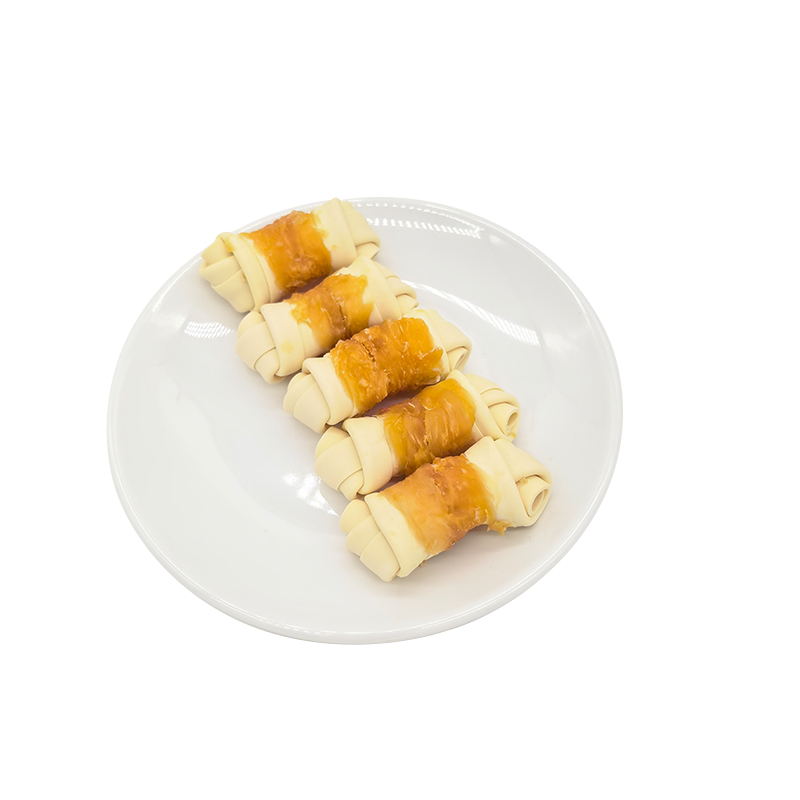
Meat Wrapped Dog Treats
Our KN001 2.5-3-inch chicken coated starch bone chewable tablets are designed specifically for dogs,...View More -
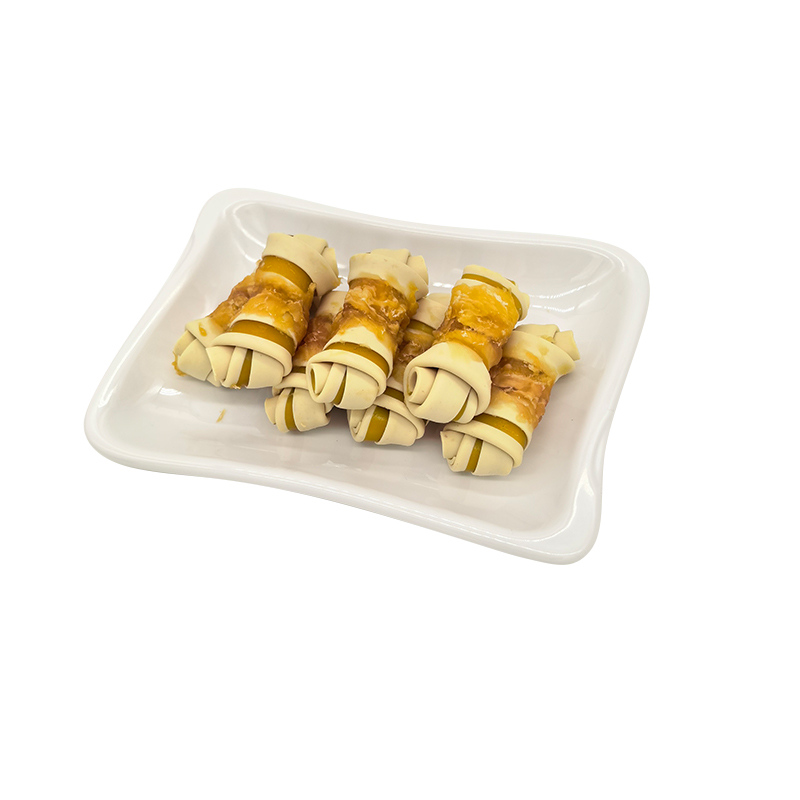
Meat Wrapped Dog Treats
The KN003 organic protein dog chew treats are crafted with a wholesome blend of corn starch, sweet p...View More -
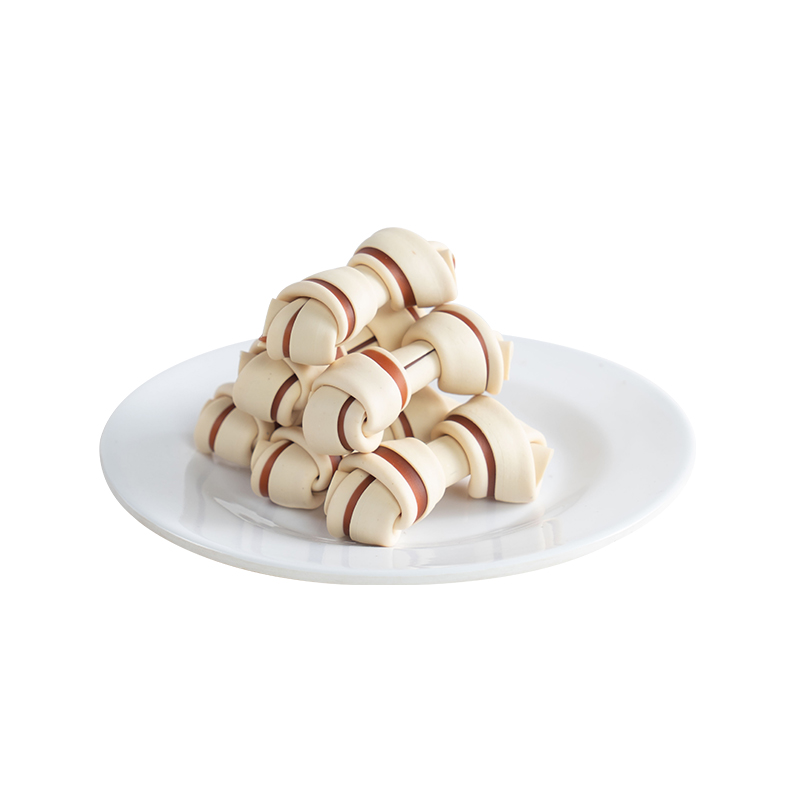
Knotted Bone Series
The KN004 Chewing Gum Grinding Teeth Cleaning Teeth Dog Snacks is a starch-based chew treat specific...View More -
Knotted Bone Series
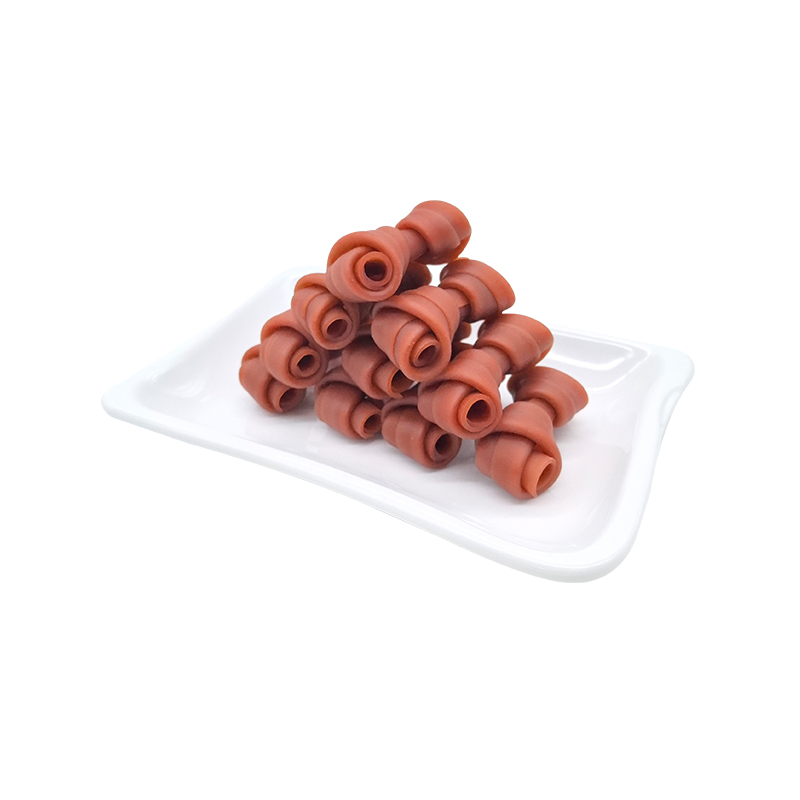
KN005 Dog single Color Bone Chew Snacks Safe and Healthy Pet Food is a healthy pet food made primari...View More -
Meat Wrapped Dog Treats
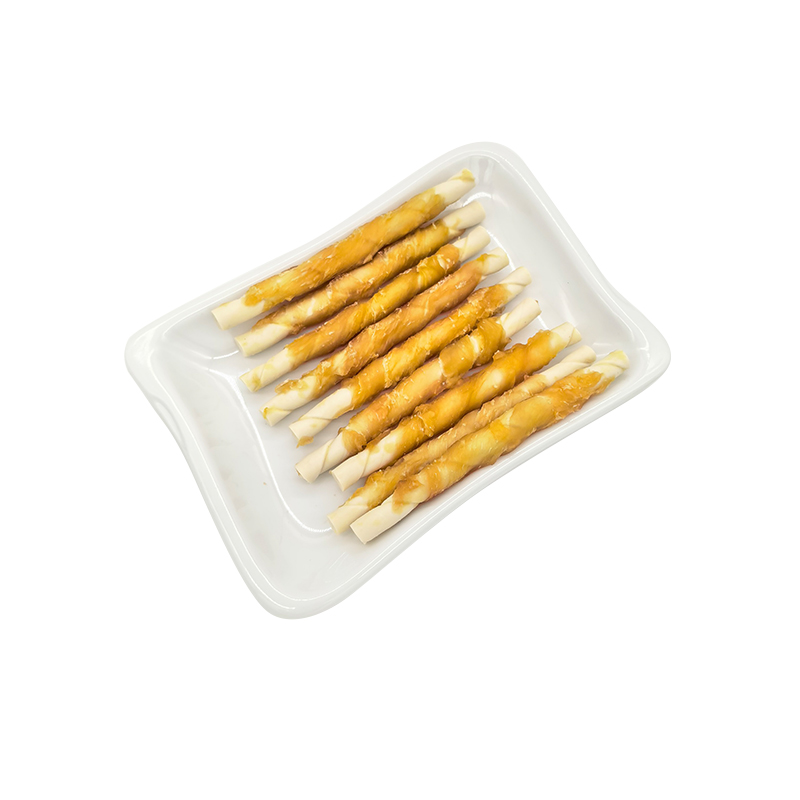
ST001 Milk Flavored 12cm Nutritious Meat-Wrapped Pet Chicken Rolls Stick combine premium chicken wit...View More -
Meat Wrapped Dog Treats
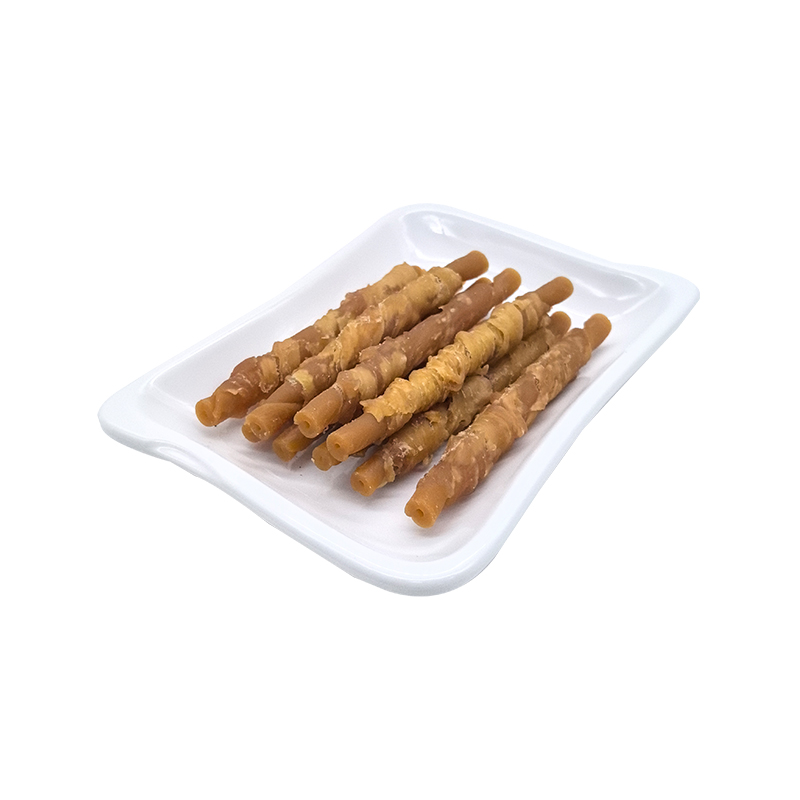
ST002 Chicken Flavor Organic Dog Dental Chew Stick is a healthy and tasty snack designed for dogs’ d...View More


TIME TO FEED YOUR PETS
-
Quick Links
-

The company integrates production and R&D functions, and its core business focuses on the R&D and production of pet snacks and pet chews.
-
Contact Us
Phone/WhatsApp:
+86 18067755187
+86-18657866096 E-mail:
[email protected]
[email protected] Add: No. 358-1, Longqing Road, Nanmingshan Street, Liandu District, Lishui, Zhejiang, China
