Welcome to Lishui Tengyu Pet Food Co., Ltd.
[email protected]

 English
 Español
 Deutsch


Industry News

Industry News
Knotted Bone Safety Guide: How to Choose the Best for Your Dog
Knotted Bone is widely used in dog chewing routines as a functional chew product that supports natural chewing behavior and daily enrichment. While it is commonly used across different dog breeds and ages, selecting the right type requires careful attention to safety-related factors such as material structure, size suitability, and chewing supervision.
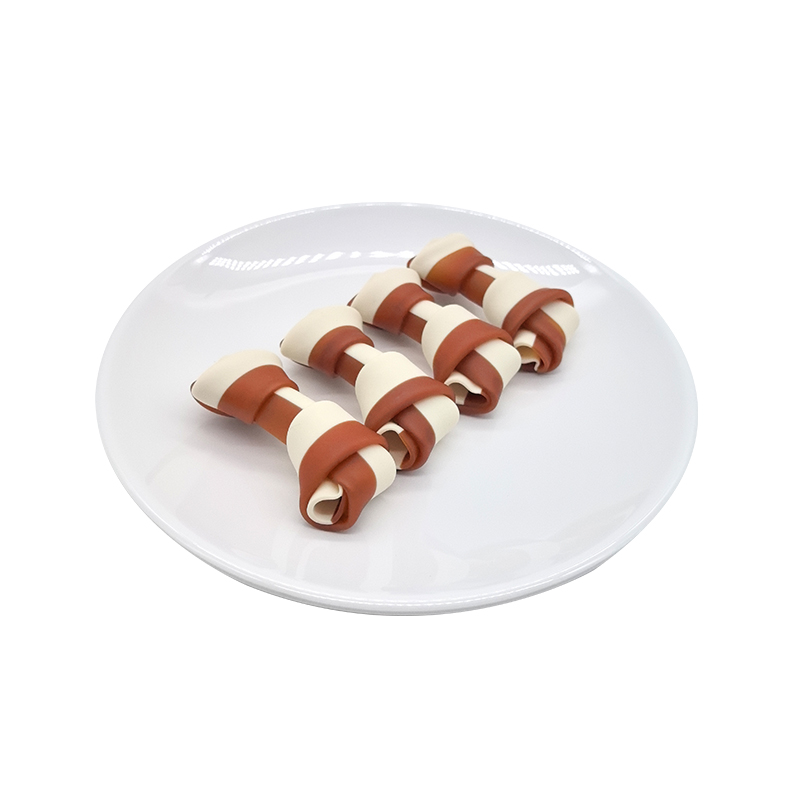
Because dogs interact with chew products in different ways, understanding safety considerations helps reduce unnecessary risks and improve long-term chewing experience quality.
Understanding Chewing Behavior and Safety Risks
Chewing is a natural behavior for dogs, but the way they interact with chew products can vary significantly. Some dogs chew slowly and steadily, while others apply strong and repetitive pressure. These differences influence how Knotted Bone changes during use.
As chewing continues, the structure may gradually soften, break into smaller pieces, or change shape. If the chew becomes too small, it may increase swallowing concerns. If the material is overly hard, it may create discomfort or discourage chewing altogether.
Safety depends not only on the product itself but also on how the dog interacts with it.
Material Composition and Structural Differences
Knotted Bone products can be made using several types of materials, including compressed natural fibers, collagen-based structures, and rawhide-style layers. Each material behaves differently during chewing.
Some materials break down in layered form, while others soften more evenly. Certain types maintain structural integrity for longer periods, especially in dense or tightly compressed designs.
Understanding these differences helps match product type with chewing strength and behavioral patterns.
Size Selection and Its Impact on Safety
Size is one of the most important factors in safe chew selection. A properly sized Knotted Bone allows the dog to chew comfortably without risk of accidental swallowing or loss of control.
Smaller dogs typically require compact chew structures that are easy to grip and manage. Larger dogs often need more substantial shapes that match jaw strength and reduce rapid consumption.
Incorrect sizing may lead to two common issues: overly fast breakdown or difficulty in handling. Both situations can reduce safe interaction quality.
Supervised Chewing Practices
Supervision plays an important role in safe chewing routines. Observing a dog while using Knotted Bone allows owners to understand chewing speed, grip behavior, and product durability in real time.
Supervision is especially important during the initial introduction. This helps identify whether the dog is comfortable with the texture and whether adjustments are needed.
Dogs that chew aggressively or rapidly may require closer monitoring to ensure controlled usage.
Controlled Chewing Duration
Managing chewing time helps maintain both product structure and safety consistency. Shorter chewing sessions reduce the chance of excessive wear and allow better monitoring of product condition.
Controlled sessions also help prevent overstimulation, especially in dogs that become highly focused on chew items.
By limiting duration, chewing becomes a structured activity rather than an uncontrolled behavior.
Indicators of Unsuitable Chew Products
Certain signs may indicate that a Knotted Bone is not suitable for a specific dog. Rapid fragmentation is one key indicator. If the product breaks too quickly into small pieces, it may not provide stable chewing support.
Another indicator is uneven texture breakdown, where one part wears significantly faster than others. Strong artificial odor or brittle surface structure may also suggest lower suitability.
These indicators help guide future selection decisions.
Environmental Factors in Chewing Safety
The environment where chewing takes place also influences safety. Indoor environments allow closer supervision and easier intervention if needed. Outdoor environments may introduce distractions that reduce monitoring accuracy.
Choosing a stable environment for chewing sessions improves observation and reduces unexpected behavior changes.
NEXT:Top 5 Knotted Bone Picks for Durable Chewing & Dental Health
-
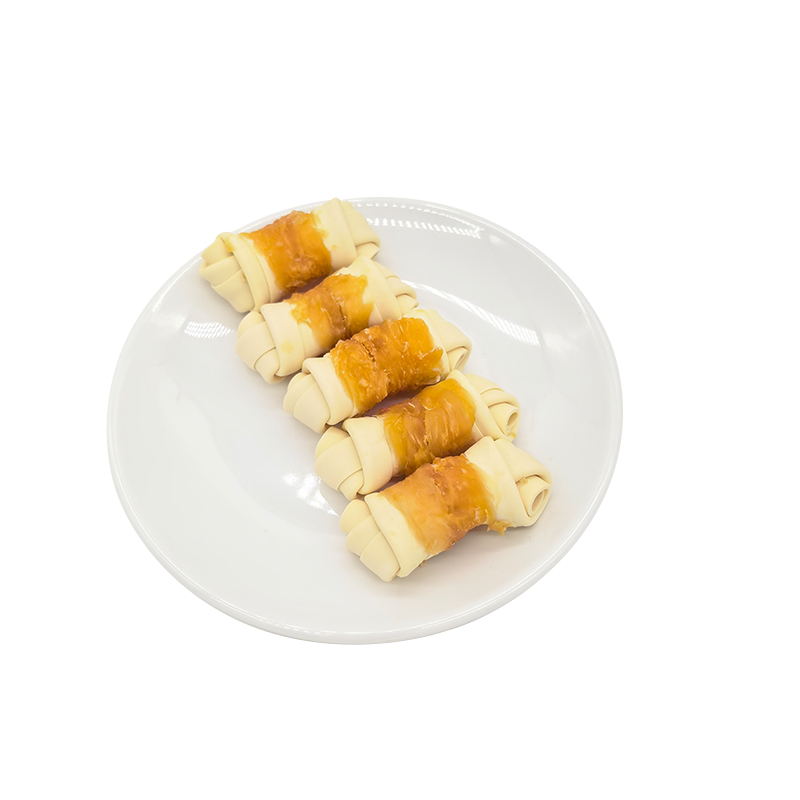
Meat Wrapped Dog Treats
Our KN001 2.5-3-inch chicken coated starch bone chewable tablets are designed specifically for dogs,...View More -
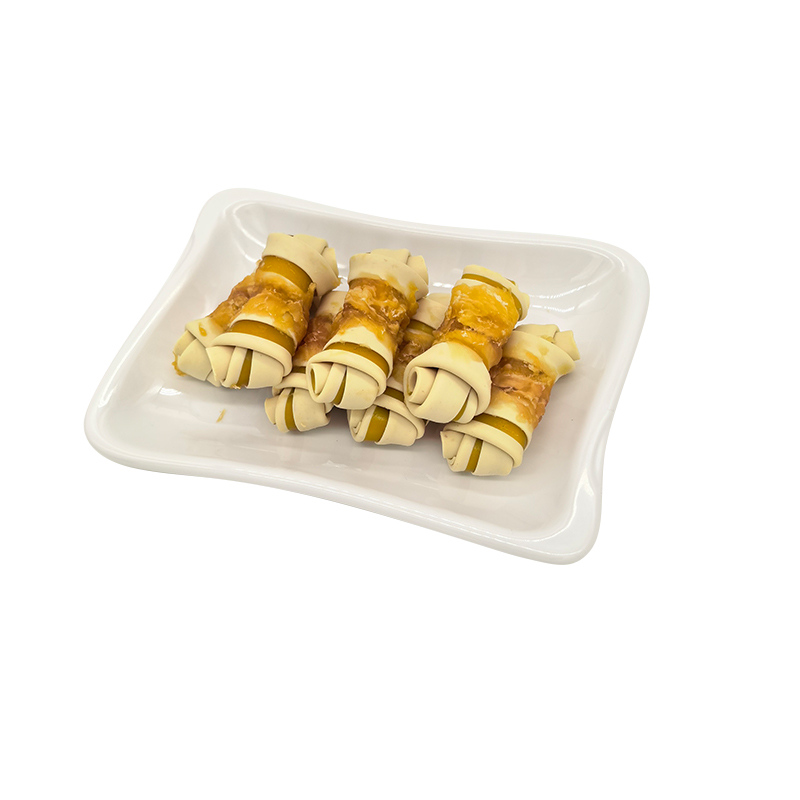
Meat Wrapped Dog Treats
The KN003 organic protein dog chew treats are crafted with a wholesome blend of corn starch, sweet p...View More -
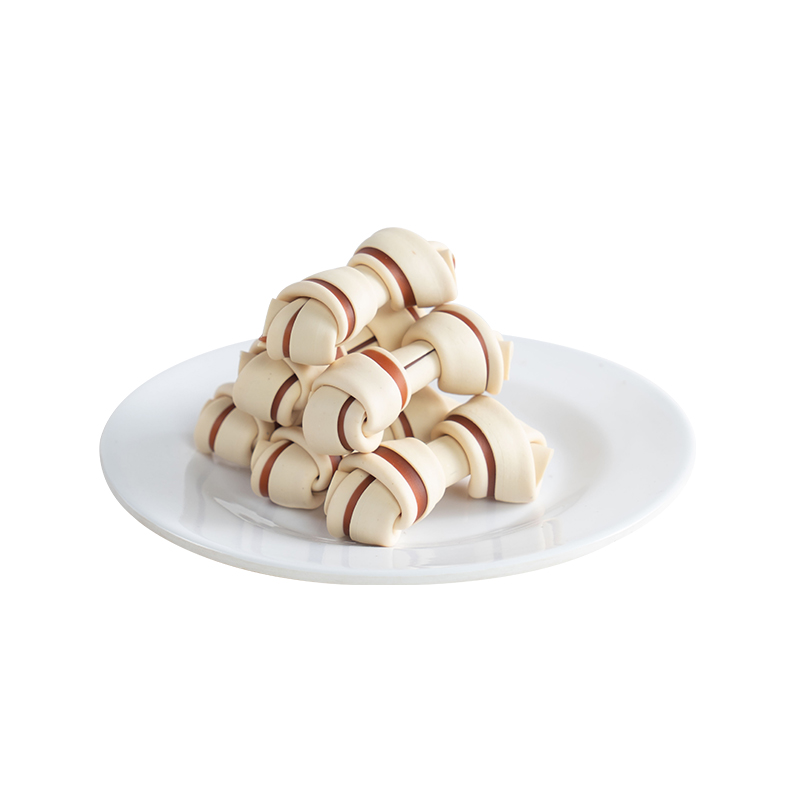
Knotted Bone Series
The KN004 Chewing Gum Grinding Teeth Cleaning Teeth Dog Snacks is a starch-based chew treat specific...View More -
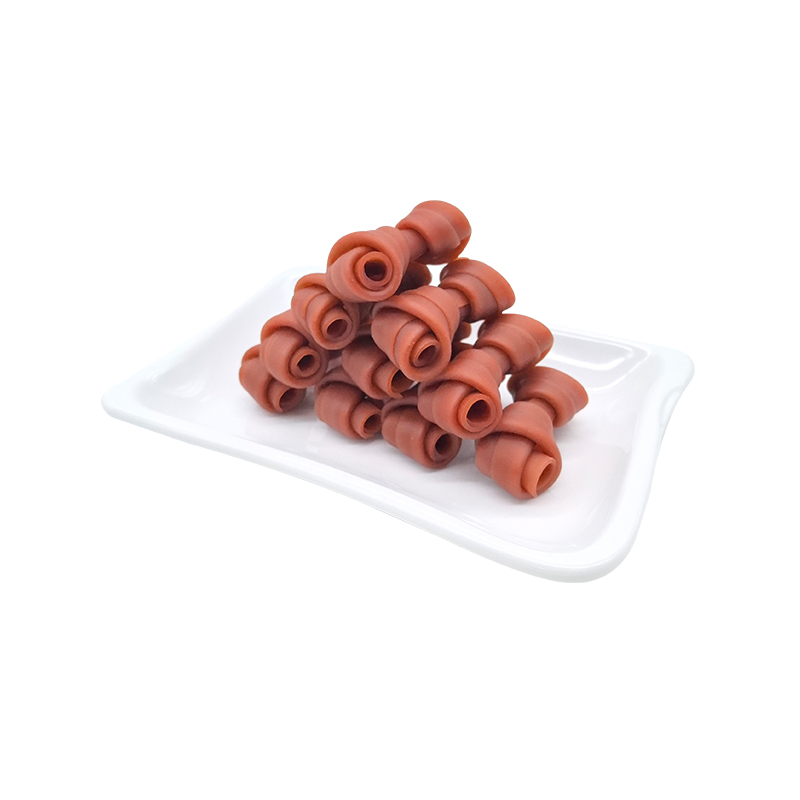
Knotted Bone Series
KN005 Dog single Color Bone Chew Snacks Safe and Healthy Pet Food is a healthy pet food made primari...View More -
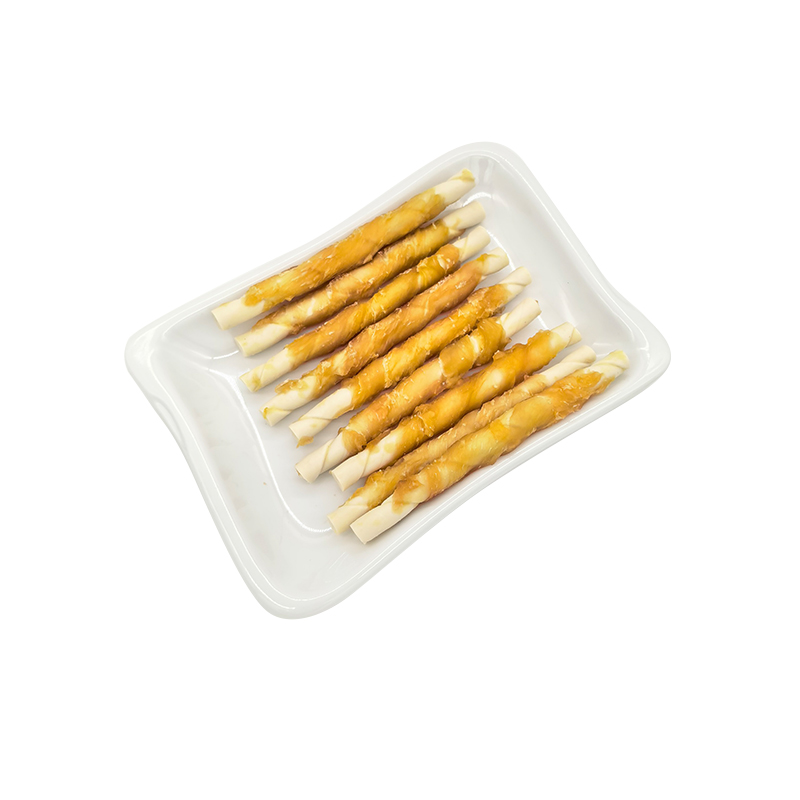
Meat Wrapped Dog Treats
ST001 Milk Flavored 12cm Nutritious Meat-Wrapped Pet Chicken Rolls Stick combine premium chicken wit...View More -
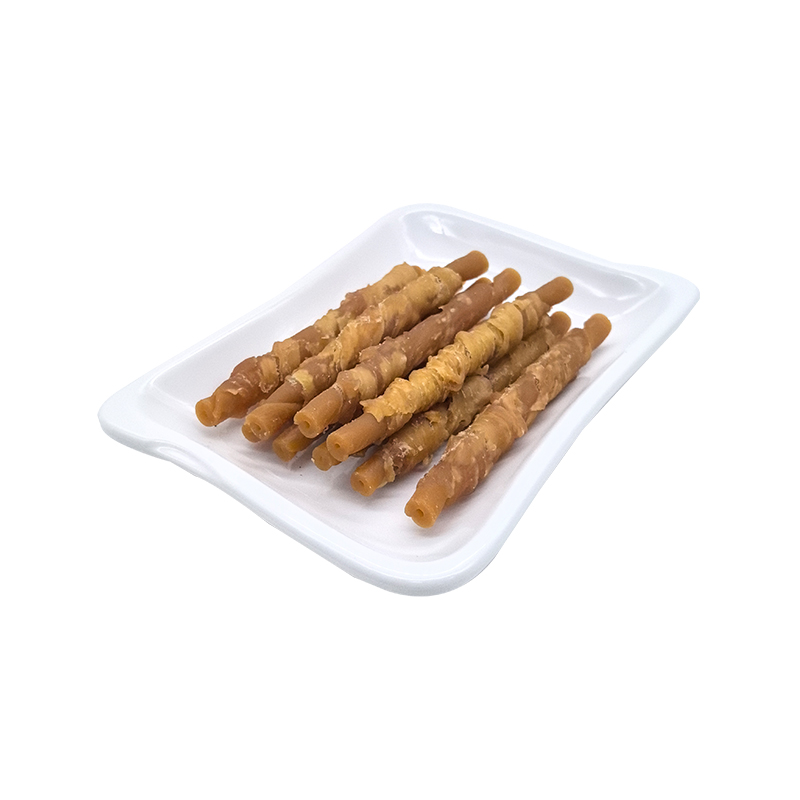
Meat Wrapped Dog Treats
ST002 Chicken Flavor Organic Dog Dental Chew Stick is a healthy and tasty snack designed for dogs’ d...View More

TIME TO FEED YOUR PETS
-
Quick Links
-

The company integrates production and R&D functions, and its core business focuses on the R&D and production of pet snacks and pet chews.
-
Contact Us
Phone/WhatsApp:
+86 18067755187
+86-18657866096 E-mail:
[email protected]
[email protected] Add: No. 358-1, Longqing Road, Nanmingshan Street, Liandu District, Lishui, Zhejiang, China
