Welcome to Lishui Tengyu Pet Food Co., Ltd.
[email protected]

 English
 Español
 Deutsch


Industry News

Industry News
Knotted Bone vs. Rubber Toys: Which Lasts Longer?
Knotted Bone is widely used in daily dog chewing routines, especially for dogs that spend extended time engaging with chew-based activities. Pet owners often compare it with rubber chew toys when trying to determine which option provides longer usability and more consistent chewing engagement. Both product types serve similar behavioral needs, yet their material composition, structural response, and chewing feedback are significantly different. Understanding these differences helps in selecting a suitable option for different chewing styles and household environments.
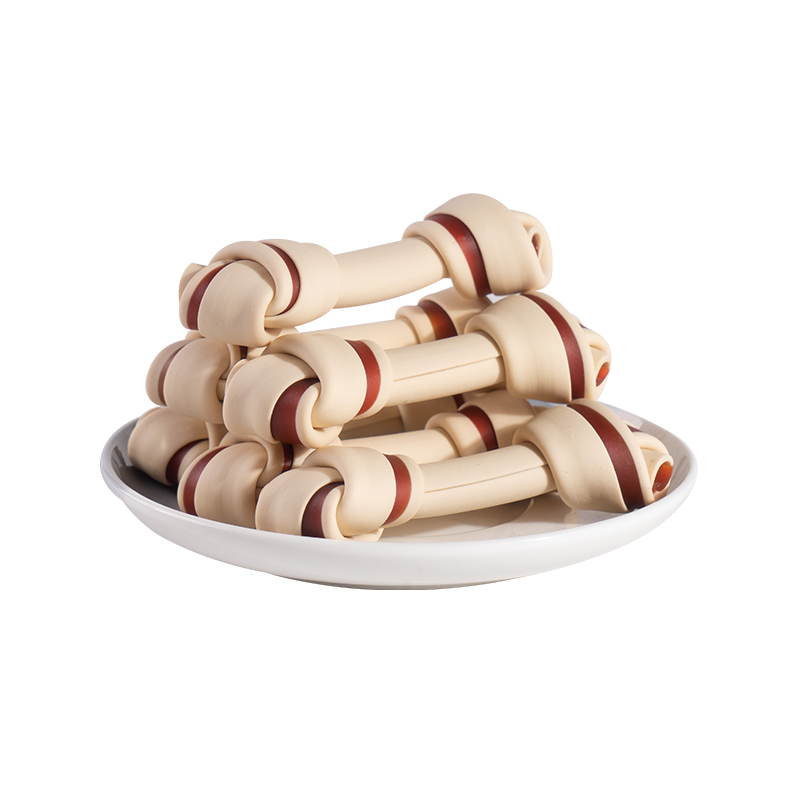
Material Structure of Knotted Bone
Knotted Bone products are typically made from compressed natural fibers, rawhide-style layers, or collagen-based components that are tightly twisted into a knot form. This structure creates multiple resistance points during chewing, which encourages repetitive biting and gnawing behavior.
As dogs chew, the outer layer gradually softens while the inner structure remains firm for a longer period. This layered breakdown process creates a dynamic chewing experience that changes over time rather than remaining static. Many dogs respond positively to this changing texture, as it provides ongoing stimulation.
Material Structure of Rubber Toys
Rubber chew toys are designed with elasticity and flexibility in mind. They can be manufactured as solid blocks or hollow structures, often including internal cavities for treats. Their flexible composition allows them to absorb chewing pressure and return to shape after deformation.
This elasticity reduces the risk of fragmentation, even when exposed to repeated chewing. However, the chewing feedback tends to remain consistent throughout use, without major texture changes.
Durability Under Different Chewing Styles
Durability is influenced strongly by chewing intensity and frequency. Knotted Bone tends to perform well under steady chewing patterns, gradually wearing down while maintaining structure during most of its lifespan. Rubber toys, on the other hand, maintain shape stability but may show visible bite marks or surface indentation when used by stronger chewers.
Dogs with persistent chewing habits may stay engaged longer with knotted designs due to progressive texture changes. Dogs that prefer intermittent chewing or playful biting may interact more comfortably with rubber-based options.
Engagement and Behavioral Response
Chewing engagement is closely linked to texture variation. Knotted Bone provides a firm resistance that encourages focused chewing behavior. The gradual softening effect introduces variation that may extend interest over time.
Rubber toys provide a more elastic and bouncy interaction style, which can shift chewing into play behavior. This difference means the choice often depends on whether the dog prefers structured chewing or flexible play-chew interaction.
Safety Considerations During Use
Both options require monitoring during use. Knotted Bone may gradually break into smaller pieces as chewing continues, especially toward later stages of use. Rubber toys may develop surface wear or shallow bite marks over time.
Regular inspection is recommended to ensure that both types remain suitable for continued chewing sessions. Replacement timing depends on chewing intensity and product condition.
Usage Environment Influence
Indoor and outdoor usage can also affect durability perception. Knotted Bone may be preferred in structured indoor environments where chewing sessions are controlled. Rubber toys may be used in more dynamic play environments due to their flexible structure.
The comparison between Knotted Bone and rubber chew toys depends heavily on chewing behavior, texture preference, and intended usage context. Each product type provides a different balance of durability and chewing experience rather than a universal advantage.
NEXT:Chicken Jerky Strips For Dogs: Safety Standards and Quality Concerns
-
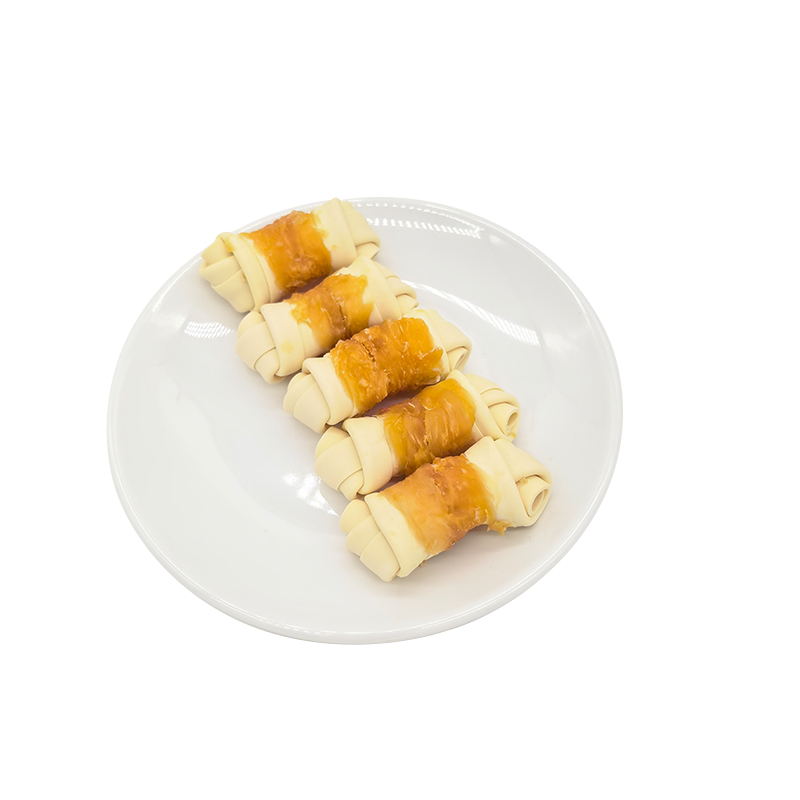
Meat Wrapped Dog Treats
Our KN001 2.5-3-inch chicken coated starch bone chewable tablets are designed specifically for dogs,...View More -
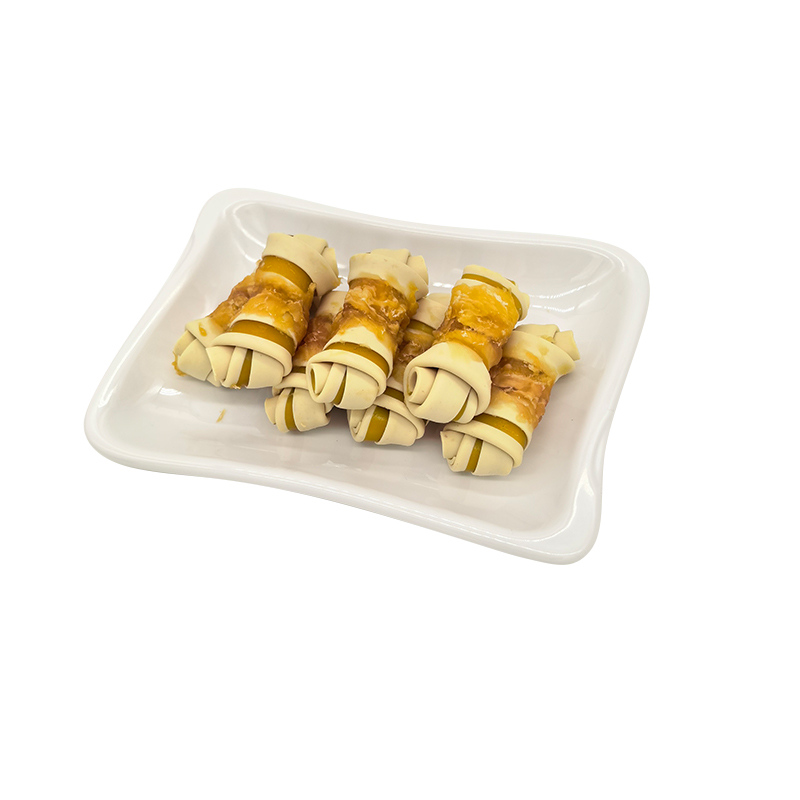
Meat Wrapped Dog Treats
The KN003 organic protein dog chew treats are crafted with a wholesome blend of corn starch, sweet p...View More -
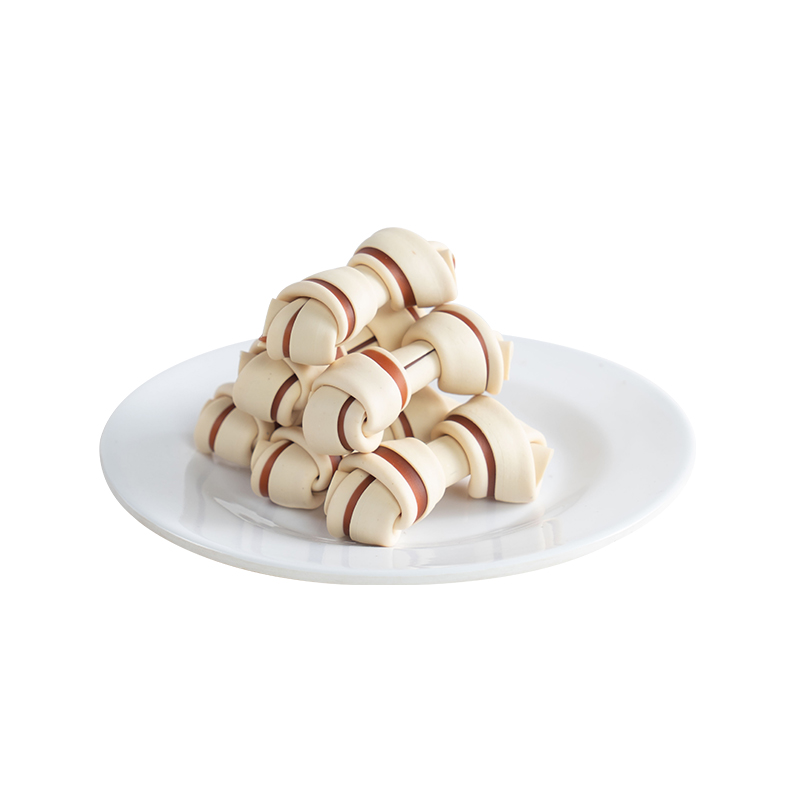
Knotted Bone Series
The KN004 Chewing Gum Grinding Teeth Cleaning Teeth Dog Snacks is a starch-based chew treat specific...View More -
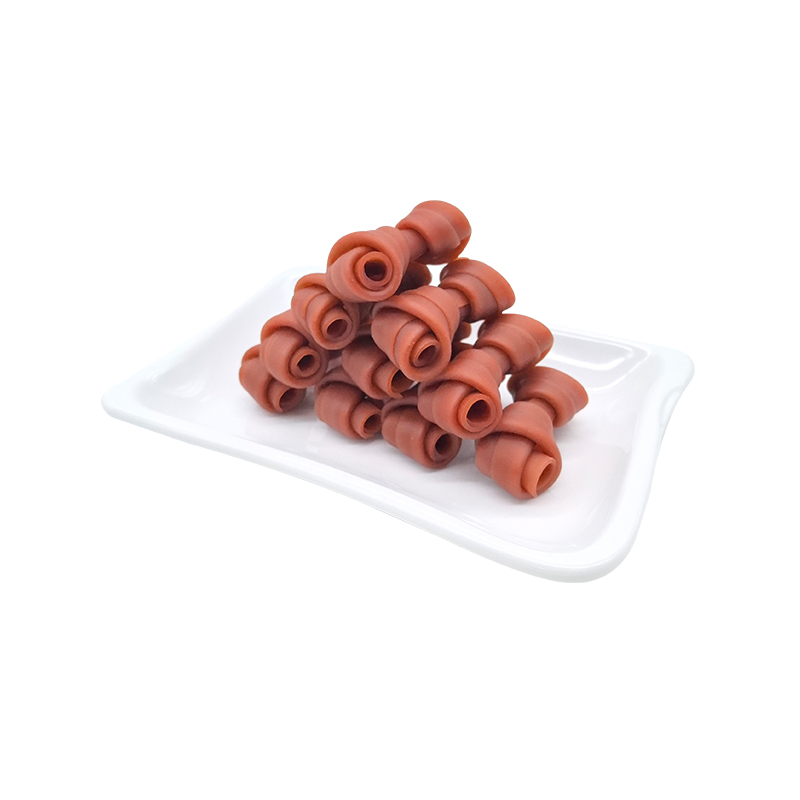
Knotted Bone Series
KN005 Dog single Color Bone Chew Snacks Safe and Healthy Pet Food is a healthy pet food made primari...View More -
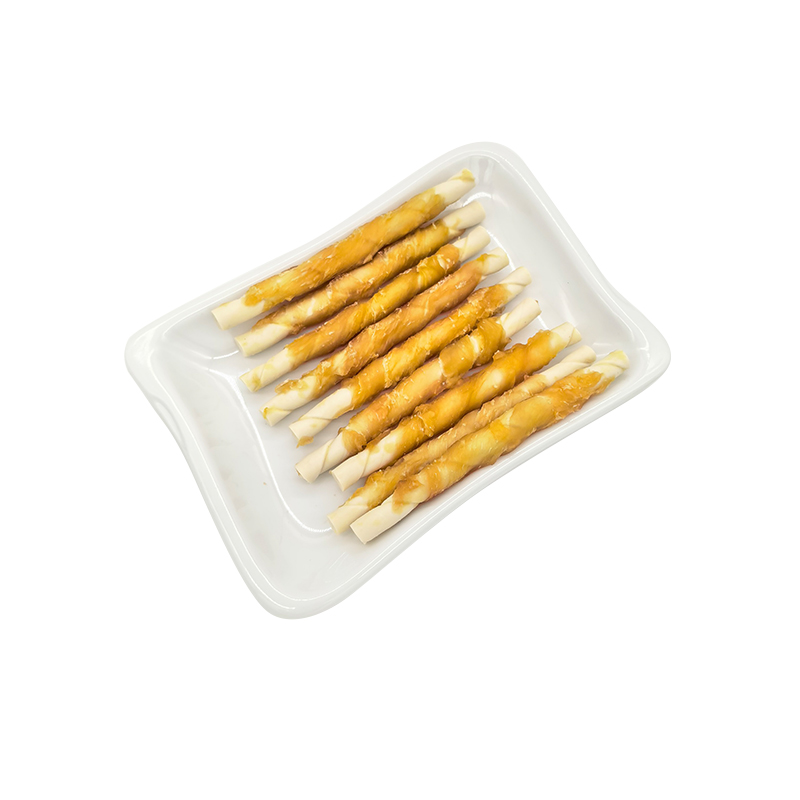
Meat Wrapped Dog Treats
ST001 Milk Flavored 12cm Nutritious Meat-Wrapped Pet Chicken Rolls Stick combine premium chicken wit...View More -
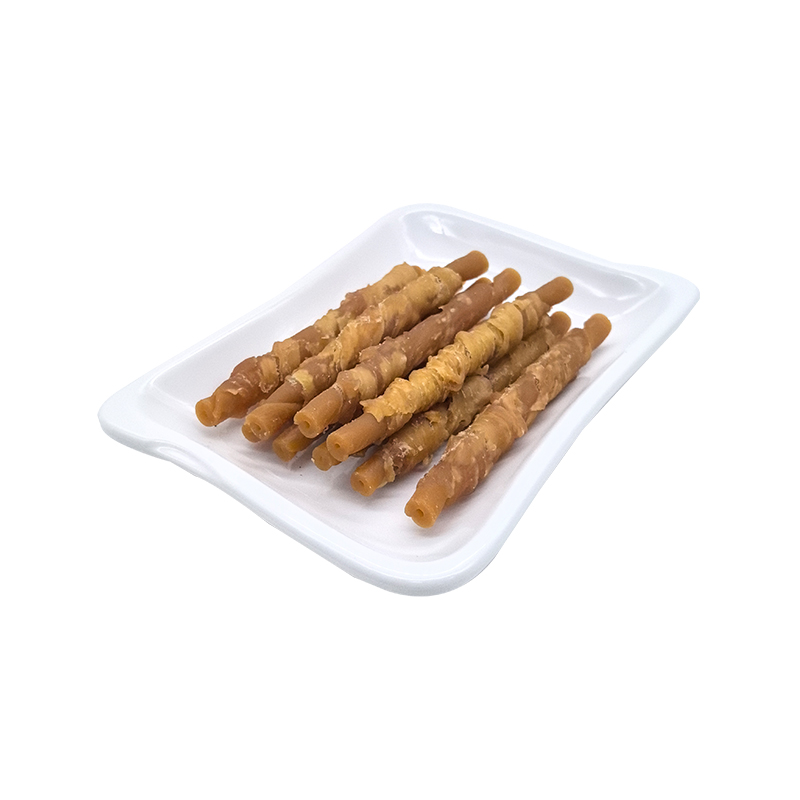
Meat Wrapped Dog Treats
ST002 Chicken Flavor Organic Dog Dental Chew Stick is a healthy and tasty snack designed for dogs’ d...View More


TIME TO FEED YOUR PETS
-
Quick Links
-

The company integrates production and R&D functions, and its core business focuses on the R&D and production of pet snacks and pet chews.
-
Contact Us
Phone/WhatsApp:
+86 18067755187
+86-18657866096 E-mail:
[email protected]
[email protected] Add: No. 358-1, Longqing Road, Nanmingshan Street, Liandu District, Lishui, Zhejiang, China
