Welcome to Lishui Tengyu Pet Food Co., Ltd.
[email protected]

 English
 Español
 Deutsch


Industry News

Industry News
Top 5 Knotted Bone Picks for Durable Chewing & Dental Health
Knotted Bone is commonly used in dog chewing routines as a functional chew item that supports both behavioral engagement and oral hygiene habits. Different types of knotted bone products vary in texture, density, material composition, and chewing resistance. Because dogs have different chewing strengths and behavioral patterns, selecting suitable options requires understanding how each type performs during daily use.
This guide explores five commonly used knotted bone categories based on durability, chewing response, and dental-related benefits.
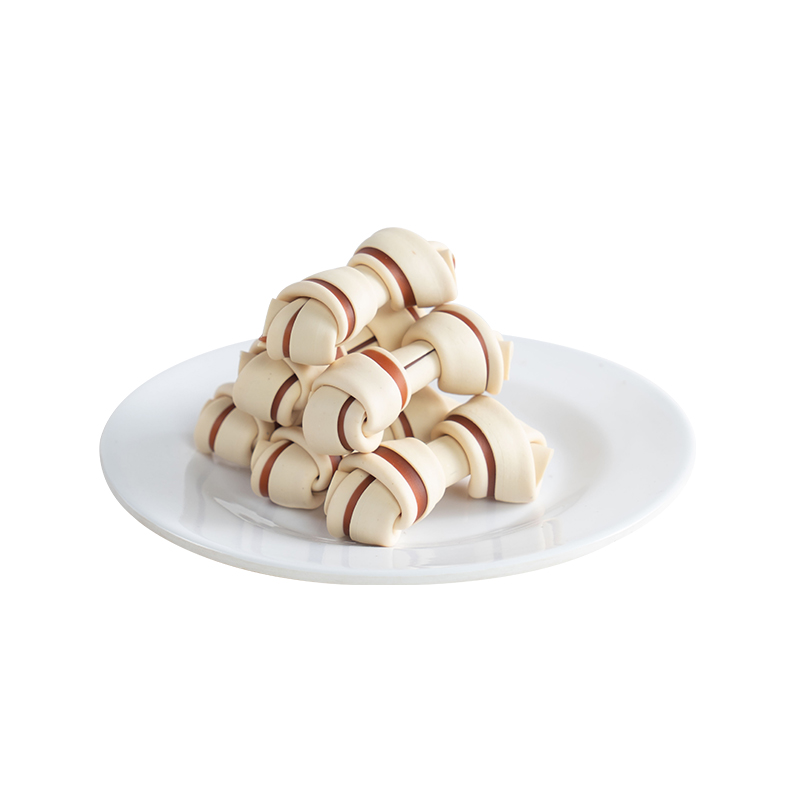
1. Natural Fiber Knotted Bone
Natural fiber knotted bone products are designed using compressed plant-based or natural materials that are shaped into a tight knot structure. This form creates multiple chewing surfaces that encourage repeated biting and gnawing behavior.
During initial use, the texture remains firm and structured. As chewing continues, the outer layers gradually soften, creating a changing texture experience. Dogs that enjoy repetitive chewing tend to stay engaged longer with this type due to its consistent resistance pattern.
This variation is often used in daily chewing routines because it provides predictable wear behavior and stable chewing feedback.
2. Flavor-Infused Knotted Bone
Flavor-infused knotted bone products include coatings or embedded flavor layers that increase aroma and taste appeal. These variations are especially effective for dogs that show limited interest in plain chew items.
The outer layer is typically the first to wear down during chewing, releasing aroma gradually. As the surface reduces, dogs continue chewing to access deeper layers, extending engagement time naturally.
This type is often used during introduction phases or for dogs that require additional stimulation to maintain interest in chew products.
3. Rawhide-Free Knotted Bone Alternatives
Rawhide-free knotted bone options are designed for pet owners who prefer alternative material structures. These products often use collagen-based, plant-based, or simplified protein structures instead of traditional rawhide-style layers.
The chewing experience tends to be more uniform from start to finish. Instead of a layered breakdown, the material gradually softens in a more even manner. This creates a steady chewing experience without sudden texture changes.
These alternatives are often chosen for households that prefer simplified ingredient composition and consistent chewing behavior.
4. Dental-Texture Knotted Bone
Dental-focused knotted bone products are designed with surface patterns that interact with teeth during chewing. The textured surface increases friction during repeated chewing motions.
This friction helps support natural cleaning behavior as dogs chew. The chewing process itself becomes part of oral maintenance activity, especially during longer chewing sessions.
Dogs that regularly use this type often develop consistent chewing routines, as the texture encourages longer interaction times.
5. High-Density Knotted Bone for Strong Chewers
High-density knotted bone products are designed for dogs with stronger chewing behavior. These versions use tighter compression and thicker structural formation to withstand persistent chewing pressure.
The chewing experience is more resistant compared to softer variations. Dogs typically engage in longer chewing cycles due to the higher resistance level. Over time, the structure gradually reduces while maintaining stability during most of its usage period.
This category is often selected for dogs that prefer intensive chewing behavior and require more durable chew engagement.
Usage Patterns and Rotation Strategy
Rotating between different knotted bone types helps maintain interest over time. Dogs may respond differently to texture changes, aroma intensity, and resistance levels.
Introducing variation can help prevent repetitive chewing fatigue and encourage more consistent behavioral engagement across daily routines.
Behavioral Adaptation Over Time
Dogs may gradually adjust their chewing behavior depending on exposure to different knotted bone types. Some may shift toward firmer textures, while others prefer softer variations depending on age, environment, and chewing habits.
Understanding behavioral changes helps refine product selection for long-term use.
Knotted bone variations serve different chewing needs based on material structure, density, and flavor profile. Selection depends more on behavioral patterns than on a single fixed preference.
NEXT:Knotted Bone vs. Rubber Toys: Which Lasts Longer?
-
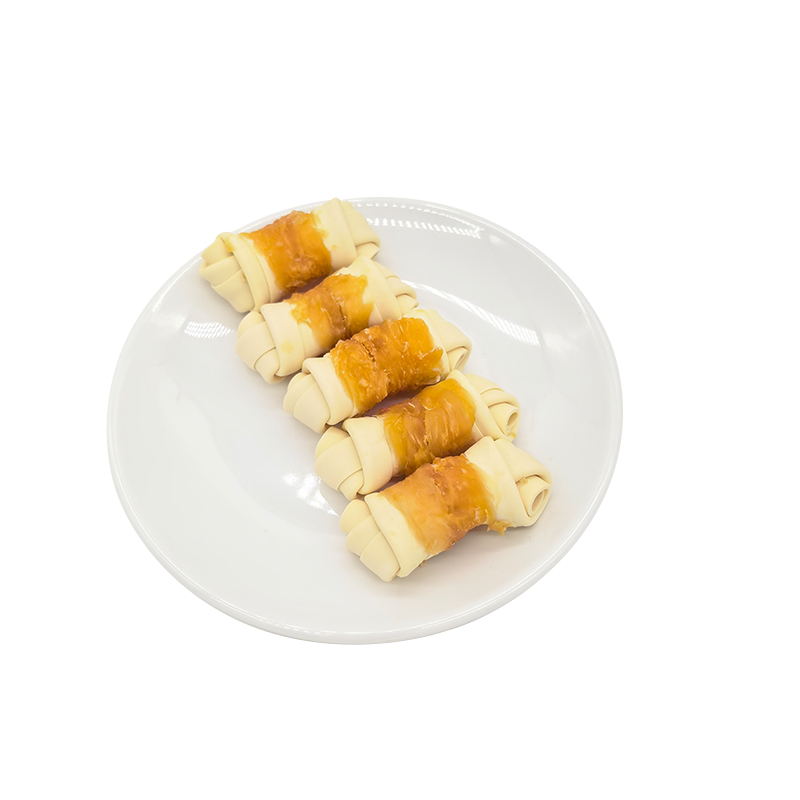
Meat Wrapped Dog Treats
Our KN001 2.5-3-inch chicken coated starch bone chewable tablets are designed specifically for dogs,...View More -
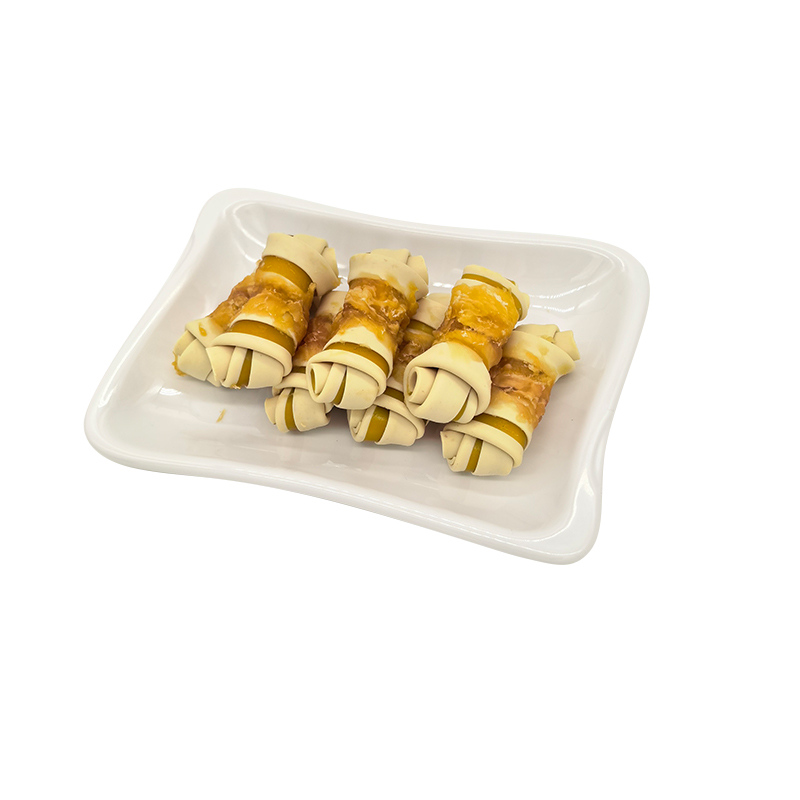
Meat Wrapped Dog Treats
The KN003 organic protein dog chew treats are crafted with a wholesome blend of corn starch, sweet p...View More -
Knotted Bone Series
The KN004 Chewing Gum Grinding Teeth Cleaning Teeth Dog Snacks is a starch-based chew treat specific...View More -
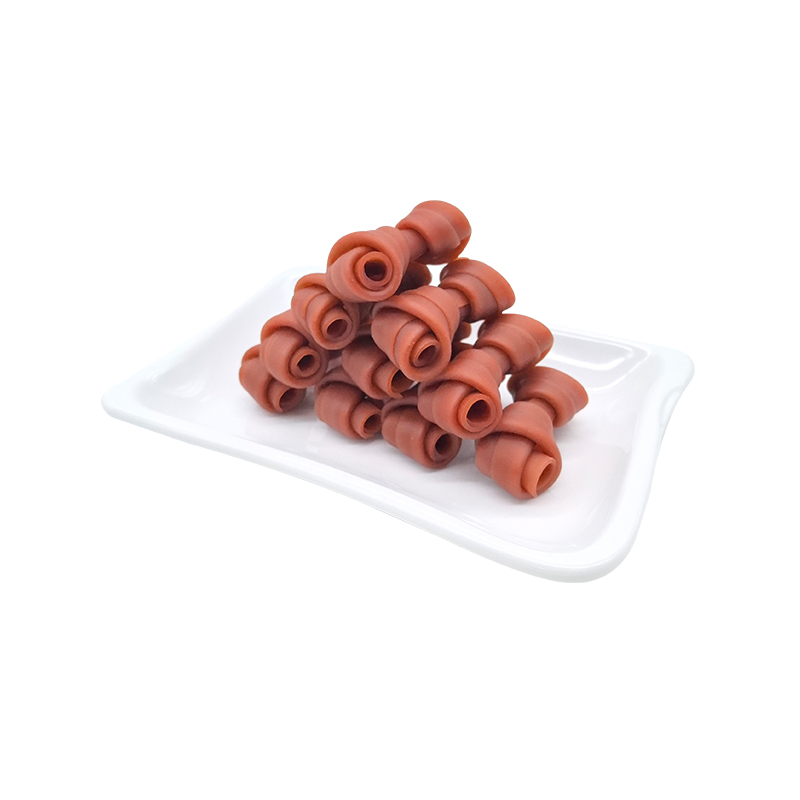
Knotted Bone Series
KN005 Dog single Color Bone Chew Snacks Safe and Healthy Pet Food is a healthy pet food made primari...View More -
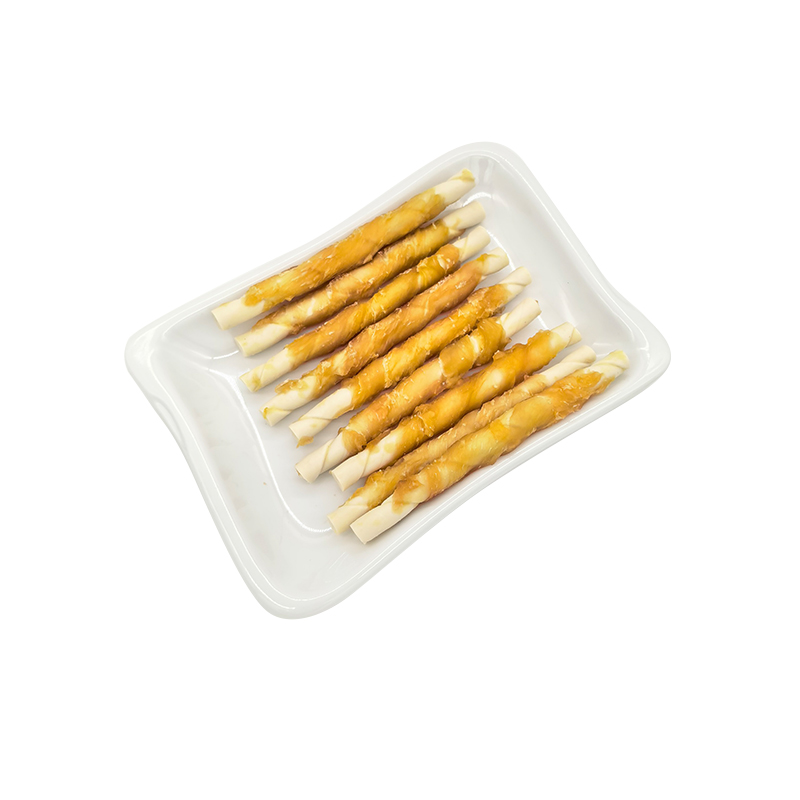
Meat Wrapped Dog Treats
ST001 Milk Flavored 12cm Nutritious Meat-Wrapped Pet Chicken Rolls Stick combine premium chicken wit...View More -
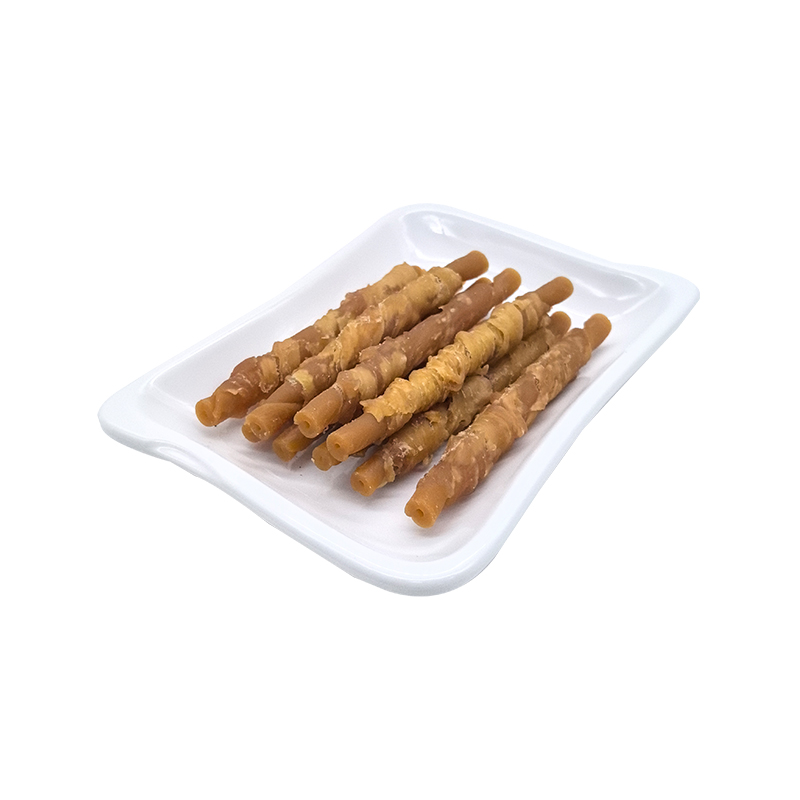
Meat Wrapped Dog Treats
ST002 Chicken Flavor Organic Dog Dental Chew Stick is a healthy and tasty snack designed for dogs’ d...View More


TIME TO FEED YOUR PETS
-
Quick Links
-

The company integrates production and R&D functions, and its core business focuses on the R&D and production of pet snacks and pet chews.
-
Contact Us
Phone/WhatsApp:
+86 18067755187
+86-18657866096 E-mail:
[email protected]
[email protected] Add: No. 358-1, Longqing Road, Nanmingshan Street, Liandu District, Lishui, Zhejiang, China
