Welcome to Lishui Tengyu Pet Food Co., Ltd.
[email protected]

 English
 Español
 Deutsch


Industry News

Industry News
Can Dog Treats Help Teeth And Breath?
It often happens during an ordinary moment. A dog jumps onto the sofa, rests its head nearby, and suddenly the owner realizes something smells different than before. The primary reaction is usually to blame the latest meal, but bad breath is not always related to what a dog ate that day.
In many cases, the story begins much earlier.
That is one reason products such as dog treats for teeth and breath have become increasingly common. They are not simply another type of snack. Their popularity reflects growing attention to everyday dental care for pets.
Bad breath rarely appears overnight
People sometimes think bad breath arrives suddenly.
In reality, it often develops gradually.
A dog's mouth is constantly exposed to food particles, saliva, and naturally occurring bacteria. Over time, small deposits can accumulate on the surface of teeth. At primary, owners may notice nothing unusual. Months later, the smell becomes harder to ignore.
Veterinarians frequently point out that oral health and breath are closely connected. Because of this relationship, many owners start looking at dog treats for teeth and breath after noticing changes in their dog's mouth rather than simply focusing on the smell itself.
Why chewing receives so much attention
Watch a dog with a favorite chew item and one thing becomes clear: dogs spend a surprising amount of time using their teeth.
Chewing is not an unusual behavior. It is part of how many dogs explore, play, and occupy themselves.
This is why discussions about dental care often include chewing products. The idea is not new. Long before specialized pet treats became widely available, dog owners noticed that chewing activity played an important role in daily life.
Today, dog treats for teeth and breath are often designed around that same observation. The goal is not merely to provide flavor but to fit naturally into behaviors that many dogs already enjoy.
Different dogs, different dental situations
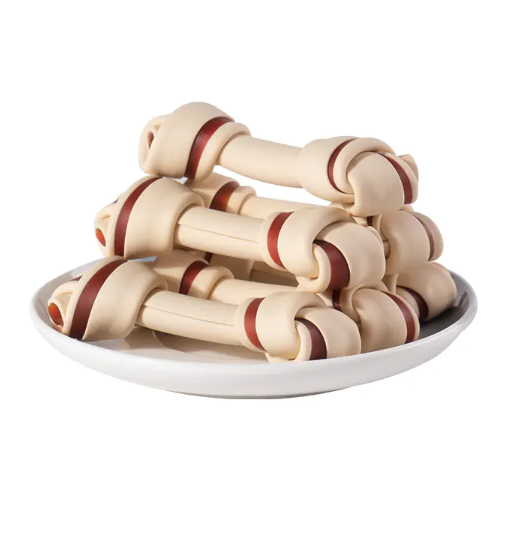
One challenge with oral care is that no two dogs are exactly alike.
A young dog with healthy teeth may have very different needs from an older dog that has accumulated years of wear.
Breed can also make a difference.
Small dogs are sometimes known for experiencing dental issues more frequently than larger breeds. Meanwhile, some dogs seem to maintain relatively fresh breath despite limited effort from their owners.
Because every situation is different, dog treats for teeth and breath are usually viewed as part of a broader care routine rather than a universal solution.
What owners often notice primary
Interestingly, many people do not check their dog's teeth regularly.
What they notice is breath.
The smell becomes the signal that encourages a closer look.
After that, owners may begin paying attention to things they previously overlooked:
- visible buildup on teeth
- changes in chewing habits
- sensitivity around the mouth
- reduced interest in certain foods
- changes in overall oral appearance
These observations often contribute to conversations about dental care products, including dog treats for teeth and breath.
Why the category keeps growing
Twenty years ago, pet store shelves looked very different.
Today's market contains a much wider range of products focused on specific aspects of pet care. Dental products have become one of those growing categories.
Part of the reason is simple. More owners now view dogs as long-term family companions and pay closer attention to preventive care than previous generations did.
As a result, dog treats for teeth and breath are no longer considered niche products. In many markets, they have become a regular part of pet treat selections.
Expectations matter
One misunderstanding occasionally appears among new pet owners.
A person buys a package of dog treats for teeth and breath and expects immediate results.
Real life is usually less dramatic.
Oral health develops over time, and habits often matter more than any single product. Consistency tends to play a larger role than occasional use.
This is true for people and pets alike.
For that reason, many experienced dog owners view dental treats as one part of an ongoing routine rather than a quick fix.
Looking beyond fresh breath
Fresh breath may be what gets widely people's attention, but it is rarely the entire story.
When owners become interested in dog treats for teeth and breath, they are often responding to something larger: a growing awareness of oral health. Breath is simply the easiest sign to notice.
The continued popularity of dog treats for teeth and breath suggests that more pet owners are paying attention to that connection than ever before. While every dog is different, the relationship between dental care and everyday comfort remains an important topic for anyone interested in long-term pet wellbeing.
-
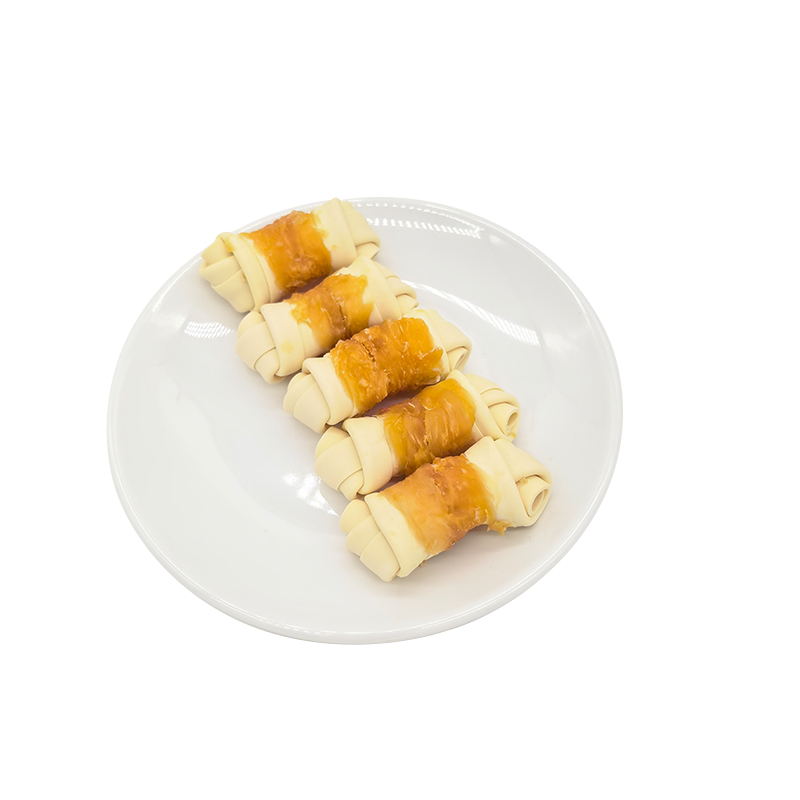
Meat Wrapped Dog Treats
Our KN001 2.5-3-inch chicken coated starch bone chewable tablets are designed specifically for dogs,...View More -
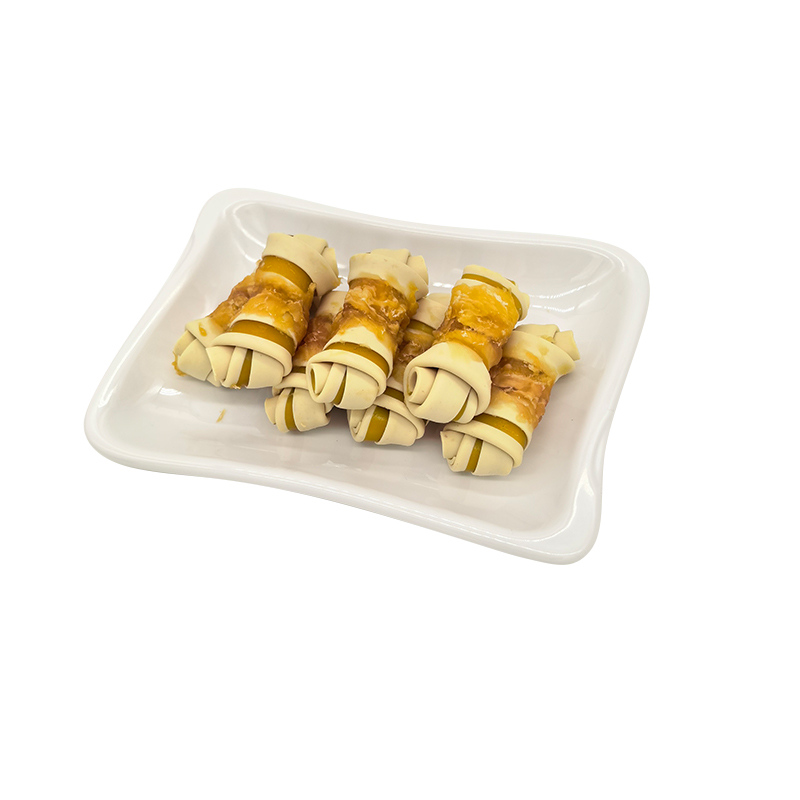
Meat Wrapped Dog Treats
The KN003 organic protein dog chew treats are crafted with a wholesome blend of corn starch, sweet p...View More -
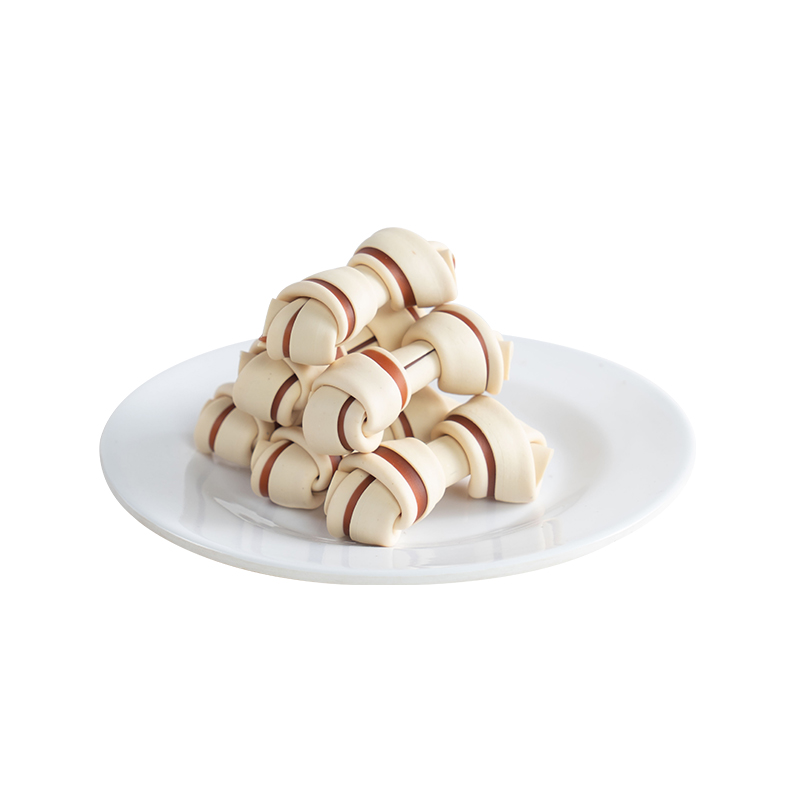
Knotted Bone Series
The KN004 Chewing Gum Grinding Teeth Cleaning Teeth Dog Snacks is a starch-based chew treat specific...View More -
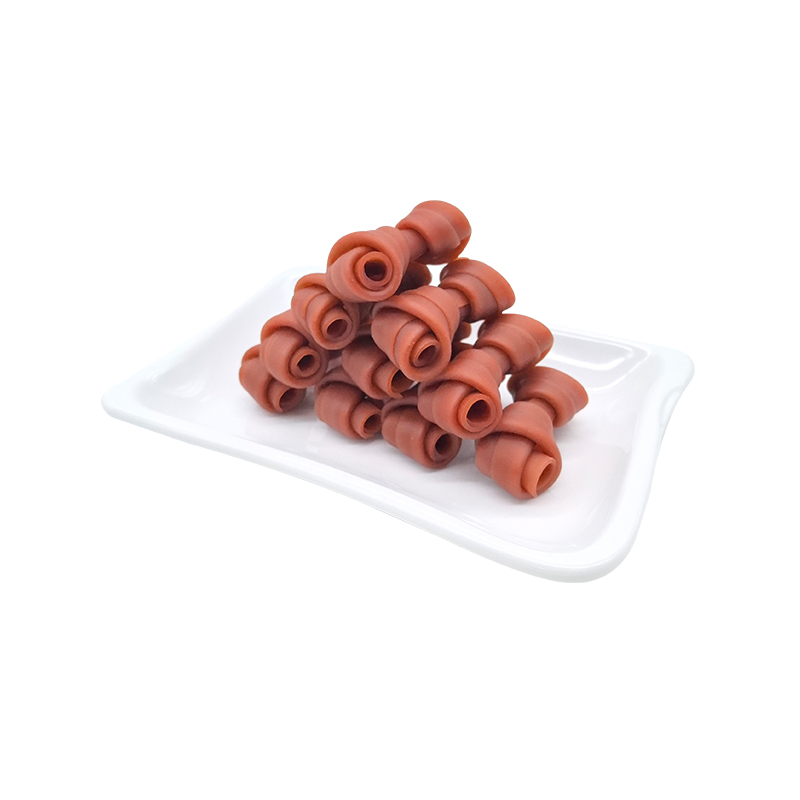
Knotted Bone Series
KN005 Dog single Color Bone Chew Snacks Safe and Healthy Pet Food is a healthy pet food made primari...View More -
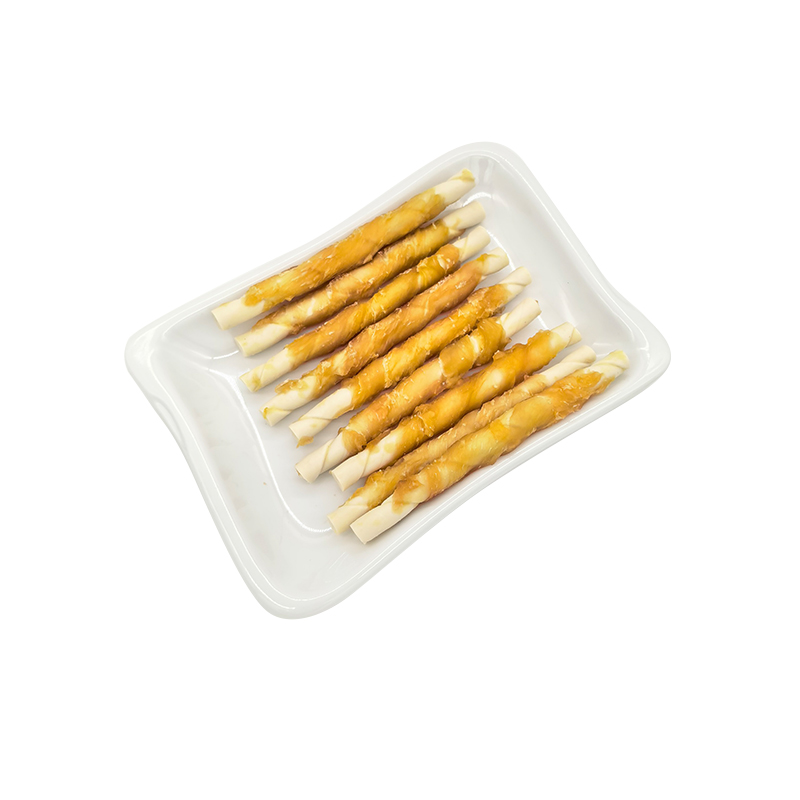
Meat Wrapped Dog Treats
ST001 Milk Flavored 12cm Nutritious Meat-Wrapped Pet Chicken Rolls Stick combine premium chicken wit...View More -
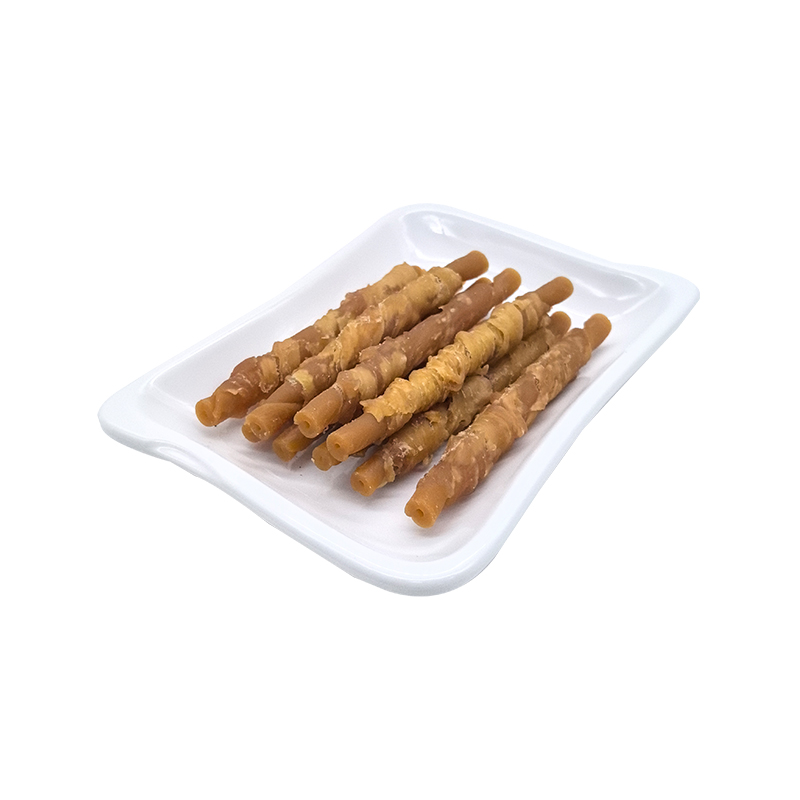
Meat Wrapped Dog Treats
ST002 Chicken Flavor Organic Dog Dental Chew Stick is a healthy and tasty snack designed for dogs’ d...View More


TIME TO FEED YOUR PETS
-
Quick Links
-

The company integrates production and R&D functions, and its core business focuses on the R&D and production of pet snacks and pet chews.
-
Contact Us
Phone/WhatsApp:
+86 18067755187
+86-18657866096 E-mail:
[email protected]
[email protected] Add: No. 358-1, Longqing Road, Nanmingshan Street, Liandu District, Lishui, Zhejiang, China
