Welcome to Lishui Tengyu Pet Food Co., Ltd.
[email protected]

 English
 Español
 Deutsch


Industry News

Industry News
Knotted Dog Chews for Determined Chewers: A Selection Guide
Some dogs approach chew toys with a level of intensity that can dismantle ordinary products in a single session. For these determined chewers, finding a durable and engaging option is a common challenge. Knotted dog chews are often marketed toward such pets, but not all are created equal. Selecting the appropriate one requires a thoughtful assessment of your dog's habits and the product's features.
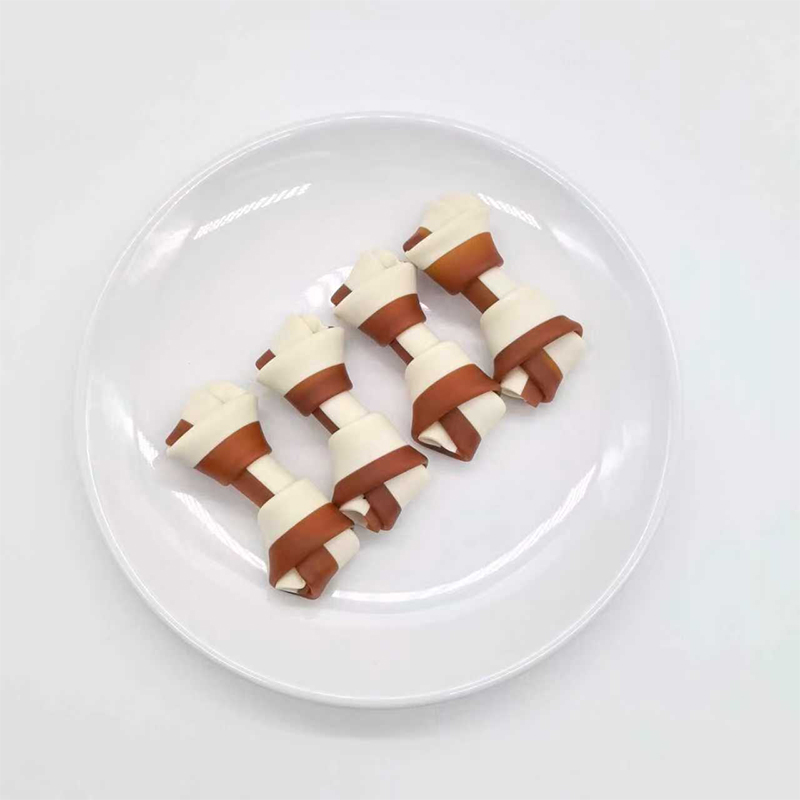
Assessing Your Dog's Chewing Style
The term "determined chewer" covers a range of behaviors. It might describe a dog that methodically gnaws to dissect a toy, one that uses powerful jaws to apply sustained pressure, or a pet that chews for extended periods. Before shopping, observe your dog. Do they slice through rubber, crush hard plastics, or meticulously pick apart seams? Understanding their specific method helps predict how they will interact with a knotted chew's texture and shape.
Key Factors in Durable Product Selection
When searching for a knotted chew that can withstand considerable pressure, focus on material integrity and design. Seek out products described with terms like "durable" or "for strong chewers," understanding that these indicate a general category rather than a guarantee. The material should feel solid and resist indentation from your thumbnail. In terms of design, size is critical; it should be large enough that the dog cannot fit the entire chew into the back of its mouth to crush. The knots themselves should be tight and integrated into the overall structure, without loose ends or weak-looking seams.
The Introduction and Supervision Phase
Even a carefully selected chew requires a controlled introduction. Present the new toy during a calm, supervised period. Watch how your dog engages with it. Are they trying to find a weak point immediately, or are they content to gnaw on the larger surfaces? This initial session provides valuable information about whether the chew is a good match. It is advisable to limit these initial sessions to 10-15 minutes, allowing you to check the toy for any unexpected wear or damage afterward.
Monitoring Wear and Determining Replacement
For a dog that chews with intensity, regular inspection is even more vital. Examine the chew before and after every use. Pay close attention to any areas that are becoming frayed, gouged, or flattened. Look for small pieces that may have been chewed off. A common sign a chew needs to be replaced is the development of deep grooves or a "sharp" edge created by focused chewing on one area. Establishing a consistent schedule for inspection helps prevent a situation where the dog is left with a compromised toy.
Integrating Chews into a Broader Enrichment Plan
It is important to remember that even the most durable knotted chew is one part of a larger enrichment strategy. Relying on a single toy can lead to boredom and over-wear. Rotate the knotted chew with other types of toys, such as interactive puzzles or different textured rubber toys. This rotation keeps your dog mentally stimulated and distributes the physical wear across multiple items. For determined chewers, providing appropriate outlets is about management and offering variety within safe boundaries. By taking a measured approach to selection, introduction, and rotation, owners can provide a satisfying and safer chewing experience for their focused pets.
NEXT:Knotted Dog Chews: Are They Safe? A Guide for Concerned Pet Parents
-
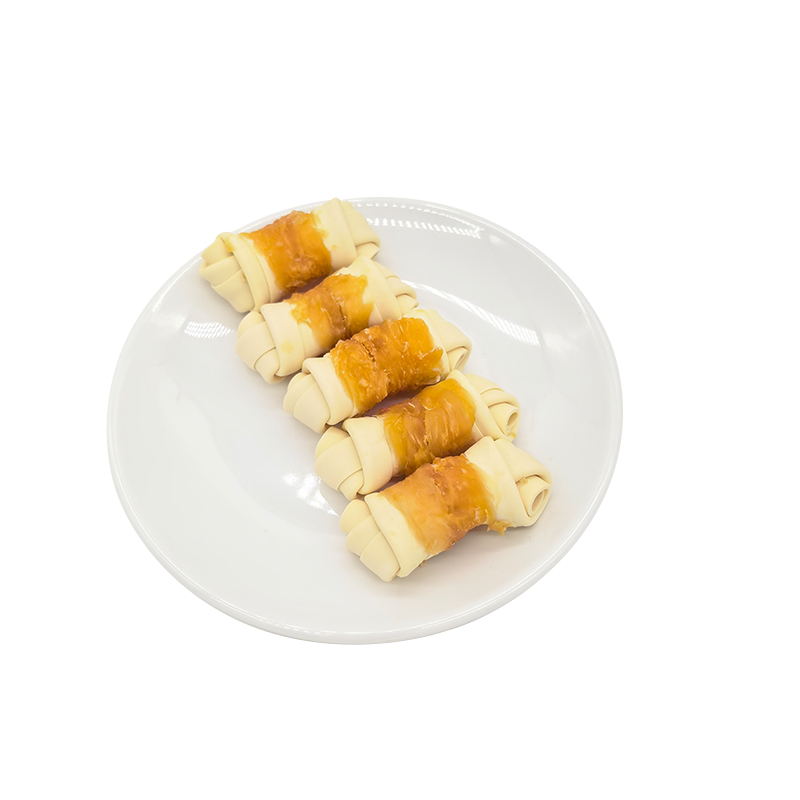
Meat Wrapped Dog Treats
Our KN001 2.5-3-inch chicken coated starch bone chewable tablets are designed specifically for dogs,...View More -
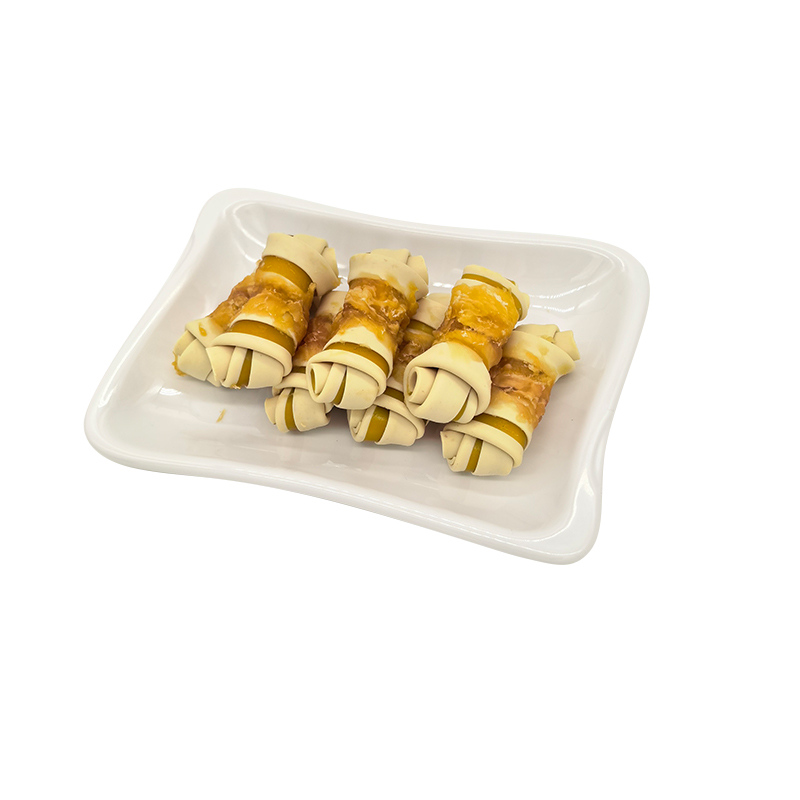
Meat Wrapped Dog Treats
The KN003 organic protein dog chew treats are crafted with a wholesome blend of corn starch, sweet p...View More -
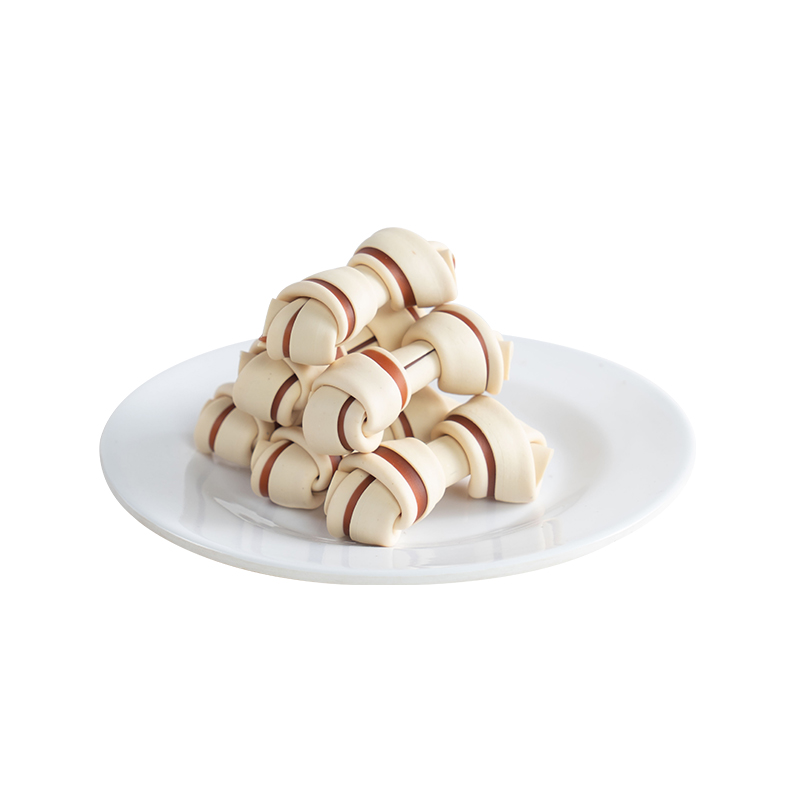
Knotted Bone Series
The KN004 Chewing Gum Grinding Teeth Cleaning Teeth Dog Snacks is a starch-based chew treat specific...View More -
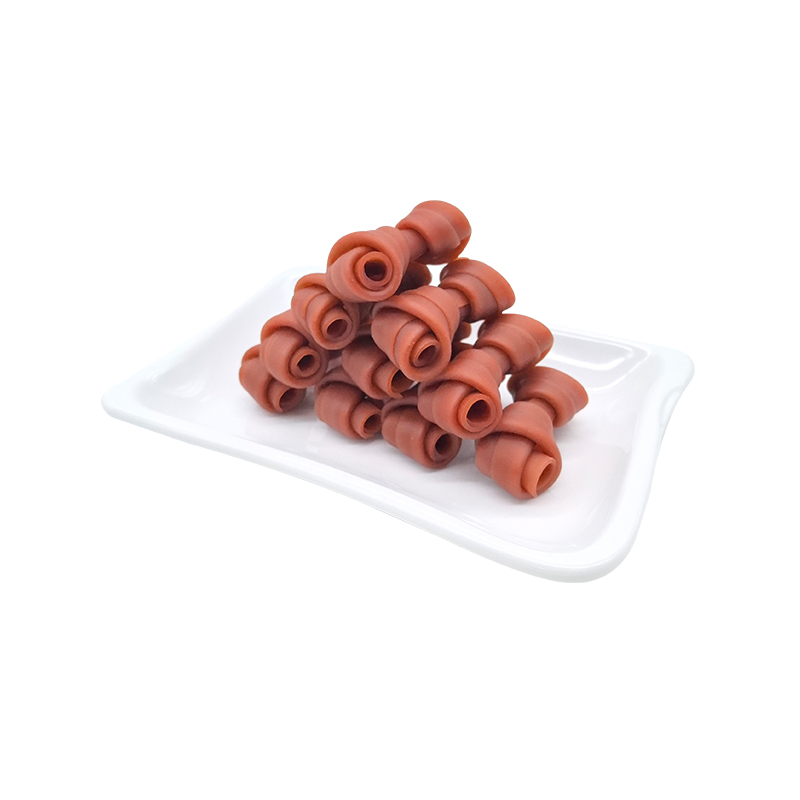
Knotted Bone Series
KN005 Dog single Color Bone Chew Snacks Safe and Healthy Pet Food is a healthy pet food made primari...View More -
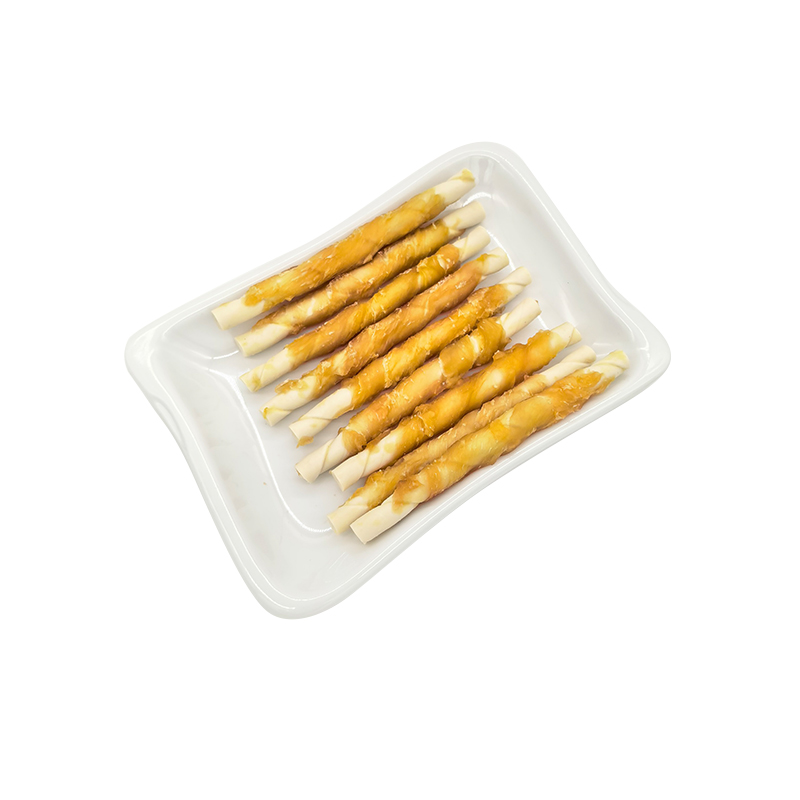
Meat Wrapped Dog Treats
ST001 Milk Flavored 12cm Nutritious Meat-Wrapped Pet Chicken Rolls Stick combine premium chicken wit...View More -
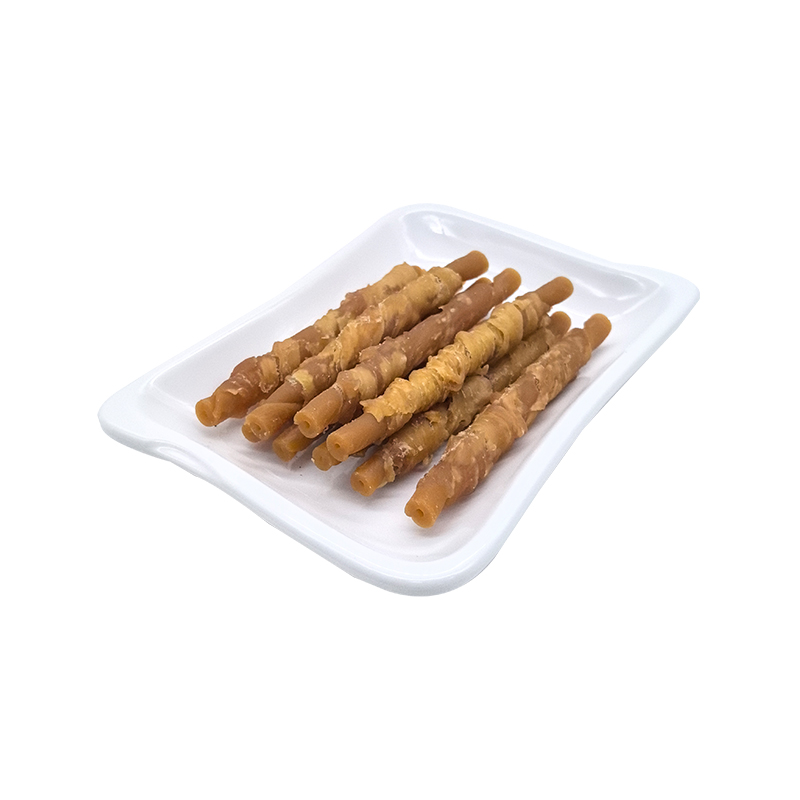
Meat Wrapped Dog Treats
ST002 Chicken Flavor Organic Dog Dental Chew Stick is a healthy and tasty snack designed for dogs’ d...View More

TIME TO FEED YOUR PETS
-
Quick Links
-

The company integrates production and R&D functions, and its core business focuses on the R&D and production of pet snacks and pet chews.
-
Contact Us
Phone/WhatsApp:
+86 18067755187
+86-18657866096 E-mail:
[email protected]
[email protected] Add: No. 358-1, Longqing Road, Nanmingshan Street, Liandu District, Lishui, Zhejiang, China
