Welcome to Lishui Tengyu Pet Food Co., Ltd.
[email protected]

 English
 Español
 Deutsch


Industry News

Industry News
Single-Color Duck Dog Treat Joins The Shift Toward Simpler Pet Snacks
Pet treat shelves are becoming more varied, but the changes are not always about adding more ingredients or more complicated shapes. In recent years, single-protein recipes, recognizable meat sources, and chewable formats have gained space in the category. Duck has also moved beyond specialty treats into more everyday snack formats, giving manufacturers another protein option as brands expand their product ranges.
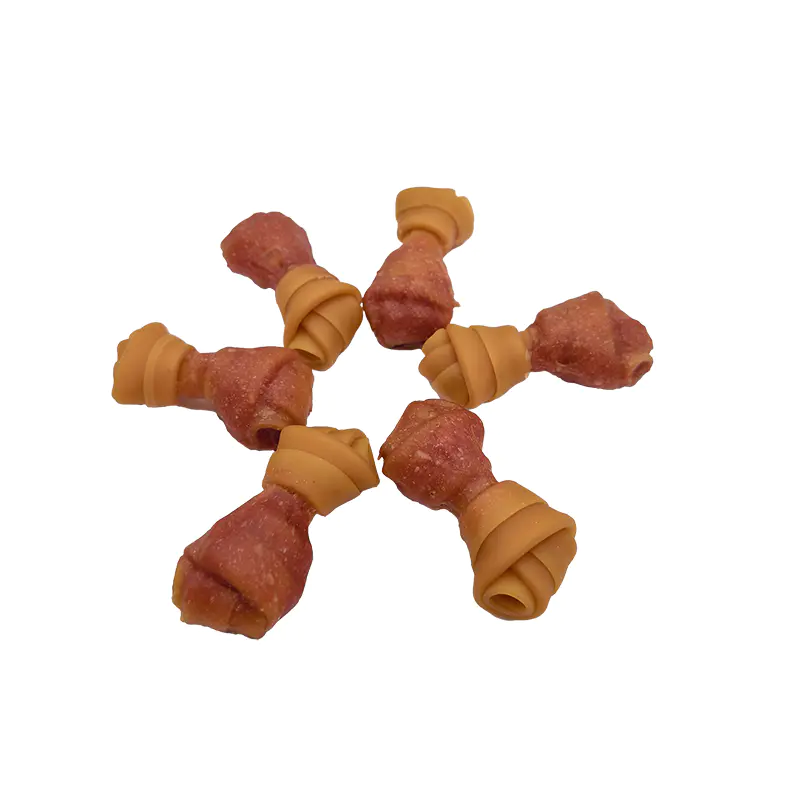
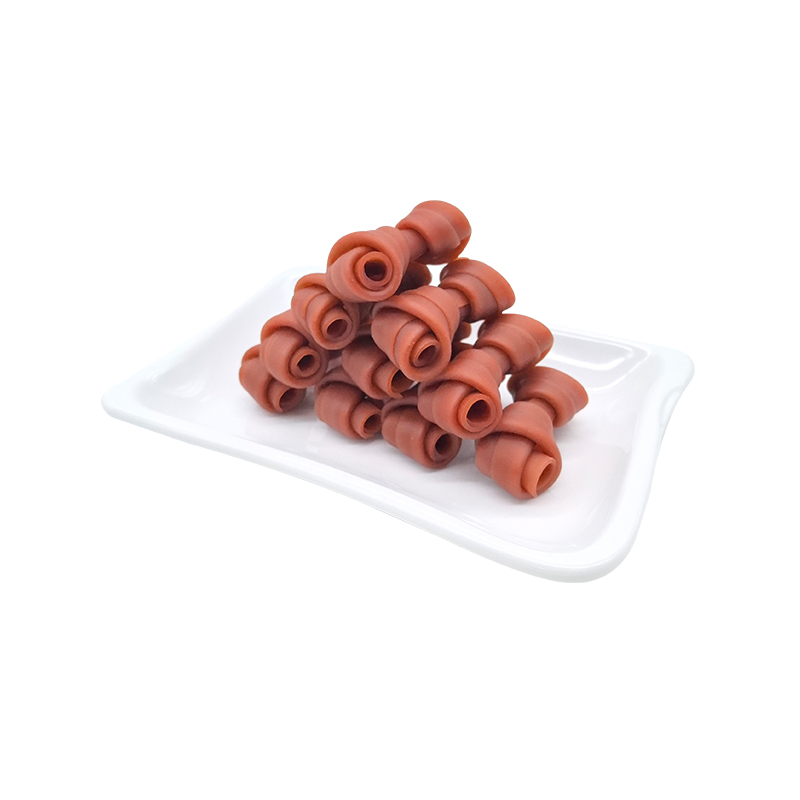
The Single-Color Duck Dog Treat reflects this shift in a different way. Instead of using several visible colors or elaborate decorations, it combines a knotted bone structure with a duck paste coating. The result places greater emphasis on flavor, texture, and the physical experience of chewing.
Duck Becomes A More Distinct Protein Choice
Chicken and beef remain familiar choices in dog treats, but duck provides brands with another way to diversify a meat-based range. This is particularly relevant as pet food companies pay closer attention to named protein sources and simpler ingredient positioning.
A duck-coated chew can fit naturally into this type of product line. The duck paste is applied across the surface of the knotted structure, giving the treat a consistent flavor rather than concentrating the meat component in one section.
For the Single-Color Duck Dog Treat, the single-color appearance also creates a relatively clean visual identity. Instead of relying on contrasting colors to attract attention, the product can communicate its flavor through the coating and packaging. That approach fits neatly into pet treat collections built around different protein varieties.
The Knotted Shape Adds A Second Function
The shape of a dog treat influences how a dog interacts with it. A small soft snack may disappear quickly, while a firmer chew encourages a longer period of biting and gnawing.
The knotted structure used in the Single-Color Duck Dog Treat creates resistance around the ends of the chew. Its form also gives manufacturers a stable base for applying the duck paste, allowing the flavor layer to follow the contours of the product.
This type of construction is part of a wider move toward chewable dog treats that combine snack appeal with a more extended chewing experience. The category has increasingly moved beyond simple reward pieces toward products where shape and texture contribute to how the treat is consumed.
Production Requires Consistency Between Core And Coating
Composite dog treats present a different production challenge from single-material snacks. The inner structure needs to maintain its shape, while the outer meat or flavor layer needs to adhere evenly.
For a Duck Dog Treat, uneven coating can affect both appearance and the distribution of flavor across the surface. The knotted sections also require attention because their curves and recessed areas are more difficult to coat consistently than a flat surface.
The production process therefore involves controlling the formed chew structure before applying the duck paste. Ingredient proportions, moisture, coating thickness, and drying conditions can all influence the final texture. The product specification lists corn starch, duck breast meat, and sweet potato starch among its main ingredients, with additional components used in the finished formulation.
At Lishui Tengyu Pet Food Co., Ltd., this type of product sits within a broader range of knotted bones, meat-wrapped treats, dental chews, and jerky. The company combines pet treat production with product development, allowing similar base structures to be adapted for different flavors and formats.
One Shape Can Support Several Market Variations
Another development in the pet treat category is the use of one basic structure across multiple flavor versions. A manufacturer can retain the same knotted form while changing the outer flavor, color, size, or packaging.
This gives the Single-Color Duck Dog Treat a place within a broader SKU strategy rather than treating it as an isolated product. Duck can sit alongside chicken, beef, milk, peanut, or mint variations, allowing brands to build a recognizable series without creating a completely new structure for every flavor. The product line already supports several such flavor directions.
For export-oriented pet treat production, this flexibility also helps connect product development with regional preferences. Different markets may respond differently to protein choices, treat sizes, packaging styles, or functional positioning, while the underlying chew format can remain largely unchanged.
As pet treat ranges continue moving toward clearer protein positioning and more varied chewing formats, the Single-Color Duck Dog Treatrepresents a practical middle ground: a familiar knotted chew structure combined with a more distinctive meat flavor. The broader trend is less about making treats visually complicated and more about giving a simple format a clear reason to stand out.
-
Meat Wrapped Dog Treats
Our KN001 2.5-3-inch chicken coated starch bone chewable tablets are designed specifically for dogs,...View More -
Meat Wrapped Dog Treats
The KN003 organic protein dog chew treats are crafted with a wholesome blend of corn starch, sweet p...View More -
Knotted Bone Series
The KN004 Chewing Gum Grinding Teeth Cleaning Teeth Dog Snacks is a starch-based chew treat specific...View More -
Knotted Bone Series
KN005 Dog single Color Bone Chew Snacks Safe and Healthy Pet Food is a healthy pet food made primari...View More -
Meat Wrapped Dog Treats
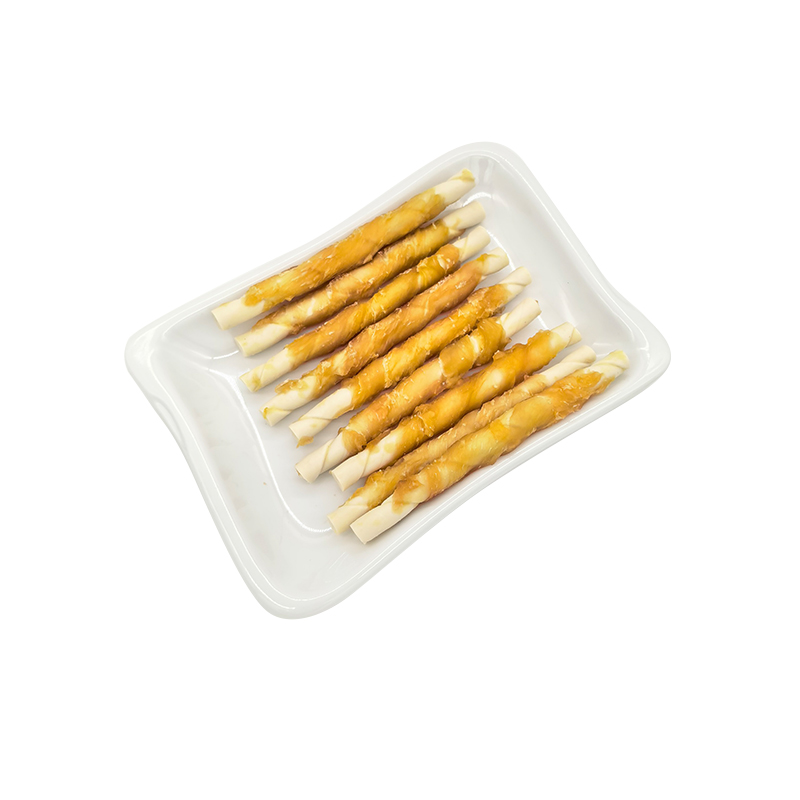
ST001 Milk Flavored 12cm Nutritious Meat-Wrapped Pet Chicken Rolls Stick combine premium chicken wit...View More -
Meat Wrapped Dog Treats
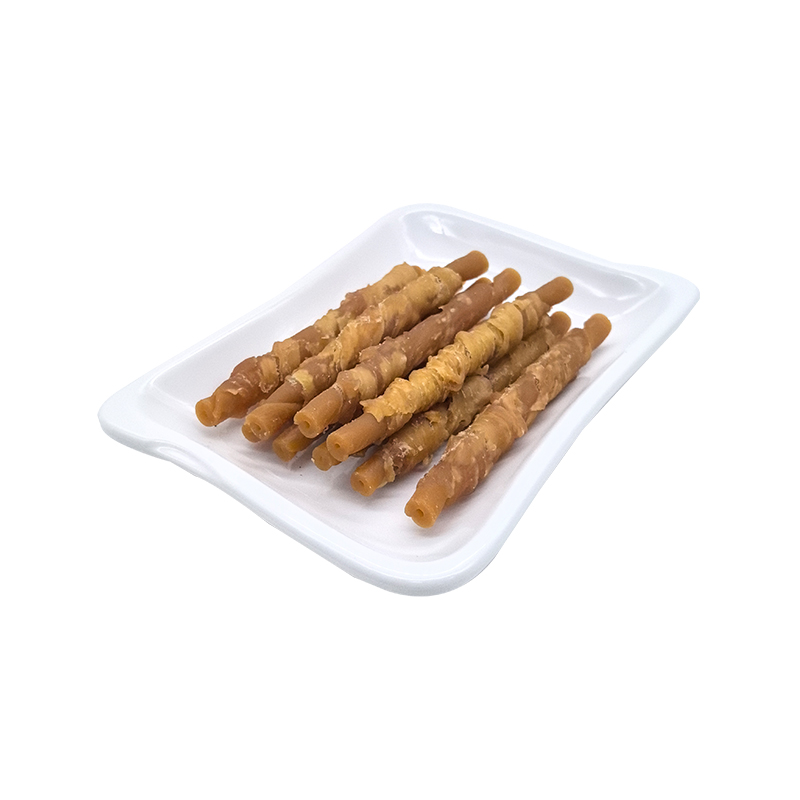
ST002 Chicken Flavor Organic Dog Dental Chew Stick is a healthy and tasty snack designed for dogs’ d...View More


TIME TO FEED YOUR PETS
-
Quick Links
-

The company integrates production and R&D functions, and its core business focuses on the R&D and production of pet snacks and pet chews.
-
Contact Us
Phone/WhatsApp:
+86 18067755187
+86-18657866096 E-mail:
[email protected]
[email protected] Add: No. 358-1, Longqing Road, Nanmingshan Street, Liandu District, Lishui, Zhejiang, China
